Source Stainless Steel Conveyor Belt Fastener for Mining, Food, and Chemical
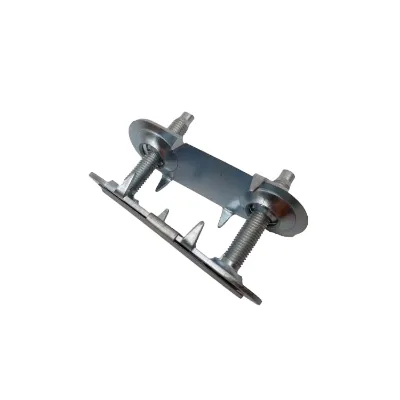
Find 30 Stainless Steel Conveyor Belt Fastener options with varied specifications like 304 grade and GOST standards. Buyers can compare hinged bolts, rivets, and common bolts for machinery and chemical industry applications.
Key considerations
Products List




Comprehensive Sourcing Guide
Strategic Sourcing Guide for Stainless Steel Conveyor Belt Fasteners
Navigating the global market for industrial fasteners requires a disciplined approach, particularly when sourcing critical components like stainless steel conveyor belt fasteners. These hardware elements serve as the mechanical backbone for material handling systems, ensuring continuous operation in demanding environments ranging from mining and agriculture to food processing and chemical manufacturing. The procurement process for these items involves more than simply selecting a price point; it demands a rigorous evaluation of material integrity, mechanical specifications, and supplier reliability. This guide provides a comprehensive framework for buyers to identify, evaluate, and secure high-quality fasteners that meet specific operational requirements while adhering to international standards.
Understanding Material Composition and Corrosion Resistance
The primary differentiator in the fastener market is the material composition, which directly dictates the product's lifespan and suitability for specific environments. For applications involving moisture, chemicals, or food-grade requirements, stainless steel is the preferred choice due to its inherent corrosion resistance. The supplied market data indicates a prevalence of 304 Stainless Steel and general Stainless Steel grades, which are standard for a wide array of industrial applications. However, buyers must also be aware that some listings include Carbon Steel options, often treated with surface processes like zinc plating or hot galvanizing to mitigate rust.
When evaluating product listings, the distinction between "Stainless Steel" and specific grades like "304" is critical. Grade 304 offers excellent resistance to atmospheric corrosion and is suitable for most general industrial conveyor systems. In contrast, environments with higher chloride content or extreme temperatures may require higher-grade alloys not explicitly detailed in all standard listings. The observed product attributes highlight "Silver" as a common color, which is the natural finish of untreated stainless steel, though some suppliers offer "Color-Zinc Plated" or "Hot Galvanizing" finishes for carbon steel variants. Procurement teams must verify the exact alloy composition in the technical data sheet to ensure the material matches the environmental stressors of the intended application.
Technical Specifications and Mechanical Performance
Technical specifications form the backbone of any successful procurement contract. Conveyor belt fasteners are not one-size-fits-all components; they must align precisely with the belt width, thickness, and the specific fastening mechanism required. The market data reveals a diverse range of models, including "Conveyer Belt Fasteners," "Rivet Hinged Belt Fastener," and specific model numbers like "V6," "R2," "R5," and "R6." These alphanumeric codes often correspond to specific dimensions or hinge configurations that are proprietary to the manufacturer or standardized within certain industry sectors.
Size customization is a prominent feature in this category, with observed specifications ranging from standard inch measurements to metric lengths like "1200mm." The "prod_model" field frequently lists variations such as "Conveyer Belt Fasteners2," "3," and "4," suggesting a modular approach to sizing. Buyers must pay close attention to the "Connection" type, which is listed as either "Hinged Bolts" or "Common Bolt." The choice between hinged and common bolt systems depends on the belt's flexibility requirements and the tensioning mechanism of the conveyor. Furthermore, the "Head Style" is noted as "Round," which influences the torque application and the final profile of the fastener.
To ensure compatibility, buyers should request detailed dimensional drawings that specify the bolt diameter, thread pitch, and hinge pin dimensions. The "Standard" field in the data mentions "1 inch" and "GB" (Guobiao) standards, indicating that some products adhere to specific dimensional norms. However, reliance on a single standard like "1 inch" without verifying the corresponding thread profile can lead to installation failures. The "Finish" and "Surface Treatment" options, including "Galvanized" and "Zinc Plated," also play a role in the mechanical performance, particularly regarding friction coefficients and wear resistance during the fastening process.
Compliance, Certification, and Quality Assurance
In the B2B procurement landscape, compliance with international quality management systems is a non-negotiable prerequisite for many industries. The supplied facts explicitly mention "ISO 9001" certification, which validates that a manufacturer has established a robust quality management system for their manufacturing processes. This certification is particularly relevant for the "Manufacturing Process: Stamping" method observed in the data, as it ensures consistency in the production of fasteners.
Beyond general quality management, buyers must verify adherence to specific product standards. The data references "GOST" and "GB" standards, which are Russian and Chinese national standards, respectively. While these standards provide a baseline for domestic production, international buyers often require products to meet ASTM, DIN, or ISO metric standards to ensure global interoperability. The presence of "ISO 9001" is a strong indicator of a supplier's commitment to quality, but it does not automatically guarantee that every batch of fasteners meets specific mechanical load requirements.
Quality assurance should extend to the verification of the "Grade" of the material. The data lists grades such as "8.8" and "9," which typically refer to the tensile strength of the fastener. For conveyor belt applications, where dynamic loads and vibration are common, a grade 8.8 or higher is often necessary to prevent bolt failure. Buyers should request third-party test reports that verify these mechanical properties, including tensile strength, yield strength, and hardness. Additionally, the "Process" of "Stamping" implies a specific manufacturing technique that affects the grain structure of the metal; understanding this process helps in assessing the potential for work hardening or brittleness in the final product.
Cost Drivers and Economic Considerations
The cost of stainless steel conveyor belt fasteners is influenced by a complex interplay of material costs, manufacturing complexity, and order volume. The observed price range in the market spans from $0.36 to $140, a significant variance that reflects differences in material grade, size, and customization levels. The lower end of the spectrum likely corresponds to smaller, standard-sized fasteners or those made from carbon steel with basic plating, while the higher end represents large, custom-engineered stainless steel units with specialized finishes.
Material costs are the primary driver of price fluctuations. Stainless steel, particularly grade 304, is more expensive than carbon steel due to the inclusion of nickel and chromium. The "Customization" attribute is also a key cost factor; while available, custom sizes and non-standard models incur additional tooling and setup costs. The "MOQ" (Minimum Order Quantity) range of 1 to 2000 units further impacts the unit price. Buyers ordering small quantities, such as single units or small batches for maintenance, will face a higher per-unit cost compared to those placing large orders that utilize the full capacity of the manufacturing line.
Packaging and logistics also contribute to the final cost. The data indicates various packing methods, including "Wooden Box," "Carton," and specific configurations like "2PC/Box" or "25 Sets/Box." For international shipping, the choice of packaging affects the weight and volume of the shipment, which in turn influences freight charges. Buyers should factor in the total landed cost, including packaging, rather than focusing solely on the unit price. Additionally, the "Delivery Time" of approximately 20 days mentioned in the data suggests that lead times can vary based on order volume and production scheduling, which may impact inventory planning and emergency procurement strategies.
Supplier Evaluation and Operational Reliability
Selecting the right supplier is as critical as selecting the right product. The supply chain for industrial fasteners is global, with a significant concentration of manufacturing in China, specifically in regions like "Shanxi Province." While this region is a hub for metalworking, buyers must conduct thorough due diligence to ensure the supplier can meet their specific quality and delivery expectations. The "Brand" attribute lists "Goodlark" alongside "Customized," indicating that some suppliers offer both branded and OEM services. However, the presence of a brand name does not inherently guarantee quality; it is the underlying manufacturing capability and quality control processes that matter most.
Buyers should evaluate suppliers based on their responsiveness and technical support capabilities. The "Service" attribute of "24 Hours Online" suggests a commitment to customer support, which is vital for resolving technical queries or addressing urgent order issues. The availability of "Samples" is another crucial factor; a supplier willing to provide samples allows buyers to physically inspect the product quality, verify dimensions, and test the fastener in a real-world application before committing to a large order.
Furthermore, the "Application" scope of the supplier's products should align with the buyer's industry. The data lists applications in "Conveyor Belt," "Machinery," and "Chemical Industry." A supplier with a proven track record in the chemical industry, for instance, is likely to have better experience with corrosion-resistant materials and stringent quality controls. Buyers should request references from clients in similar industries to validate the supplier's performance history. It is also important to verify the "Location" of the manufacturing facility to assess the logistics chain and potential risks associated with geopolitical or supply chain disruptions.
Long-Term Procurement and Maintenance Strategy
Sourcing conveyor belt fasteners is not a one-time transaction but part of a long-term maintenance strategy. The "Function" of these fasteners is to "Connect Joint," a task that, if failed, can lead to significant downtime and production losses. Therefore, procurement decisions should prioritize reliability and longevity over short-term cost savings. The "Finish" and "Surface Treatment" options, such as "Hot Galvanizing" or "Zinc Plated," are critical for extending the service life of the fasteners in harsh environments. Buyers should consider the total cost of ownership, which includes the frequency of replacement and the cost of downtime associated with fastener failure.
Standardization is another key consideration for long-term procurement. By selecting fasteners that adhere to widely recognized standards like "GB" or "ISO," buyers can ensure compatibility with existing equipment and simplify the inventory management process. The "Specification" field shows a variety of models, but maintaining a standardized set of fasteners across different conveyor lines can reduce the complexity of spare parts management. Additionally, the "Customization" availability allows for tailored solutions, but buyers should be cautious about over-customizing, as this can lead to supply chain vulnerabilities if the supplier changes or discontinues the specific custom design.
Finally, buyers should establish a clear communication channel with their suppliers regarding quality assurance and change management. Any changes in the manufacturing process, material source, or surface treatment should be communicated and approved in advance to maintain product consistency. By adopting a proactive approach to supplier relationship management and focusing on long-term value rather than immediate price reductions, buyers can ensure a stable and efficient supply of stainless steel conveyor belt fasteners that support their operational goals.
Comparative Analysis of Fastener Attributes
To assist in the decision-making process, the following table summarizes key attributes observed in the market data, highlighting the variations buyers may encounter.
| Attribute Category | Observed Options | Key Considerations for Buyers |
|---|---|---|
| Material | Stainless Steel, 304 Stainless Steel, Carbon Steel | Verify grade for corrosion resistance; 304 is standard for general use. |
| Connection Type | Hinged Bolts, Common Bolt | Select based on belt flexibility and tensioning requirements. |
| Surface Finish | Silver, Color-Zinc Plated, Hot Galvanizing | Match finish to environmental conditions (e.g., moisture, chemicals). |
| Standard | GB, GOST, 1 inch | Confirm compatibility with existing machinery and regional regulations. |
| Packaging | Wooden Box, Carton, 2PC/Box, 25 Sets/Box | Assess impact on shipping costs and storage efficiency. |
| Certification | ISO 9001 | Verify current validity and scope of certification. |
| Origin | China, Shanxi Province | Consider logistics lead times and supply chain stability. |
| Delivery Time | 20 Days (Typical) | Plan inventory levels to account for production lead times. |
This comparative overview underscores the importance of detailed specification matching. By carefully reviewing these attributes against the specific needs of their conveyor systems, buyers can make informed decisions that balance performance, cost, and reliability. The diversity of options available in the market requires a disciplined evaluation process to ensure that the selected fasteners meet the rigorous demands of industrial applications.
FAQs
What materials are used for stainless steel conveyor belt fasteners?
These fasteners are primarily made from 304 Stainless Steel or general Stainless Steel grades. Some listings also include Carbon Steel options treated with zinc plating or hot galvanizing for specific corrosion resistance needs.
Can I customize the size and specifications of these fasteners?
Yes, customization is available for size and specifications to meet specific operational requirements. Buyers can request custom dimensions ranging from standard inch measurements to metric lengths like 1200mm based on their belt needs.
Which certifications do the manufacturers typically hold?
Manufacturers often hold ISO 9001 certification to validate their quality management systems. The products may also adhere to specific standards such as GB or GOST depending on the production origin and target market requirements.
How long is the typical delivery time for these fasteners?
The typical delivery time is approximately 20 days from order confirmation. This lead time can vary based on order volume, customization levels, and the specific production scheduling of the manufacturer in China.
What are the common packaging options for shipping these items?
Common packaging includes wooden boxes, cartons, or specific configurations like 2PC per box. Bulk orders may be packed as 25 sets per box or 200 sets per carton to optimize logistics and protection during transit.
Which connection types are available for conveyor belt applications?
Available connection types include Hinged Bolts and Common Bolts depending on the belt flexibility. The head style is typically Round, and specific models like V6 or R2 series define the hinge configuration.