Source Eco-Friendly Stainless Steel Paring Knife for chefs, housewives, and hunters
Compare 30 Eco-Friendly Stainless Steel Paring Knife options from Chinese manufacturers. Buyers can evaluate blade materials, handle types, and certifications like FDA and LFGB for kitchen or outdoor use.
Key considerations
Products List
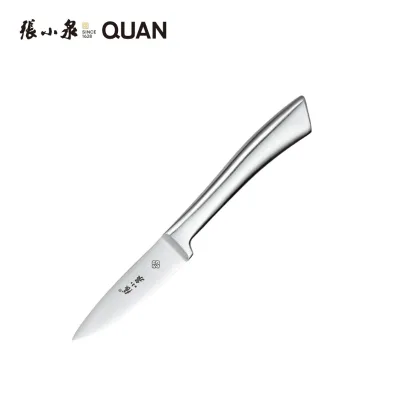
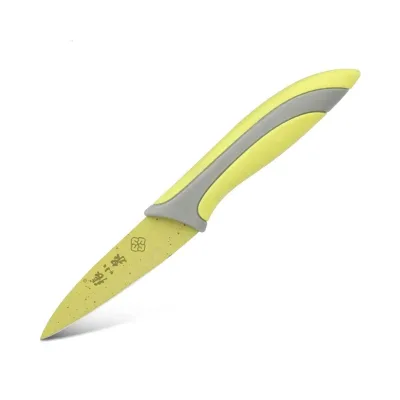


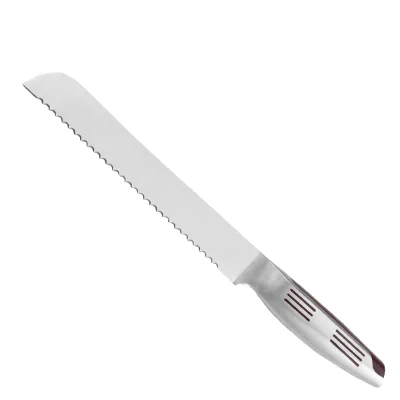


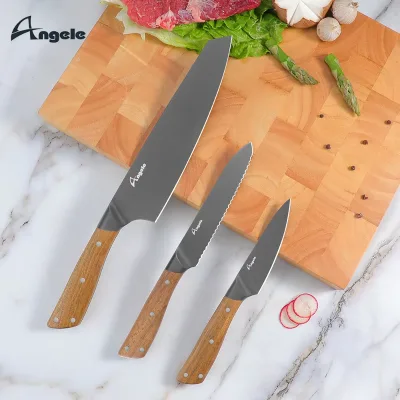
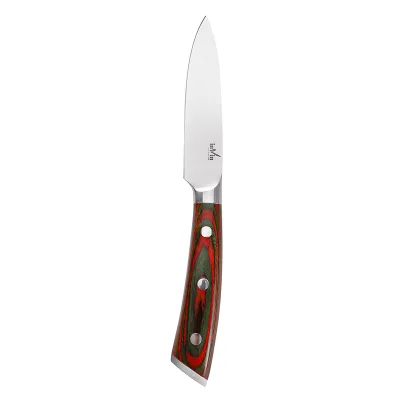
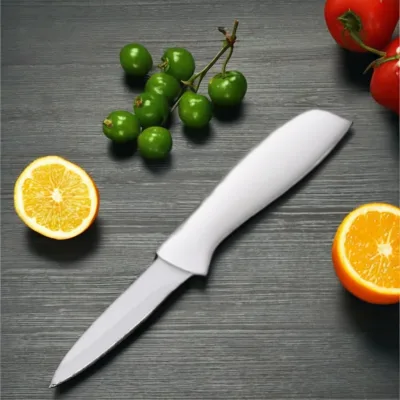
Small Kitchen Paring Knife Cutting Fruit Vegetables High Carbon Stainless Steel Ultra Sharp
$0.59 - $0.63
MOQ: 1590 Pieces

Heavy Duty Paring Knife Stainless Steel Blade with Aluminum Handle 7-1/8 Inches
$1.60 - $1.69
MOQ: 600 Pieces





Comprehensive Sourcing Guide
Strategic Sourcing Guide for Eco-Friendly Stainless Steel Paring Knives
Understanding the Product Definition and Core Specifications
When sourcing an eco-friendly stainless steel paring knife, buyers must first establish a precise definition of the product to ensure alignment with their specific operational needs. The core keyword implies a tool designed for precision tasks, typically involving fruit and vegetable preparation, constructed from materials that prioritize environmental responsibility and durability. Based on observed market data, the standard blade length for this category often centers around 3.5 inches, a dimension that offers an optimal balance between control and cutting efficiency for paring tasks. The blade material is consistently identified as stainless steel, with specific grades such as S/S420 appearing in the supply chain. This grade is selected for its balance of corrosion resistance and edge retention, essential for kitchen environments where moisture and acidity are constant factors.
The physical construction of these knives varies, yet certain attributes remain prevalent. The blade thickness is a critical specification, with observations indicating a standard of 1.2mm. This thickness provides sufficient rigidity to prevent flexing during delicate cuts while maintaining a sharp edge. The finish of the blade is another distinguishing feature; suppliers may offer satin polish, matt polish, or laser finishes. A satin polish generally provides a smooth, low-glare surface that is easy to clean, while a matt polish can help hide minor scratches during heavy use. Some specialized models feature a tapering blade with a laser finish, which may enhance the aesthetic appeal or specific cutting dynamics. The handle material is equally important for user comfort and safety, with plastic and composite materials like TPR (Thermoplastic Rubber) or PP (Polypropylene) being common. These materials are often combined with stainless steel components to create an ABS sandwich handle, a design choice that can improve grip and durability.
Compliance, Certification, and Environmental Standards
For buyers prioritizing the "eco-friendly" aspect of the core keyword, verifying compliance and certification is non-negotiable. The supply chain for kitchenware involves strict safety regulations, particularly regarding food contact materials. In the observed market, certifications such as FDA and LFGB are standard requirements. FDA compliance ensures the product meets United States food safety standards, while LFGB is the German Food and Feed Code, a rigorous standard often required for European markets. These certifications verify that the materials used in the blade, handle, and packaging do not leach harmful substances into food.
The eco-friendly claim often extends beyond the blade material to the manufacturing process and packaging. Buyers should look for products explicitly labeled with "Eco-Friendly" features. This designation may refer to the use of recyclable materials in the handle, such as specific plastics or composites, or the implementation of manufacturing processes that reduce waste. The packaging itself is a significant factor; "Single" packaging or "Export Cartom" (export carton) options are common, but the sustainability of these materials must be verified. While some suppliers mention "Eco-Friendly" as a feature, buyers must request documentation to substantiate this claim, ensuring that the packaging is recyclable or biodegradable where possible. It is crucial to note that while some background data might reference CE certification, this should not be assumed without explicit verification from the supplier, as it is not a guaranteed attribute for all listed products in this specific category.
Cost Drivers and Pricing Dynamics
The pricing of eco-friendly stainless steel paring knives is influenced by a complex interplay of material costs, manufacturing complexity, and order volume. The observed price range in the market spans from $0.15 to $9.16 USD, a wide variance that reflects differences in quality, branding, and customization levels. The lower end of this spectrum typically corresponds to basic models with standard stainless steel blades and simple plastic handles, often sold in bulk with minimal packaging. Conversely, the higher price points are associated with specialized finishes, such as laser finishes or specific ergonomic handle designs like the ABS sandwich handle, as well as products that carry verified eco-friendly certifications.
Minimum Order Quantity (MOQ) is a primary driver of unit cost. The market data indicates an MOQ range from 2 to 3,000 units. Buyers purchasing small quantities, such as the lower end of the range, will face higher per-unit costs due to the fixed costs of setup and logistics. As the order volume increases, the unit price typically decreases, making bulk purchasing more economical. However, buyers must balance cost savings against inventory holding costs and cash flow requirements. Customization is another significant cost factor. While customization is listed as "Available," adding specific branding, unique handle colors (such as Fruit Green, Yellow, or Silver), or custom packaging will inevitably increase the unit price and may extend the lead time. The lead time itself, observed at 30-35 days, is a standard duration for production and shipping, which buyers must factor into their total cost of ownership and supply chain planning.
Typical Applications and Functional Versatility
The functional versatility of the stainless steel paring knife makes it suitable for a wide array of applications, extending beyond simple kitchen use. The primary function is identified as a "Fruit Knife" and "Paring Knife," designed for peeling, trimming, and detailed cutting of fruits and vegetables. The 3.5-inch blade size is particularly effective for these tasks, allowing for precise control. However, the product attributes also list "Slicing Knife" and "Vegetable Knives" as functional categories, indicating that these tools can handle broader culinary tasks.
Beyond the domestic kitchen, the sourcing data reveals that these knives are also marketed for professional and outdoor use. Attributes such as "Usage: for Housewives, for Chef" confirm their suitability for both home and professional culinary environments. Furthermore, the listing of "Hunting Knife" and "Camping Knife" suggests that the robust construction of stainless steel and durable handles makes these tools viable for outdoor enthusiasts. The "Unfolded" attribute implies that some models may be part of a folding mechanism, adding to their portability for camping scenarios. This dual-purpose nature requires buyers to evaluate the specific model number, such as PG063, vt202001kitchen, or KP-0736, to ensure the specific design matches the intended application. A knife designed for delicate fruit carving, indicated by the model "HF-K005 fruit carving knife," may differ significantly in blade geometry from a general-purpose paring knife intended for heavy-duty camping use.
Supplier Evaluation and Origin Verification
When evaluating suppliers for eco-friendly stainless steel paring knives, buyers must prioritize transparency regarding the origin and manufacturing capabilities. The majority of the observed supply originates from Guangdong, China (Mainland), a region known for its robust manufacturing infrastructure in the kitchenware sector. The specific location, "Guangdong, China," is a key indicator of the supply chain's maturity and the availability of specialized labor and materials. Buyers should verify the "Place of Origin" on all product listings to ensure consistency and to assess the logistical implications of shipping from this region.
Supplier reliability is often indicated by the availability of customization options and the clarity of product specifications. The presence of "OEM" (Original Equipment Manufacturer) capabilities, as seen with the brand name "Homeful(OEM)," suggests that suppliers are willing to produce custom-branded goods. This is a positive signal for buyers looking to establish their own product lines. However, buyers must be cautious of "Low-confidence background" information and avoid making assumptions about certifications or standards that are not explicitly confirmed. The "Condition: New" attribute is standard, but buyers should request samples to verify the physical quality, finish, and material integrity before committing to large orders. Additionally, the "Safe Package" and "Export Cartom" attributes indicate that suppliers are aware of the need for secure shipping, but buyers should still inquire about packaging standards to prevent damage during transit.
Quality Control and Long-Term Procurement Considerations
Ensuring long-term success in sourcing these knives requires a robust quality control (QC) strategy. The variety of blade finishes, including "Satin Polish," "Matt Polish," and "Laser Finish," necessitates specific QC checks to ensure consistency. Buyers should establish clear acceptance criteria for blade thickness (1.2mm) and blade length (3.5 inch) to prevent deviations that could affect performance. The handle material, whether plastic or composite, must be inspected for durability and resistance to cracking or discoloration, especially if the product is marketed as eco-friendly and intended for repeated use.
Long-term procurement considerations also involve managing the supply chain's responsiveness to market changes. The lead time of 30-35 days is a standard benchmark, but buyers should negotiate terms that allow for flexibility in case of demand spikes or supply disruptions. The availability of "Stocked" items, as noted in some product features, can be a strategic advantage for buyers needing immediate fulfillment, though these may come at a premium. Furthermore, the "Eco-Friendly" feature should be monitored over time to ensure that the supplier maintains their commitment to sustainable practices as they scale production. Regular audits and sample testing are essential to maintain the integrity of the product line. By focusing on these technical and operational details, buyers can secure a reliable supply of high-quality, eco-friendly stainless steel paring knives that meet both their commercial and environmental objectives.
Comparative Analysis of Key Product Attributes
To assist in the decision-making process, the following table summarizes the key attributes observed in the market for eco-friendly stainless steel paring knives. This comparison highlights the variability in specifications and helps buyers identify the specific features that align with their requirements.
| Attribute Category | Common Observation | Variations / Specific Models |
|---|---|---|
| Blade Material | Stainless Steel | S/S420, Metal |
| Blade Length | 3.5 inch | 3 inch (specific models) |
| Blade Thickness | 1.2mm | Varies by model |
| Blade Finish | Satin Polish, Matt Polish | Laser Finish, Tapering Blade |
| Handle Material | Plastic, TPR, PP | ABS Sandwich Handle |
| Color Options | Silver, Yellow, Light Gray, Fruit Green | Colored, 1 (generic) |
| Certifications | FDA, LFGB | CE (verify individually) |
| Origin | Guangdong, China | Mainland China |
| MOQ Range | 2 - 3,000 units | Depends on customization |
| Lead Time | 30-35 days | Standard for production |
| Packaging | Single, Export Cartom, Safe Package | Custom options available |
| Function | Fruit Knife, Paring Knife | Slicing, Hunting, Camping |
This table serves as a reference point for buyers to quickly assess the diversity of the market. It underscores the importance of specifying exact requirements, as a single keyword can encompass a wide range of product configurations. By carefully selecting the attributes that matter most to their specific use case, buyers can navigate the complex landscape of eco-friendly stainless steel paring knives with confidence and precision.
FAQs
What certifications do eco friendly stainless steel paring knives have?
These knives typically hold FDA and LFGB certifications to ensure food safety compliance. Buyers should verify these specific certifications on product listings, as CE is not guaranteed for all items in this category.
Which blade material is standard for these paring knives?
The standard blade material is stainless steel, often specified as S/S420 grade. This material offers a balance of corrosion resistance and edge retention suitable for kitchen environments with moisture and acidity.
How long is the typical lead time for these products?
The observed lead time ranges from 30 to 35 days for production and shipping. Buyers must factor this duration into their supply chain planning and inventory management schedules.
Can I customize the color or handle of the knife?
Customization is available for attributes like color, with options including silver, yellow, and fruit green. Buyers should note that custom branding or unique handle designs may increase the unit price and affect lead times.
What is the minimum order quantity for these knives?
The minimum order quantity ranges from 2 to 3,000 units depending on the supplier and model. Lower order volumes typically result in higher per-unit costs due to fixed setup and logistics expenses.
Where are these knives typically manufactured?
The majority of these products originate from Guangdong, China. Buyers should verify the place of origin on listings to ensure consistency and assess logistical implications for shipping.