Source Stainless Steel Spacer Beads for Jewelry Making
Find 30 Stainless Steel Spacer Beads from Guangdong suppliers. Compare irregular and round shapes, silver plating, and custom logo options for your jewelry projects. Explore various sizes and styles to enhance your designs with durable metal findings; compare the available evidence and request quotations based on your requirements.
Key considerations
Products List
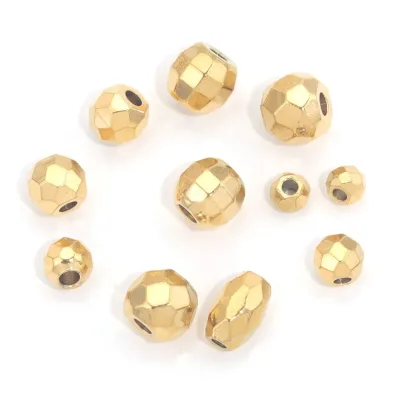
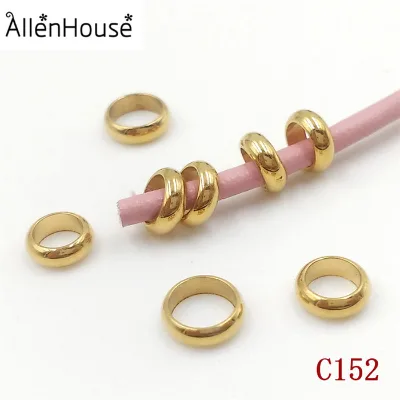


High Quality 316 Stainless Steel Smooth Jewelry Spacer Beads for Bracelet
$1.00 - $2.50
MOQ: 100 Pieces


Custom Stainless Steel Colorful Enamel Spacer Beads for Jewelry Findings
$1.00 - $2.50
MOQ: 100 Pieces



Comprehensive Sourcing Guide
Stainless Steel Spacer Beads Sourcing Guide
Buyers evaluating Stainless Steel Spacer Beads must first distinguish between generic loose components and specialized jewelry findings designed for specific assembly needs. The observed market listings reveal a diverse range of irregular and round shapes, with materials explicitly identified as stainless steel or general metal, indicating that material purity is a primary verification step. Sourcing decisions should prioritize suppliers who clearly define whether the product is a standard spacer or a custom-fabricated component, as the distinction impacts both design flexibility and inventory management.
Procurement teams should also scrutinize the observed packaging and unit definitions, which vary from OPP bags to seal bags and multiple-of-10 selling units. This variation suggests that logistics planning must account for inconsistent batch sizes and potential repackaging requirements before final assembly. Understanding these listing signals helps buyers anticipate hidden costs related to handling and storage, ensuring that the selected supplier can meet the specific volume and presentation standards required for the final product line.
Product Scope and Observed Listing Signals
The current market data indicates a wide spectrum of product attributes, including specific model numbers like P30116B and P30872, alongside irregular shapes and standard round beads. Buyers must verify if the listed "Irregular Shaped Loose Beads" align with their design requirements, as the scope extends from simple spacers to components with custom logos and plating services. The presence of multiple color options, such as yellow, silver, black, and pink, alongside specific plating finishes, suggests that aesthetic customization is a key differentiator in this category.
Sourcing strategies should account for the observed diversity in packaging standards, ranging from 1x1x1 cm batch sizes to larger 5x7x8 cm specifications. This inconsistency in physical dimensions and packing methods implies that buyers need to establish clear receiving protocols to manage inventory effectively. Additionally, the availability of customization services and logo offerings indicates that many suppliers are positioned as OEM partners, requiring buyers to define their branding needs early in the negotiation process to ensure the final output matches the intended brand identity.
Technical Specifications to Verify
Technical verification must begin with the precise dimensional data, as listings show conflicting size specifications ranging from 12x12x5mm to 30x27mm and varying standard sizes like 5x7x8mm. Buyers should request physical samples to confirm that the actual dimensions match the technical drawings, as discrepancies in size can lead to assembly failures in jewelry or decorative applications. The distinction between cast and resin craft processes further necessitates a review of the surface treatment methods, such as polishing, to ensure the final texture meets the desired aesthetic and functional standards.
Material composition and structural integrity are equally critical, with some listings specifying stainless steel while others simply list metal or include resin components. Buyers must verify the specific alloy grade of the stainless steel to ensure corrosion resistance and durability, particularly for products intended for long-term wear. The presence of features like "Opening" and "Fade: No" attributes requires confirmation through testing, ensuring that the beads maintain their structural integrity and color stability under expected usage conditions without degradation over time.
Compliance and Safety Documentation
Compliance verification should focus on the availability of third-party testing certificates, such as the SGS certification observed in specific product listings. Buyers must ensure that the supplier can provide valid, up-to-date documentation confirming that the stainless steel components meet international safety and material standards, particularly regarding heavy metal content and plating safety. Without these documents, there is a risk of non-compliance with regulations in target markets, which could lead to product recalls or legal liabilities for the importing company.
In addition to material safety, buyers should verify that the manufacturing processes adhere to relevant environmental and labor standards, even if not explicitly detailed in the initial product descriptions. The observation of various craft processes, including casting and polishing, suggests that chemical usage and waste management practices are potential areas of concern. Procurement teams should request evidence of compliance with these broader operational standards to mitigate supply chain risks and ensure that the final products are ethically sourced and environmentally responsible.
Cost Drivers and Commercial Terms
Cost structures in this category are heavily influenced by the level of customization, with offerings ranging from standard multiple-of-10 units to fully customized OEM solutions with logo services. Buyers should anticipate that requests for specific plating colors, irregular shapes, or custom packaging will increase the unit price and potentially alter the minimum order quantity requirements. The observed MOQ range of 1 to 2000 units indicates significant flexibility, but higher customization levels often correlate with higher per-unit costs and longer lead times that must be factored into the total cost of ownership.
Commercial terms must also address the variability in packaging and shipping, as observed batch sizes range from 0.010 kg gross weight to larger standard dimensions. Buyers need to negotiate clear terms regarding who bears the cost of repackaging if the supplier's standard packaging does not align with the buyer's logistics requirements. Additionally, the presence of multiple selling units and varying model numbers suggests that pricing should be evaluated on a per-unit basis rather than per batch to ensure accurate budgeting and cost comparison across different supplier proposals.
Supplier Qualification and Quality Control
Supplier qualification should prioritize manufacturers with a proven track record in metal casting and polishing, as evidenced by the specific craft processes listed in the product data. Buyers must assess the supplier's ability to maintain consistency across different model numbers, such as P30116 and P30133, to ensure that quality does not fluctuate between batches. The availability of OEM services and logo customization indicates that the supplier has the necessary infrastructure for branding, but this capability must be validated through a review of their quality control protocols and past performance.
Quality control measures should include rigorous inspection of surface treatments and plating durability, given the observed attributes like "Fade: No" and "Polished" finishes. Buyers should implement a sampling plan that tests for color consistency, structural strength, and the accuracy of dimensions against the provided specifications. Establishing a clear communication channel for defect reporting and resolution is essential, especially when dealing with irregular shapes or custom orders where standard tolerances may not apply, ensuring that any deviations are addressed before mass production begins.
Long-Term Procurement Checks
Long-term procurement strategies should include regular audits of the supplier's ability to maintain consistent material quality and dimensional accuracy over time. As the market offers a wide array of models and customization options, buyers must ensure that the supplier can scale production without compromising the integrity of the stainless steel or the precision of the casting processes. Continuous monitoring of the supplier's response to quality issues and their ability to adapt to changing design requirements will be critical for maintaining a stable supply chain.
Buyers should also establish a periodic review process to evaluate the supplier's adherence to evolving compliance standards and market trends. The observed diversity in product attributes, from simple spacers to complex curtain wall components, suggests that the supplier's capabilities may extend beyond the initial scope. Regularly reassessing the supplier's performance against key metrics such as lead time, defect rates, and customization flexibility will help ensure that the partnership remains viable and continues to deliver value as the buyer's product lines evolve.
FAQs
What material are these Stainless Steel Spacer Beads made of?
These spacer beads are crafted from stainless steel, ensuring durability and resistance to tarnishing. The material provides a reliable foundation for jewelry making, offering a sleek finish that complements various design styles. This composition supports long-term wear without significant degradation, making it a practical choice for both professional artisans and hobbyists seeking consistent quality in their components.
Can I customize the logo on these Stainless Steel Spacer Beads?
Yes, logo customization is available for these Stainless Steel Spacer Beads. The supplier offers OEM services, allowing buyers to add specific branding or designs to the product. This service supports unique jewelry creations by enabling personalized touches. Buyers should confirm specific logo requirements and design files with the supplier to ensure the customization meets their exact aesthetic and quality standards.
What is the packaging method for these Stainless Steel Spacer Beads?
The packaging for these Stainless Steel Spacer Beads varies by model, including OPP bags, seal bags, and PP bags. This flexible approach ensures safe transport and storage for different batch sizes. The packaging protects the beads from damage during shipping and handling. Buyers can expect secure packaging that maintains the integrity of the irregular shaped loose beads until they reach the final destination for jewelry assembly.
Are these Stainless Steel Spacer Beads fade-resistant?
Yes, these Stainless Steel Spacer Beads are designed to be fade-resistant. The material properties ensure that the color and finish remain stable over time, even with regular use. This characteristic is crucial for maintaining the aesthetic appeal of jewelry pieces. Buyers can rely on the durability of the stainless steel construction to prevent discoloration, ensuring the beads retain their original appearance throughout the product's lifecycle.
What certifications do these Stainless Steel Spacer Beads have?
These Stainless Steel Spacer Beads come with SGS certification, indicating compliance with specific quality and safety standards. This certification provides assurance regarding the material composition and manufacturing processes. Buyers can trust that the products meet recognized industry benchmarks for quality. The presence of SGS certification adds value for those requiring verified materials for their jewelry production, ensuring reliability and consistency in the supply chain.
What is the origin of these Stainless Steel Spacer Beads?
These Stainless Steel Spacer Beads originate from Guangdong, China, specifically Guangzhou. This region is known for its robust manufacturing capabilities and supply chain efficiency. The location supports timely production and distribution for international buyers. Understanding the origin helps buyers assess logistics and potential shipping times. The Chinese manufacturing base offers competitive pricing and a wide range of customization options for various jewelry components.