Source Stainless Steel T Shaped Bar for Construction, Home, and Factory
Compare 30 Stainless Steel T Shaped Bar options from verified Chinese suppliers. Buyers can evaluate grades like 304 and 316, surface finishes, and custom sizes for construction, home, and factory applications; compare the available evidence and request quotations based on your requirements.
Updated
Key considerations
Products List


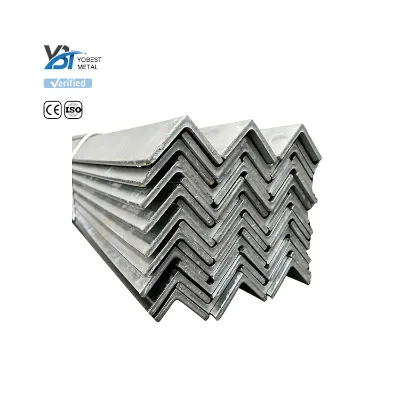
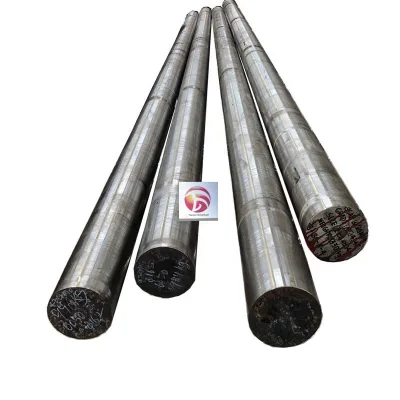
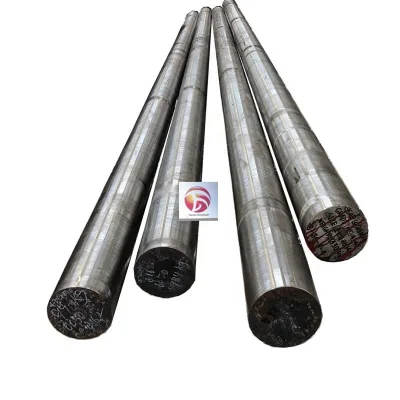
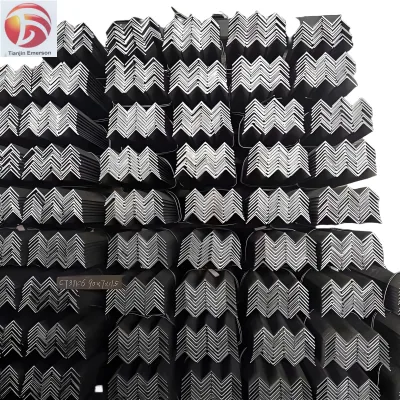
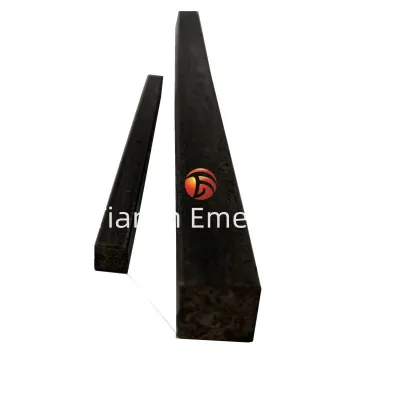
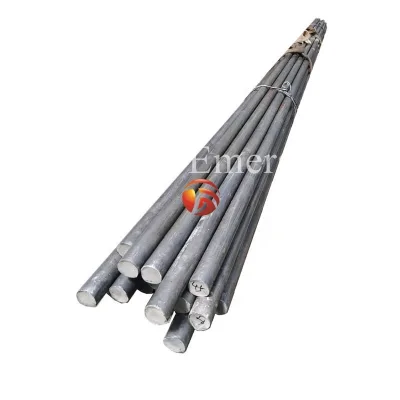
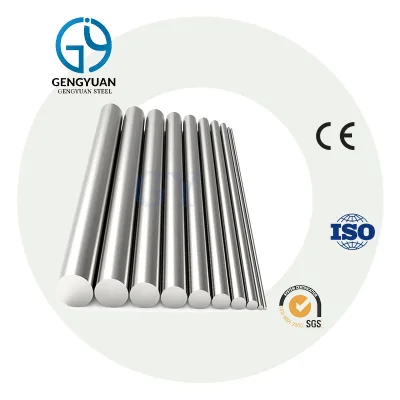


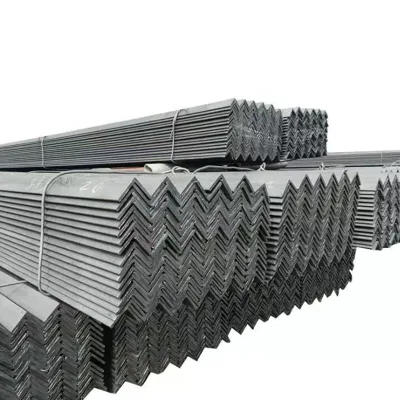
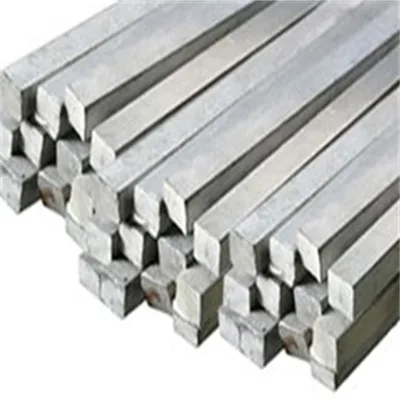
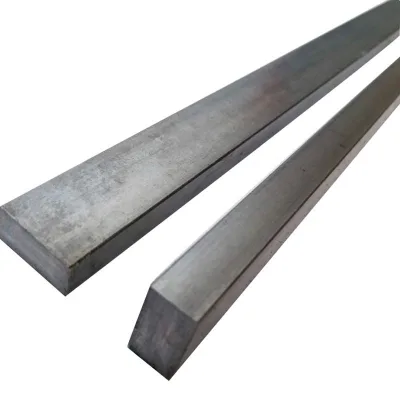
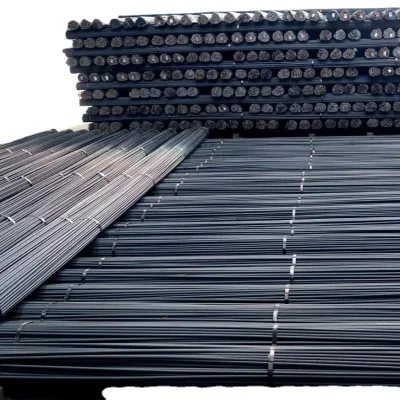

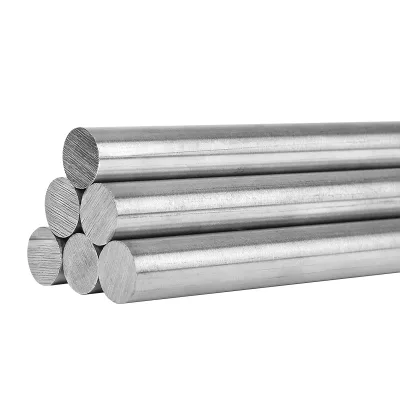
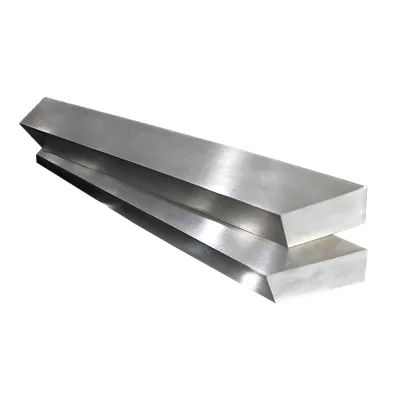
Aisi 440c Astm A276/a479 Standard 100mm Aisi 321 12mm X 12mm 316 square Solid Stainless Steel bar
$1077.3058 - $1795.5097
MOQ: 1 tons


Comprehensive Sourcing Guide
Stainless Steel T Shaped Bar Sourcing Guide
Product Scope and Observed Listing Signals
The market for stainless steel t shaped bars encompasses a diverse range of industrial and construction components, often categorized under broader stainless steel bar classifications. Listings frequently identify these items as main tees, cross tees, or wall angles, indicating their structural utility in frameworks and support systems. Buyers should note that while the core keyword specifies a t-shape, observed product attributes also include round bars and non-standard configurations, suggesting that suppliers may offer varied cross-sections under similar search terms. This variability requires careful scrutiny of product images and detailed specifications to ensure the exact geometric profile matches the engineering requirements.
Observed listing signals reveal a wide spectrum of material grades, primarily focusing on the 300 and 400 series stainless steels. Specific models such as AISI 304, 316, and 316L are prominently featured, alongside other grades like 201, 309S, and 430. This diversity allows for selection based on corrosion resistance and mechanical strength needs. Additionally, some listings describe surface treatments like polished finishes or powder-coated surfaces, which may apply to specialized architectural or decorative applications. The presence of terms like "home, office building, market, factory, hotel, playground, station, terminal building" in usage descriptions highlights the broad applicability of these components across residential, commercial, and heavy industrial sectors.
Technical Specifications to Verify
Verifying technical specifications is critical when sourcing stainless steel t shaped bars, particularly regarding dimensional accuracy and material grade. Buyers must confirm the exact standard compliance, such as AISI, ASTM, DIN, EN, GB, or JIS, as these dictate the chemical composition and mechanical properties of the steel. For instance, AISI 316 offers superior corrosion resistance compared to AISI 304, making it suitable for harsh environments. Additionally, tolerance levels should be explicitly defined; observed data indicates tolerances as tight as +/-0.1 mm for certain profiles, which is essential for precision assembly. The straightness of the bars, often specified as 1/1000, also impacts installation quality and structural integrity.
Surface finish and manufacturing technique are equally important factors that influence both performance and aesthetics. Products may be delivered with a polished surface, which is common for architectural uses, or a powder-coated/painted finish for enhanced durability and color options. The manufacturing process, whether cold-drawing or hot-rolled, affects the grain structure and strength of the bar. Buyers should also verify the available sizes and thicknesses, as observed listings mention thicknesses ranging from 0.26 mm to 0.4 mm for specific applications. Confirming that the supplier can produce the exact dimensions "as per the drawing" ensures that the final product meets the precise design requirements of the project.
Compliance and Safety Documentation
Compliance with international standards and certifications is a fundamental requirement for ensuring the quality and safety of stainless steel t shaped bars. Buyers should request documentation that verifies adherence to recognized standards such as ISO, DIN, ASTM, JIS, GB, and EN. These certifications confirm that the material has been tested and meets specific mechanical and chemical criteria. Additionally, certifications like CE and RoHS may be relevant for products intended for export to Europe or for applications involving environmental safety. The presence of IBR certification is also noted in some listings, indicating compliance with specific industrial boiler regulations, which may be crucial for pressure vessel or high-temperature applications.
Quality control documentation provides further assurance of product reliability. Buyers should insist on third-party inspection reports from reputable agencies such as SGS, TUV, or BV. These reports validate that the produced bars meet the agreed-upon specifications and standards. It is advisable to specify in the purchase order that any third-party inspection is acceptable, ensuring flexibility while maintaining rigorous quality checks. Furthermore, verifying the origin of the materials, often listed as China or specific provinces like Tianjin and Hebei, can help in assessing the supply chain's transparency and consistency. Clear documentation of these compliance aspects mitigates risks associated with material failure or regulatory non-compliance.
Cost Drivers and Commercial Terms
Understanding the cost drivers and commercial terms is essential for effective budgeting and negotiation when sourcing stainless steel t shaped bars. The price range observed in the market is extensive, spanning from $0.07 to $7500, reflecting variations in material grade, quantity, and complexity. Key factors influencing cost include the specific stainless steel grade, such as the premium associated with 316L over 304, and the surface treatment required. Minimum Order Quantities (MOQ) also play a significant role, with observed ranges from 1 to 1000 units, and some suppliers specifying MOQs by weight, such as 500 kg. Buyers should align their order volume with supplier MOQs to optimize pricing and avoid excess inventory costs.
Commercial terms and payment methods vary among suppliers, impacting cash flow and risk management. Common price terms include CIF, CFR, FOB, and Ex-Work, each defining the point at which responsibility and cost transfer from seller to buyer. Payment terms typically involve T/T, L/C, Western Union, or cash, with L/C offering greater security for large transactions. Buyers should carefully evaluate these terms in the context of their logistical capabilities and financial policies. Additionally, packing methods, such as wooden boxes, cases, or standard seaworthy packing, can affect shipping costs and product protection. Clear agreement on these commercial details prevents disputes and ensures smooth transaction execution.
Supplier Qualification and Quality Control
Supplier qualification is a critical step in mitigating procurement risks and ensuring consistent product quality. Buyers should verify the supplier's manufacturing capabilities, including their ability to perform cold-drawing or hot-rolling processes as required. The availability of customization services, such as customized logos or specific shapes, indicates a supplier's flexibility and responsiveness to unique project needs. It is also important to assess the supplier's production capacity and lead times, although specific data may vary. Suppliers originating from regions like Tianjin and Hebei in China are common sources, but buyers should conduct due diligence to ensure these facilities meet international quality standards.
Quality control processes should be rigorously evaluated before finalizing a supplier relationship. Buyers should inquire about the supplier's internal quality assurance protocols and their willingness to accommodate third-party inspections. The acceptance of inspections by SGS, TUV, or BV is a positive indicator of a supplier's commitment to transparency and quality. Additionally, verifying the supplier's ability to provide detailed material test reports and certificates of conformity is essential. Buyers should also consider the supplier's experience in exporting to their target market, as this can indicate familiarity with international regulations and logistics. Establishing a strong quality control framework with the supplier ensures that the delivered stainless steel t shaped bars meet all specified requirements.
Long-Term Procurement Checks
Long-term procurement checks involve establishing a framework for continuous monitoring and evaluation of supplier performance and product quality. Buyers should implement regular audits and periodic re-inspections to ensure that the supplier maintains consistent quality standards over time. This includes verifying that the material grades, such as 300 or 400 series stainless steel, remain consistent with the initial specifications. Tracking any changes in surface finishes, tolerances, or manufacturing techniques is also crucial, as these can impact the final product's performance. Establishing a feedback loop with the supplier allows for timely identification and resolution of any quality issues that may arise during production or delivery.
Building a resilient supply chain requires diversifying suppliers and maintaining strong relationships with key partners. Buyers should consider engaging multiple suppliers to mitigate risks associated with single-source dependencies. Regular communication and collaboration with suppliers can lead to improvements in product design, cost efficiency, and delivery times. Additionally, staying informed about market trends and technological advancements in stainless steel production can help buyers make informed decisions. By implementing these long-term procurement checks, buyers can ensure a stable supply of high-quality stainless steel t shaped bars, supporting the success of their projects and operations.
FAQs
What certifications are available for stainless steel t shaped bars?
Stainless steel t shaped bars are available with multiple international certifications including DIN, ISO, JIS, AISI, ASTM, GB, EN, and RoHS. These standards ensure compliance with global quality requirements. Buyers can request specific documentation such as SGS, TUV, or BV third-party inspections to verify material grades and manufacturing processes before shipment.
Which stainless steel grades are offered for t shaped bars?
T shaped bars are offered in 300 Series and 400 Series stainless steel grades. Specific models include AISI 304, AISI 316, 201, 309S, 310S, 321, 347, 410, 420, and 430. These grades provide varying levels of corrosion resistance and mechanical strength suitable for diverse industrial applications and structural requirements.
Can stainless steel t shaped bars be customized to specific drawings?
Yes, customization is available for stainless steel t shaped bars. Products can be manufactured according to specific customer drawings with sizes tolerance of +/-0.1 mm. The standard thickness options include 0.26, 0.3, 0.35, and 0.4 mm. Custom logos and non-standard shapes are also supported to meet unique project specifications.
What are the typical packaging methods for stainless steel bars?
Stainless steel bars are typically packed in wooden boxes, wooden cases, or cartons. Some products use standard seaworthy packing or require specific packaging arrangements. Quantities may vary, such as 25, 50, or 75 pieces per carton. Palletized packaging is also available for bulk shipments to ensure safe transport and handling during logistics.
What are the payment and price terms for stainless steel bars?
Price terms include CIF, CFR, FOB, and Ex-Work options. Payment terms accept T/T, L/C, Western Union, and cash. The observed price range is 0.07 to 7500 USD. Minimum order quantities range from 1 to 1000 units or 500 kg. These flexible terms accommodate various buyer preferences and transaction sizes.
Where are stainless steel t shaped bars manufactured?
Stainless steel t shaped bars are manufactured in China, specifically in regions like Tianjin and Hebei. These locations are known for steel production capabilities. Products originate from these areas and are shipped globally. Buyers can verify supplier locations and production capacities to ensure reliable sourcing and timely delivery for their specific project needs.