ASTM 304 Stainless Steel Sheet Suppliers and Manufacturers
Source ASTM 304 Stainless Steel Sheet from 28 verified suppliers in China. Compare response times, lead times, certifications, and pricing to find the right partner. Contact suppliers directly to request quotes and samples; review the available evidence before requesting comparable quotations from suitable candidates.
Updated
Suppliers List

- Verified by SGS
- Trading Company,Manufacturer/Factory
- China Jiangsu
- Lead time23 days
- Avg. response≤ 11h
Main productsStainless Steel Sheet, Steel Plate, Stainless Steel Coil, Stainless Steel Pipe, Steel Pipe, Alloy Steel, Stainless Steel Bar, Steel Strip, Cold Rolled Coil, Seamless Steel Pipe
Main marketsSouth America,Eastern Europe,Mid East,North America,Southeast Asia,Eastern Asia,Oceania,Western Europe,Africa

Jiangsu Renzhong Metal Products Co., Ltd.
- Verified by SGS
- Trading Company
- China Jiangsu
- Lead time30 days
- Avg. response≤ 5h
Main productsStainless Steel Tube, Stainless Steel Sheet, Scaffolding, Stainless Steel Coil, Scaffolding Pipe, Stainless Steel Pipe, Stainless Steel Plate, Scaffolding Coupler, 304 Stainless Steel Sheet, 304 Stainless Steel Plate
Main marketsSouth America

Tianjin Yitejia Steel Sales Co., Ltd.
- Verified by SGS
- Trading Company
- China Tianjin
- Lead time15 days
- Avg. response≤ 5h
Main productsStainless Steel Plate, Steel Plate, Alloy Steel, Aluminum Alloy, Copper Alloy, Galvanized Steel Plate, Inconel Material, Copper Tube, Stainless Steel Bar, Stainless Steel Pipe
Main marketsSouth America,Africa,Southeast Asia/ Mideast,Europe,North America
- Verified by TüVRheinland
- Trading Company
- Lead time21 days
- Avg. response≤ 2h
Main productsCarbon Steel Coil, Steel Plate, Galvanized Steel Coil, Stainless Steel Coil, Aluminium Sheet
Main marketsNorth America(50%), Mid East(16%), South America(10%)
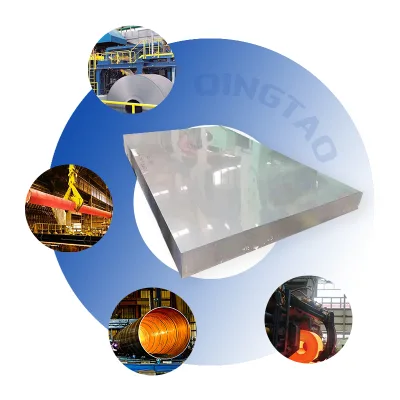
ASTM 304 310 316L 2.5mm 3mm Stainless Steel Sheet
$1200.00 - $1428.00
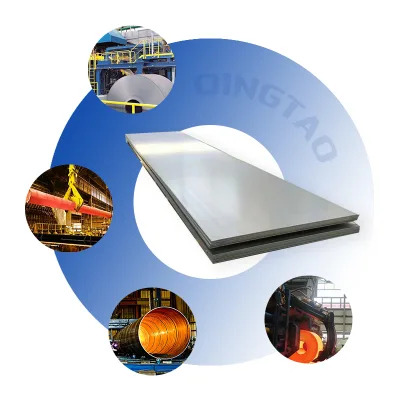
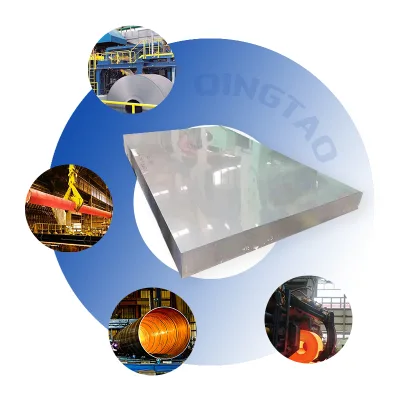
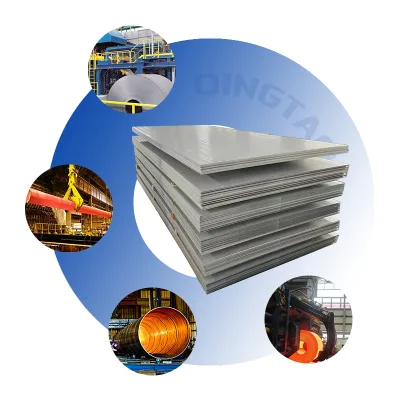
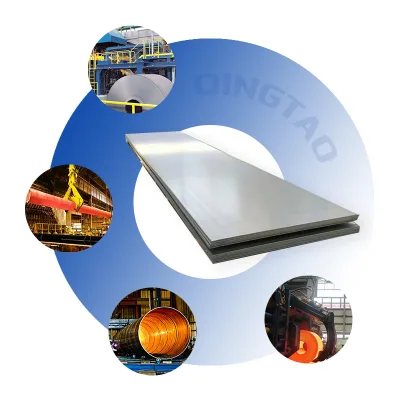
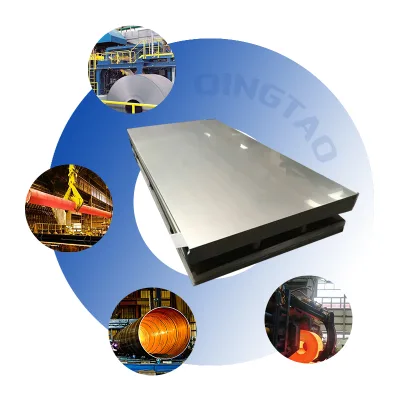

Foshan Zhengsan Stainless Steel Co., Ltd.
- Manufacturer/Factory
- China Guangdong
- Lead time23 days
- Avg. response≤ 18h
Main productsStainless Steel Coil, Stainless Steel Sheets/Plate, Stainless Steel Circle, Stainless Steel Tube, Stainless Steel Strips, Colorful Stainless Steel Sheets/Plate, Colorful Stainless Steel Pipe, Kitchenware&Cookware, Gn Pan, Kettle
Main marketsSouth America,Eastern Europe,Mid East,North America,Southeast Asia,Eastern Asia,Oceania,Western Europe,Africa
Tianjin Emerson Commercial And Trade Co., Ltd.
- Verified by SGS Group
- Manufacturer, Trading Company
- Lead time5 days
- Avg. response≤ 3h
Main productsWelding Fabrication, Laser Cutting Service, Steel Coil, Steel Plate, Steel Pipe
Main marketsOceania(30%), South America(20%), Southeast Asia(20%)
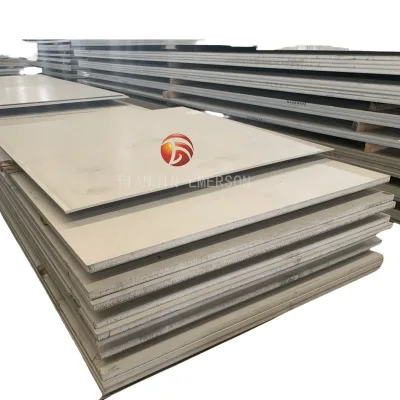
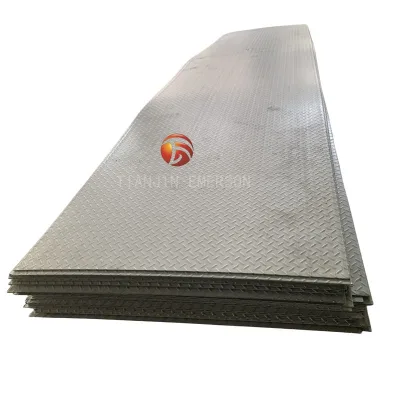
304 316 Stainless Steel Checkered Plate Embossed Stainless Steel Sheet
$2000.00 - $2142.00
MOQ: 1 tons

Tianjin Tiangang Weiye Steel Tube Co., Ltd.
- Verified by SGS
- Manufacturer/Factory
- China Tianjin
- Lead time15 days
- Avg. response≤ 13h
Main productsStainless Steel Pipe, Stainless Steel Plate, Stainless Steel Bar, Alloy Steel Pipe, Stainless Steel Coil, Low Temperature Pipe, Seamless Steel Pipe, Steel Plate, Copper Products, Nickel and Titanium Products
Main marketsSouth America,Eastern Europe,Mid East,North America,Southeast Asia,Eastern Asia,Oceania,Western Europe,Africa
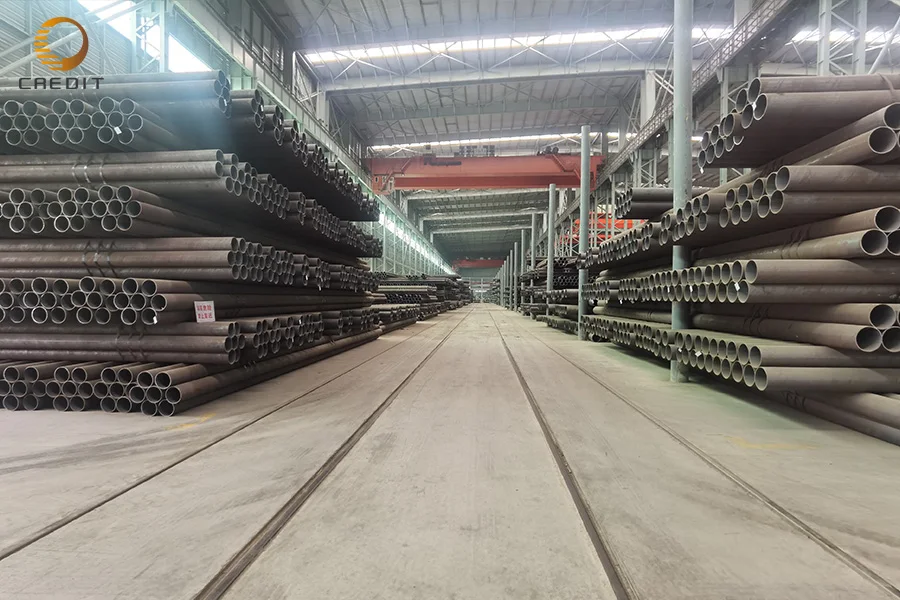
Guangdong Credit Supply Chain Co., Ltd.
- Trading Company
- Guangdong, China
- Lead time0 days
- Avg. response≤ 2h
Main productsSeamless Steel Pipe,Galvanized Steel Pipe,Welded Steel Pipe,Steel Coil,Steel Sheet
Main marketsDomestic Market(10.00%), South Asia(10.00%), Northern Europe(10.00%), Central America(10.00%), Eastern Asia(10.00%), Mid East(10.00%), Africa(10.00%), Southeast Asia(10.00%), South America(10.00%), North America(10.00%)
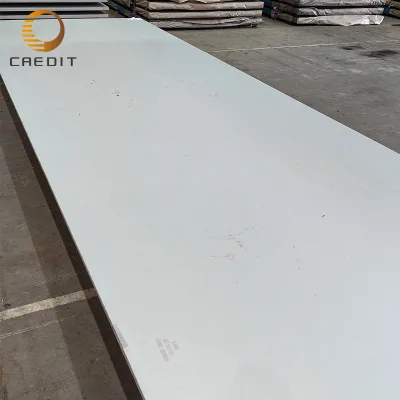
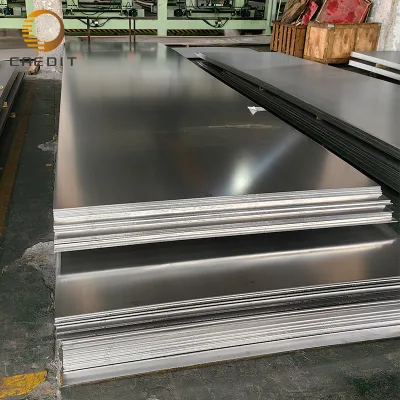
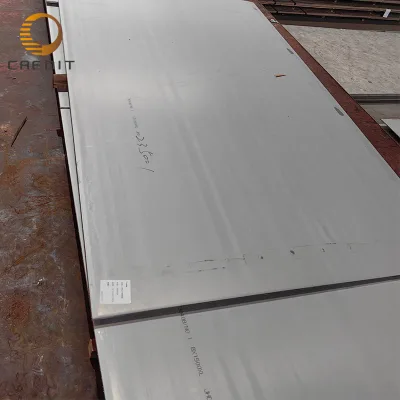
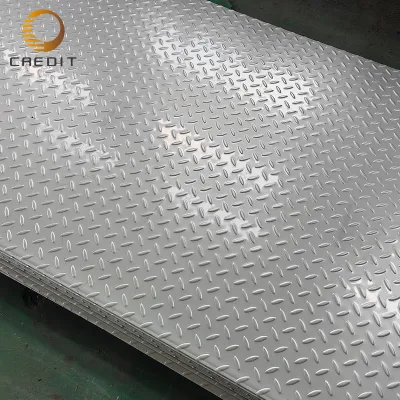
Stainless Steel Embossed Sheet AISI 302 Stainless Steel Cold Rolled Sheets
$2.95 - $4.45
MOQ: 1 kilograms

Liaocheng Hengjiude Mechanical Equipment Co., Ltd.
- Verified by BV
- Combined
- China Shandong
- Lead time15 days
- Avg. response≤ 2h
Main productsCarbon Steel Series, Stainless Steel Series, PPGI/PPGL, Rebar Series, Profile Steel Series, Alloy Series, Elbow/Flange Series, Copper Series, Aluminum Series
Main marketsDomestic

Stainless Steel Sheet ASTM 201 304 Stainless Steel Sheets 316 316L Stainless Steel Plate for Sale
$788.00 - $1888.00
MOQ: 1 Tons

201 202 Stainless Steel Sheets 304 316 Stainless Steel Sheet 304L 316L Stainless Steel Plate
$788.00 - $1888.00
MOQ: 1 Tons

$788.00 - $1888.00
MOQ: 1 Tons

Henan Longpeng Marine Metal Materials Co., Ltd.
- Trading Company
- Henan, China
- Lead time10 days
- Avg. response≤ 10h
Main productsCarbon Steel Plate,Stainless Steel Plate,profile steel,Alloy Steel Plate,steel customized
Main marketsSoutheast Asia(30.00%), Mid East(30.00%), Oceania(20.00%), South America(10.00%), Domestic Market(5.00%), Eastern Asia(5.00%)
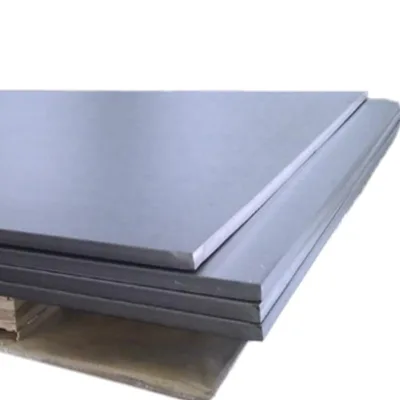
Astm Standard 201 304 316 Stainless Steel Embossed Sheet
$2580.00 - $2600.00
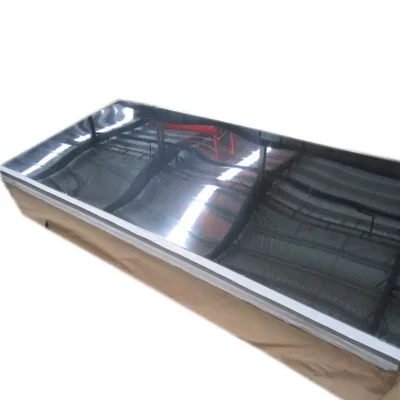
1.5mm 1.2mm 2B SS 304 304L BA Stainless Steel Sheet Price Per kg
$2180.00 - $2200.00
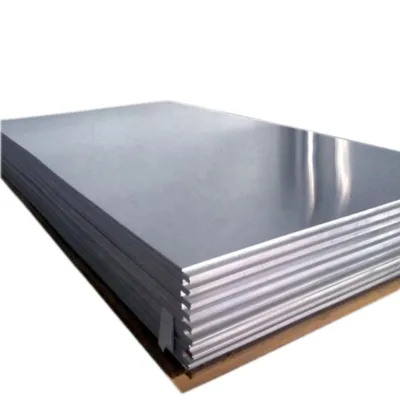
0.3mm to 40mm Thickness SS 321 Stainless Steel Medium Sheet/plate
$2780.00 - $2800.00

Shanghai Xudeng Industrial Co., Ltd
- Verified by SGS
- Combined
- China Shanghai
- Lead time15 days
- Avg. response≤ 1h
Main productsstainless steel
Main marketsSouth America
Jiangsu Tisco Industrial Co., Ltd.
- Verified by SGS Group
- Manufacturer, Trading Company
- Lead time7 days
- Avg. response≤ 5h
Main productsStainless Steel Sheet, Stainless Steel Pipe, Stainless Steel Bar, Stainless Steel Coil, Stainless Steel Profile
Main marketsMid East(30%), Southeast Asia(25%), Domestic Market(10%)

Liaocheng Jiujiang Machinery Manufacturing Co., Ltd.
- Verified by TUVRHEINLAND
- Combined
- China Shandong
- Lead time15 days
- Avg. response≤ 7h
Main productsBoiler Metal Parts, Stainless Steel Plate, Stainless Steel Coil, Stainless Steel Pipe, Casting Servise, Boiler Air Nozzle, Boiler Tube Screen
Main marketsDomestic,Australia,North America


Stainless Steel Sheet Metal 304 316 Stainless Steel Plate / 304 Stainless Steel Sheet 201 430 316
$6849.31 - $8291.27
MOQ: 1 Tons
Wuxi Qiuhe Technology Co., Ltd.
- Verified by SGS Group
- Manufacturer, Trading Company
- Lead time20 days
- Avg. response≤ 7h
Main productsStainless Steel Plate, Stainless Steel Pipe, Stainless Steel Bar, Stainless Steel Profile
Main marketsMid East(30%), Southeast Asia(20%), South America(5%)
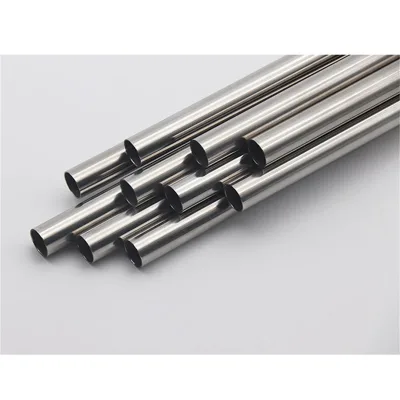
High Quality Stainless Steel Plate ASTM 316/316L/310/310S/310LN Stainless Steel Sheet Price
$0.90 - $1.20
MOQ: 1 kilograms
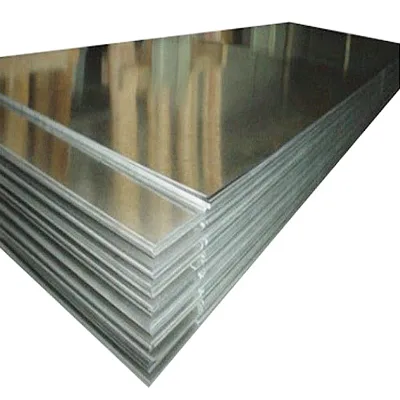
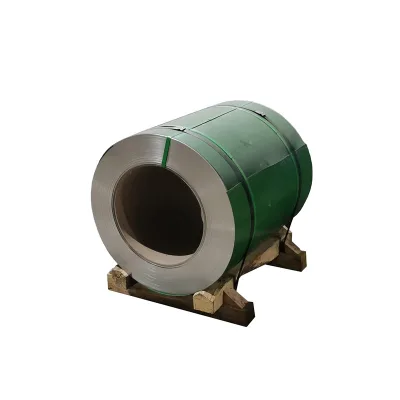
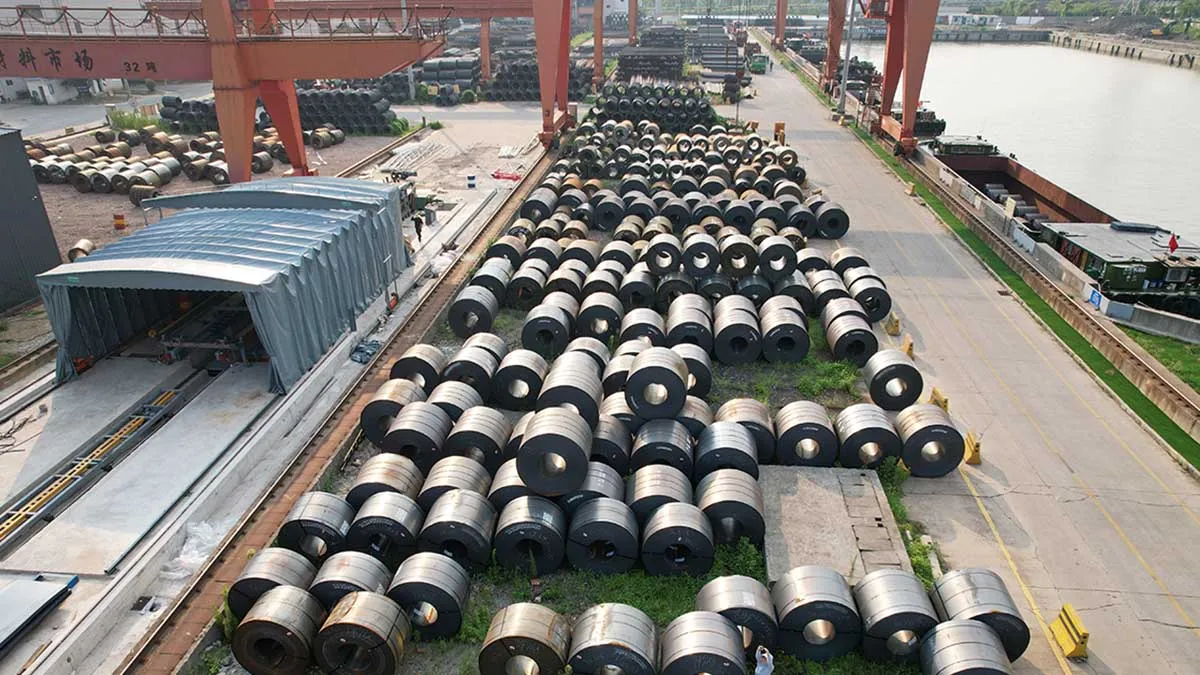
Shandong Gangshun Metal Product CO., Ltd.
- Trading Company
- Shandong, China
- Lead time10 days
- Avg. response≤ 2h
Main productsStainless Steel Pipe,Stainless Steel Sheet,Stainless Steel Bar,Stainless Steel Coil,Stainless Steel Strip
Main marketsSoutheast Asia(24.00%), South America(15.00%), Eastern Europe(12.00%), Africa(10.00%), Oceania(5.00%), Western Europe(5.00%), Southern Europe(5.00%), Central America(5.00%), Northern Europe(5.00%), Mid East(5.00%), South Asia(3.00%), Eastern Asia(3.00%), North America(3.00%)
- Manufacturer, Trading Company
- Jiangsu, China
- Lead time15 days
- Avg. response≤ 7h
Main productsNickel Alloy,Special Alloy,Stainless Steel,Super Stainless
Main marketsDomestic Market(30.00%), North America(20.00%), Eastern Asia(10.00%), Northern Europe(10.00%), Western Europe(5.00%), Southeast Asia(5.00%), Mid East(5.00%), South America(5.00%), Eastern Europe(5.00%), South Asia(1.00%), Southern Europe(1.00%), Oceania(1.00%), Central America(1.00%), Africa(1.00%)
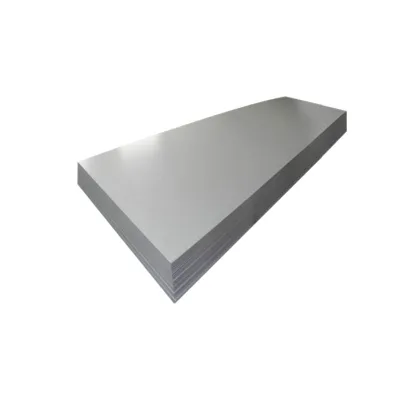
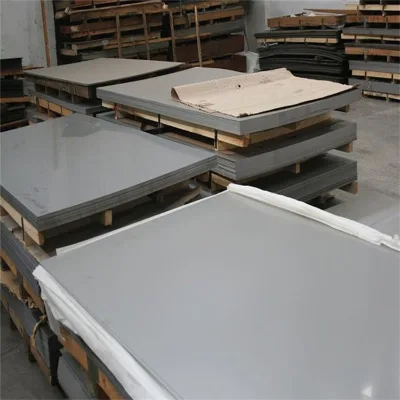
High Quality Thickness Stainless Steel Sheet 304 Stainless Steel Plate 12 mm Sus Steel Sheet
$21.99 - $60.09
MOQ: 500 kilograms
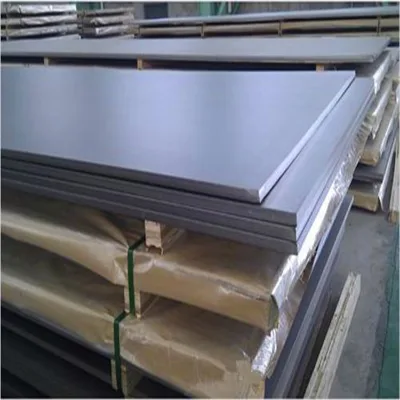
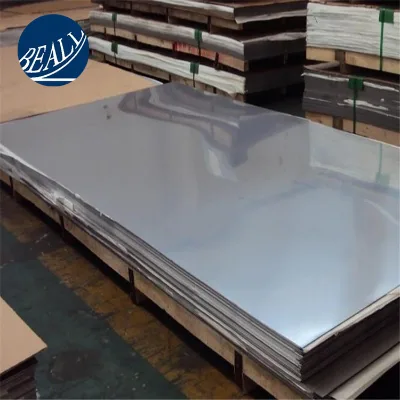
5 Star Company 316 Stainless Steel Coil Ss 304 Price Per Kg Stainless Steel Polishing Sheet Plate
$21.99 - $60.09
MOQ: 500 kilograms
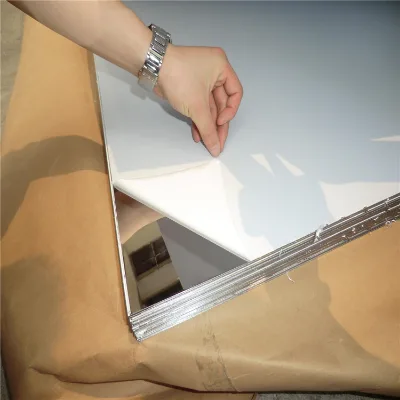
Stainless Steel Sheet 304 2b Grade 300 Series ,0.6 0.8 1.0 1.2 1.5mm
$21.99 - $60.09
MOQ: 500 kilograms

Shanghai Bozhong Metal Group Co., Ltd.
- Verified by TUVRHEINLAND
- Trading Company
- China Shanghai
- Lead time15 days
- Avg. response≤ 13h
Main productsStainless Steel, Nickel Alloy, Alloy and Carbon Steel
Main marketsSouth America,Southeast Asia/ Mideast,Europe
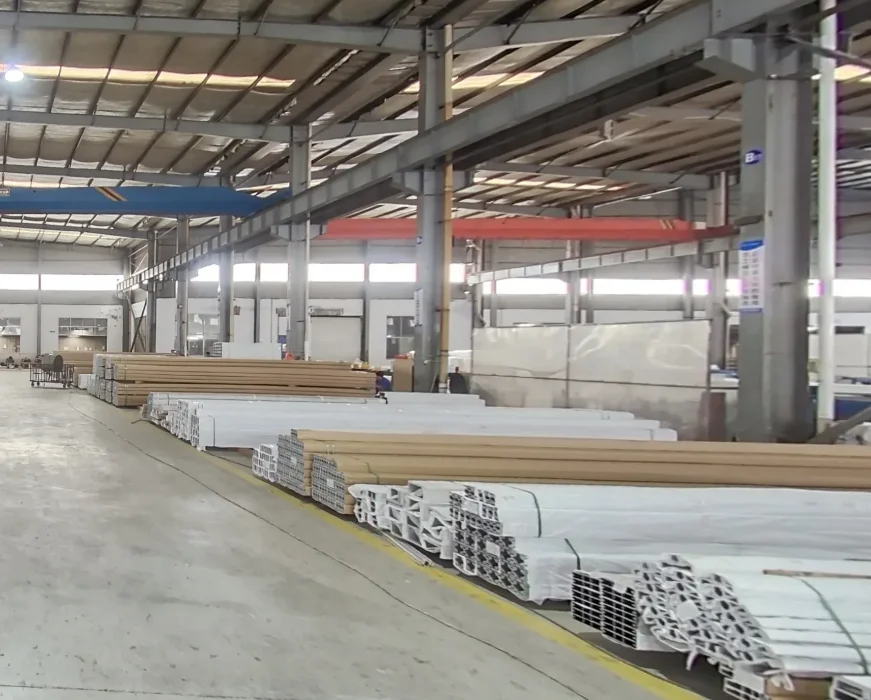
Shanxi Yobest Metal Products Co., Ltd.
- Trading Company
- Shanxi, China
- Lead time21 days
- Avg. response≤ 3h
Main productsMetal Building Materials,Hardware Products,Metal Materials
Main marketsNorth America(35.00%), Southeast Asia(15.00%), South America(15.00%), Eastern Europe(10.00%), Northern Europe(10.00%), Western Europe(10.00%), Oceania(5.00%)
- Verified by TüVRheinland
- Trading Company
- Lead time7 days
- Avg. response≤ 7h
Main productsCarbon Steel Coil, Galvanized Steel Coil, PPGI, Corrugated Roofing Sheet, Aluminum Coil
Main marketsAfrica(20%), Domestic Market(20%), Southeast Asia(18%)
- Manufacturer, Trading Company
- Liaoning, China
- Lead time15 days
- Avg. response≤ 2h
Main productsAluminized Steel,Aluminum Coil,Zn-Al-Mg Steel,Stainless Steel,Composite Steel Coil
Main marketsWestern Europe(25.00%), Mid East(20.00%), Central America(6.00%), Eastern Europe(6.00%), Southeast Asia(5.00%), Domestic Market(5.00%), South Asia(5.00%), South America(5.00%), Oceania(5.00%), Africa(5.00%), Eastern Asia(4.00%), Northern Europe(4.00%), Southern Europe(3.00%), North America(2.00%)
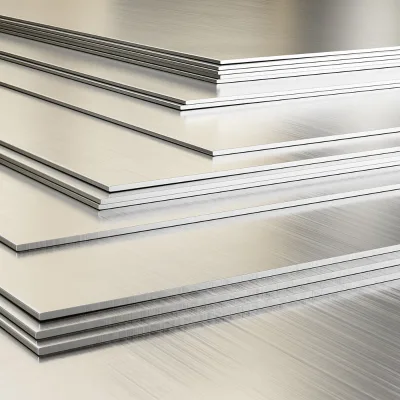
High Quality Brand 201 304 310S 316L 430 Grade Stainless Steel Plate Stainless Steel Sheet.mi
$1300.00 - $1400.00
MOQ: 5 tonnes
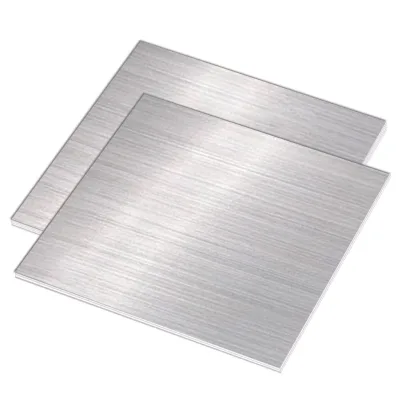
201/202/304/316/430 Finish Stainless Steel Sheets Low Price 1.2mm & 1.5mm Thick .mi
$1300.00 - $1400.00
MOQ: 5 tonnes

- Trading Company
- Shandong, China
- Lead time7 days
- Avg. response≤ 3h
Main productsSeamless Steel Steel, Galvanized Coil, PPGI, Carbon Steel, Aluminium
Main marketsSoutheast Asia(27.00%), Mid East(25.00%), Western Europe(10.00%), South America(8.00%), Domestic Market(7.00%), Northern Europe(5.00%), Eastern Asia(3.00%), North America(3.00%), Oceania(3.00%), South Asia(2.00%), Southern Europe(2.00%), Central America(2.00%), Eastern Europe(2.00%), Africa(1.00%)
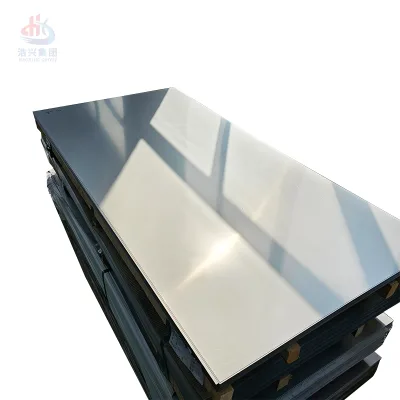
201 Decorative Golden Ba 0.2mm 304/304l/316/409/410/904l Ss400 Stainless Steel Sheet
$1195.5583 - $1299.5198
MOQ: 1

Foshan Huililai Metal Products Co., Ltd.
- Manufacturer
- Guangdong, China
- Lead time30 days
- Avg. response≤ 2h
Main productsStainless Steel Sheets/Coils,Decorative Stainless Steel Sheets,Stainless Steel Pipes/Tubes,Fabrication Services,Sheet Metal Fabrication
Main marketsDomestic Market(60.00%), Southeast Asia(13.00%), Mid East(11.00%), South Asia(8.00%), North America(2.00%), Oceania(2.00%), Eastern Europe(2.00%), Southern Europe(1.00%), Western Europe(1.00%)
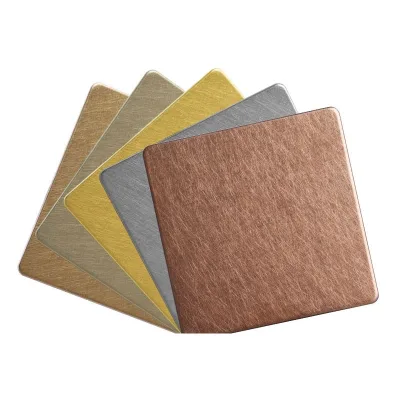
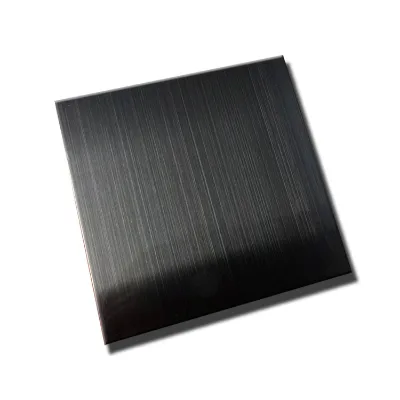
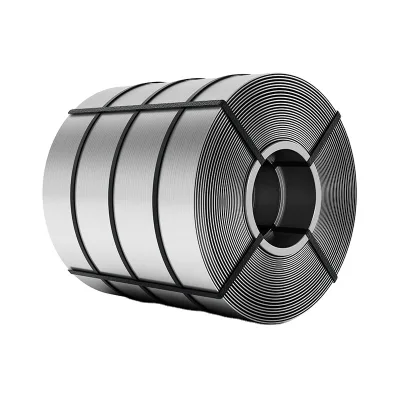
Hotsalemetal Pakistan hot rolled 304 stainless steel sheet price in coil supply in China
$504.00 - $638.00
MOQ: 1
Shandong Linghang Steel Group Co., Ltd.
- Verified by SGS Group
- Trading Company
- Lead time7 days
- Avg. response≤ 2h
Main productsStainless Steel Sheet, Stainless Steel Pipe, Stainless Steel Bar, Stainless Steel Coil, Stainless Steel Strips, Galvanized Coil, Galvanized Sheet, Galvanized Tube, Color Coated Coil
Main marketsSouth America(20%), Western Europe(20%), Mid East(20%)
Jiangsu Jinwei Stainless Steel Products Co., Ltd.
- Trading Company
- Jiangsu, China
- Lead time15 days
- Avg. response≤ 8h
Main productsStainless Steel Wire, Stainless Steel Bar, Stainless Steel Pipe, Stainless Steel Coil, Stainless Steel Stamping Parts
Main marketsDomestic Market(100.00%)
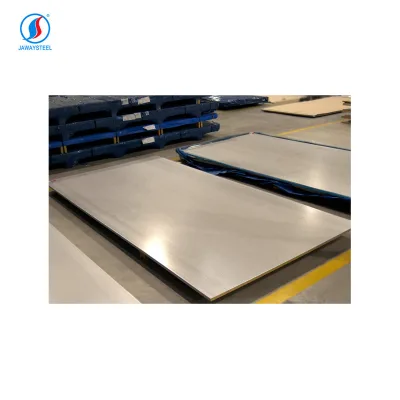
High Quality Grade 304 316 430 Price Stainless Steel Sheet Sus 304 304l Stainless Steel Plate
$1534.8736
MOQ: 1 Minimum
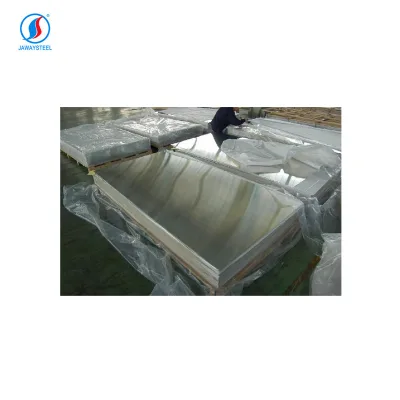
Stainless Steel Sheet/Plate 200/300/400 series 2B Finish
$1700.00 - $1800.00

Guangdong Grand Metal Material Co., Ltd.
- Combined
- China Guangdong
- Lead time30 days
- Avg. response≤ 4h
Main productsStainless Steel Sheet, Decorative Stainless Steel Sheet, Stainless Steel Coil, Color Stainless Steel Sheet, Etched Stainless Steel Sheet, Embossed Stainless Steel Sheet, Mirror Stainless Steel Sheet, Stamping Stainless Steel Sheet, PVD Color Stainless Steel Sheet, Polishing Stainless Steel Sheet
Main marketsEast Asia(Japan/ South Korea)


201 304 430 316 Stainless Steel Checkered Sheet Embossed Stainless Steel Sheet for Sale
$30.00 - $60.00
MOQ: 1 Pieces

Jiangsu Hengshuntai Steel Co., Ltd.
- Verified by SGS Group
- Trading Company
- Lead time10 days
- Avg. response≤ 2h
Main productsStainless Steel Sheet, Stainless Steel Bar, Stainless Steel Coil, Stainless Steel Pipe, Carbon Steel Products
Main marketsNorth America(18%), Eastern Europe(12%), Western Europe(12%)
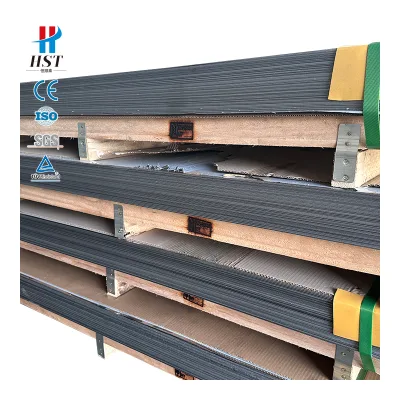
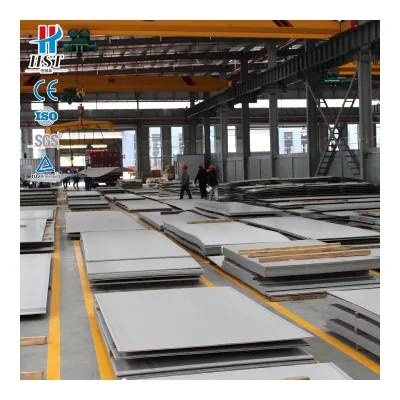
Aisi 201 304 316 Hot Sale Prime Quality Factory Manufacturer 304 304l Stainless Steel Sheets
$1000.00 - $1350.00
MOQ: 1
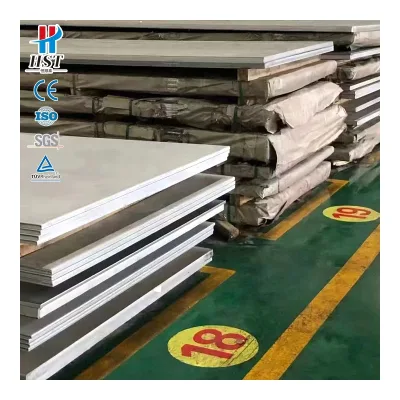

Liaocheng Haoshuntong Metal Materials Co., Ltd.
- Verified by SGS
- Trading Company
- China Shandong
- Lead time15 days
- Avg. response≤ 2h
Main productsRebar, Carbon Steel Products, Stainless Steel Products, PPGI, Galvanized Steel Products
Main marketsAfrica,Domestic


Stainless Steel 201 304 316 316L 430 Sheet Stainless Steel Sheet Customizable
$900.00 - $1500.00
MOQ: 5 Tons
- Verified by SGS Group
- Trading Company
- Lead time30 days
- Avg. response≤ 4h
Main productsSteel Pipe, Steel Plate, Steel Bar, Steel Coil, Aluminum Products
Main marketsSouth Asia(16%), Western Europe(15%), South America(12%)
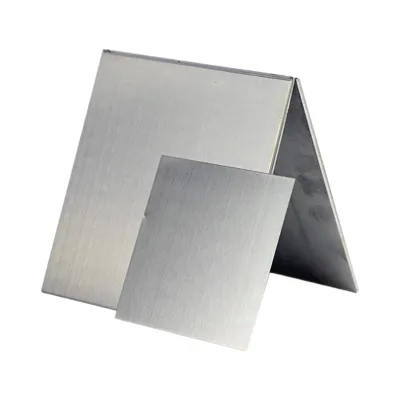
304 316 stainless steel sheet cold rolled stainless 4 x 8 ft price . 321 304 decorative stamped
$900.00 - $1500.00
MOQ: 1
$930.4836 - $1550.806
MOQ: 1 tons





Comprehensive Sourcing Guide
ASTM 304 Stainless Steel Sheet Supplier Concentration and Factory Types
The sourcing landscape for ASTM 304 Stainless Steel Sheet is characterized by a diverse mix of manufacturing entities and trading intermediaries, primarily concentrated in major industrial provinces. Current data indicates that suppliers are located in regions such as Jiangsu and Tianjin, which are known hubs for metal processing and distribution. These locations often host both direct manufacturers and trading companies, allowing buyers to access a wide range of product specifications and service levels. The presence of these geographic clusters suggests that logistics and supply chain efficiency are heavily influenced by the proximity of the supplier to raw material sources and shipping ports. Buyers should recognize that while some suppliers operate as factories with direct control over production, others function as trading companies that aggregate inventory from multiple sources. This distinction is critical because it affects not only the pricing structure but also the flexibility in customization and the ability to handle complex orders. Understanding the type of entity you are engaging with helps in setting realistic expectations regarding communication, technical support, and order fulfillment capabilities.
Company types vary significantly in their operational focus and capabilities, which directly impacts the sourcing strategy for ASTM 304 stainless steel sheets. Some suppliers are identified as manufacturers with established production lines, offering capabilities such as OEM and ODM services, while others are purely trading entities focused on distribution and sales. The main products listed by these suppliers often include a broad spectrum of steel products, such as stainless steel coils, pipes, plates, and bars, indicating that many suppliers are generalists rather than specialists. This breadth of product range can be advantageous for buyers seeking a single source for multiple material needs, but it may also dilute the depth of expertise in specific grades like 304. Additionally, some suppliers highlight their ability to produce various shapes and techniques, including cold-rolled and hot-rolled sheets, which adds to the complexity of the supplier evaluation process. Buyers must carefully assess whether the supplier’s primary focus aligns with their specific requirements for ASTM 304 sheets, ensuring that the supplier has the necessary capacity and expertise to deliver consistent quality and timely delivery.
How to Verify ASTM 304 Stainless Steel Sheet Suppliers
Verifying the credibility and capability of suppliers is a crucial step in the sourcing process for ASTM 304 stainless steel sheets. One of the primary methods of verification is checking for third-party certifications and system certifications that demonstrate compliance with international quality standards. For instance, some suppliers hold ISO 9001 and QC 080000 certifications, which indicate a structured approach to quality management and hazardous substance process control. Additionally, verification badges from reputable agencies like SGS can provide an extra layer of confidence in the supplier’s operational integrity and product quality. These certifications are not just formalities but serve as tangible evidence of the supplier’s commitment to maintaining high standards in production and service. Buyers should prioritize suppliers who display these certifications prominently, as they often correlate with better consistency in product specifications and fewer defects in the final output. It is also important to verify the authenticity of these certifications through the issuing bodies to ensure they are current and valid.
Beyond certifications, buyers should assess the supplier’s response time and verification status to gauge their reliability and professionalism. A quick response time, such as under five hours, can indicate a well-staffed and responsive customer service team, which is essential for addressing queries and resolving issues promptly. Some suppliers have been verified by third-party inspection agencies, which adds credibility to their claims about production capacity and quality control measures. Buyers should also look for suppliers who provide detailed product attributes, such as thickness, width, length, and surface finish options, as this transparency suggests a high level of operational maturity. Furthermore, checking the supplier’s main products and company type can help determine if they are a suitable match for your specific needs. For example, a trading company might offer a wider variety of products, while a manufacturer might provide more customization options. By combining these verification methods, buyers can build a comprehensive profile of each supplier, reducing the risk of engaging with unreliable partners.
What to Compare Across ASTM 304 Stainless Steel Sheet Suppliers
When evaluating multiple suppliers for ASTM 304 stainless steel sheets, it is essential to compare key operational metrics to identify the most suitable partner. Lead time is a critical factor, as it directly impacts your production schedule and inventory management. Some suppliers offer lead times as short as fifteen days, while others may require up to thirty days or more, depending on the order quantity and production capacity. Buyers should align their supplier selection with their project timelines, ensuring that the chosen supplier can meet delivery deadlines without compromising quality. Additionally, the minimum order quantity (MOQ) is another important consideration, as it affects the cost-effectiveness of the order. Some suppliers have an MOQ of just one unit, which is ideal for small-scale projects or testing, while others may have higher thresholds that require larger volume commitments. Understanding these constraints helps in planning the order size and budgeting accordingly, ensuring that the procurement process is efficient and cost-effective.
Response time and pricing are also vital aspects to compare across different suppliers. A faster response time, such as under five hours, can significantly enhance the communication process, allowing for quicker decision-making and problem resolution. Buyers should also compare the price ranges offered by different suppliers, as costs can vary widely based on factors such as raw material prices, production techniques, and market conditions. Some suppliers may offer competitive pricing for standard grades, while others might provide better value for customized or specialized products. It is important to note that the lowest price is not always the best option, as it may come with hidden costs or compromises on quality. Buyers should consider the total cost of ownership, including shipping, tariffs, and potential rework costs, when evaluating price quotes. By systematically comparing these metrics, buyers can make informed decisions that balance cost, quality, and service, ultimately leading to a more successful sourcing outcome.
Common ASTM 304 Stainless Steel Sheet Sourcing Risks
Sourcing ASTM 304 stainless steel sheets from international suppliers involves several risks that buyers must be aware of and mitigate. One of the primary risks is the variability in product quality, which can arise from differences in manufacturing processes and quality control measures. Even with certifications in place, there is a possibility that the actual product may not meet the specified standards, such as ASTM A240. This risk is heightened when dealing with trading companies that may not have direct control over the production process. Buyers should implement strict quality assurance protocols, including third-party inspections and sample testing, to ensure that the received goods match the agreed specifications. Additionally, the risk of delayed delivery is significant, as lead times can be affected by various factors such as raw material shortages, production bottlenecks, and logistical challenges. Buyers should maintain open communication with suppliers and have contingency plans in place to address potential delays.
Another common risk is the discrepancy in pricing and payment terms, which can lead to financial losses if not managed properly. Some suppliers may offer attractive initial quotes but introduce additional charges later, such as for packaging, shipping, or customs clearance. Buyers should ensure that all costs are clearly stated in the contract and that payment terms are secure, preferably using escrow services or letters of credit. Furthermore, the risk of intellectual property infringement or unauthorized use of brand names can occur if buyers are not careful in their supplier selection. It is important to verify the supplier’s legitimacy and ensure that they have the right to sell the products they offer. Buyers should also be cautious of suppliers who claim to have certifications or verifications that are not actually held, as this can lead to legal and reputational issues. By identifying and addressing these risks proactively, buyers can protect their interests and ensure a smooth sourcing process.
ASTM 304 Stainless Steel Sheet Regional Sourcing and Logistics
The regional location of suppliers plays a significant role in the logistics and cost structure of sourcing ASTM 304 stainless steel sheets. Suppliers located in provinces like Jiangsu and Tianjin benefit from established industrial infrastructure and proximity to major shipping ports, which can reduce transportation costs and lead times. These regions are known for their concentration of metal processing facilities, making it easier for buyers to access a wide range of products and services. However, buyers should also consider the logistical challenges associated with importing from these regions, such as customs clearance, documentation requirements, and potential delays due to port congestion. Understanding the local logistics landscape can help buyers plan their supply chain more effectively, ensuring that goods are delivered on time and in good condition. Additionally, buyers should evaluate the supplier’s experience in international shipping, as this can impact the efficiency and reliability of the delivery process.
Logistics planning also involves considering the packaging and handling of the stainless steel sheets to prevent damage during transit. Suppliers often use standard export packaging or customized solutions based on customer requirements, which can affect the overall cost and safety of the shipment. Buyers should ensure that the packaging is robust enough to protect the sheets from moisture, corrosion, and physical damage, especially for long-distance shipments. Furthermore, the choice of shipping method, whether by sea, air, or land, will influence the lead time and cost. Sea freight is typically more cost-effective for large volumes, while air freight may be necessary for urgent orders. Buyers should work closely with their suppliers and freight forwarders to optimize the logistics strategy, balancing cost and speed to meet their specific needs. By carefully managing regional sourcing and logistics, buyers can enhance the efficiency and reliability of their supply chain.
ASTM 304 Stainless Steel Sheet Commercial Terms and Order Planning
Effective order planning for ASTM 304 stainless steel sheets requires a thorough understanding of commercial terms and conditions. Buyers should negotiate clear terms regarding payment, delivery, and quality assurance to avoid disputes and ensure a smooth transaction. Payment terms can vary, with some suppliers requiring full payment upfront, while others may offer partial payments or credit terms for established customers. It is important to choose payment methods that provide security, such as escrow services, which hold the funds until the goods are received and verified. Delivery terms, such as Incoterms, should be clearly defined to specify the responsibilities of each party regarding shipping, insurance, and customs clearance. Buyers should also establish a quality assurance protocol that includes inspection rights and remedies for non-conforming goods, ensuring that they have recourse if the product does not meet the agreed standards.
Order planning also involves forecasting demand and managing inventory to avoid stockouts or excess inventory. Buyers should work with their suppliers to develop a reliable supply schedule, taking into account lead times, production capacity, and market fluctuations. Regular communication with suppliers is essential to stay informed about any changes in production or delivery schedules that may impact the order. Additionally, buyers should consider the total cost of ownership, including storage, handling, and potential rework costs, when planning their orders. By aligning their order planning with their production needs and market conditions, buyers can optimize their inventory levels and reduce costs. Furthermore, buyers should maintain a diversified supplier base to mitigate the risk of supply chain disruptions, ensuring that they have alternative sources in case of emergencies. This strategic approach to commercial terms and order planning helps buyers achieve greater stability and efficiency in their sourcing operations.
FAQs
What is the price range for ASTM 304 stainless steel sheets?
Prices for ASTM 304 stainless steel sheets typically range from $1500 to $2000 per metric ton. This range depends on specific thickness, surface finish, and order volume. Buyers should verify current market rates as steel prices fluctuate frequently based on raw material costs and global supply chain conditions.
What certifications are available for ASTM 304 stainless steel sheets?
Suppliers commonly provide certifications including AISI, ASTM, DIN, EN, GB, and JIS standards. Additional certifications like ISO, RoHS, and IBR may also be available depending on the manufacturer. Buyers should request specific test reports to ensure the material meets their project requirements and local regulatory standards.
What is the typical lead time for ASTM 304 stainless steel sheets?
Lead times generally range from 15 to 30 days after order confirmation. This duration depends on stock availability and production schedules. Some suppliers offer faster delivery for standard sizes, while custom orders or large volumes may require additional processing time. Buyers should confirm exact timelines before placing orders.
What is the minimum order quantity for ASTM 304 stainless steel sheets?
The minimum order quantity is often as low as one ton or even less for specific suppliers. This flexibility allows buyers to test quality before committing to larger volumes. However, smaller orders may incur higher per-unit costs. Buyers should check individual supplier terms to understand their specific MOQ requirements.
Where are ASTM 304 stainless steel sheets typically manufactured?
Most ASTM 304 stainless steel sheets are manufactured in China, specifically in regions like Jiangsu and Tianjin. These areas have established industrial clusters for steel production. Buyers should verify the exact origin to ensure compliance with import regulations and to assess shipping logistics and costs effectively.
What surface finishes are available for ASTM 304 stainless steel sheets?
Common surface finishes include 2B, BA, No.1, No.4, HL, and 8K. The choice depends on the intended application, such as architectural or industrial use. Buyers should specify their preferred finish to ensure the material meets aesthetic and functional requirements. Custom finishes may also be available upon request.