Source Stamping Die Flanged Bushing for Machinery, Industry, Hardware
Compare 30 verified listings for Stamping Die Flanged Bushing from Chinese manufacturers. Buyers can evaluate specifications, certifications, and pricing for machinery, industry, and hardware applications.
Key considerations
Products List




Comprehensive Sourcing Guide
Strategic Sourcing Guide for Stamping Die Flanged Bushings
Understanding Product Specifications and Manufacturing Processes
When sourcing stamping die flanged bushings, buyers must first distinguish between the specific manufacturing processes that define the component's structural integrity. The core keyword often implies a component used within high-precision tooling, yet the supply chain for such parts frequently encompasses a broader range of forging and machining capabilities. Based on available market data, the production of these components is heavily influenced by the chosen molding style and processing method. The most prevalent techniques observed in the current supply landscape include close die forging and open die forging. Close die forging is often associated with high-volume production of specific geometries, such as the "Close die forging parts 01" model, where precision is paramount. Conversely, open die forging, as seen in models like "Open Die Forging Parts in Ningbo," is typically utilized for larger, more complex shapes such as rings, shafts, and flanges.
The material composition is a critical specification that dictates the final application and durability of the bushing. Steel is the primary material observed in the current market listings for these components. The choice of steel grade is not arbitrary; it must align with the specific demands of the stamping die environment, which often involves high pressure and repetitive motion. Furthermore, the surface treatment and finishing processes play a vital role in the component's longevity. Polishing is a standard surface treatment observed, ensuring a smooth interface that reduces friction within the die assembly. In addition to polishing, specific surface painting options such as blue, yellow, and red are available, which may serve both aesthetic purposes and corrosion protection. Heat treatment is another essential process, with annealing and quenching being the two primary methods identified. Annealing is typically used to relieve internal stresses and improve machinability, while quenching is employed to increase hardness and wear resistance, a crucial factor for components subjected to the high impact of stamping operations.
Compliance, Certification, and Quality Standards
Navigating the compliance landscape for industrial hardware requires a rigorous verification of certifications and adherence to international standards. The presence of ISO 9001 certification is a recurring attribute in the supply data, with specific references to ISO 9001:2015 and ISO 9001:Forging. This certification indicates that the supplier maintains a quality management system that meets international benchmarks, which is essential for ensuring consistent production quality. However, buyers must verify that the certification is current and applicable to the specific forging or machining process being utilized for the flanged bushing.
In addition to quality management systems, product standards are a key area of verification. The market data references several standards, including SGS, AISI, and specific forging standards like "die forging" and "free forging ring, shaft, flange." The AISI standard, for instance, provides a framework for steel classification, which is directly relevant to the material selection of the bushing. Buyers should ensure that the supplier can provide documentation confirming that the steel used meets the specified AISI grade requirements. Furthermore, the concept of "Forging Tolerance" is explicitly mentioned in the data with a value of +/-0.2mm. While this specific tolerance is observed in certain listings, it should not be assumed as a universal standard for all suppliers. Instead, buyers must treat this as a benchmark for high-precision components and verify the actual tolerance capabilities of the specific supplier they are evaluating. The tolerance requirements for stamping die bushings can vary significantly based on the die's operational speed and the precision of the final stamped product.
Cost Drivers and Pricing Dynamics
The pricing structure for stamping die flanged bushings is influenced by a complex interplay of factors, including material costs, manufacturing complexity, and order volume. The observed price range in the market is extensive, spanning from $0.01 to $16,000 USD. This wide disparity reflects the diversity of products available, ranging from small, simple bushings to large, custom-engineered forging components. The lower end of the price spectrum likely corresponds to standard, off-the-shelf items with minimal customization, while the higher end encompasses complex, custom-designed parts that require significant engineering input and specialized tooling.
Order volume is a primary driver of cost efficiency. The Minimum Order Quantity (MOQ) observed in the market ranges from 1 piece to 1000 pieces. Suppliers that accept small orders, with an MOQ as low as 1 piece, offer flexibility for prototyping and low-volume production runs, though the unit cost may be higher due to the setup costs involved. Conversely, suppliers with higher MOQs often provide more competitive unit pricing, making them suitable for mass production scenarios. The customization level also significantly impacts cost. Products described as "Customized: as Per Drawings" or "Customization: Available" will inherently carry a higher price tag than standard items. This is due to the additional engineering time, tooling creation, and setup required to produce non-standard geometries. Buyers should carefully balance their need for customization against their budget constraints, understanding that bespoke solutions will always command a premium over standard inventory.
Typical Applications and Industry Use Cases
The versatility of stamping die flanged bushings is evident in their diverse application across various industrial sectors. The primary application identified in the market data is "Machinery Parts," indicating their fundamental role in mechanical assemblies. Within this broad category, these bushings are essential for maintaining alignment and reducing wear in stamping dies, which are critical tools in the manufacturing of metal components. The "Industry" application label further underscores their utility in heavy manufacturing environments where reliability is non-negotiable.
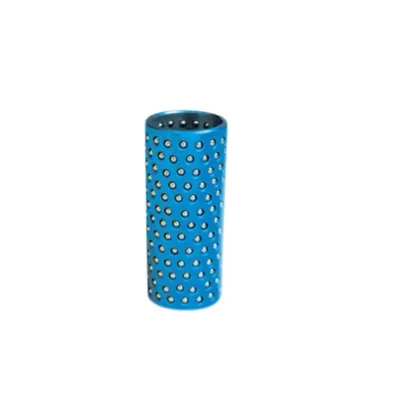
Specific product models highlight niche applications. For instance, the "Ball guide bush" suggests use in guiding mechanisms where smooth, linear motion is required. Similarly, the "Vehicle Mould" and "Hardware" applications point to the automotive and general hardware sectors as significant consumers of these components. In the automotive industry, flanged bushings are often used in suspension systems, engine components, and transmission assemblies, where they must withstand high loads and dynamic stresses. The "Hardware" application implies a broader use in general construction and manufacturing tools. The "Shaping Mode" of "Plastic Injection Mould" also appears in the data, suggesting that these bushings may be integrated into molds used for producing plastic parts, further expanding their utility beyond traditional metal stamping. Understanding these specific use cases allows buyers to better align their procurement strategy with the operational demands of their own production lines.
Supplier Evaluation and Geographic Considerations
Selecting the right supplier is a critical step in the procurement process, requiring a thorough evaluation of their capabilities, location, and operational flexibility. The geographic origin of the products is a significant factor, with the majority of observed listings originating from China. Specific regions mentioned include Zhejiang, Ningbo, and Guangdong. These regions are known for their robust manufacturing ecosystems, particularly in the metalworking and forging industries. Ningbo, for example, is highlighted as a hub for "Open Die Forging Parts," suggesting a concentration of specialized forging capabilities in that area.
When evaluating suppliers, buyers should look for evidence of "Small Orders: Accepted" and "Customization: Available." These attributes indicate a supplier's willingness to accommodate diverse client needs, from small-scale testing to large-scale production. The presence of a "Brand Name" such as "Z-TOP" or the absence thereof ("No Brand name") can also provide insight into the supplier's market positioning. Branded suppliers may offer more consistent quality assurance and after-sales support, while unbranded suppliers might offer more competitive pricing for generic parts. Additionally, the inspection process is a key differentiator. Suppliers that perform "100% before shipment" inspections demonstrate a commitment to quality control, reducing the risk of receiving defective components. Buyers should prioritize suppliers who can provide clear documentation of their inspection protocols and quality assurance measures.
Quality Control and Long-Term Procurement Strategy
Ensuring the long-term success of a procurement relationship requires a focus on quality control and sustainable supply chain practices. The observed "Inspection: 100% before shipment" attribute is a strong indicator of a supplier's dedication to quality. However, buyers should not rely solely on this claim; they must establish their own verification protocols, such as requesting third-party inspection reports or conducting random sampling upon receipt. The "Forging Tolerance" of +/-0.2mm serves as a useful benchmark for high-precision components, but buyers must confirm that the supplier can consistently meet this standard across all production batches.
Packaging is another often-overlooked aspect of quality control. The data mentions "Wooden Package After Mandatory Treatment" and "Wooden Package" as standard packing methods. These packaging choices are designed to protect the components during transit, preventing damage from moisture, impact, or corrosion. The "Mandatory Treatment" of wooden packaging suggests compliance with international phytosanitary standards, which is crucial for international shipments. Buyers should verify that their suppliers adhere to these packaging standards to avoid delays at customs or damage to the goods.
For long-term procurement, buyers should consider the "Delivery Time" and "Lead Time" as strategic factors. The observed delivery time of "3-15 Days" indicates a relatively quick turnaround for many suppliers, which is beneficial for maintaining lean inventory levels. However, for custom orders, lead times may extend significantly. Buyers should negotiate clear delivery schedules and build in buffer time for potential delays. Finally, the "Application" of the bushing in critical machinery parts means that any failure can lead to costly downtime. Therefore, establishing a relationship with a supplier who offers reliable after-sales support and consistent quality is essential for minimizing operational risks and ensuring the longevity of the stamping die assembly.
FAQs
What certifications do Stamping Die Flanged Bushing suppliers hold?
Suppliers typically hold ISO 9001 certification, including ISO 9001:2015 and ISO 9001:Forging standards. Some listings also reference SGS standards and AISI steel classifications to ensure material quality and process compliance for industrial applications.
How is the forging tolerance defined for these bushings?
The observed forging tolerance for these components is +/-0.2mm. This precision level applies to specific high-accuracy models like close die forging parts, ensuring they meet the strict alignment requirements of stamping die assemblies.
Can I order small quantities of custom flanged bushings?
Yes, small orders are accepted with a minimum order quantity as low as 1 piece. Customization is available based on drawings, allowing buyers to prototype or order low volumes without committing to large production runs immediately.
Which heat treatment processes are used for steel bushings?
Common heat treatment methods include annealing and quenching. Annealing relieves internal stresses to improve machinability, while quenching increases hardness and wear resistance, which is critical for components subjected to high impact in stamping operations.
What packaging options are available for shipping these parts?
Standard packaging includes wooden packages that undergo mandatory treatment to meet international phytosanitary standards. Alternative packing options are also available, ensuring the metal parts are protected from moisture and damage during transit to global destinations.
Where are the main manufacturing locations for these parts?
Manufacturing origins are primarily in China, with specific hubs in Zhejiang, Ningbo, and Guangdong. These regions host factories specializing in open and close die forging, offering a concentration of metalworking capabilities for industrial hardware components.
What is the typical delivery time for these forged parts?
The typical delivery time ranges from 3 to 15 days for standard orders. Lead times may vary for custom designs requiring specific tooling, but suppliers generally maintain a quick turnaround to support efficient production schedules.