Source Wastebasket Options for Home, Office, and Commercial Use
Explore 30 available Wastebasket listings featuring alloy construction and custom sizing. Compare specifications such as surface treatment, packaging, and MOQs to find suitable waste bins for various applications.
Key considerations
Products List
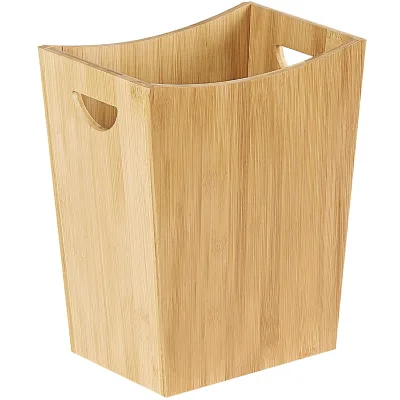


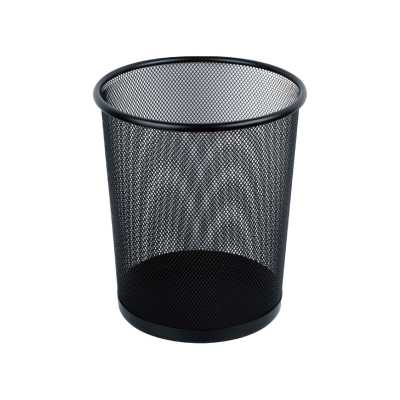


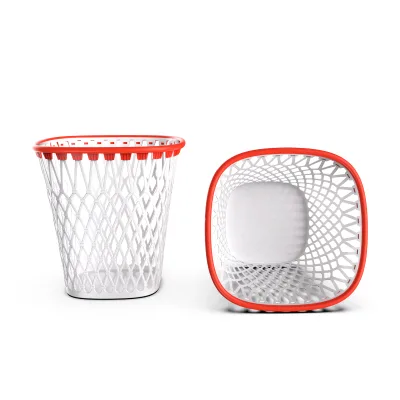
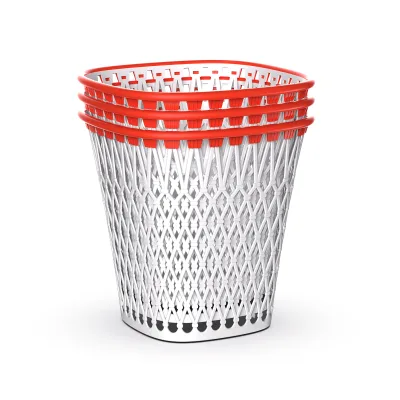


Wastebasket Biodegradable Bag Compostable Material Kitchen Garbage Bag
$1350.00 - $2000.00
MOQ: 3 Tons




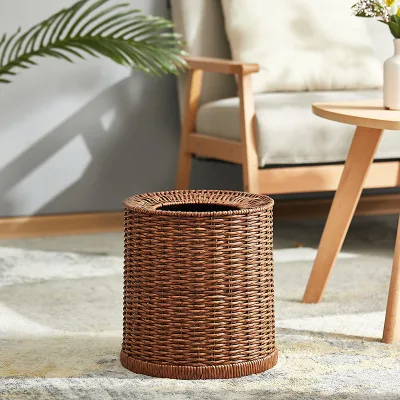


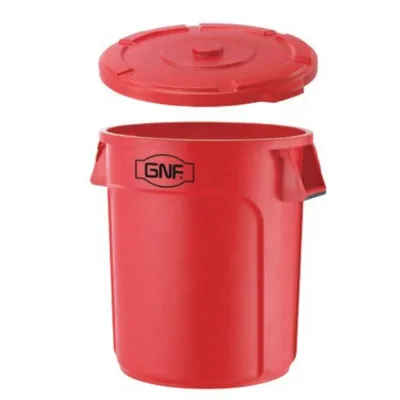
Comprehensive Sourcing Guide
Wastebasket Sourcing Guide
Sourcing waste bins and wastebaskets requires a clear distinction between consumer-grade household items and industrial-grade collection systems. The market presents a wide spectrum of products, ranging from small, decorative bins for office or home use to heavy-duty, specialized equipment designed for harsh environments. Buyers must first define the end-use context to avoid misalignment between product capabilities and operational needs. For instance, a lightweight alloy bin suitable for a corporate lobby differs significantly in material specification, structural integrity, and surface treatment from a robust unit intended for industrial waste management. Understanding this dichotomy is the foundational step in any procurement strategy, ensuring that the selected product aligns with both aesthetic requirements and functional durability.
The procurement landscape for these items is characterized by high variability in customization options and manufacturing processes. Suppliers often offer extensive customization, including size, color, and branding, which can complicate the evaluation of standard specifications. Buyers should recognize that "Wastebasket" is a broad term that may encompass everything from simple injection-molded plastic containers to complex CNC-milled metal assemblies. This diversity means that a single sourcing request may yield vastly different technical proposals. Therefore, establishing precise technical requirements early in the inquiry process is essential to filter out irrelevant suppliers and focus on vendors who possess the specific manufacturing capabilities, such as CNC milling or injection molding, required for the desired product quality.
Product Scope and Observed Listing Signals
The observed market signals indicate a significant divergence in product definitions, ranging from small, portable units to large-scale industrial machinery. Listings frequently describe items with conflicting attributes, such as a "2 Gallon Small Waste Basket" made from alloy with hydraulic power sources and a "Reverse Circulation Junk Basket" designed for mud and crude oil applications. This suggests that the term "Wastebasket" in online catalogs may be used loosely to describe various types of collection or containment devices. Buyers must carefully scrutinize product titles and descriptions to distinguish between consumer waste receptacles and industrial junk baskets or filtration units. Misinterpreting these categories can lead to ordering equipment that is either over-engineered for simple waste disposal or under-specified for demanding industrial tasks.
Packaging and physical dimensions further highlight the variability in the product scope. Observed data shows single package sizes as small as 10x8x6 cm for lightweight items, while other listings specify heavy-duty wooden case packaging for larger, more complex assemblies. The weight tolerance and dimensional tolerance claims, such as <±1mm for size and <±1% for weight, suggest a level of precision manufacturing that is more typical of industrial components than standard household bins. Buyers should use these signals to assess the sophistication of the supplier’s manufacturing capabilities. If a supplier claims tight tolerances and complex surface treatments like spray-paint on a simple bin, it may indicate a focus on high-precision metal fabrication rather than mass-produced plastic goods.
Technical Specifications to Verify
Material selection is a critical technical parameter that directly impacts the durability and application suitability of the Wastebasket. Suppliers may list materials ranging from standard alloys to specific grades like 4145H, which implies a need for high strength and toughness. Buyers must verify the exact material composition to ensure it meets the environmental demands of the installation site, whether that involves exposure to moisture, chemicals, or heavy loads. Additionally, the manufacturing process, such as CNC milling or injection molding, dictates the structural integrity and surface finish of the product. Understanding whether the item is formed through a compound die injection process or machined from solid stock helps buyers evaluate the potential for defects, such as warping or weak joints, and the overall lifespan of the unit.
Surface treatment and functional design are equally important technical considerations. Options like spray-paint coating provide corrosion resistance and aesthetic appeal, which are vital for products exposed to varying environmental conditions. Buyers should also assess the structural configuration, such as horizontal or fixed installation modes, and the presence of specific features like handles or multi-cavity mold designs. For industrial applications, the operation pressure and applicable medium, such as mud, water, or natural gas, are crucial specifications that must be verified against the operational environment. Confirming these details ensures that the Wastebasket or junk basket can withstand the mechanical and chemical stresses it will encounter during its service life.
Compliance and Safety Documentation
Certification requirements vary significantly depending on the intended market and application of the Wastebasket. Common certifications observed in the market include CE, RoHS, and ISO 9001 standards, which indicate adherence to European safety, environmental, and quality management principles. Buyers must verify which specific certifications are valid and current for the supplier, as these documents are essential for importing goods into regulated markets. For industrial applications, additional standards such as ISO 14001 for environmental management or specific industry standards like HASCO may be relevant. Ensuring that the supplier holds the necessary certifications protects the buyer from regulatory risks and ensures that the product meets baseline safety and quality expectations.
Safety and operational compliance also extend to the design and installation of the product. For items with complex mechanisms, such as those with hydraulic power sources or fixed installation requirements, buyers should request documentation related to operational safety and maintenance procedures. The presence of lifetime support services suggests a commitment to long-term reliability, but buyers should clarify the scope of this support to understand what is covered under warranty or service agreements. Additionally, verifying that the product design software, such as UG, is used for precise engineering can provide confidence in the product’s structural integrity. Buyers should ensure that all safety-related documentation is provided before finalizing orders to mitigate liability and operational risks.
Cost Drivers and Commercial Terms
The cost of wastebaskets is influenced by several key factors, including material grade, manufacturing complexity, and customization levels. Products made from specialized alloys like 4145H or those requiring CNC milling processes typically command higher prices due to the increased labor and equipment costs involved. Customization options, such as specific colors, sizes, or branding, can also add to the unit cost, as they often require separate production runs or additional setup time. Buyers should request detailed cost breakdowns to understand how these factors contribute to the final price, allowing for more accurate budgeting and comparison between different suppliers. Understanding these cost drivers helps in negotiating better terms and identifying areas where cost savings might be possible without compromising quality.
Commercial terms and payment methods play a significant role in the overall procurement strategy. Suppliers may offer various payment options, including L/C, T/T, Western Union, and PayPal, each with different implications for cash flow and risk management. Lead times, often cited around 30 days for production and 5 days for samples, must be factored into the supply chain planning to avoid delays. Minimum order quantities (MOQs) can range widely, from small batches for custom items to large volumes for standard products, affecting the initial investment required. Buyers should carefully review the mode of trade, such as EXW, FOB, or CIF, to determine who is responsible for shipping and insurance costs, ensuring that the total landed cost is accurately calculated.
Supplier Qualification and Quality Control
Evaluating supplier qualifications is essential to ensure consistent product quality and reliable delivery. Buyers should assess the supplier’s manufacturing capabilities, including their use of advanced design software and precision machining processes. A supplier’s ability to provide samples within a short timeframe, such as five days, can be a positive indicator of their operational efficiency and responsiveness. Additionally, verifying the supplier’s quality control processes, such as dimensional and weight tolerances, helps ensure that the products meet the specified standards. Buyers should request evidence of these controls, such as inspection reports or quality management system certifications, to confirm that the supplier can consistently produce items within the required specifications.
After-sales service and support are critical components of supplier qualification, particularly for complex or industrial-grade products. Suppliers offering lifetime support provide an added layer of security, but buyers should clarify the terms and conditions of this support to understand the extent of assistance available. The availability of OEM services indicates that the supplier is capable of producing custom-branded products, which can be valuable for companies looking to maintain brand consistency. Buyers should also consider the supplier’s experience in handling specific materials and processes, as this expertise can impact the final product quality. Establishing a clear communication channel with the supplier for ongoing support and issue resolution is vital for maintaining a successful long-term partnership.
Long-Term Procurement Checks
Continuous monitoring of supplier performance is necessary to maintain quality and reliability over time. Buyers should establish key performance indicators (KPIs) related to delivery times, product quality, and responsiveness to issues. Regular audits of the supplier’s quality control processes can help identify potential problems before they impact production. Additionally, staying informed about changes in industry standards and regulations ensures that the sourced products remain compliant with current requirements. Buyers should also evaluate the supplier’s ability to adapt to changing market conditions, such as fluctuations in material costs or shifts in demand, to ensure a stable supply chain.
Strategic relationship management with suppliers can lead to long-term benefits, including better pricing, priority production slots, and collaborative innovation. Building a strong partnership based on mutual trust and clear communication can enhance the overall procurement experience. Buyers should regularly review contract terms and performance metrics to ensure they align with business objectives. Furthermore, exploring opportunities for joint development or customization can lead to products that better meet specific operational needs. By maintaining a proactive approach to supplier management, buyers can mitigate risks and secure a competitive advantage in their respective markets.
FAQs
What customization options are available for a Wastebasket order?
Customization is available for this Wastebasket, including size, color, and design adjustments. More colors can be provided beyond the standard light yellow, and buyers can request custom dimensions. Customized orders typically follow the same production flow, with a sample prepared in about 5 days to confirm specifications before mass production begins.
How long does production and delivery take for a Wastebasket order?
Production lead time is about 30 days after order confirmation, while samples can be ready in roughly 5 days. Actual delivery time depends on the chosen shipping method and destination. Buyers can confirm exact schedules during inquiry, since complex customized designs may require slightly longer preparation before mass production starts.
What is the minimum order quantity for this Wastebasket?
The minimum order quantity is 1000pcs for this model. Smaller trial quantities may be possible by negotiating with the supplier, especially if ordering existing colors or standard sizes. Sample units can be requested separately before committing to full production, allowing buyers to verify quality, finish, and dimensions first.
Can I request a sample before placing a bulk Wastebasket order?
Yes, samples can typically be arranged within about 5 days. Requesting a sample lets you check the material, spray-paint finish, handle design, and overall build quality before bulk production. Sample costs and shipping fees should be confirmed with the supplier, and they may be deducted from a subsequent bulk order.
What packaging is used for shipping the Wastebasket?
Packaging options include bubble bags, opp bags, cotton paper, and wrapping paper, with wooden case packing available for certain industrial models. Inner packaging protects the surface finish during transit, while outer cartons are arranged for bulk shipments. Buyers with specific retail or export packaging requirements can discuss customized packing arrangements with the supplier.
Which payment terms are accepted for Wastebasket orders?
Accepted payment terms include L/C, T/T, Western Union, and PayPal. Larger orders commonly use T/T with a deposit and balance before shipment, while L/C suits buyers needing bank-backed assurance. Samples and small payments are often handled through PayPal or Western Union for speed and convenience.
How does the supplier handle quality control and tolerances?
Dimensional tolerance is controlled within plus or minus 1mm, and weight tolerance within plus or minus 1 percent. Machined components are produced using CNC milling with spray-paint surface treatment. Certifications such as CE, RoHS, and ISO 9001 are listed for relevant product lines, so buyers should request certificate copies applicable to their specific model.
Can Wastebasket products be shipped with different trade terms?
Yes, multiple trade terms are supported, including EXW, FOB, CIF, and DDU. EXW suits buyers arranging their own freight, while FOB and CIF cover ocean shipping arrangements from the port of loading. DDU provides delivery to the destination with the buyer handling import duties. Choose the term matching your logistics capability.