Source Stand Flip Tablet Case for iPad, Samsung, and Apple Devices
Find a Stand Flip Tablet Case tailored for various needs among 30 available options. Buyers can compare materials like EVA, leather, and silicone, along with features such as dirt resistance, anti-slip properties, and customization options from verified suppliers in Guangdong, China.
Key considerations
Products List

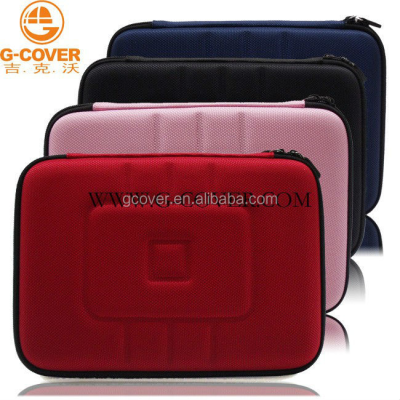
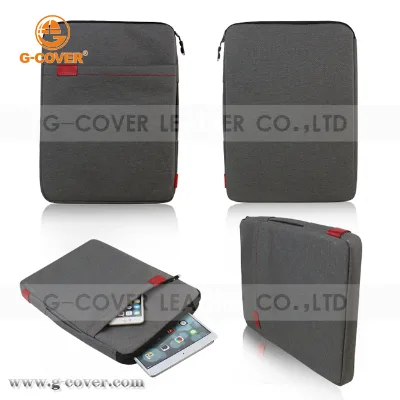


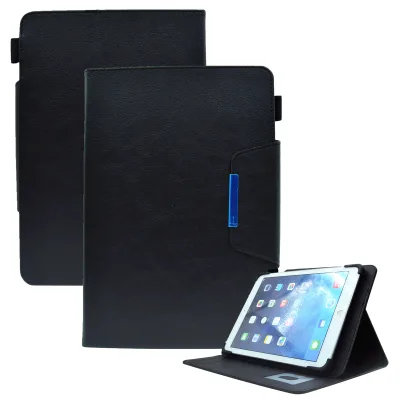


for Tab A9+ Rotating Kickstand Shoulder Strap Shockproof Silicone Tablet Case
$5.70 - $5.90
MOQ: 100 Pieces

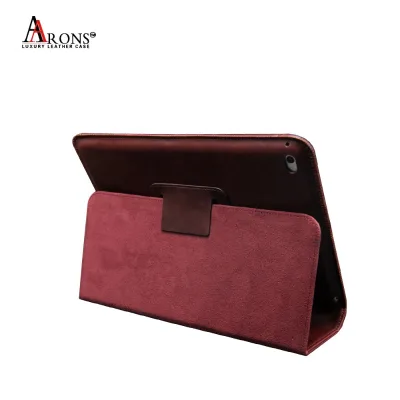
Comprehensive Sourcing Guide
Strategic Sourcing Guide for Stand Flip Tablet Cases
Understanding the Product Category and Core Specifications
The search term "Stand Flip Tablet Case" identifies a specific subset of protective accessories designed to offer both physical protection and functional versatility. In the current B2B market, these products are characterized by a dual-function design: a cover that folds to create a stand for viewing and typing, while simultaneously shielding the device from impact. Based on observed market data, the tablet case category encompasses a wide range of materials and structural designs. Buyers must recognize that the term "stand flip" implies a mechanical hinge or fold mechanism, which distinguishes these items from simple sleeves or hard shells.
The technical specifications for these cases vary significantly depending on the intended device size and material composition. Observed data indicates that sizes range from 9.7 inches to 12.9 inches, with specific models targeting the 11-inch and 10-inch form factors. The material composition is a critical differentiator, with suppliers offering options in PU leather, EVA (Ethylene Vinyl Acetate), Neoprene, and hybrid combinations involving Crystal, Silicone, or TPU. The hardness of the case is another vital specification; products are observed to range from "Partial Hard" to "Medium Soft," influencing the level of drop protection and the tactile feel of the product.
Furthermore, the functional attributes of these cases extend beyond basic protection. Market observations list functions such as dirt resistance, anti-slip properties, shock absorption, and the ability to withstand bumps, drops, and dust. Some variants are explicitly marketed as "Waterproof," while others are noted as "Not Waterproof," requiring buyers to verify this claim against their specific use-case requirements. The closure mechanism is also a key specification, with zipper closures being a common feature in sleeve-style variants, while flip cases typically utilize magnetic snaps or elastic bands to secure the cover when closed.
Material Selection and Functional Performance
Selecting the correct material is the first step in defining the quality and cost of a Stand Flip Tablet Case. The supply chain offers distinct material profiles, each with unique advantages and limitations. PU leather is frequently cited as a primary material, offering a balance of aesthetic appeal and durability. It is often associated with a "Simplicity" or "Modern" style and is available in colors such as Black, Beige, Blue, and Brown. This material is typically paired with a "Hardness" rating of "Partial Hard," suggesting a rigid outer shell that protects against scratches while maintaining a slim profile.
In contrast, EVA cases are highlighted for their shock-absorbent capabilities. These cases are often described as offering "Perfect Protection" against anti-bumps and drops. The EVA material allows for a "Vertical" style design, which is essential for the stand function. These cases are frequently packaged in PP bags and are noted for being dirt-resistant. The "Multi-color" availability in EVA variants allows for greater customization options for corporate branding or retail differentiation.
Neoprene represents another material category, often used for softer, more flexible protection. While Neoprene cases may not always feature a rigid stand mechanism in the same way as PU or EVA, they are valued for their water resistance and cushioning properties. However, buyers must note that some Neoprene or fabric-based cases are explicitly marked as "Not Waterproof," whereas other product listings claim "Waterproof" status. This discrepancy underscores the necessity for buyers to request specific test data or material certifications to confirm water resistance claims.
Hybrid cases that combine materials, such as Leather with Silicone or TPU, are also prevalent. These designs aim to merge the premium look of leather with the shock-absorbing properties of soft polymers. The "Hardness" for these hybrid models is often rated as "Medium Soft," providing a compromise between rigidity and flexibility. The choice of material directly impacts the "Function" of the case, determining whether it is suitable for high-impact environments or primarily for decorative and light-duty protection.
Customization, Branding, and Design Flexibility
One of the most significant advantages of sourcing stand flip tablet cases in the B2B sector is the high degree of customization available. The supply chain data confirms that "Customization" is a standard offering, with many suppliers explicitly stating that they "allow" custom orders. This flexibility extends to multiple aspects of the product, including logo printing, color selection, and packaging.
Logo printing is a common customization option, with suppliers offering the ability to add branding directly to the case surface. This is particularly relevant for corporate clients seeking to brand their tablet accessories for employees or for retailers looking to create private-label products. The "Style" of the case can also be tailored, with options ranging from "Simplicity" to "POPULAR, Simple, Modern, Fashionable." Buyers should verify the specific printing techniques available, such as screen printing, embossing, or laser engraving, to ensure the desired aesthetic is achievable.
Color customization is another critical factor. While standard listings show colors like Black, Gray, Beige, and Blue, the "Multi-color" attribute suggests that a broader palette is available upon request. This allows buyers to align the product with specific brand guidelines or seasonal trends. Additionally, the "Package" can often be customized, with standard options including PP bags, though premium packaging may be available for higher volume orders.
The "MOQ" (Minimum Order Quantity) for customized orders varies, with observed ranges starting as low as 10 units for some items but typically settling around 500 pieces for standard customization. Some listings indicate an MOQ of 1000 units, which may apply to more complex customizations or specific material requests. Buyers must negotiate these thresholds carefully, as they directly impact the initial capital outlay and inventory risk. The "Price" is often described as a "factory price," suggesting that direct sourcing can yield competitive rates, but the final cost will be heavily influenced by the volume and complexity of the customization.
Cost Drivers and Pricing Dynamics
Understanding the cost structure of stand flip tablet cases is essential for effective procurement planning. The observed price range in the market spans from $1.82 to $20.26 USD, a wide variance that reflects differences in material quality, manufacturing complexity, and customization levels. Several key factors drive these costs.
First, the material composition is a primary cost driver. Cases made from high-grade PU leather or hybrid materials with integrated shock-absorbing layers will command a higher price than basic EVA or Neoprene sleeves. The inclusion of a functional stand mechanism, particularly one that is robust and durable, adds to the manufacturing complexity and cost. Second, the level of customization significantly impacts the unit price. Orders requiring specific logo printing, unique color matching, or custom packaging will incur additional setup fees and higher per-unit costs compared to standard off-the-shelf items.
The MOQ is another critical determinant of cost. While some suppliers offer low MOQs of 10 units, the unit price for these small orders is likely to be at the higher end of the spectrum. Conversely, orders meeting or exceeding the typical MOQ of 500 pieces often benefit from economies of scale, resulting in a lower per-unit cost. Buyers should be aware that the "factory price" mentioned in listings is a baseline; final pricing will depend on the payment terms, shipping method, and the specific supplier's margin structure.
Payment terms also play a role in the overall cost of procurement. Common methods observed include Western Union, PayPal, and T/T (Telegraphic Transfer). Buyers should evaluate the security and convenience of these options, as well as any associated transaction fees. Additionally, the origin of the product, primarily Guangdong, China, influences logistics costs. While the region is a major manufacturing hub, shipping costs and lead times can vary based on the destination and the urgency of the order.
Supplier Evaluation and Compliance Verification
When sourcing stand flip tablet cases, rigorous supplier evaluation is paramount to ensure product quality and reliability. The market features a variety of brands, including G-COVER, OCCA, JUSTMUST, and PROUND, as well as OEM manufacturers. Buyers should not rely solely on brand names but must conduct due diligence on the manufacturing capabilities of the supplier.
Key areas of evaluation include the supplier's ability to meet quality standards and their track record for consistency. Buyers should verify the "prod_standard" and ensure that the products meet the required specifications for the target market. For instance, if a case is claimed to be "Waterproof," the supplier must provide evidence, such as test reports or certification documents, to substantiate this claim. Similarly, claims regarding "Dirt-Resistant" or "Anti-Slip" properties should be backed by performance data.
Compliance and certification checks are also essential. While specific certification names are not provided in the general data, buyers should request documentation related to safety standards, material safety, and environmental compliance. This is particularly important for products intended for use by children or in educational settings. Buyers should also verify the "prod_origin" to ensure the products are manufactured in the stated location, as this can impact shipping costs and lead times.
Supplier communication and responsiveness are additional factors to consider. A reliable supplier should be able to provide detailed product specifications, samples, and clear timelines for production and delivery. Buyers should assess the supplier's willingness to accommodate customization requests and their ability to handle large volume orders without compromising quality.
Quality Control and Long-Term Procurement Strategy
Implementing a robust quality control (QC) process is vital for maintaining product integrity in the Stand Flip Tablet Case market. Given the variability in materials and construction, buyers should establish clear QC criteria before production begins. This includes inspecting the "Hardness" of the case, the functionality of the stand mechanism, and the durability of the closure system.
For "Stand Flip" cases, the hinge mechanism is a critical point of failure. Buyers should test the cases for repeated opening and closing cycles to ensure the stand remains stable and the cover does not detach. The "Waterproof" claim, if applicable, should be verified through water resistance testing. Additionally, the quality of the "Logo Printing" should be assessed for clarity, adhesion, and resistance to fading or peeling.
Long-term procurement considerations involve building a sustainable relationship with suppliers. This includes negotiating favorable payment terms, securing consistent supply chains, and establishing clear communication channels. Buyers should also consider the "lead time" for production and shipping, as delays can impact inventory levels and sales. By maintaining a strategic approach to sourcing, buyers can ensure a steady supply of high-quality stand flip tablet cases that meet their specific market needs.
Summary of Key Specifications and Market Observations
To facilitate quick reference, the following table summarizes the key specifications and market observations for stand flip tablet cases based on the available data.
| Feature | Observed Range / Options | Notes |
|---|---|---|
| Material | PU, EVA, Neoprene, Leather, Hybrid (Silicone/TPU) | Varies by price point and protection level |
| Size | 9.7", 10", 11", 12.9", 13"+ | Match to specific tablet models |
| Hardness | Partial Hard, Medium Soft | Affects drop protection and feel |
| Waterproof | Yes / No | Must verify specific product claims |
| Style | Simplicity, Vertical, POPULAR, Modern | Influences aesthetic and functionality |
| MOQ | 10 - 1000 pcs | Typically 500 pcs for standard customization |
| Price Range | $1.82 - $20.26 USD | Depends on material and customization |
| Origin | Guangdong, China | Primary manufacturing hub |
| Customization | Logo Printing, Color, Packaging | Available on most listings |
By adhering to these guidelines and leveraging the provided data, buyers can make informed decisions when sourcing stand flip tablet cases, ensuring they meet the functional, aesthetic, and quality requirements of their target markets.
FAQs
Can I get logo printing on these tablet cases?
Yes, logo printing is available on many stand flip tablet cases. Suppliers typically offer this customization for corporate branding or retail differentiation, though minimum order quantities often apply to cover setup costs.
What materials are commonly used for these cases?
Common materials include PU leather, EVA, Neoprene, and hybrid combinations of leather with silicone or TPU. Each material offers different hardness levels and protection features ranging from simple dirt resistance to shock absorption.
Which tablet sizes do these cases support?
These cases support various sizes including 9.7 inches, 10 inches, 11 inches, and 12.9 inches. Buyers must verify the specific model number or size specification to ensure compatibility with their Apple, iPad, or Samsung devices.
How does the hardness of the case affect protection?
Hardness ranges from partial hard to medium soft, influencing drop protection and tactile feel. Partial hard cases offer rigid scratch protection, while medium soft hybrid designs balance flexibility with impact resistance for better shock absorption.
Are these cases waterproof for outdoor use?
Waterproof status varies by product; some listings claim waterproof features while others are explicitly not waterproof. Buyers should verify specific material claims and request test data before assuming protection against water damage.
What is the typical minimum order quantity for customization?
Minimum order quantities typically range from 10 to 1000 pieces depending on the supplier and customization level. Standard custom orders often start around 500 pieces, while complex requests may require higher volumes to justify production costs.
Where are these tablet cases primarily manufactured?
Most stand flip tablet cases are manufactured in Guangdong, China. This region is a major hub for such accessories, offering competitive factory prices but requiring buyers to account for specific shipping lead times and logistics.