Source Standard Headlight Turn Signal Switch for Cars, Trucks, and Motorcycles
Find 22 verified listings for the Standard Headlight Turn Signal Switch suitable for cars, trucks, and motorcycles. Buyers can compare model numbers, certifications, and packaging options to select the right replacement part for repair or OEM needs; compare the available evidence and request quotations based on your requirements.
Key considerations
Products List


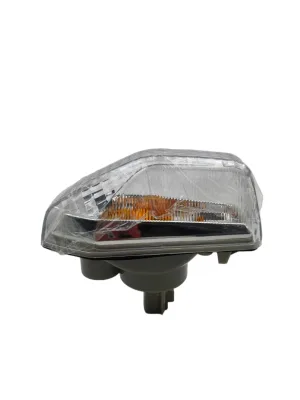
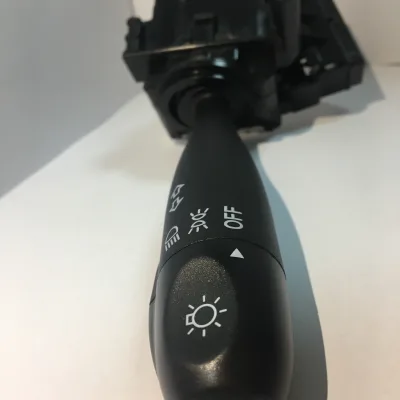
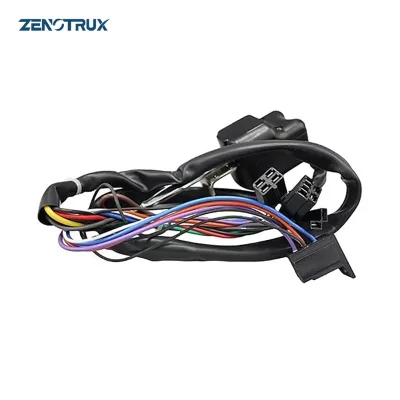
Auto Parts Turn Signal Switch for Headlamp Dimmer Switch 2009-2011 96806619
$1.00 - $100.00
MOQ: 100 Pieces





Comprehensive Sourcing Guide
Standard Headlight Turn Signal Switch Sourcing Guide
Procuring standard headlight turn signal switches requires a disciplined approach to aligning component specifications with vehicle electrical systems. Buyers must prioritize verification of mechanical contact types and voltage ratings to ensure seamless integration with existing wiring harnesses. The observed market data indicates a wide range of model numbers, such as Jx-Bz-7058 and Opt-Da-7015, suggesting that generic part numbers often mask specific functional differences. Sourcing teams should treat these identifiers as unique observation points rather than universal standards, ensuring that each switch matches the precise operational requirements of the target assembly line or repair market.
Commercial terms in this category frequently involve customization options and varying packaging standards, which directly impact logistics and inventory management. The presence of attributes like "Customization: Available" and "Non-Customized" highlights the need for clear communication regarding design modifications. Buyers should evaluate whether off-the-shelf solutions meet immediate needs or if tailored engineering support is required for long-term projects. Understanding these commercial nuances helps in negotiating favorable terms, particularly when dealing with suppliers who offer flexible packaging from white boxes to neutral packages, thereby reducing overhead costs associated with storage and handling.
Product Scope and Observed Listing Signals
The current market landscape for turn signal switches reveals a diverse array of product configurations, ranging from mechanical contact types to specialized brake light switches. Listings often include specific model identifiers like JK3021 and SH-MP-MEA-238, which serve as critical reference points for quality assurance. Buyers should note that while many products are labeled for general car replacement, some are explicitly designed for motorcycle applications, as indicated by certifications like CCC and ISO9001 for motorcycle lights. This distinction is vital for preventing misapplication errors that could lead to system failures or safety hazards in the final assembled vehicle.
Packaging and origin data provide additional insights into supplier capabilities and logistical expectations. Products originating from Shanghai or marked with standard dimensions like 402020cm suggest a focus on efficient bulk shipping and standardized handling procedures. The variation in packaging, from simple white boxes to complex carton pallets, reflects different supplier strategies regarding product protection and presentation. Procurement teams must assess these logistical signals to determine the total cost of ownership, including potential expenses for repackaging or specialized storage solutions, ensuring that the physical attributes of the switches align with warehouse management systems.
Technical Specifications to Verify
Verifying technical specifications is paramount when sourcing turn signal switches, particularly regarding voltage compatibility and housing materials. The observed data points to a standard 12V operating voltage, which is typical for many automotive applications, but buyers must confirm this for each specific model to avoid electrical mismatches. Additionally, the mention of plastic iron housing and mechanical structure types indicates a focus on durability and resistance to environmental factors. Sourcing teams should request detailed material specifications to ensure that the switches can withstand the thermal and mechanical stresses associated with frequent use in varying weather conditions.
Model numbers and standard dimensions serve as essential verification tools for ensuring physical compatibility with existing vehicle architectures. Listings such as Jx-EV-7002 and Opt-P-7014 come with specific packaging standards, which can hint at the internal component layout and connector types. Buyers should cross-reference these dimensions with their vehicle’s switch housing to guarantee a precise fit without requiring extensive modification. Furthermore, understanding the working type, whether mechanical or electronic, is crucial for diagnosing potential failure modes and planning maintenance schedules, ensuring that the selected switches offer reliable performance throughout their intended lifespan.
Compliance and Safety Documentation
Compliance with regional safety standards is a non-negotiable aspect of sourcing automotive electrical components. The presence of certifications such as CE, CCC, and ISO9001 in the market data indicates that some suppliers adhere to rigorous quality management systems. Buyers must verify that the specific switches intended for their market meet all local regulatory requirements, as non-compliant parts can lead to significant legal and liability issues. It is essential to request valid certification documents directly from the supplier, ensuring that the certificates are current and applicable to the specific product models being procured, thereby mitigating risks associated with regulatory audits or product recalls.
Safety documentation also extends to the functional reliability of the switches, particularly in critical applications like brake lights and turn signals. The observation of products labeled as "Brake Light Switch" or "Stop light switch" underscores the importance of verifying the switching mechanism’s response time and durability. Buyers should inquire about testing protocols and quality control measures that suppliers employ to ensure consistent performance. Understanding the certification scope helps in assessing the supplier’s commitment to safety, ensuring that the components not only meet legal standards but also provide the necessary reliability for safe vehicle operation under diverse driving conditions.
Cost Drivers and Commercial Terms
Cost drivers in the turn signal switch market are influenced by factors such as customization levels, packaging complexity, and order volume. The observed MOQ range of 1 to 1000 units suggests flexibility for both small-scale repairs and large-scale manufacturing projects. Buyers should analyze how customization requests impact pricing, as tailored solutions often incur higher engineering and setup costs. Additionally, the variety in packaging, from simple boxes to palletized shipments, affects logistics expenses. Understanding these variables allows procurement teams to negotiate better terms, balancing upfront costs with long-term savings in inventory management and supply chain efficiency.
Commercial terms also encompass warranty provisions and after-sales support, which are critical for managing risk in B2B transactions. The standard 12-month warranty observed in the market provides a baseline for supplier accountability, but buyers should seek to extend or clarify these terms for high-volume orders. Clear definitions of warranty coverage, including what constitutes manufacturing defects versus misuse, are essential for avoiding disputes. Furthermore, understanding the supplier’s return policies and technical support availability can significantly reduce downtime in production lines, ensuring that any defective units are replaced promptly without disrupting the overall manufacturing schedule.
Supplier Qualification and Quality Control
Supplier qualification involves a thorough assessment of manufacturing capabilities and quality control processes. Buyers should prioritize suppliers who demonstrate consistent adherence to standards like ISO9001, as this indicates a structured approach to quality management. The diversity in model numbers and packaging standards suggests that some suppliers may operate as trading companies rather than manufacturers. To mitigate this risk, procurement teams should request evidence of direct manufacturing capabilities, including facility audits and production line inspections. This due diligence ensures that the switches meet the required quality benchmarks and reduces the likelihood of receiving substandard products.
Quality control measures should be explicitly defined in the purchase agreement, covering aspects such as incoming material inspection and final product testing. Buyers should inquire about the supplier’s defect rate targets and corrective action procedures for non-conforming products. The observation of various certifications and standards in the market highlights the importance of verifying that these claims are substantiated by actual testing data. Establishing clear quality expectations and regular performance reviews helps in maintaining a reliable supply chain, ensuring that the turn signal switches consistently meet the functional and safety requirements of the end application.
Long-Term Procurement Checks
Long-term procurement success depends on continuous monitoring of supplier performance and market trends. Buyers should establish key performance indicators (KPIs) related to delivery times, product quality, and responsiveness to technical queries. Regular audits and feedback loops help in identifying potential issues before they escalate, fostering a collaborative relationship with suppliers. The dynamic nature of the automotive parts market, with frequent updates in model numbers and standards, requires procurement teams to stay informed about industry developments. This proactive approach ensures that the supply chain remains agile and capable of adapting to changing vehicle designs and regulatory requirements.
Sustainability and ethical sourcing practices are increasingly important considerations in long-term procurement strategies. Buyers should evaluate suppliers’ commitments to environmental standards and responsible manufacturing processes. The observation of various packaging materials and origins suggests opportunities to optimize logistics and reduce carbon footprints. By integrating sustainability metrics into supplier evaluations, companies can enhance their brand reputation and comply with evolving corporate social responsibility goals. Continuous improvement initiatives, driven by data-driven insights and strategic partnerships, enable organizations to build a resilient and efficient supply chain for critical automotive components like turn signal switches.
FAQs
What is the warranty period for standard headlight turn signal switches?
The standard warranty period is 12 months. This coverage applies to new condition units intended for replacement or repair purposes. Buyers should verify specific terms with the supplier to ensure the warranty aligns with their regional requirements and usage conditions.
Can standard headlight turn signal switches be customized for specific vehicles?
Customization is available for many standard headlight turn signal switches. Suppliers offer options to tailor specifications to particular vehicle models or operational needs. Buyers should confirm the extent of customization, including packaging and model number adjustments, before placing orders.
What certifications are required for standard headlight turn signal switches?
Common certifications include CCC, ISO9001, ISO, and CE. These ensure compliance with safety and quality standards for automotive components. Buyers must verify that the specific switch model holds the necessary certifications for their target market and regulatory environment.
What is the typical MOQ for standard headlight turn signal switches?
The minimum order quantity typically ranges from 1 to 1000 units. Some suppliers may require a minimum of 100 units for certain models. Buyers should check the specific MOQ for their chosen model number and packaging type to plan inventory effectively.
Where are standard headlight turn signal switches typically manufactured?
These switches are often manufactured in China, with Shanghai being a common origin point. Buyers should verify the exact production location to assess logistics costs and lead times. Origin details are crucial for import regulations and supply chain transparency.
What voltage do standard headlight turn signal switches operate at?
Standard headlight turn signal switches typically operate at 12V. This voltage is standard for most automotive applications. Buyers should confirm the voltage rating matches their vehicle's electrical system to ensure proper functionality and prevent damage to the switch or wiring.