Source Standing Seam Snap Lock Machine for Roof Wall Floor
Compare 30 Standing Seam Snap Lock Machine listings from China. Evaluate specifications like 0.3-0.8mm thickness, PLC control, and hydraulic forming speeds to find suitable roll formers for roofing and wall cladding projects; compare the available evidence and request quotations based on your requirements.
Key considerations
Products List


Snap Lock Portable Standing Seam Metal Roofing Roll Forming Machine
$8000.00 - $15000.00
MOQ: 1 Pieces

Joint Hidden Roll Forming Machine China Standing Seam Forming Machine Snap Lock Forming Machine
$15000.00 - $20000.00
MOQ: 1 Pieces


Metal Stand Snap Lock Roofing Machine Standing Seam Roll Forming Machine
$4750.00 - $4890.00
MOQ: 1 Pieces

Snap Lock Sheet Roll Forming Machine Standing Seam Panel Roll Forming Machine
$5900.00 - $8900.00
MOQ: 1 Pieces

Portable Metal Snap Lock Standing Seam Roofing Sheet Roll Forming Machine
$4860.00 - $4960.00
MOQ: 1 Pieces

Low Noise 360 Self Lock Making Machine Hardware Standing Seam Roll Forming Machine
$4850.00 - $4970.00
MOQ: 1 Pieces
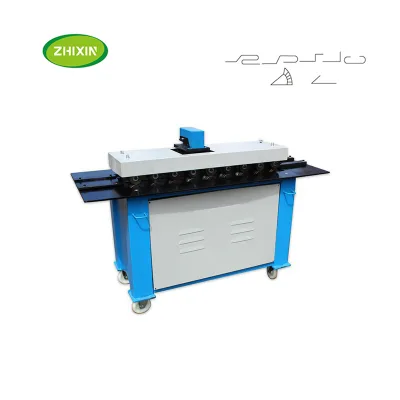


Hot Sale Metal Snap Lock Standing Seam Roll Forming Machine for Roofing Sheet
$10000.00 - $12000.00
MOQ: 1 Sets


Comprehensive Sourcing Guide
Standing Seam Snap Lock Machine Sourcing Guide
Procuring a Standing Seam Snap Lock Machine requires a disciplined approach to evaluating industrial roll forming equipment. Buyers must prioritize machines that align with specific production needs, focusing on material compatibility and forming precision. The core keyword highlights a specialized category of machinery designed for creating secure, watertight roof and wall panels. Understanding the mechanical nuances of these systems is essential for ensuring long-term operational efficiency and product quality in construction projects.
This guide provides evidence-based insights into sourcing these machines, drawing from observed market data and technical specifications. It covers critical aspects such as technical verification, compliance documentation, and commercial terms. By adhering to these structured procurement steps, buyers can mitigate risks associated with equipment failure, non-compliance, or mismatched production capabilities. The focus remains on actionable verification steps rather than speculative claims, ensuring a robust foundation for investment decisions in industrial manufacturing infrastructure.
Product Scope and Observed Listing Signals
The observed market for standing seam roll forming machines reveals a distinct price range of $800 to $30,000 USD, indicating significant variation in machine capabilities and build quality. Most listings show a minimum order quantity (MOQ) of one unit, suggesting that these machines are typically sold as individual industrial assets rather than bulk commodities. This pricing structure allows buyers to select equipment that matches their specific budget and production volume requirements, from basic models to high-end automated systems.
Product attributes indicate that these machines are generally new and customizable, with options for tailored coil widths and thicknesses ranging from 0.30mm to 0.8mm. The raw materials used, such as PPGI and GI sheets, are standard for roofing and cladding applications. Buyers should note that customization is available, allowing for adjustments in forming steps and design types, such as middle plate welded structures. This flexibility ensures that the machine can be adapted to specific project requirements, enhancing its versatility in diverse construction environments.
Technical Specifications to Verify
Verifying the technical specifications of a Standing Seam Snap Lock Machine is crucial for ensuring optimal performance. Key attributes include the machine frame, which is often constructed from 350# H steel for durability, and the roller material, typically 45# steel with surface hard chromium plating. These materials contribute to the machine's longevity and precision in forming panels. Buyers should confirm the number of forming steps, which can range from 13 to 15, depending on the panel design, to ensure the machine meets the required structural integrity for the intended application.
The hydraulic system and power requirements are also critical technical aspects. The main machine power is often around 5.5 kW, with hydraulic power at 4 kW, operating on a 380V/50Hz/3-phase voltage supply. The work speed typically ranges from 10 to 20 meters per minute, depending on the model and configuration. Buyers must verify these specifications to ensure compatibility with their existing power infrastructure and production timelines. Additionally, the cutting mechanism, often hydraulic guide pin cutting, should be assessed for precision and reliability to maintain consistent panel lengths.
Compliance and Safety Documentation
Compliance with international standards is a fundamental requirement for sourcing standing seam roll forming machines. Certifications such as ISO and CE are commonly observed, indicating adherence to quality management and safety regulations. Buyers should request documentation to verify these certifications, ensuring that the machine meets the necessary legal and safety requirements for operation in their target markets. This verification process helps mitigate risks associated with non-compliant equipment, which could lead to operational disruptions or legal liabilities.
Safety features and operational protocols are integral to the machine's design and functionality. The control system, often a PLC, should be evaluated for its ease of use and reliability in managing complex forming processes. Buyers must ensure that the machine includes adequate safety guards and emergency stop mechanisms to protect operators during high-speed operations. Additionally, the machine's packing, whether plastic or wooden case, should be assessed to ensure safe transportation and storage, preventing damage during transit and maintaining the machine's condition until installation.
Cost Drivers and Commercial Terms
The cost of a Standing Seam Snap Lock Machine is influenced by several factors, including material quality, customization options, and technological features. Machines with higher-grade steel rollers, advanced PLC control systems, and customizable forming steps tend to be more expensive. Buyers should analyze the price range of $800 to $30,000 USD to understand the value proposition of different models. It is essential to balance initial costs with long-term operational efficiency, considering factors such as maintenance requirements and production speed.
Commercial terms, including payment methods, delivery schedules, and after-sales support, play a significant role in the procurement process. Buyers should negotiate clear terms regarding warranty periods, spare parts availability, and technical support services. The observed MOQ of one unit suggests flexibility in purchasing, but buyers should also consider the total cost of ownership, including installation, training, and potential downtime. Transparent communication with suppliers regarding these terms helps ensure a smooth procurement experience and minimizes unexpected expenses.
Supplier Qualification and Quality Control
Supplier qualification is a critical step in sourcing standing seam roll forming machines. Buyers should assess suppliers based on their manufacturing capabilities, quality control processes, and track record in the industry. Suppliers located in regions like Botou, Hebei, China, are known for producing such machinery, but buyers must verify their credentials and reputation. Requesting references or case studies from previous clients can provide insights into the supplier's reliability and the performance of their machines in real-world applications.
Quality control measures should be rigorously evaluated to ensure that the machine meets specified standards. Buyers should inquire about the testing procedures conducted before shipment, including functional tests and safety checks. The use of high-grade materials, such as 45# steel for rollers and shafts, should be verified through material certificates. Additionally, buyers should consider the supplier's ability to provide customization and after-sales support, which are essential for addressing any issues that may arise during installation or operation.
Long-Term Procurement Checks
Long-term procurement checks involve monitoring the machine's performance and maintenance needs over its operational lifespan. Buyers should establish a routine maintenance schedule to inspect critical components such as rollers, shafts, and hydraulic systems. Regular maintenance ensures that the machine continues to operate efficiently and produces high-quality panels. Buyers should also keep a record of spare parts usage and replacement cycles to anticipate future maintenance needs and budget accordingly.
Feedback from operational staff and performance metrics should be regularly reviewed to identify any areas for improvement. Buyers should assess the machine's consistency in producing panels with the required thickness and width, as well as its overall speed and reliability. Continuous evaluation helps in making informed decisions about potential upgrades or replacements. By maintaining a proactive approach to procurement and maintenance, buyers can maximize the return on investment and ensure the long-term success of their roofing and cladding projects.
FAQs
What is the typical forming speed of a Standing Seam Snap Lock Machine?
The typical forming speed ranges from 10 to 20 meters per minute depending on the specific model configuration. This operational rate allows for efficient production of roof and wall panels. The hydraulic transmission system ensures consistent performance during continuous operation. Buyers should verify the exact speed rating for their chosen machine model to align with production targets.
Can the machine handle different coil widths and thicknesses?
Yes, the machine supports coil widths of 1000mm or as required by the buyer. It accommodates material thicknesses ranging from 0.30mm to 0.8mm. This flexibility allows for processing various PPGI and GI sheet raw materials. Customized specifications are available to meet specific project requirements for panel dimensions and material grades.
What certifications are standard for these roll forming machines?
Standard certifications typically include ISO and CE compliance for safety and quality assurance. Some models may also carry SGS certification depending on the manufacturer. These certifications ensure the machinery meets international operational standards. Buyers should request specific certification documents to verify compliance with their local regulatory requirements before purchase.
How is the machine packed for international shipping?
The machine is usually packed in wooden cases with plastic film coverage to prevent damage. Some suppliers offer nude packing with plastic film protection for cost efficiency. The standard dimensions for packaging are approximately 6.5 by 1 by 1.3 meters. Proper packing ensures the equipment arrives safely at the destination port without structural damage.
What is the power consumption of the main motor?
The main machine typically uses a 5.5 kW motor, often sourced from reputable brands like Shanghai Lichao. Some configurations may utilize two 5.5 kW sets for enhanced performance. The hydraulic power system generally requires an additional 4 kW. The standard voltage is 380V at 50Hz for three-phase power supply compatibility.
Which materials are used for the rollers and shafts?
Rollers are made from high-grade 45# steel with surface hard chromium plating for durability. Shafts are also constructed from 45# steel with a diameter of 75mm. The cutter material is typically Cr12 for precise cutting operations. These robust materials ensure long service life and consistent panel quality during high-speed forming processes.