Source Start Stop AGM Car Battery for Cars, Boats, and EVs
Find and compare 28 Start Stop AGM Car Battery options tailored for automotive, marine, and electric power applications. Evaluate key specifications such as CCA, weight, and shelf life to identify the right maintenance-free lead-acid solution for your sourcing needs.
Key considerations
Products List


12V 70ah Battery Start-Stop AGM Auto/Automotive Start-Stop Battery Car Battery
$45.00 - $55.00
MOQ: 50 Pieces


High-Performance AGM Car Starter Battery for Engine Start-Stop Systems
$96.00 - $100.00
MOQ: 10 Pieces


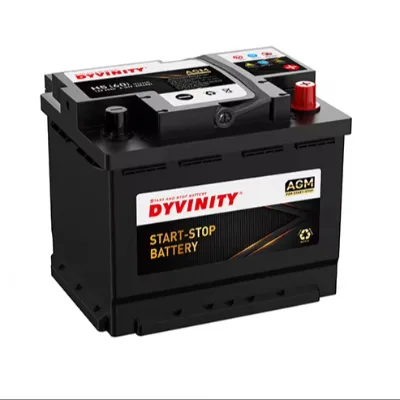


Starting Automotive Battery Car Engine AGM 6-Qtf-80 12V 80ah Start Stop AGM Battery
$60.00 - $70.00
MOQ: 100 Pieces


High Quality 12V 105ah AGM Start Stop Battery for Vehicle Car Automotive
$80.63 - $86.39
MOQ: 50 Pieces

Comprehensive Sourcing Guide
Start Stop AGM Car Battery Sourcing Guide
Sourcing start-stop AGM car batteries requires a nuanced understanding of both the specific electrochemical architecture and the rigorous commercial terms that govern automotive-grade power storage. Unlike conventional flooded lead-acid batteries, Absorbent Glass Mat (AGM) technology is engineered to handle the frequent, high-current discharge cycles inherent in modern engine start-stop systems. Buyers must recognize that this technology is not merely a variation of standard battery design but a distinct category with unique performance characteristics, including enhanced cycle life, superior vibration resistance, and faster recharge capabilities. The procurement process demands careful attention to technical alignment between the battery’s specifications and the vehicle’s electrical system, ensuring that the selected unit can withstand the thermal and electrical stresses of urban driving conditions without premature failure.
The global supply chain for these components is dominated by manufacturers in China, where production scales are optimized for both OEM and aftermarket distribution. Procurement teams must navigate a landscape where product variations are extensive, ranging from different physical dimensions to varying Cold Cranking Amps (CCA) and Reserve Capacity (RC) ratings. It is critical to approach supplier listings with a verification mindset, treating observed attributes as data points that require cross-referencing with technical datasheets rather than accepting them as universal guarantees. This guide provides a structured framework for evaluating start-stop AGM batteries, focusing on technical verification, compliance documentation, cost analysis, and long-term quality assurance to mitigate procurement risks and ensure operational reliability.
Product Scope and Observed Listing Signals
The market for start-stop AGM batteries presents a diverse array of models, each tailored to specific vehicle classes and electrical demands. Observed listings indicate a wide range of physical dimensions, with standard sizes such as L315W175H190mm, L353W175H190mm, and L278W175H190mm being common configurations. These dimensions correspond to specific battery models like AGM, VRL5 92-H8, and VRL3 70-H6, respectively. Buyers must verify that the physical footprint of the selected battery matches the tray dimensions of the target vehicle, as even minor discrepancies in length or height can prevent proper installation or secure mounting. The presence of multiple model numbers suggests that suppliers offer a portfolio of solutions, requiring buyers to map their vehicle requirements to the correct technical specification rather than relying on generic product titles.
Performance metrics observed in listings vary significantly, reflecting the different power demands of various automotive applications. For instance, CCA ratings range from 726A to 935A, while Reserve Capacity (RC) values span from 100 minutes to 160 minutes. These variations are not arbitrary but are directly linked to the battery’s internal plate surface area and electrolyte volume. Additionally, weight differences, observed between 18.7 kg and 27.0 kg, serve as a proxy for the amount of active material within the cell, which directly influences energy storage and cranking power. Buyers should treat these numerical values as indicative of the specific model’s capability rather than assuming all AGM batteries in a supplier’s catalog share identical performance levels. Understanding these signals allows for more precise matching of battery specifications to vehicle electrical loads, reducing the risk of under-specification or over-procurement.
Technical Specifications to Verify
The electrical architecture of start-stop AGM batteries is defined by specific charging and discharging behaviors that differ from traditional lead-acid units. Verified attributes indicate that these batteries typically operate with a constant voltage charging profile and a constant resistance or constant current discharging type, depending on the specific model and application. The working voltage range is observed between 1.5V and 1.1V per cell, with a rated voltage of 12V for the complete unit. Charging voltage specifications are critical, with observed ranges between 1.45V and 1.5V, ensuring that the battery is fully charged without causing excessive gassing or water loss. Buyers must verify that their vehicle’s alternator and voltage regulator are compatible with these charging parameters to prevent undercharging, which can lead to sulfation, or overcharging, which can degrade the AGM mat and shorten battery life.
The physical and chemical construction of these batteries also requires careful verification. The electrolyte is described as acid-based, contained within a maintenance-free type design that utilizes glass mat separators to immobilize the acid. This construction contributes to the battery’s ability to withstand deep discharge cycles and vibration, which are common in start-stop applications. Terminal types, such as the Ap terminal observed in some listings, must be matched to the vehicle’s cable connectors to ensure secure electrical contact. Furthermore, the discharge rate is noted as low, which is typical for AGM batteries designed for high-current bursts rather than sustained deep discharge. Buyers should confirm that the battery’s shape, described as flat, and its installation method, fixed, align with the vehicle’s mounting system to prevent movement during operation, which could damage the internal components or the vehicle’s chassis.
Compliance and Safety Documentation
Certification and safety standards are paramount when sourcing automotive batteries, as they ensure that the product meets international regulatory requirements for safety and environmental impact. Observed certifications include ISO, RoHS, and CE, which indicate compliance with specific quality management, hazardous substance restriction, and European conformity standards. However, buyers must verify the validity and scope of these certifications, as they may apply to the manufacturing process rather than the specific battery model. It is essential to request current certification documents and confirm that they are issued by accredited bodies. The presence of ISOCE certification in some listings suggests a combination of quality and conformity standards, but buyers should clarify whether this refers to ISO 9001 for quality management or other relevant automotive standards.
Environmental and handling regulations also play a significant role in the procurement of lead-acid batteries. The wet shelf life of these batteries varies, with observed ranges from 2 to 3 years for some models and 5 to 8 years for others, indicating differences in storage stability and self-discharge rates. Buyers must ensure that the batteries they procure are within their shelf life to guarantee optimal performance upon installation. Additionally, the packing specifications, such as by carton box then onto pallet or by pallet then onto pallet, must be verified to ensure safe transportation and storage. Proper packaging is crucial to prevent damage to the battery terminals and casing during transit, which could lead to leaks or safety hazards. Buyers should also confirm that the supplier adheres to local regulations regarding the transportation of hazardous materials, including acid-containing batteries, to avoid logistical delays or legal issues.
Cost Drivers and Commercial Terms
The pricing of start-stop AGM car batteries is influenced by a variety of factors, including raw material costs, manufacturing complexity, and order volume. Observed price ranges in USD span from 22.54 to 100, reflecting the diversity of models and specifications available in the market. Higher prices are typically associated with batteries that offer higher CCA ratings, longer reserve capacities, or specialized features such as enhanced cycle life or specific terminal configurations. Buyers should analyze the cost per unit of performance, such as cost per ampere of CCA, to determine the true value of each battery model. It is important to note that the lowest price may not always represent the best value, as it could indicate compromises in material quality or manufacturing standards.
Minimum Order Quantities (MOQ) and payment terms are critical commercial considerations that impact the overall procurement strategy. Observed MOQ ranges from 10 to 500 units, allowing for flexibility in order sizes depending on the buyer’s inventory needs and cash flow constraints. Buyers with smaller volume requirements may face higher per-unit costs due to the fixed costs of production and logistics, while larger orders may benefit from economies of scale. Additionally, the availability of OEM services, described as available and free in some listings, can be a significant cost driver for buyers seeking branded or customized solutions. Buyers should negotiate clear terms regarding customization, packaging, and shipping responsibilities to avoid hidden costs. Understanding the total cost of ownership, including logistics, duties, and potential returns, is essential for making informed procurement decisions.
Supplier Qualification and Quality Control
Evaluating supplier qualifications is a critical step in ensuring the reliability and consistency of start-stop AGM battery supplies. Buyers should verify the supplier’s manufacturing capabilities, including their production capacity, quality control processes, and experience in the automotive battery industry. The observation that products originate from China indicates a large pool of potential suppliers, but it also necessitates rigorous due diligence to identify reputable manufacturers. Buyers should request evidence of the supplier’s quality management systems, such as ISO 9001 certification, and inquire about their testing procedures for battery performance and durability. Suppliers who invest in advanced testing equipment and adhere to strict quality standards are more likely to deliver products that meet the demanding requirements of start-stop applications.
Quality control measures should extend beyond the manufacturing stage to include incoming inspection and post-production testing. Buyers should establish clear acceptance criteria for battery performance, including CCA, RC, and self-discharge rates, and require suppliers to provide test reports for each batch. The warranty period, observed as 2 years for some models, is an important indicator of the supplier’s confidence in their product quality. Buyers should review the warranty terms carefully, including the conditions for claims and the process for replacement or refund. Additionally, buyers should consider implementing their own quality control checks upon receipt of goods, such as visual inspections for damage and electrical testing for voltage and capacity. Establishing a strong relationship with suppliers based on transparency and mutual accountability can help mitigate quality risks and ensure long-term supply chain stability.
Long-Term Procurement Checks
Maintaining a sustainable and reliable supply of start-stop AGM car batteries requires ongoing monitoring and evaluation of supplier performance and product quality. Buyers should establish key performance indicators (KPIs) to track metrics such as on-time delivery, defect rates, and customer satisfaction. Regular audits of supplier facilities and processes can help identify potential issues before they impact the supply chain. Buyers should also stay informed about advancements in battery technology and industry standards, as these developments may influence future procurement decisions. Engaging in continuous dialogue with suppliers about product improvements and market trends can foster innovation and ensure that the supplied batteries remain competitive and compliant with evolving regulatory requirements.
The lifecycle management of batteries is another critical aspect of long-term procurement. Buyers should develop strategies for the end-of-life disposal and recycling of used batteries, in compliance with environmental regulations. Establishing partnerships with recycling facilities can help recover valuable materials and reduce the environmental impact of battery disposal. Additionally, buyers should monitor the performance of batteries in the field to gather data on durability and reliability. This feedback loop can inform future procurement decisions and help identify any recurring issues with specific models or suppliers. By adopting a proactive and data-driven approach to procurement, buyers can optimize their supply chain, reduce costs, and ensure the consistent delivery of high-quality start-stop AGM car batteries.
FAQs
What is the rated voltage of these AGM batteries?
The rated voltage is 12V. These units operate within a working voltage range of 1.5V to 1.1V and require a charging voltage between 1.45V and 1.5V. They utilize an acid electrolyte and are designed as maintenance-free lead-acid batteries for reliable performance.
Which certifications do these batteries hold?
The batteries hold ISORoHS and CE certifications. Some models also display ISOCE certification. These credentials ensure compliance with international safety and environmental standards, making them suitable for global distribution and integration into various automotive and marine applications.
How much does the battery weigh?
Weights vary by model, ranging from 18.7 to 27.0 units. Specific models include weights of 24.50 and 21.50. These variations correspond to different physical dimensions and capacities, allowing buyers to select the appropriate weight class for their specific vehicle or equipment requirements.
Can I get custom packaging for orders?
Customization is available for these products. Standard packing involves carton boxes placed on pallets, though some models use pallets directly. Buyers can request specific packaging solutions to meet logistical needs, ensuring safe transport and efficient storage during international shipping processes.
What is the warranty period for these batteries?
The warranty period is 2 years. This coverage applies to the maintenance-free type lead-acid batteries. Buyers should retain proof of purchase to utilize this warranty, which protects against manufacturing defects and ensures long-term reliability for automotive and electric power applications.
What are the physical dimensions of the models?
Dimensions vary by model, with standard sizes including L315*W175*H190mm and L353*W175*H190mm. Other models measure L278*W175*H190mm and L242*W175*H190mm. These fixed installation sizes ensure compatibility with standard battery trays in cars, boats, and electric power systems.