Source Unisex Knitted Ski Helmet for Racing, Leisure, and Stunt
Explore 30 listings for the Unisex Knitted Ski Helmet suitable for racing, leisure, and stunt activities. Buyers can compare specifications, materials, and customization options from verified suppliers in China.
Key considerations
Products List


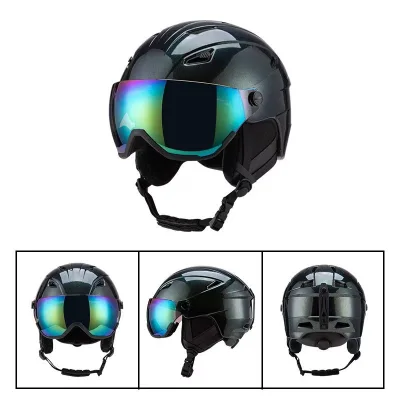
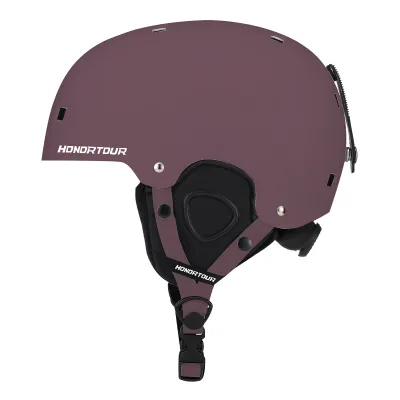
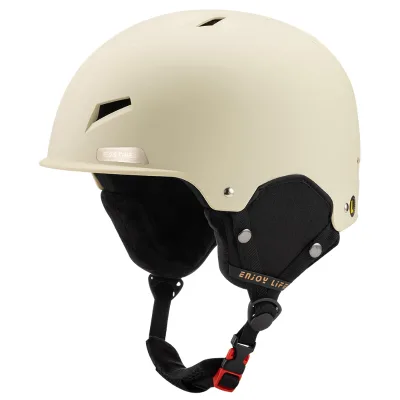

Shockproof Protective Ski Helmet for Mountain Ski and Snowboard Activities
$14.00 - $14.50
MOQ: 500 Pieces

Premium Safety Ski Helmet for Adult Outdoor Skiing and Snow Sports Use
$14.00 - $14.50
MOQ: 500 Pieces

Windproof Warm Ski Helmet with Adjustable Size for Men Women Snow Skiing
$14.00 - $14.50
MOQ: 500 Pieces

Professional Certified Ski Helmet for Winter Outdoor Snow Sports Protection
$14.00 - $14.50
MOQ: 500 Pieces


Customized CE ASTM Certified Snow Helmet Snowboard Youth Ski Helmet with Goggle
$11.40 - $12.78
MOQ: 500 Pieces
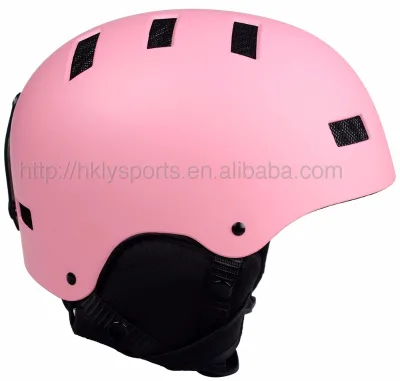
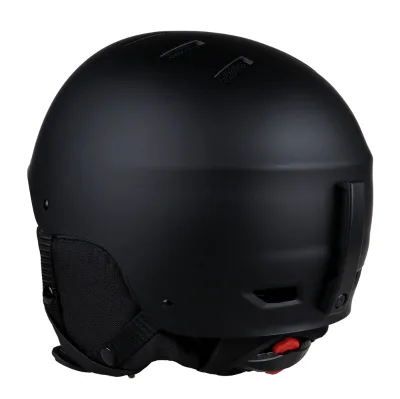


2024 New Coming Adults Cool Ski Helmet Wholesale OEM/ODM ABS+EPS Helmet
$15.00 - $15.80
MOQ: 300 Pieces


Ski Helmet Sports Protective Helmet Sports Snow Cap Ski Protective Safety Products
$11.90 - $12.50
MOQ: 200 Pieces

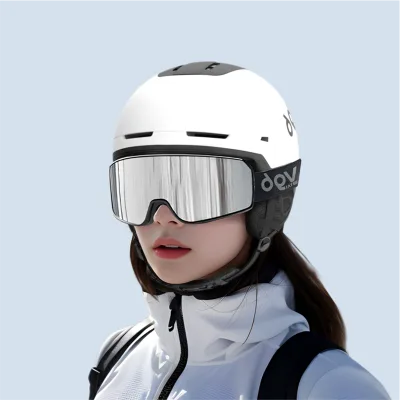
Comprehensive Sourcing Guide
Strategic Sourcing Guide for Unisex Knitted Ski Helmets
The global winter sports market continues to expand, driving demand for protective headgear that balances safety, comfort, and style. For procurement professionals seeking a Unisex Knitted Ski Helmet, the sourcing landscape requires a nuanced understanding of material composition, manufacturing standards, and supply chain dynamics. While the term "knitted" often implies a soft, fabric-based construction, the provided product data indicates a complex mix of materials including Polyester Fiber, PC (Polycarbonate), EPS (Expanded Polystyrene), and ABS (Acrylonitrile Butadiene Styrene). This guide synthesizes available facts to help buyers navigate the selection process, ensuring that the final procurement aligns with safety requirements and commercial goals without relying on unverified claims.
Material Composition and Construction Analysis
When evaluating unisex ski helmets, the primary differentiator lies in the shell and liner materials. The supplied product facts reveal a diverse range of material specifications that buyers must carefully categorize. Some listings specify Polyester Fiber as the main material, which often correlates with the "knitted" aesthetic or inner liner comfort features. However, other entries explicitly list PC+EPS and ABS+EPS as the primary materials. This distinction is critical for procurement decisions.
EPS foam is a standard industry material for impact absorption, providing the necessary cushioning to dissipate energy during a fall. The shell material, whether PC or ABS, determines the helmet's rigidity and durability. PC shells are typically lighter and offer high impact resistance, while ABS shells are known for their robustness and cost-effectiveness. The presence of "Polyester Fiber" in some entries suggests a hybrid construction where a knitted or fabric outer layer might be applied over a hard shell, or the term refers specifically to the interior padding and chin strap components.
Buyers should verify the exact ratio and layering of these materials. A product described as "knitted" may not be a fully fabric shell but rather a helmet with a fabric cover or a specific style of ventilation. The "Main Material" field in product data must be cross-referenced with the "Material" field to ensure consistency. For instance, a listing with "Main Material: Polyester Fiber" and another with "Material: ABS+EPS" likely represents two different product lines or construction methods. Understanding this variance is essential for matching the product to the intended use case, whether it is high-speed racing or casual leisure skiing.
Technical Specifications and Size Standardization
Technical specifications form the backbone of any procurement order, particularly when dealing with safety-critical equipment. The observed data indicates significant variation in sizing and model numbers, which complicates the standardization process. The product models identified include WS206, CPOP8051M, W209, TK2301, H240813, H240814, and HT-43. Each model number likely corresponds to a specific design iteration, shell shape, or feature set.
Size standardization is another critical area. The data presents multiple sizing conventions: S/M/L, M/L, Large, Small, Medium, One Size, and a standard designation of M/L. The existence of a "Standard: M/L" alongside specific size ranges suggests that some suppliers may use a generic sizing approach, while others offer more granular options. For a unisex product, the "Universal Fit" attribute is frequently cited, yet the physical dimensions vary. The "Single package size" is noted as 33X25X25 cm for at least one model, providing a baseline for logistics planning.
Buyers must ensure that the size chart provided by the supplier aligns with the target demographic. The "Age Group" is listed as both "Adults" and "Youth-Adult Unisex," indicating that some models are versatile enough for a broad range of users. However, the "Fit People" attribute is described as "Universal," which requires verification against actual head circumference measurements. Procurement teams should request detailed sizing charts for each model number to avoid inventory mismatches. The "Style" is described as "Fashionable," suggesting that aesthetic appeal is a key driver, but this should not compromise the structural integrity defined by the model number and material composition.
Compliance, Certification, and Safety Verification
Safety is the paramount concern in ski helmet procurement. The provided facts list several standards and certifications, including EN 1077, EN1077, ASTM F2040, and CE. However, the context explicitly categorizes these as "Low-confidence background" information. This means that while these standards are relevant to the industry, the supplied product data does not definitively confirm that every listed item meets these specific requirements.
The attribute "Function: Head Safety Protection" and "Function: Winter Sports Skiing" confirms the intended safety purpose, but it does not equate to a certified test result. The "Standard: skiing" entry is vague and does not specify a numerical code or testing protocol. Consequently, buyers cannot assume that a product listing a model number like H240814 automatically complies with EN 1077 or ASTM F2040 without explicit documentation.
Procurement guidance must emphasize the verification of compliance documents. Buyers should request valid test reports from independent laboratories for each batch or model. The presence of a "CE" mark in the background data suggests that European market entry might be a consideration, but the actual certification status must be confirmed. Similarly, while ASTM F2040 is a recognized standard for ski helmets in North America, its applicability to the specific Chinese-origin products listed requires validation. The "Standard" field in the product data should be treated as a category label rather than a guarantee of compliance.
Cost Drivers and Pricing Dynamics
The economic landscape for ski helmets is influenced by material costs, manufacturing complexity, and order volume. The observed price range in the data is 3.5 to 25 USD, a wide spectrum that reflects the diversity of product quality and specifications. The lower end of this range likely corresponds to basic models with simpler construction, perhaps relying heavily on Polyester Fiber or basic EPS liners. The higher end, reaching 25 USD, likely encompasses models with advanced shell materials like ABS or PC, enhanced padding, and additional features such as custom logos or specialized ventilation.
Minimum Order Quantity (MOQ) is a significant cost driver. The observed MOQ range spans from 1 to 500 units, with specific listings citing 10 pcs and 5 PCS. This flexibility allows buyers to test the market with small orders or commit to larger volumes for better unit economics. The "Customization: Available" and "Customized Logo Accepted" attributes add value but may increase the unit cost or require a higher MOQ to justify the setup fees for printing or molding.
The "Single gross weight" is listed as 0.0 kg in some entries, which is likely a data entry error or a placeholder, while the "Single volume" is noted as 0 cm³. These anomalies suggest that buyers must request accurate shipping weight and volume data to calculate freight costs correctly. The "Packing" methods vary from Carton, Box, Polybag, to PE bag or color box. The choice of packaging affects both the unit cost and the protection of the product during transit. A "Color box" or "Carton" generally offers better protection but adds to the weight and volume, whereas a "Polybag" is cost-effective but offers minimal protection.
Supplier Evaluation and Origin Verification
The supply chain for these products is concentrated in China, with specific origins noted as Ningbo and Guangdong. These regions are known for their robust manufacturing capabilities in sports equipment. Ningbo, in particular, is a major port city with a strong logistics network, which can facilitate efficient export. Guangdong is another hub for textile and plastic manufacturing, relevant given the Polyester Fiber and ABS/PC materials used.
When evaluating suppliers, buyers should focus on the consistency of the product data. The presence of multiple model numbers and varying material specifications from the same origin suggests a diverse product portfolio. However, the lack of specific supplier names in the data requires buyers to conduct their own due diligence. Key evaluation criteria should include the supplier's ability to provide detailed technical specifications, their history of compliance with international safety standards, and their responsiveness to customization requests.
The "Customization" attribute is a strong indicator of a supplier's flexibility. Suppliers offering "Customized Logo Print" and "Color: customizable" are likely capable of OEM (Original Equipment Manufacturer) or ODM (Original Design Manufacturer) services. Buyers should assess the lead times associated with these customizations, as the data does not provide specific lead time figures. It is advisable to ask suppliers for a timeline that includes design approval, sample production, and mass production.
Quality Control and Long-Term Procurement Strategy
Ensuring consistent quality is essential for maintaining brand reputation and customer safety. The "Function: Head Secure; warm" attribute highlights the dual purpose of the helmet: protection and thermal comfort. Quality control measures should verify that the EPS liner is properly bonded to the shell and that the chin strap and adjustment mechanisms function correctly. The "Packing" methods, such as "Polybag" or "Box," should be inspected to ensure they prevent damage during shipping.
For long-term procurement, buyers should establish a relationship with suppliers who can maintain consistent quality across batches. The "Model Number" consistency is crucial; a change in model number might indicate a change in materials or design. Buyers should request samples of the "New ski helmet" and "sports ski helmet" models to physically inspect the build quality. The "Style: Fashionable" aspect suggests that trends change rapidly, so suppliers with agile production capabilities are preferable.
The "Usage" attributes, including "Leisure, Fancy, Racing, Stunt," indicate that the helmets are designed for various activities. Procurement strategies should segment orders based on these usage scenarios. Racing helmets may require stricter safety certifications and different ventilation systems compared to leisure helmets. The "Season: Winter" designation confirms the seasonal nature of the demand, requiring buyers to plan their orders well in advance to avoid stockouts during peak winter months.
Comparative Analysis of Product Attributes
To facilitate decision-making, the following table summarizes the key attributes observed in the product data, highlighting the variations that buyers must navigate.
| Attribute Category | Observed Variations | Procurement Implication |
|---|---|---|
| Material | Polyester Fiber, PC+EPS, ABS+EPS | Verify shell vs. liner composition; ensure EPS density matches safety needs. |
| Size | S/M/L, M/L, One Size, Large/Small/Medium | Request detailed size charts; confirm "Universal Fit" claims with measurements. |
| Model Number | WS206, CPOP8051M, W209, TK2301, H240813, H240814, HT-43 | Track specific models for quality consistency; avoid mixing incompatible SKUs. |
| Packaging | Carton, Box, Polybag, PE bag, Color box | Balance protection vs. cost; verify packaging dimensions for logistics planning. |
| Customization | Logo Accepted, Color Customizable, Customized | Confirm MOQ for custom orders; check lead times for design approval. |
| Origin | China (Ningbo, Guangdong) | Leverage regional logistics; verify supplier location for potential audits. |
| Safety Function | Head Safety Protection, Head Secure, Warm | Request test reports; do not assume compliance based on function description alone. |
| MOQ | 1, 5, 10, up to 500 | Negotiate based on volume; small MOQs allow for testing, large MOQs reduce unit cost. |
| Price Range | 3.5 - 25 USD | Correlate price with material and safety features; avoid assuming low price equals low quality without verification. |
Conclusion
Sourcing unisex knitted ski helmets requires a meticulous approach that balances the observed product attributes with rigorous safety verification. The data presents a wide array of options, from basic Polyester Fiber models to advanced ABS+EPS constructions, with prices ranging from 3.5 to 25 USD. While the "knitted" descriptor suggests a specific aesthetic, the underlying construction often involves hard shells and impact-absorbing liners. Buyers must prioritize the verification of safety standards, such as EN 1077 or ASTM F2040, rather than relying solely on the "Function" descriptions provided in listings.
The flexibility in MOQ, ranging from single units to 500, offers significant strategic advantages for both testing new markets and securing bulk supply. However, the variability in sizing and model numbers necessitates careful inventory management and clear communication with suppliers. By focusing on material composition, verifying compliance documentation, and leveraging the customization options available from suppliers in Ningbo and Guangdong, procurement professionals can build a resilient supply chain for winter sports equipment. The ultimate goal is to secure products that not only meet the aesthetic and functional demands of the market but also provide the highest level of safety protection for the end-user.
FAQs
What materials are used for unisex knitted ski helmets?
These helmets typically use Polyester Fiber, PC, or ABS combined with EPS foam. The shell provides rigidity while the EPS liner absorbs impact. Some models feature a knitted aesthetic but rely on hard shells for safety.
Which size options are available for unisex ski helmets?
Available sizes include S/M/L, M/L, and One Size options. The product data lists Large, Small, and Medium as distinct choices. Buyers should verify specific head circumference charts for each model number to ensure a proper fit.
Can I customize the logo on these ski helmets?
Yes, customized logo printing is accepted for many models. Suppliers offer color customization and logo placement options. This service may require a specific minimum order quantity depending on the manufacturer's policy.
What is the minimum order quantity for these helmets?
The minimum order quantity ranges from 1 to 500 units. Specific listings show MOQs as low as 5 or 10 pieces. Higher customization requests might require larger order volumes to justify setup costs.
Where are these ski helmets manufactured?
The products originate from China, specifically Ningbo and Guangdong. These regions are known for sports equipment manufacturing. Buyers should verify the specific factory location for shipping and logistics planning.
How much do these helmets cost per unit?
The observed price range is between 3.5 and 25 USD. Pricing varies based on materials like PC or ABS and customization levels. Bulk orders typically reduce the unit cost significantly compared to single item purchases.
What safety functions do these helmets provide?
They offer head safety protection and warmth for winter sports. The design supports activities like racing, leisure, and stunts. While intended for safety, specific certification documents must be requested to verify compliance with standards.