Source Steel Engine Mount with Lower Junction Plate for Vehicles
Compare 30 listings for the Steel Engine Mount with Lower Junction Plate from verified Chinese manufacturers. Buyers can evaluate specifications, pricing, and customization options for automotive and industrial applications; compare the available evidence and request quotations based on your requirements.
Key considerations
Products List
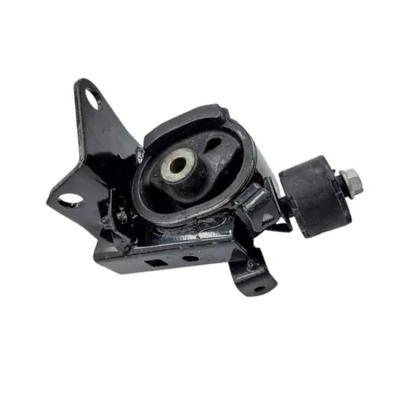


Stainless Steel Auto Parts Engine Rear Mount Mounting Motor Mounting Bracket
$16.00 - $18.00
MOQ: 10 Pieces


Premium Engine Mount 95032354 for Chevrolet Aveo Vehicle Engine Stability
$32.00 - $46.00
MOQ: 5 Pieces


Comprehensive Sourcing Guide
Steel Engine Mount with Lower Junction Plate Sourcing Guide
Procuring steel engine mounts with lower junction plates requires a disciplined approach to material selection and structural integrity verification. These components serve as critical interfaces between the powertrain and the vehicle chassis, absorbing vibration and managing torque loads during operation. Buyers must prioritize suppliers who demonstrate expertise in cold stamping and shaping metal processes, as these techniques directly influence the dimensional accuracy and fatigue resistance of the final assembly. The presence of a lower junction plate indicates a design focused on enhanced stability and precise alignment, necessitating rigorous inspection of weld points and bolt hole tolerances.
The sourcing landscape for these parts is dominated by manufacturers in China, where a wide variety of OEM and aftermarket options are available. Observed listings indicate a strong emphasis on customization, with many suppliers offering tailored solutions for specific vehicle models or industrial applications. Buyers should leverage this flexibility to request samples that match their exact engineering drawings, paying close attention to the surface processing methods such as electroplating or power coating. These treatments are essential for corrosion resistance, particularly in environments where the mount is exposed to moisture, road salts, or industrial chemicals, ensuring long-term reliability without premature degradation.
Product Scope and Observed Listing Signals
The current market offers a diverse range of steel engine mounts, with observed price points ranging from minimal values to over two hundred dollars, reflecting significant variation in complexity and material grade. Most suppliers list a minimum order quantity (MOQ) starting at just one unit, which facilitates prototyping and small-batch testing, while larger production runs may require orders up to one thousand units. This flexibility allows buyers to scale their procurement strategy effectively, moving from initial validation to full-scale manufacturing without being locked into excessive inventory commitments. The selling units are typically single items, simplifying the logistics of ordering and receiving distinct components for assembly lines.
Product attributes frequently highlight the use of carbon steel and simple single-process dies, suggesting a focus on cost-effective mass production for standard applications. However, some listings also mention advanced capabilities such as fine blanking and heat-resistant rubber hose integration, indicating that suppliers may offer hybrid solutions combining metal structural elements with elastomeric damping components. Buyers should carefully review the product models and standard dimensions provided, such as specific part numbers like QY001 or 3145-A5417, to ensure compatibility with their existing engine configurations. The availability of customization support further expands the scope, allowing for modifications to fit unique chassis designs or performance requirements.
Technical Specifications to Verify
Dimensional accuracy is paramount when sourcing engine mounts, with observed tolerances as tight as 0.1mm being a key indicator of manufacturing precision. Buyers must verify that the supplier utilizes inspection gauges for 100% inspection of critical dimensions, ensuring that every unit meets the specified geometric constraints. The production process typically involves forming and stamping, which can introduce residual stresses if not properly managed. Therefore, it is essential to confirm that the supplier employs appropriate heat treatment or stress-relief procedures to maintain the structural integrity of the steel under dynamic loading conditions.
Material composition and surface treatment are equally critical factors that influence the lifespan and performance of the mount. While carbon steel is commonly cited, buyers should request material certificates to confirm the specific grade and mechanical properties, such as tensile strength and yield point. Surface processing methods like electroplating or power coating provide necessary protection against environmental factors, but the thickness and adhesion of these coatings must be verified. Additionally, the condition of the product should be confirmed as new, and the automatic nature of the production line should be assessed to ensure consistency and repeatability in high-volume manufacturing environments.
Compliance and Safety Documentation
Regulatory compliance is a non-negotiable aspect of sourcing automotive and industrial components, with ISO9001 certification being a widely observed standard among reputable suppliers. Buyers should verify that the supplier holds valid ISO9001:2008 or current equivalent certifications, which demonstrate a commitment to quality management systems and continuous improvement. In some cases, additional certifications such as ISO or TS16949 may be present, indicating adherence to automotive-specific quality standards. These documents provide assurance that the manufacturing processes are controlled and that the products meet rigorous safety and performance criteria required by global markets.
Beyond quality management, buyers must ensure that the components comply with relevant environmental and safety regulations, such as Euro IV discharge standards if applicable to the engine system. While specific certification statuses like CE are mentioned in background data, buyers should independently verify the current validity of any claimed certifications with the supplier. It is also important to confirm that the materials used, including any rubber or elastomeric components, are free from hazardous substances and meet industry-specific environmental directives. This due diligence helps mitigate legal risks and ensures that the final assembled product can be sold in target markets without regulatory hurdles.
Cost Drivers and Commercial Terms
The cost of steel engine mounts is influenced by several factors, including the complexity of the stamping process, the grade of steel used, and the extent of customization required. Suppliers offering simple single-process dies may provide more competitive pricing for standard parts, while those utilizing fine blanking or complex shaping techniques will likely charge a premium. Buyers should analyze the price range of 0.01 to 225 USD to understand the value proposition of different suppliers, keeping in mind that extremely low prices may indicate compromises in material quality or manufacturing rigor. Negotiating volume discounts and clear payment terms can further optimize the total cost of ownership.
Packaging and logistics also play a significant role in the overall cost structure, with options ranging from simple plastic film and carton packaging to branded powersteel packing solutions. Buyers should consider the protection provided by the packaging to prevent damage during transit, especially for components with precise tolerances. Lead times and delivery schedules should be clearly defined in the commercial agreement, as delays in component supply can disrupt entire production lines. Understanding the supplier’s capacity and reliability is crucial for maintaining a steady supply chain, particularly when dealing with high-volume orders or just-in-time manufacturing requirements.
Supplier Qualification and Quality Control
Supplier qualification involves a thorough assessment of their manufacturing capabilities, quality control processes, and track record in the industry. Buyers should prioritize suppliers who demonstrate a strong focus on quality, as evidenced by their use of inspection gauges and 100% inspection protocols. It is also important to verify the supplier’s ability to handle customization requests, as this indicates flexibility and technical expertise. Engaging with suppliers who have experience in serving major automotive brands, such as Sinotruk, can provide additional confidence in their ability to meet high standards of quality and reliability.
Quality control should extend beyond the final product to include the entire production process, from raw material sourcing to surface treatment and packaging. Buyers should request detailed quality reports and test results to verify that the components meet all specified requirements. Establishing a clear communication channel with the supplier for addressing any quality issues is essential for maintaining long-term partnerships. Regular audits and performance reviews can help ensure that the supplier continues to meet the required standards, providing a stable and reliable source for critical engine mount components.
Long-Term Procurement Checks
Long-term procurement success depends on establishing robust relationships with suppliers who can consistently deliver high-quality products over time. Buyers should implement a system for tracking supplier performance, including metrics such as on-time delivery, defect rates, and responsiveness to issues. Regular feedback loops and joint improvement initiatives can help strengthen the partnership and drive continuous improvement in product quality and service levels. Maintaining a diversified supplier base can also mitigate risks associated with supply chain disruptions, ensuring that production continues even if one supplier faces challenges.
As technology and regulations evolve, buyers must stay informed about changes in material standards, environmental requirements, and manufacturing techniques. Periodic reviews of the supplier’s capabilities and certifications are necessary to ensure ongoing compliance and competitiveness. Investing in supplier development programs can help partners improve their processes and adopt new technologies, benefiting both parties in the long run. By focusing on strategic partnerships and continuous improvement, buyers can secure a reliable supply of steel engine mounts with lower junction plates that meet their evolving needs and maintain the integrity of their final products.
FAQs
How is a Steel Engine Mount with Lower Junction Plate manufactured?
It is produced through a cold stamping forming process, where carbon steel sheet is shaped using simple single process dies. The surface is then finished by electroplating or powder coating for corrosion resistance. Tolerances are held to 0.1mm, and each piece can be inspected with an inspection gauge before carton packing and shipment.
What customization options are available for steel engine mounts with lower junction plates?
Customization is available and supported, since these are fully customized stamping parts. Buyers can provide drawings or samples, and suppliers can adjust dimensions within 0.1mm tolerances, surface treatment, and packing style. Minimum order quantities vary by listing, ranging from single samples up to 1000 pieces, so confirm requirements before ordering.
What materials and surface treatments are used for these engine mounts?
The stamped body is made from carbon steel, formed by shaping metal in a cold stamping process. Surface processing options include electroplating and powder coating, which protect against corrosion and wear. Some related rubber hose components use heat-resistant EPDM, so verify material specifications for each part on the product page before purchase.
Can I get samples of a Steel Engine Mount with Lower Junction Plate before bulk ordering?
Yes, samples are possible because the selling unit is a single item and minimum order quantities in listings start at one piece. Ordering a sample first lets you verify fit, tolerances of 0.1mm, and coating quality. Discuss sample cost, packing in cartons, and whether the sample fee is credited toward a bulk order.
Which quality certifications apply to these stamping parts?
Listings reference ISO and ISO9001 certifications, with some entries also citing TS16949, which is common for automotive supply chains. Certification applies per supplier and listing, so confirm the current certificate scope with the seller. Finished parts are checked through 100 percent inspection using an inspection gauge before packing.
How long is the warranty for a Steel Engine Mount with Lower Junction Plate?
The listed warranty is 12 months from the supplier, covering defects in material or workmanship under normal use. Conditions can differ between sellers, so review warranty terms before ordering. Since these are customized stamping parts, confirm whether modifications made to your specification affect coverage and any return process requirements.
What packaging is used when shipping these stamped steel parts?
Standard packing is carton packaging, with some listings specifying plastic film inside the carton for added protection. One listing references powersteel brand packing. Because items are sold per single unit and can be customized, you can request specific inner packaging, labeling, or consolidated cartons to match your inbound logistics and warehouse handling needs.
Where are these steel engine mounts produced and shipped from?
The place of origin is China, with one listing specifying Haiyan, Jiaxing, Zhejiang. Suppliers ship worldwide from these locations, and packaging is prepared in cartons for export. Confirm shipping terms, lead time, and port of loading directly with the supplier, since these details vary between individual listings and manufacturers.