Source Steel Truss Canopy for Bridges, Warehouses, and Sheds
Find 30 verified Steel Truss Canopy options for viaducts, railway bridges, and industrial workshops. Compare specifications like aluminum alloy or steel materials, connection forms, and surface treatments from suppliers in China.
Key considerations
Products List


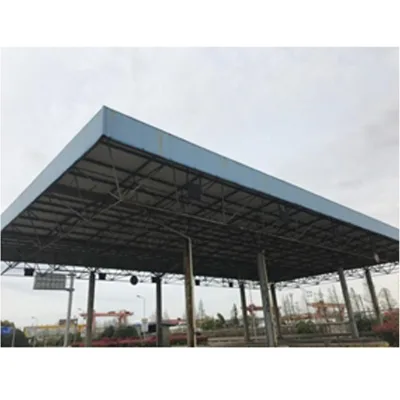


Define Steel Structure Canopy Steel Structure
$3200.00 - $9999.00
MOQ: 1 Sets
Qingdao Jingdao Credit Construction Steel Structure Co., Ltd.

Comprehensive Sourcing Guide
Steel Truss Canopy Sourcing Guide
Sourcing a Steel Truss Canopy requires a disciplined approach that balances structural integrity with aesthetic flexibility. These structures serve as critical transitional elements in both industrial and commercial environments, providing shelter and load-bearing capacity for diverse applications. Buyers must navigate a market where materials range from lightweight aluminum alloys to heavy-duty carbon steels, each offering distinct advantages in terms of weight, corrosion resistance, and cost. The decision between these materials often hinges on the specific environmental conditions and the intended lifespan of the installation.
The procurement process is further complicated by the variety of connection methods and surface treatments available. Whether opting for welded or bolted connections, the integrity of the joint is paramount to the overall stability of the canopy. Similarly, surface treatments such as hot-dip galvanization or specialized paint systems play a crucial role in extending the service life of the structure, particularly in regions with high humidity or corrosive industrial atmospheres. Understanding these variables is essential for making informed purchasing decisions that align with long-term operational goals.
Product Scope and Observed Listing Signals
The market for steel truss canopies encompasses a wide array of configurations, from simple footbridge supports to complex viaduct structures. Observed listings indicate that these products are frequently categorized under space frame trusses, with square-shaped main tubes being a common geometric profile. The primary structural components often include main tubes measuring 50x3mm and brace tubes measuring 20x2mm, providing a robust framework capable of supporting significant loads. These dimensions are typical for applications requiring high intensity and durability, such as highway bridges, railway bridges, and over-water bridges.
Beyond large-scale infrastructure, the scope extends to smaller, localized applications such as factory parking sheds and community carports. In these contexts, the trusses are often designed as lightweight steel structures that prioritize ease of installation and recyclability. The observed product models, such as KCS29 and S212, suggest a standardized approach to manufacturing, yet customization remains widely available to meet specific project requirements. This flexibility allows buyers to tailor the canopy’s dimensions and load-bearing capacity to their unique site conditions, ensuring optimal performance and aesthetic integration.
Technical Specifications to Verify
When evaluating technical specifications, the material composition is the first critical factor to verify. Common materials include Q235B, Q355B, A36, S235jr, and S355jr, each offering different yield strengths and ductility properties. For applications requiring enhanced corrosion resistance, aluminum alloy or stainless steel options may be considered, though they come at a higher cost. Buyers should confirm the exact grade of steel specified in the contract, as variations in material quality can significantly impact the structural performance and longevity of the canopy.
Surface treatment and connection methods are equally important technical considerations. The standard surface finish often involves shot blasting to SA2.5 standards, followed by primer application, hot-dip galvanization, or painting. These treatments protect the steel from environmental degradation and are essential for maintaining the structural integrity over the design life of fifty years. Additionally, the connection form, whether welded or bolted, must be clearly defined. Welded connections offer seamless integration, while bolted connections facilitate easier assembly and disassembly, which may be preferable for temporary or modular structures.
Compliance and Safety Documentation
Compliance with international standards is non-negotiable for structural steel components. Buyers should verify that the supplier adheres to recognized standards such as AISI, ASTM, BS, DIN, GB, JIS, and EN, depending on the target market. These standards ensure that the materials and manufacturing processes meet specific safety and quality benchmarks. For instance, the use of Q355B steel implies compliance with Chinese national standards, while S355jr aligns with European norms. Understanding these distinctions is vital for ensuring that the canopy meets local regulatory requirements and can be legally installed in the intended location.
Certification documentation provides additional assurance of quality and safety. Look for suppliers who hold ISO9001, ISO14001, and ISO45001 certifications, which demonstrate a commitment to quality management, environmental responsibility, and occupational health and safety. Furthermore, third-party certifications such as TUV or Cwb may be required for specific projects, particularly in regions with stringent building codes. These certifications not only validate the supplier’s manufacturing capabilities but also provide a layer of protection for the buyer in case of structural failures or non-compliance issues.
Cost Drivers and Commercial Terms
The cost of a Steel Truss Canopy is influenced by several factors, including material prices, manufacturing complexity, and surface treatment requirements. The observed price range in the market varies significantly, from low-cost basic structures to high-end, customized solutions. Buyers should be aware that the final price is often determined by the specific material grade, the thickness of the tubes, and the extent of customization required. Additionally, the scale of the project, whether it is a small carport or a large bridge, plays a crucial role in determining the overall cost.
Commercial terms such as price terms and payment methods are also key considerations in the procurement process. Common price terms include EXW, FOB, and CIF, each defining the point at which responsibility and cost transfer from the seller to the buyer. Payment methods typically involve T/T or Western Union, with lead times usually ranging from seven to fifteen working days for standard orders. However, for larger or more complex projects, production efficiency may extend this timeline to twenty to forty days. Buyers should negotiate these terms carefully to ensure they align with their project schedules and budget constraints.
Supplier Qualification and Quality Control
Supplier qualification is a critical step in ensuring the reliability of the Steel Truss Canopy. Buyers should prioritize suppliers who offer OEM and ODM services, as this indicates a level of flexibility and technical expertise. The ability to provide online guidance for installation is another valuable service, reducing the risk of errors during the assembly process. Additionally, suppliers who offer customized colors and packing options, such as woven bags, air bubble film, or steel crates, demonstrate a commitment to meeting diverse buyer needs.
Quality control measures are essential for maintaining the integrity of the structure. Buyers should verify that the supplier conducts 100% inspection of the finished products, ensuring that every component meets the specified standards. The use of standard international packing methods helps protect the trusses during transit, minimizing the risk of damage. Furthermore, suppliers who provide detailed drawing formats, such as CAD, DWG, and STL files, facilitate better communication and planning, allowing buyers to visualize the final product and identify potential issues before production begins.
Long-Term Procurement Checks
Long-term procurement success depends on establishing a robust relationship with the supplier and implementing continuous quality monitoring. Buyers should regularly review the supplier’s performance metrics, including delivery times, product quality, and responsiveness to issues. The service life of the canopy, typically designed for fifty years, requires ongoing maintenance and inspection to ensure its continued safety and functionality. Establishing a maintenance schedule and documenting any repairs or replacements is crucial for extending the lifespan of the structure.
Market trends and technological advancements in steel truss manufacturing should also be monitored to ensure that the procurement strategy remains competitive. Suppliers who are actively engaged in research and development are more likely to offer innovative solutions that improve efficiency and reduce costs. By staying informed about these developments, buyers can make proactive decisions that enhance the value of their procurement investments. Additionally, maintaining open lines of communication with the supplier can facilitate future collaborations and ensure that any emerging challenges are addressed promptly and effectively.
FAQs
What materials are used for steel truss canopies?
Steel truss canopies are constructed from materials like Q235B, Q355B, A36, S235jr, and S355jr. Aluminum alloy is also available for specific lightweight applications. These materials ensure high intensity and durability for various structural needs.
How long is the delivery time for these structures?
The usual delivery time is typically 7 to 15 working days. This timeline applies to standard orders, though complex customizations or large-scale projects may require extended production periods depending on the specific factory capacity and order volume.
Can the truss canopy be customized for specific projects?
Yes, customization is available for various project requirements including dimensions and surface treatments. Buyers can select from options like hot-dip galvanizing, painting, or specific tube sizes such as 50x3mm main tubes to meet unique engineering standards.
What certifications do the manufacturers hold?
Manufacturers often hold certifications such as TUV, ISO9001, ISO14001, ISO45001, and Cwb. These credentials ensure that the production processes and final products meet international quality and safety standards for structural steel components used in bridges and canopies.
Which connection forms are used for assembly?
Both welded and bolted connection forms are utilized depending on the design specifications. Welded connections provide structural continuity, while bolted connections offer flexibility for disassembly and transport, ensuring the structure meets specific installation and maintenance requirements.
What is the expected service life of the canopy?
The design service life is typically 50 years when properly maintained. This longevity is achieved through anti-corrosion treatments like shot blasting to SA2.5 standards followed by priming or hot-dip galvanizing to protect the steel from environmental degradation.
How are the products packed for international shipping?
Products are packed using woven bags, air bubble film, pallets, or steel crates with edge protection. The specific packing method depends on the product type and shipping requirements to ensure safe transport and prevent damage during transit to global destinations.