Source Steel Viking Necklace for Men for Daily Wear
Source a Steel Viking Necklace for Men from 30 verified listings. Compare stainless steel pendant designs, link chain styles, and vintage aesthetics. Evaluate options in silver, gold, and black finishes with customizable packaging and origin details from Guangdong, China; compare the available evidence and request quotations based on your requirements.
Updated
Key considerations
Products List
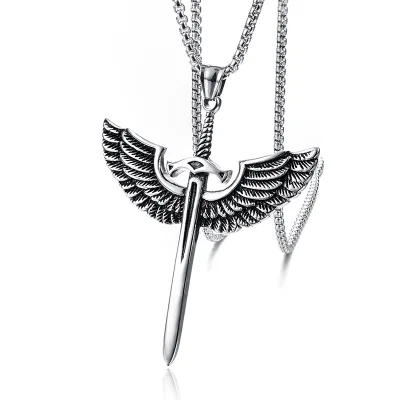
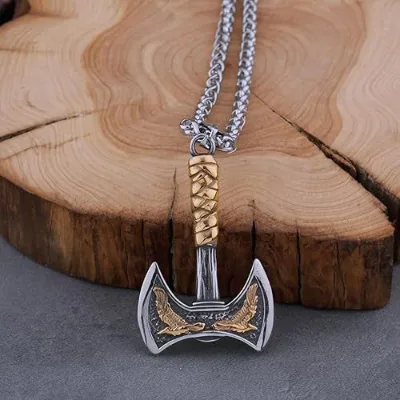
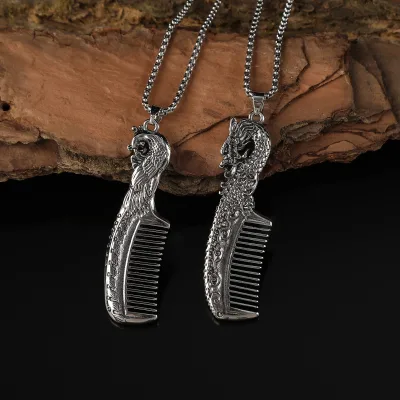
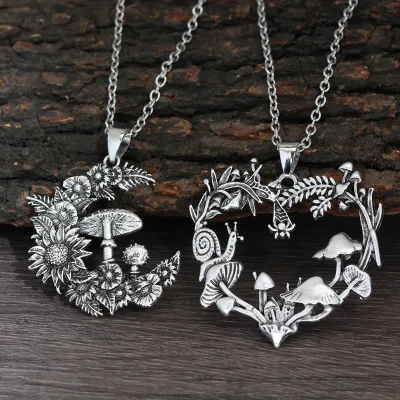
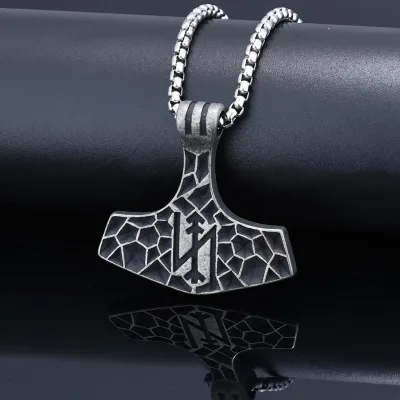
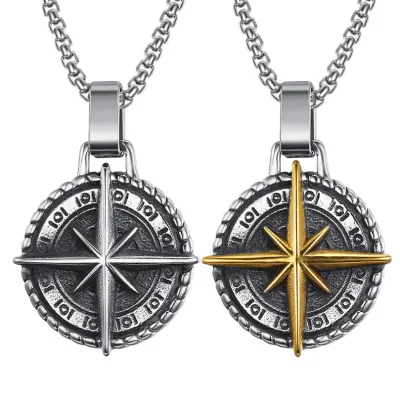
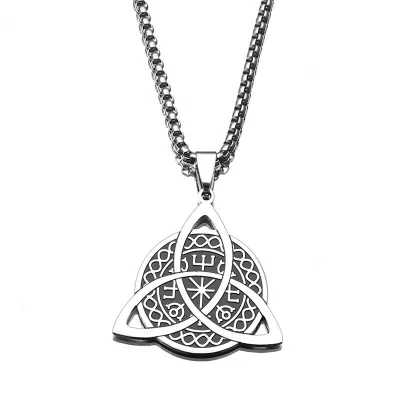
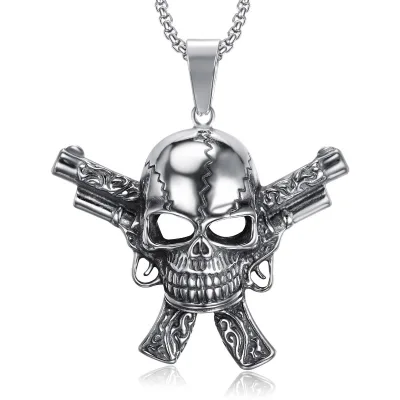
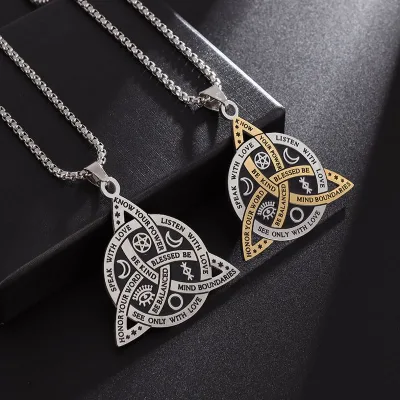
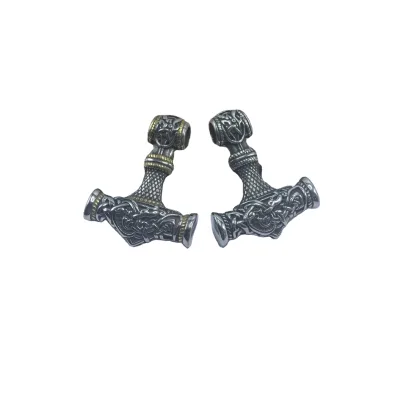
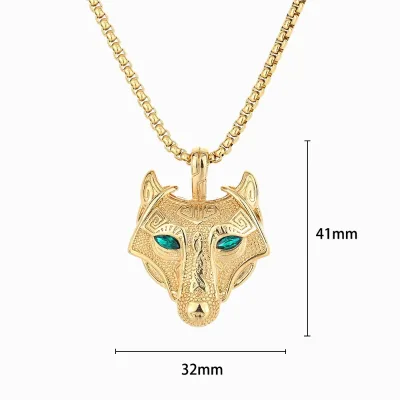
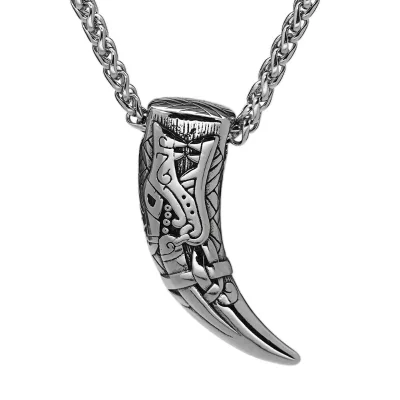
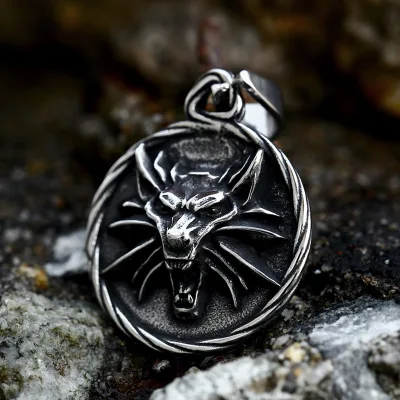
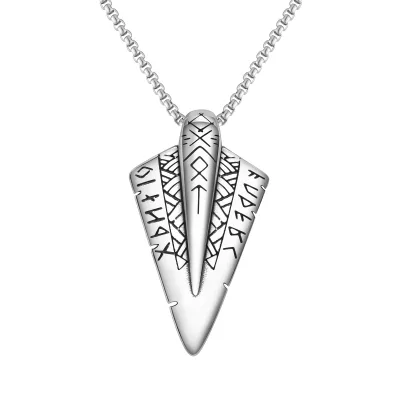
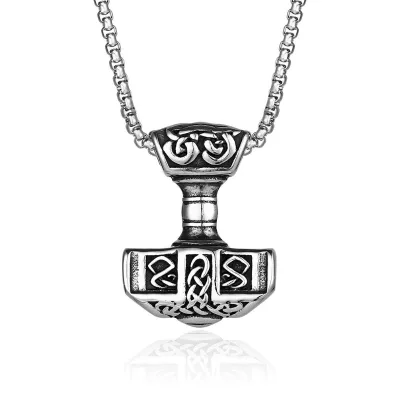
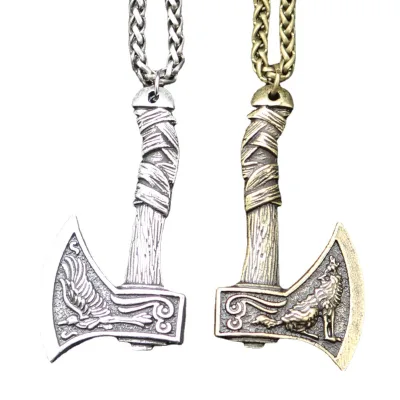
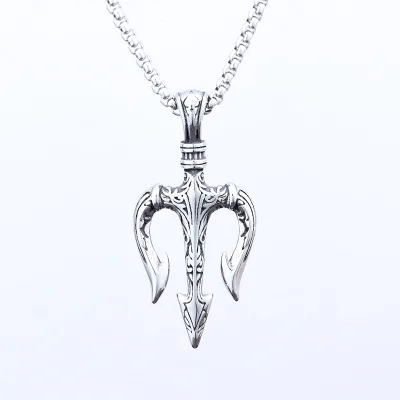
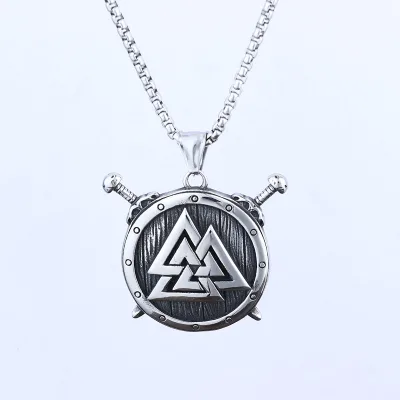


Cast Stainless Steel Cross Necklace Threaded Cross Pendant Men's Necklace
$2.60 - $2.85
MOQ: 100 Pieces


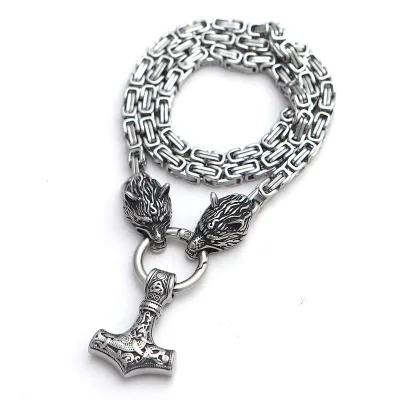
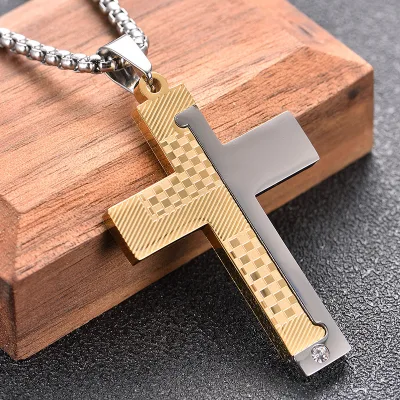
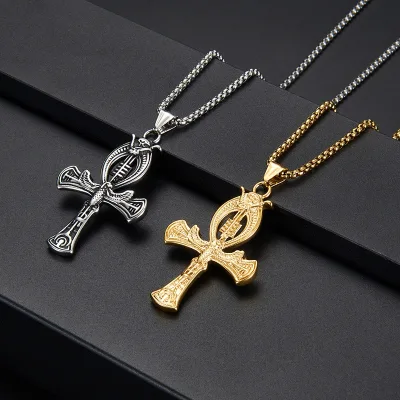


Comprehensive Sourcing Guide
Steel Viking Necklace Sourcing Guide
The Steel Viking Necklace for Men represents a distinct category of industrial street fashion jewelry, characterized by asymmetric splices and mixed link designs that appeal to a male demographic. Sourcing professionals must recognize that these items are primarily marketed as pendant necklaces with a vintage or luxury aesthetic, often featuring high-polish metallic silver segments paired with matte gunmetal black finishes. The supply chain for these products is heavily concentrated in Guangdong, China, where manufacturers leverage stainless steel as the primary material to ensure durability while maintaining a specific industrial aesthetic.
Buyers should verify that the observed product attributes align with their specific design requirements, as listings frequently vary between single-item sales and bulk customization options. The market data indicates a wide range of color palettes, including silver, gold, black, and two-tone combinations, alongside specific design motifs like the Viking axe or cross shapes. Procurement teams must carefully distinguish between generic fashion designs and specialized craft wolf or asymmetric splice styles, ensuring the selected supplier can consistently deliver the exact finish and structural integrity required for the target market.
Product Scope and Observed Listing Signals
The observed product scope reveals a diverse array of listing signals, including specific length specifications ranging from 18 inches to 24 inches, with some entries noting 60cm or 45cm dimensions. These variations suggest that suppliers offer multiple size configurations to accommodate different customer preferences, though some data points contain ambiguous entries like "oinch" that require immediate clarification during the vetting process. The primary material is consistently identified as stainless steel, which serves as the foundation for the jewelry's durability and resistance to tarnishing, a critical factor for men's fashion accessories intended for daily wear.
Listing signals also highlight significant variability in packaging and weight, with single gross weights recorded as low as 0.015 kg and package sizes varying between 10x8x5 cm and 15x15x15 cm. Buyers must scrutinize these details to ensure the packaging protects the high-polish and matte finishes during transit, as the aesthetic value of the asymmetric splices and mixed links can be compromised by poor handling. The presence of customization options and specific design codes like G1 or G2 indicates that many suppliers are prepared to produce bespoke runs, but the exact scope of these customizations must be defined before placing an order.
Technical Specifications to Verify
Technical verification must begin with the precise measurement of chain lengths and pendant dimensions, as the observed data includes conflicting entries such as 18 inches, 24 inches, and 60cm that may represent different product variants or data entry errors. Procurement teams should request physical samples to confirm the actual length and weight, ensuring the product meets the stated specifications for the intended market segment. The material composition is a key technical parameter, with stainless steel being the dominant material, but buyers must verify the specific grade and thickness to guarantee the structural integrity of the mixed link and industrial street designs.
Finish quality is another critical technical specification, with listings describing a combination of high-polish metallic silver segments and matte or gunmetal black surfaces. Buyers need to confirm that the polishing process is consistent across all silver segments and that the matte finishes do not chip or fade prematurely, as these aesthetic details define the product's luxury and vintage appeal. Additionally, the design style, which includes asymmetric splices and Viking axe motifs, requires precise manufacturing tolerances to ensure the pieces are symmetrical where intended and robust enough to withstand the rigors of daily use without breaking at the link points.
Compliance and Safety Documentation
While the supplied facts do not explicitly list specific international certifications, buyers must demand proof of compliance with relevant safety standards for jewelry intended for general consumer use. Stainless steel products should be verified for nickel content and hypoallergenic properties to prevent skin irritation, particularly since these necklaces are marketed as unisex or male fashion items that may be worn for extended periods. The absence of a main stone simplifies the safety profile, but the metal finish and any plating processes used to achieve the two-tone or gunmetal effects must be free from hazardous substances like lead or cadmium.
Documentation regarding the origin of the materials and the manufacturing process is essential for establishing a transparent supply chain, especially given the concentration of production in Guangdong, China. Buyers should request material safety data sheets (MSDS) or test reports that confirm the stainless steel meets industry standards for corrosion resistance and durability. Furthermore, any claims regarding the "luxury" or "vintage" nature of the product should be supported by quality control records that demonstrate consistent adherence to the specified design and finish standards, ensuring that the final product matches the marketing imagery.
Cost Drivers and Commercial Terms
The cost structure for steel Viking necklaces is influenced by the complexity of the asymmetric splice and mixed link designs, which require more intricate manufacturing processes than standard chain styles. The observed price range of 0.57 to 10.08 USD suggests significant variation based on design complexity, finish quality, and order volume, with higher prices likely corresponding to more elaborate customizations or premium packaging options. Buyers must analyze the cost drivers carefully, as the inclusion of specific design elements like the Viking axe or cross shapes may incur additional tooling or labor costs that impact the final unit price.
Commercial terms such as minimum order quantities (MOQ) and lead times are critical factors in the procurement strategy, with observed MOQs ranging from 1 to 100 units. This flexibility allows for both small-batch testing and larger production runs, but buyers must negotiate clear terms regarding production schedules and shipping logistics to avoid delays. The single-item selling unit and various packaging options, including PVC and OPP bags, also affect the overall cost, and procurement teams should factor in the expense of custom branding or specialized packaging if the product is intended for retail distribution.
Supplier Qualification and Quality Control
Supplier qualification for steel Viking necklaces requires a rigorous assessment of manufacturing capabilities, particularly regarding the ability to produce consistent high-polish and matte finishes on stainless steel. Buyers should verify that the supplier has experience with industrial street fashion designs and can maintain the structural integrity of mixed link chains and asymmetric splices. The presence of customization options indicates a flexible production line, but the supplier must demonstrate a robust quality control system to ensure that every batch meets the specified design and finish standards without deviation.
Quality control protocols must include visual inspections for finish consistency, dimensional accuracy for chain lengths, and stress testing for the pendant attachment points. Given the observed variations in product attributes, such as different color palettes and design styles, suppliers should provide a detailed quality assurance plan that outlines how they manage color matching and finish durability. Buyers should also request samples from previous production runs to assess the supplier's ability to maintain consistency across different batches, ensuring that the final product aligns with the initial design specifications and marketing claims.
Long-Term Procurement Checks
Long-term procurement success depends on establishing a reliable supply chain that can consistently deliver high-quality steel Viking necklaces while adapting to changing market trends. Buyers should implement regular performance reviews to monitor the supplier's ability to meet delivery schedules, maintain quality standards, and manage cost fluctuations. The dynamic nature of fashion jewelry, with its specific design styles and color palettes, requires a supplier who can quickly pivot to new trends while maintaining the core quality and durability of the stainless steel products.
Continuous communication and collaboration with the supplier are essential for addressing any issues related to product specifications, packaging, or customization requests. Buyers should maintain a clear record of all technical specifications and quality control data to ensure that future orders match the successful prototypes. By fostering a strong partnership with a qualified supplier, procurement teams can secure a steady supply of high-quality Viking necklaces that meet the demands of the male fashion market and maintain the brand's reputation for luxury and durability.
FAQs
What materials are used for Steel Viking Necklace for Men?
The primary material is stainless steel, ensuring durability and resistance to tarnishing for daily wear. Some designs incorporate mixed links or industrial street styles with high-polish metallic silver segments and matte gunmetal black finishes. These materials provide a robust aesthetic suitable for unisex fashion and vintage styling preferences.
Can I customize the design of a Steel Viking Necklace for Men?
Yes, customization is available for many suppliers offering these items. Buyers can often select specific design elements such as Viking Axe Necklace motifs, cross shapes, or asymmetric splice patterns. This flexibility allows for tailored procurement that meets specific brand requirements or personal style preferences for unique jewelry pieces.
What is the typical packaging for a Steel Viking Necklace for Men?
Products are typically packed in individual PVC bags or OPP bags to protect the jewelry during transit. The single package size is approximately 10x8x5 cm, and the single gross weight is around 0.015 kg. This compact packaging facilitates efficient shipping and storage for bulk orders from manufacturers in China.
Which lengths are available for Steel Viking Necklace for Men?
Available lengths include 18 inches, 24 inches, 45 cm, and 60 cm. Some listings may specify other measurements like 0 inches or 24 inches depending on the specific model. Buyers should verify the exact length specification for each product model to ensure it fits their desired styling or customer demographic requirements.
Where are Steel Viking Necklace for Men typically manufactured?
These necklaces are predominantly manufactured in Guangdong, China. The place of origin is consistently listed as China for most available models. This regional concentration allows for efficient supply chains and competitive pricing for international buyers sourcing stainless steel fashion jewelry with vintage or industrial design elements.
What styles are offered for Steel Viking Necklace for Men?
Styles include vintage, luxury, and industrial street aesthetics. Designs feature elements like Viking Axe Necklaces, cross shapes, and asymmetric splice patterns. The jewelry is often unisex but marketed towards males, with color options ranging from silver and gold to black and two-tone polished silver and gunmetal black finishes.