Source Stepper Driver CNC Router for Woodworking, 3D Printing, and Laser Cutting
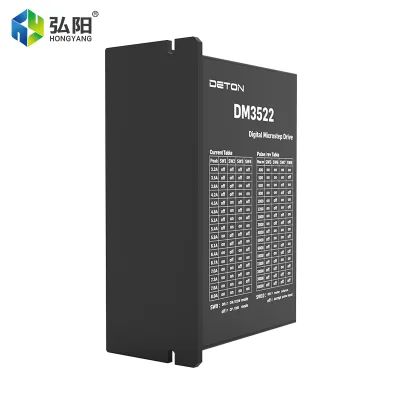
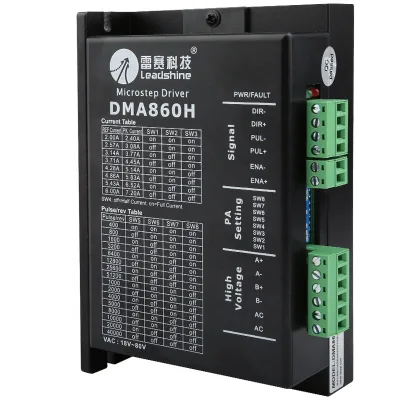
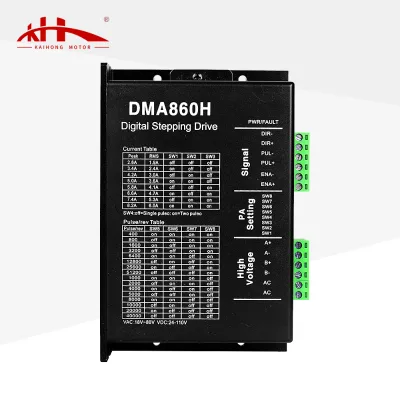
Find 17 verified Stepper Driver CNC Router options from Chinese manufacturers. Compare models like DM3522 and DMA860H, check voltage ranges, and request quotes for automatic control systems with open-loop structures and continuous signals suitable for various industrial applications today; compare the available evidence and request quotations based on your requirements.
Updated
Key considerations
Products List



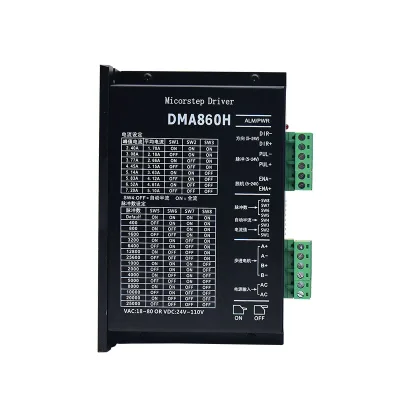
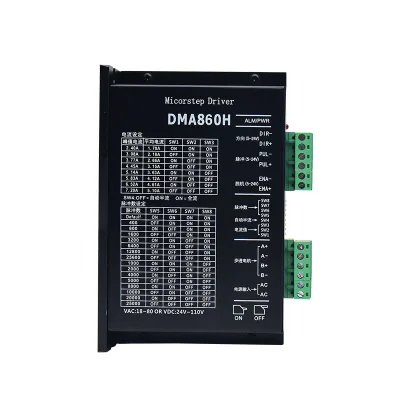
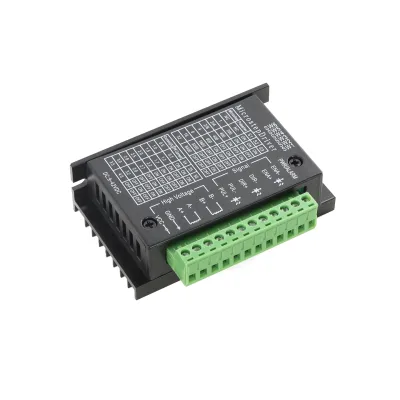
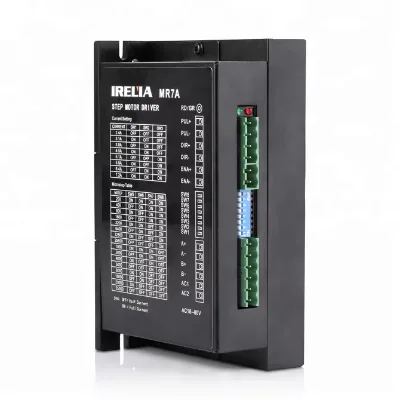
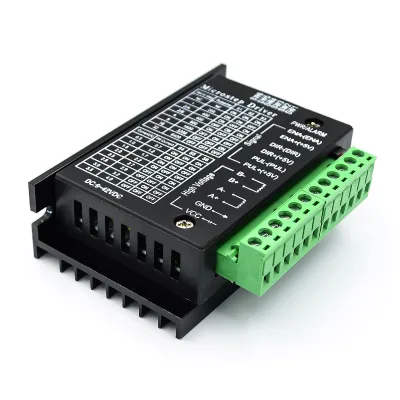
Popular Cnc Step Motor Driver Unipolar Stepper Motor Driver for Motor Drive
$36.0611 - $40.1826
MOQ: 2 pieces
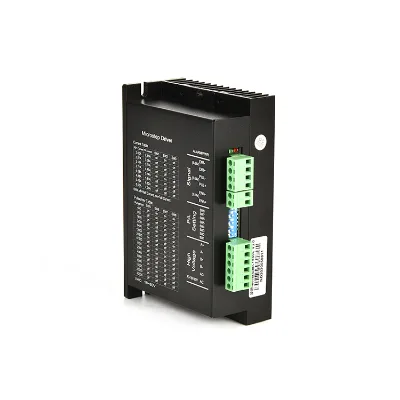
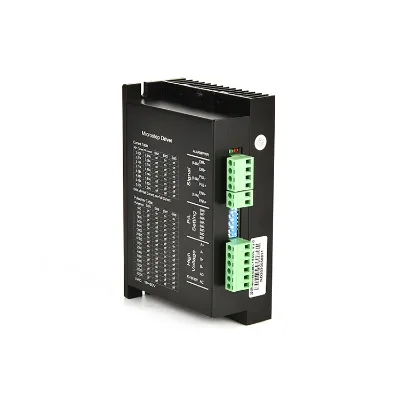
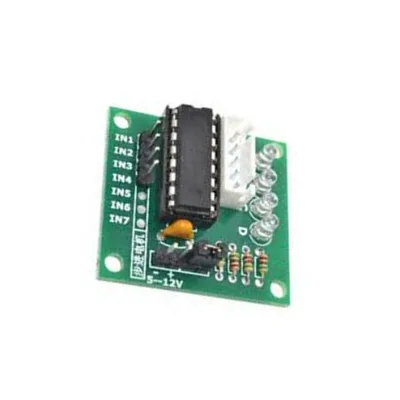
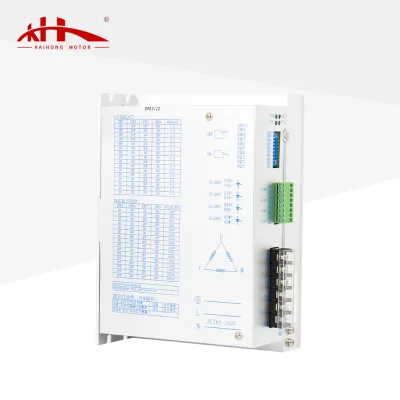
Comprehensive Sourcing Guide
Stepper Driver CNC Router Sourcing Guide
Procuring stepper drivers for CNC routers requires a precise understanding of the electrical and mechanical interfaces that define system performance. Buyers must distinguish between open-loop and closed-loop architectures, as the supplied data indicates a prevalence of open-loop structures in the current market listings. These drivers are designed to manage the continuous signal flow necessary for precise axis control, ensuring that the stepper motors respond accurately to pulse commands without feedback correction. This distinction is critical for applications where cost efficiency is prioritized over the absolute positional accuracy provided by closed-loop systems.
The observed product range includes specific models such as the DM3522 and DMA860H, which cater to different power and current requirements. Sourcing decisions should be guided by the specific current demands of the attached stepper motors, with observed output currents ranging from 3.2A to 8.0A. Buyers need to match the driver’s peak current capabilities, such as the 7.2A peak observed in certain high-power units, to the motor’s rated current to prevent overheating or insufficient torque. This alignment ensures reliable operation in demanding woodworking machinery parts and general CNC machine applications.
Product Scope and Observed Listing Signals
The current market landscape for stepper drivers in CNC routers features a diverse array of products originating primarily from China, with specific mentions of Shandong and Guangdong as key production hubs. Listings indicate a wide variety of models, including the 7208S and 5005s, which serve different segmentation ranges and pulse signal requirements. Buyers should note that the observed price range spans from $0.30 to $46.46, reflecting significant variation in brand, build quality, and technical specifications. This broad spectrum necessitates careful evaluation of each listing to ensure that the selected driver meets the specific operational needs of the CNC router.
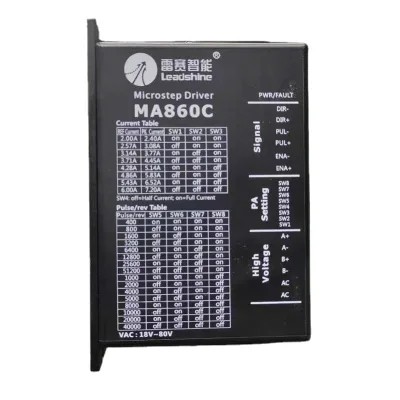
Customization is a frequently available attribute, allowing buyers to tailor drivers to unique application requirements. The observed products are generally described as new and 100% original, with some listings highlighting specific brand names like DETON and Leadshine. Packaging details, such as green export packages and single item selling units, suggest a focus on individual unit procurement rather than bulk industrial supply. Buyers should verify the physical dimensions and weight of the drivers, as observed single package sizes vary from 16x13x10 cm to 30x20x20 cm, impacting shipping costs and storage requirements.
Technical Specifications to Verify
Voltage compatibility is a paramount technical specification that must be verified before procurement. The observed data reveals a mix of input voltage requirements, including AC 220V and DC ranges from 18V to 80V. Buyers must ensure that the selected driver’s operating voltage aligns with their facility’s power supply infrastructure. For instance, some drivers are matched with specific DC power supplies, such as 70V 800W 12A units, indicating a need for precise power matching. Mismatched voltage specifications can lead to driver failure or inconsistent motor performance, making this verification step essential for system stability.
Current output and signal characteristics are equally critical for ensuring proper motor control. The observed output currents range from 3.2A to 8.0A, with peak currents reaching up to 7.2A in certain models. Buyers should verify the pulse signal voltage, which is observed to be 5V/24V, to ensure compatibility with the CNC controller’s output signals. Additionally, the limit frequency of 200KHZ observed in some listings indicates the maximum pulse rate the driver can handle. Understanding these electrical parameters helps buyers select drivers that can sustain the high-speed operations required in precision CNC routing tasks.
Compliance and Safety Documentation
Regulatory compliance is a fundamental requirement for industrial components, and the observed listings frequently cite certifications such as CE, ISO9001, and RoHS. Buyers should request and verify these certification documents to ensure that the drivers meet international safety and environmental standards. The presence of CE certification indicates conformity with health, safety, and environmental protection standards for products sold within the European Economic Area. Similarly, ISO9001 certification suggests that the manufacturer adheres to a quality management system, which can be an indicator of consistent production quality and process control.
Ingress protection ratings are another important aspect of safety and durability documentation. The observed IP54 rating for certain drivers indicates protection against dust and water splashes, which is beneficial for workshop environments where debris and moisture may be present. Buyers should verify the ingress protection level of the specific driver model to ensure it can withstand the operational conditions of their CNC router. Additionally, warranty terms, observed to range from 3 months to 1 year, provide a layer of financial protection against early failures. Understanding these compliance and warranty details helps mitigate risk and ensures long-term operational reliability.
Cost Drivers and Commercial Terms
The cost of stepper drivers is influenced by several factors, including brand reputation, technical specifications, and order volume. The observed MOQ range of 1 to 10 units suggests flexibility for small-scale procurement, but buyers should inquire about volume discounts for larger orders. Brand names like Leadshine and DETON may command higher prices due to perceived reliability and performance, while generic models may offer cost savings. Buyers should evaluate the total cost of ownership, considering not just the unit price but also shipping, customs duties, and potential replacement costs.
Commercial terms such as lead time and payment methods are critical for supply chain planning. While specific lead times are not detailed in the observed data, buyers should confirm production and delivery schedules with suppliers to avoid project delays. Payment terms, including deposits and balance payments, should be clearly defined in the purchase agreement. Additionally, buyers should consider the cost of packaging and handling, as observed single gross weights vary from 1.0 kg to 3.0 kg. Understanding these commercial dynamics helps buyers negotiate favorable terms and manage cash flow effectively.
Supplier Qualification and Quality Control
Supplier qualification is essential for ensuring the reliability and consistency of stepper driver supplies. Buyers should verify the manufacturer’s production capabilities, quality control processes, and after-sales support. The observed place of origin, primarily China, indicates a mature manufacturing ecosystem, but buyers should conduct due diligence to identify reputable suppliers. Requesting samples before placing bulk orders allows buyers to assess the physical quality, build, and performance of the drivers. This hands-on evaluation can reveal potential issues that may not be apparent from product descriptions alone.
Quality control measures should include testing for electrical performance, thermal stability, and signal integrity. Buyers should inquire about the supplier’s testing protocols and whether they perform 100% original product verification. The observed condition of being "100% Original" suggests a focus on authenticity, but buyers should remain vigilant against counterfeits. Establishing a clear communication channel with the supplier for technical support and issue resolution is also crucial. A qualified supplier will provide comprehensive documentation and responsive support, ensuring a smooth procurement experience and reliable long-term partnership.
Long-Term Procurement Checks
Long-term procurement success depends on continuous monitoring of supplier performance and product reliability. Buyers should establish key performance indicators, such as defect rates, delivery times, and response to technical queries, to evaluate supplier consistency. Regular audits or reviews of the supplier’s quality management system can help identify areas for improvement and ensure ongoing compliance with standards. Building a relationship with the supplier can also facilitate access to new products and technical updates, keeping the CNC router operations at the forefront of technology.
Product lifecycle management is another critical aspect of long-term procurement. Buyers should monitor the availability of spare parts and replacement drivers to minimize downtime in case of failure. The observed warranty periods provide a baseline for expected product lifespan, but buyers should plan for eventual replacement. Staying informed about industry trends and technological advancements in stepper driver technology can help buyers make proactive decisions about upgrades or replacements. By maintaining a strategic approach to procurement, buyers can ensure the sustained performance and efficiency of their CNC router systems.
FAQs
What certifications do stepper drivers for CNC routers have?
These drivers typically hold CE, ISO9001, and RoHS certifications. This ensures compliance with international safety and environmental standards. Buyers can verify these credentials to ensure the components meet regulatory requirements for industrial machinery manufacturing and export.
Can I customize stepper drivers for specific CNC applications?
Yes, customization is available for many stepper driver models. Manufacturers offer tailored solutions to meet unique operational needs. This flexibility allows buyers to adapt the hardware to specific machine configurations, ensuring optimal performance and integration within complex CNC systems.
What is the typical output current range for these drivers?
The output current generally ranges from 3.2A to 8.0A. This capacity supports various stepper motor sizes, including 86/110 models. Selecting the correct current rating is essential for driving motors effectively without overheating or losing torque during high-load operations.
Which brands are commonly used for CNC stepper drivers?
Common brands include DETON and Leadshine. These manufacturers produce reliable drivers like the DM3522 and DMA860H. Choosing established brands helps ensure product quality, availability of technical support, and compatibility with standard CNC control systems used in woodworking and routing machinery.
What is the warranty period for stepper motor drivers?
Warranty periods typically range from 3 months to 1 year. This coverage protects buyers against manufacturing defects. A longer warranty often indicates higher confidence in product durability. Buyers should confirm specific terms with suppliers to ensure adequate protection for their investment.
Where are these stepper drivers primarily manufactured?
These drivers are primarily manufactured in China, specifically in regions like Shandong and Guangdong. This location offers a robust supply chain for electronic components. Buyers can leverage this manufacturing hub to source high-quality drivers at competitive prices with efficient logistics.