Source Sterile Urine Transfer Straw for Lab, Clinic, and Home Use
Find and compare 30 sterile urine transfer straw options from verified Chinese manufacturers. These manual, disposable tools are available in various sizes and sterilization methods, supporting OEM customization for laboratory and clinical applications; compare the available evidence and request quotations based on your requirements.
Key considerations
Products List


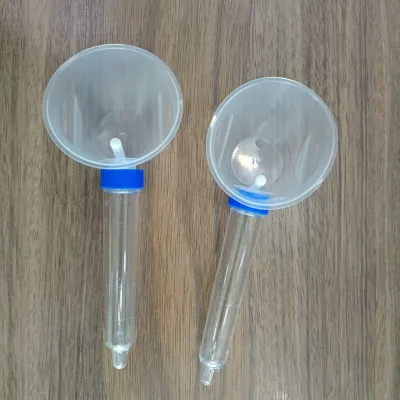
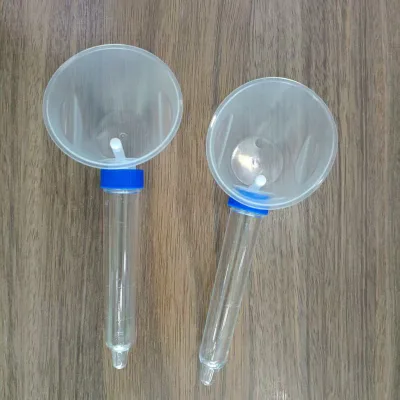


Comprehensive Sourcing Guide
Sterile Urine Transfer Straw Sourcing Guide
Procuring sterile urine transfer straws requires careful attention to material composition and sterilization methods to ensure sample integrity during laboratory analysis. The available market data indicates that these devices are frequently manufactured from medical-grade plastic or rubber, with specific models offering transparent or white finishes to facilitate visual inspection of fluid levels. Buyers must verify that the selected straws are compatible with standard collection cups and tubes, as the observed product standards include specific volume capacities ranging from 1ml to 2000ml depending on the intended application.
Commercial listings reveal a diverse range of customization options, including logo printing and OEM support, which allows laboratories to brand their consumables while maintaining strict quality control. The supply chain for these items is primarily centered in China, with specific manufacturing hubs in Jiangsu and Changzhou, offering both sterile and non-sterile variants to meet different operational needs. Sourcing strategies should prioritize suppliers who provide clear evidence of Ethylene Oxide sterilization processes, ensuring that the final product is non-toxic and non-pyrogenic for safe handling in clinical environments.
Product Scope and Observed Listing Signals
The observed product listings demonstrate a wide spectrum of configurations, from simple 1ml transfer units to larger 2000ml capacity systems, catering to both adult and pediatric diagnostic requirements. Buyers should note that while some models are designed as single-use disposable items with individual packing, others may come in bulk cartons containing hundreds of pieces, necessitating a clear assessment of inventory turnover rates before placing large orders. The presence of optional sizes and thickness specifications, such as 1.2mm wall thickness, suggests that procurement teams must define precise dimensional requirements to avoid compatibility issues with existing laboratory equipment.
Listing signals also highlight the availability of sample units for free evaluation, a critical feature for validating product performance before committing to significant volume purchases. The data indicates that delivery times can vary significantly based on cargo size, with small shipments potentially arriving within three to five days while larger orders may require up to twenty days. This variability underscores the importance of aligning procurement timelines with laboratory demand cycles, ensuring that stock levels remain sufficient to prevent workflow interruptions during peak testing periods.
Technical Specifications to Verify
Technical verification must begin with the confirmation of material safety, specifically ensuring that the plastic or rubber components meet medical device standards for biocompatibility and chemical resistance. Buyers should explicitly request documentation confirming that the straws are manufactured from non-toxic materials that do not leach harmful substances into urine samples, as this is a fundamental requirement for accurate diagnostic results. The observed product models, such as UC01 and TYC22, offer specific volume standards that must be matched against the laboratory's existing collection protocols to ensure seamless integration into daily testing workflows.
Sterilization status is another critical technical parameter that requires immediate attention, as the market offers both sterile and non-sterile options with varying packaging methods. Procurement teams must verify whether the Ethylene Oxide sterilization is applied individually or in bulk, as this impacts the shelf life and handling procedures required upon receipt. Additionally, the transparency of the material, described as transparent clear or translucent, should be confirmed to ensure that operators can easily monitor fluid levels and detect any potential contamination or air bubbles during the transfer process.
Compliance and Safety Documentation
Regulatory compliance is paramount when sourcing medical consumables, and buyers must insist on valid ISO and CE certifications to ensure the products meet international safety and quality benchmarks. The observed listings frequently reference ISO13485 and CE marks, which indicate adherence to rigorous medical device management systems and European safety directives. However, it is essential to validate that these certifications are current and specifically cover the product models being purchased, as certification status can vary between different manufacturing batches or product lines within the same supplier.
Safety documentation should also include detailed records of the sterilization process, confirming that Ethylene Oxide gas was used effectively to eliminate pathogens without leaving toxic residues. Buyers should request certificates of analysis that verify the non-pyrogenic nature of the straws, ensuring they are safe for use in sensitive clinical settings where patient health is at risk. Furthermore, the packaging standards, such as safe exported cartons or specific bag counts, must be reviewed to confirm that the product remains sterile and protected from environmental contaminants throughout the shipping and storage lifecycle.
Cost Drivers and Commercial Terms
Cost structures for sterile urine transfer straws are influenced by several factors, including the complexity of the sterilization process, the volume of the order, and the level of customization required. While the observed price range in the market is low, the total cost of ownership must account for shipping fees, which vary based on cargo size and delivery timeframes ranging from five to twenty days. Buyers should negotiate terms that reflect the actual volume requirements, as the minimum order quantities observed span from single units to hundreds of thousands, allowing for flexibility in budget management.
Commercial terms also encompass the availability of free samples and the specific packaging configurations, which can impact logistics costs and storage efficiency. Suppliers offering OEM and ODM support may charge additional fees for branding and custom specifications, so procurement teams must clarify these costs upfront to avoid unexpected expenses. It is advisable to establish clear agreements on delivery schedules, particularly for large cargo shipments, to ensure that the supply chain remains resilient against potential delays in the manufacturing or logistics sectors.
Supplier Qualification and Quality Control
Supplier qualification should focus on verifying the manufacturing location and the consistency of their quality assurance processes, as the data indicates production primarily in Jiangsu and Changzhou, China. Buyers must assess the supplier's track record for maintaining a one-year quality guarantee period and their ability to provide consistent product specifications across different production runs. The presence of a dedicated quality guarantee period suggests a commitment to product reliability, but it is crucial to confirm that this guarantee covers the specific defects or failures that are most relevant to the laboratory's operational risks.
Quality control protocols must be rigorously evaluated to ensure that every batch of straws meets the required sterility and material standards. Procurement teams should request evidence of in-process testing and final inspection procedures that verify the dimensions, transparency, and sterilization efficacy of the products. Additionally, the supplier's ability to handle custom orders, such as specific logo printing or unique packaging requirements, should be tested through a pilot order to confirm their operational flexibility and adherence to quality standards before scaling up to full production volumes.
Long-Term Procurement Checks
Establishing a long-term procurement strategy requires regular audits of supplier performance to ensure consistent adherence to quality and delivery standards over time. Buyers should implement a system for tracking product performance, including any instances of sterility failures or material defects, to identify trends that may indicate a need for supplier intervention or replacement. The observed variability in delivery times and order volumes necessitates a dynamic approach to inventory management, ensuring that stock levels are adjusted based on real-time usage data and supplier reliability metrics.
Continuous engagement with suppliers regarding updates in certifications and regulatory changes is essential to maintain compliance in an evolving medical landscape. Procurement teams should schedule periodic reviews to discuss potential improvements in product design, such as enhanced transparency or more efficient packaging, that could reduce costs or improve workflow efficiency. By maintaining a proactive relationship with suppliers, laboratories can secure a stable supply of high-quality sterile urine transfer straws that support their diagnostic operations and patient care standards for years to come.
FAQs
What certifications do sterile urine transfer straws have?
These products typically hold ISO and CE certifications, with some manufacturers providing ISO13485 compliance for medical-grade standards. Ethylene oxide sterilization is commonly used to ensure the items are non-toxic and non-pyrogenic. Buyers should verify specific certificate documents from suppliers to confirm regulatory adherence for their target markets.
Can these straws be customized with a logo?
Yes, customization is available, including logo printing on the packaging or the product itself. Manufacturers often support OEM and ODM services to meet specific branding requirements. Buyers can request custom packaging solutions, such as individual bags or cartons, to align with their distribution and marketing strategies effectively.
What is the typical delivery time for orders?
Delivery times vary based on order volume. Small cargo shipments generally take three to five days, while large cargo orders may require five to twenty days. These estimates depend on the supplier's location and current production capacity. Buyers should confirm exact lead times with the manufacturer before finalizing purchase agreements.
Are sterile urine transfer straws disposable?
Yes, these items are designed as single-use disposable products to prevent cross-contamination. They are often individually packed and sterilized using ethylene oxide gas. This ensures safety and hygiene for laboratory or clinical use. The disposable nature simplifies disposal and reduces the need for cleaning or reprocessing equipment.
What materials are used to make these straws?
Manufacturers typically use plastic, rubber, or medical-grade PVC for these straws. Some products feature transparent clear or white colors for easy visibility. The material choice ensures flexibility and durability during use. Buyers should check specific product specifications to confirm the exact material composition required for their application needs.
What packaging options are available for bulk orders?
Packaging varies by model, with options like 96 pieces per bag or 250 pieces per carton. Some suppliers use safe exported cartons for international shipping. Custom packaging sizes can often be arranged through OEM services. Buyers should specify their preferred packing quantity to ensure efficient storage and handling upon delivery.