Source Surgical Drape for Hospital Surgery and Medical Use
Compare 30 Surgical Drape options from verified Chinese manufacturers. Buyers can evaluate materials like SMS, certifications including CE and ISO13485, and customization features for hospital and surgery room applications; compare the available evidence and request quotations based on your requirements.
Key considerations
Products List


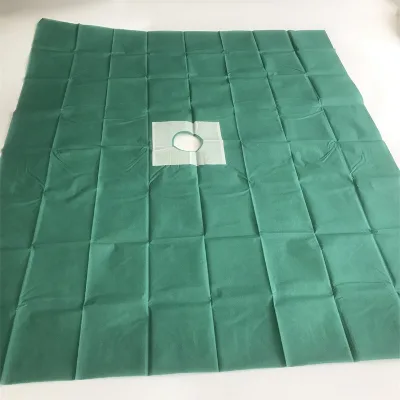






Factory Price Medical Equipment Medical Supply Non-Woven Surgical Drape
$0.08 - $0.30
MOQ: 1000 Pieces

Comprehensive Sourcing Guide
Surgical Drape Sourcing Guide
Surgical drapes are critical sterile barriers used in operating rooms to maintain aseptic conditions and protect patients from surgical site infections. These products typically fall under surgical supplies materials and are designed for adult patients in hospital or surgery room environments. Buyers must distinguish between basic universal drapes and specialized fenestrated options tailored for specific procedures such as orthopedics, urology, or ophthalmology. The material composition often includes non-woven fabrics like SMS or SMMS layers, which provide fluid repellency and breathability. Understanding the specific application is the first step in defining procurement requirements, as the drape’s design directly impacts surgical efficiency and patient safety.
Procurement teams should evaluate the physical attributes of the drape, including color, pattern, and packaging, to ensure compatibility with existing hospital protocols. Common colors include green or blue, which reduce eye strain for surgeons during long procedures. Patterns may feature holes for surgical access or remain solid for general coverage. Packaging formats vary significantly, ranging from individual sterile pouches to bulk blister bags or carton quantities. These logistical details influence storage requirements and inventory management strategies. By aligning product specifications with clinical needs, buyers can optimize both operational workflow and cost efficiency while ensuring that the selected drapes meet the rigorous demands of modern surgical environments.
Product Scope and Observed Listing Signals
Market listings for surgical drapes reveal a wide range of product models and configurations, indicating a diverse supply base. Observed product models include designations such as D-018, SD-04, SD-06, and D4002, suggesting that manufacturers offer multiple variants to cater to different surgical specialties. The price range observed in listings spans from low-cost items to higher-priced specialized drapes, reflecting variations in material quality, sterilization methods, and packaging complexity. Buyers should note that the minimum order quantity (MOQ) can vary significantly, with some suppliers requiring bulk purchases while others accommodate smaller trial orders. This variability allows procurement teams to negotiate terms that align with their inventory turnover rates and budget constraints.
The customization options available in the market provide flexibility for hospitals seeking branded or specialized products. Many suppliers offer logo printing services, allowing institutions to brand their drapes for internal identification or promotional purposes. Additionally, the availability of both fenestrated and non-fenestrated designs ensures that buyers can select drapes that match specific surgical requirements. Some listings highlight features such as alcohol, blood, and fluid repellency, which are crucial for maintaining a sterile field. Buyers should carefully review these observed signals to identify suppliers who can meet their specific technical and commercial needs, ensuring that the selected products align with their clinical and operational standards.
Technical Specifications to Verify
When evaluating surgical drapes, buyers must verify key technical specifications to ensure product suitability for their intended use. Material composition is a primary consideration, with non-woven fabrics like SMS or SMMS being common choices due to their fluid repellency and strength. The regular material layer often includes a durable component to enhance performance during surgical procedures. Buyers should confirm the presence of ethylene oxide sterilization to ensure the product is safe for direct patient contact. Additionally, the quality guarantee period, often stated as two years, provides assurance regarding the product’s shelf life and stability. Verifying these technical details helps prevent mismatches between supplier claims and actual product performance, reducing the risk of procurement errors.
Packaging and sizing specifications are equally important for operational efficiency. Drapes are typically available in standard sizes such as 75x75cm or 100x100cm, with packaging formats ranging from individual sterile pouches to bulk cartons. Buyers should verify the exact packaging configuration, such as one piece per blister bag or twenty pieces per carton, to align with their storage and distribution capabilities. The presence or absence of holes in the drape design must also be confirmed, as this affects the drape’s applicability for specific surgical procedures. By meticulously verifying these technical specifications, procurement teams can ensure that the selected drapes meet clinical requirements and integrate seamlessly into hospital workflows.
Compliance and Safety Documentation
Compliance with international standards is essential for surgical drapes to ensure patient safety and regulatory adherence. Buyers should verify that products hold relevant certifications such as CE, ISO 13485, and FDA approval, which indicate that the manufacturer meets rigorous quality and safety requirements. The CE mark signifies conformity with health, safety, and environmental protection standards for products sold within the European Economic Area. ISO 13485 certification specifically addresses quality management systems for medical devices, ensuring consistent manufacturing processes. FDA approval further validates the product’s safety and efficacy for use in medical settings. These certifications provide a baseline for trust, but buyers must also request documentation to confirm that the certifications are current and applicable to the specific product models being procured.
In addition to certifications, buyers should assess the manufacturer’s adherence to recognized standards such as EN 13795, which outlines requirements for surgical drapes and gowns. While not all listings explicitly mention this standard, it is a critical benchmark for product performance in European markets. Buyers should also verify the origin of the products, with many suppliers listing China or specific provinces like Hubei as the production location. Understanding the supply chain’s geographic context can help assess logistical risks and regulatory compliance. By thoroughly reviewing compliance and safety documentation, procurement teams can mitigate risks associated with non-conforming products and ensure that their suppliers maintain high standards of quality and regulatory adherence.
Cost Drivers and Commercial Terms
Several factors influence the cost of surgical drapes, including material quality, sterilization methods, and packaging complexity. High-performance materials like SMMS or those with additional durable layers typically command higher prices due to their enhanced fluid repellency and strength. Ethylene oxide sterilization adds to the cost but is essential for ensuring product safety. Packaging formats also impact pricing, with sterile pouches and blister bags offering greater protection but incurring higher production costs compared to simple poly bags. Buyers should consider the total cost of ownership, including storage and handling expenses, when evaluating price ranges. Understanding these cost drivers enables procurement teams to make informed decisions that balance quality and budget constraints.
Commercial terms such as minimum order quantities (MOQ) and customization options significantly affect procurement strategies. Suppliers may require MOQs ranging from small trial orders to large bulk purchases, influencing inventory management and cash flow. Customization services, including logo printing and specialized packaging, often incur additional fees but can enhance brand identity and operational efficiency. Buyers should negotiate terms that align with their volume requirements and budgetary limits. Additionally, lead times and payment terms should be clarified to avoid disruptions in supply. By carefully analyzing cost drivers and commercial terms, procurement teams can optimize their sourcing strategies to achieve cost-effectiveness without compromising on product quality or supplier reliability.
Supplier Qualification and Quality Control
Supplier qualification is a critical step in ensuring the reliability and consistency of Surgical Drape supplies. Buyers should assess the manufacturer’s production capabilities, quality management systems, and track record in the medical device industry. Verification of certifications such as ISO 13485 and CE provides initial assurance of compliance, but buyers must also evaluate the supplier’s internal quality control processes. This includes reviewing their testing protocols for fluid repellency, tensile strength, and sterility assurance. Suppliers with robust quality control systems are more likely to deliver consistent product performance, reducing the risk of defects or non-conformities. Engaging with suppliers who prioritize quality helps build a resilient supply chain capable of meeting clinical demands.
Quality control extends beyond initial qualification to ongoing monitoring and performance evaluation. Buyers should establish clear quality metrics and conduct regular audits or sample testing to verify product consistency. Feedback from clinical staff regarding drape performance can provide valuable insights into product suitability and areas for improvement. Additionally, buyers should assess the supplier’s responsiveness to quality issues and their ability to implement corrective actions. Building a collaborative relationship with suppliers fosters continuous improvement and ensures that product specifications remain aligned with evolving clinical needs. By prioritizing supplier qualification and rigorous quality control, procurement teams can mitigate risks and ensure the delivery of high-quality surgical drapes that support patient safety and surgical efficiency.
Long-Term Procurement Checks
Long-term procurement success requires continuous monitoring of supplier performance and market dynamics. Buyers should establish key performance indicators (KPIs) to track metrics such as delivery reliability, product quality, and responsiveness to issues. Regular reviews of supplier performance help identify potential risks and opportunities for improvement. Additionally, staying informed about changes in regulatory standards and market trends ensures that procurement strategies remain aligned with current requirements. Buyers should also evaluate the supplier’s ability to innovate and adapt to new clinical needs, such as developing specialized drapes for emerging surgical techniques. By maintaining a proactive approach to supplier management, procurement teams can ensure a stable and reliable supply of surgical drapes.
Sustainability and ethical sourcing are increasingly important considerations in long-term procurement strategies. Buyers should assess suppliers’ environmental practices and commitment to ethical manufacturing processes. This includes evaluating their waste management, energy usage, and labor practices. Suppliers who prioritize sustainability not only reduce environmental impact but also enhance their brand reputation and regulatory compliance. Additionally, buyers should consider the total cost of ownership, including potential costs associated with product recalls or quality issues. By integrating sustainability and ethical considerations into their procurement strategies, buyers can build a resilient supply chain that supports both clinical excellence and corporate social responsibility goals.
FAQs
What certifications do surgical drapes typically hold?
Surgical drapes commonly hold CE, ISO 13485, and FDA certifications. These standards ensure the products meet rigorous medical device regulations for safety and quality. Buyers should verify specific documentation to confirm compliance with regional healthcare requirements and institutional procurement policies.
Can surgical drapes be customized with a logo?
Yes, customization is available for many Surgical Drape products. Manufacturers often offer logo printing services to help hospitals and clinics maintain brand identity. Buyers can request specific branding options to align with their institutional standards and visual guidelines.
What materials are used for surgical drapes?
Surgical drapes are typically made from non-woven fabrics like SMS or SMMS. These materials provide fluid repellency and breathability. Some products include a durable layer for enhanced protection. The choice of material depends on the specific surgical procedure and required barrier performance.
What is the typical packaging for surgical drapes?
Packaging varies by product type but often includes sterile pouches or blister bags. Common configurations are one piece per sterile pouch or twenty pieces per carton. This ensures hygiene during storage and transport. Buyers should check specific packing details for each item.
Which sizes are available for surgical drapes?
Standard sizes often include 75x75cm and 100x100cm options. These dimensions suit various surgical applications. Some products may offer fenestrated designs with holes. Buyers should select sizes based on the specific surgical site and procedural requirements to ensure adequate coverage.
How long is the quality guarantee for surgical drapes?
Many Surgical Drape products come with a two-year quality guarantee period. This warranty covers defects in materials and workmanship. It provides assurance for hospital procurement teams. Buyers should review specific terms to understand coverage details and claim procedures.