Source Oral Swab for Virus Sampling, Antigen Testing, and Specimen Collection
Source Oral Swab products from 30 verified listings. Compare CE-certified options for virus sample storage, antigen testing, and specimen collection. Evaluate customization, sterilization, and lead times to find the right supplier for your medical needs; compare the available evidence and request quotations based on your requirements.
Key considerations
Products List


$0.02 - $0.04
MOQ: 10000 Pieces

Oral Swabs and Nasal Swabs Collection Kits Two Swabs Kits Vtm for PCR Test
$0.38 - $0.50
MOQ: 10000 Pieces


Factory Nasal Swab & Oral Swab with Virus Transfer Medium Tube Vtm
$0.38 - $0.50
MOQ: 10000 Pieces


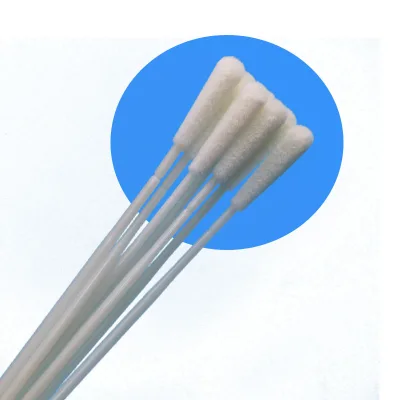
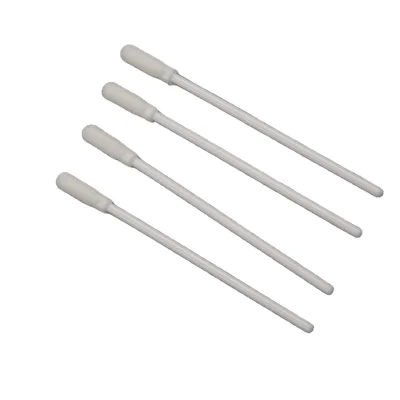
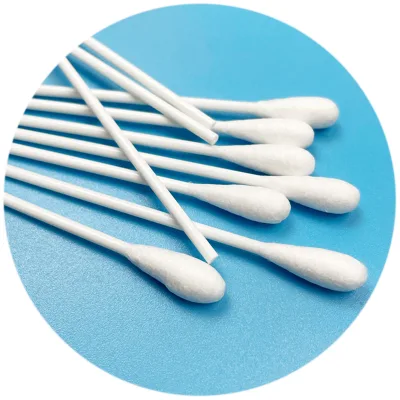
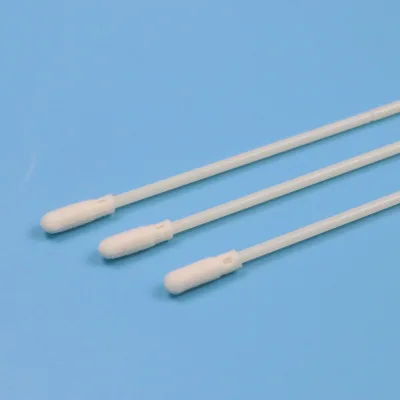
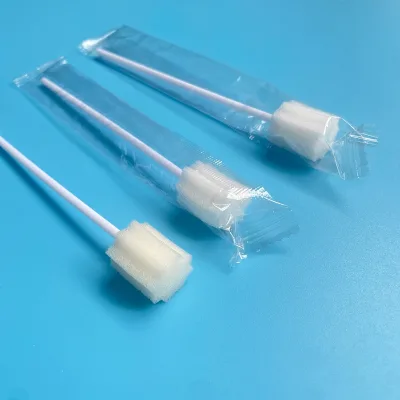
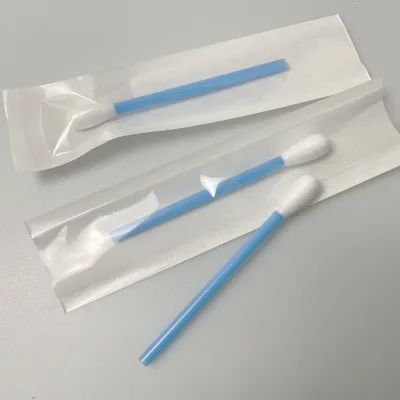


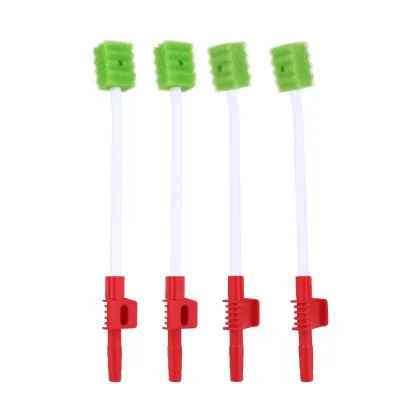


$0.05 - $0.11
MOQ: 1 Pieces

$0.05 - $0.11
MOQ: 1 Pieces

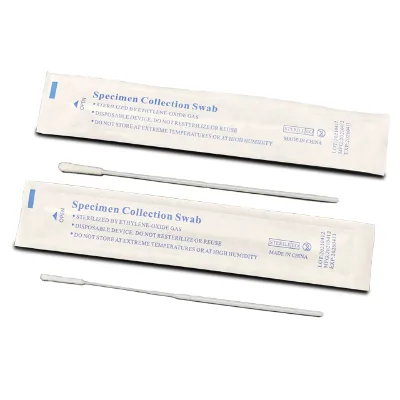


Comprehensive Sourcing Guide
Oral Swab Sourcing Guide
Procuring oral swabs requires a clear understanding of the specific diagnostic or sampling intent, as the market offers distinct variations tailored to different medical and logistical needs. Buyers must first determine whether the requirement is for simple specimen collection, such as for viral RNA extraction, or for integrated diagnostic testing that includes antigen detection capabilities. The supplied data indicates a range of product models, including the SL901A and RJ-1, which suggests that sourcing decisions should be driven by the specific downstream application, whether that be home use, clinical diagnostics, or large-scale public health screening.
The observed product landscape reveals significant diversity in material composition and functional design, with options ranging from standard plastic handles to specialized foam heads shaped according to buyer requests. Some listings highlight ethylene oxide sterilization and Type 1 medical device regulatory classifications, while others emphasize features like virus sample storage and transportation functions. This variety necessitates a rigorous initial filtering process to align the physical attributes of the swab, such as handle length and head shape, with the precise operational requirements of the end-user environment to ensure both efficacy and user comfort.
Product Scope and Observed Listing Signals
The current market signals indicate a broad spectrum of Oral Swab configurations, with observed price points ranging from $0.01 to $1 per unit and minimum order quantities (MOQs) varying widely from 100 pieces to 200,000 units. This disparity suggests that buyers can access both small-batch prototyping options and high-volume industrial supply chains, depending on their immediate procurement needs. The presence of customization options for color and logo printing further indicates that many suppliers are equipped to handle branded distribution channels, allowing organizations to maintain consistent visual identity across their diagnostic or sampling kits.
Listing attributes also reveal critical operational details, such as lead times of five days to one week and output capacities reaching 500,000 units, which are vital for supply chain planning. Products are described with specific standards, such as 100-500 pieces per box or 5/7/10ml tube capacities, and are often packaged in boxes or cartons for efficient logistics. The mention of free samples and flexible payment terms like T/T provides additional leverage for buyers to validate quality before committing to large orders, while the distinction between disposable usage and reusable components helps in calculating the total cost of ownership accurately.
Technical Specifications to Verify
When evaluating technical specifications, buyers must prioritize the material composition and sterilization method to ensure compatibility with downstream laboratory processes. The supplied facts confirm the use of plastic materials and ethylene oxide sterilization, which are standard for maintaining sterility without compromising the integrity of biological samples. It is essential to verify the specific type of swab head, whether it is flocked nylon or foam, as this directly impacts sample release efficiency and cell collection yield. The observed color options, such as white flocked nylon, should be cross-referenced with internal quality control protocols to ensure visual clarity during inspection.
Read time and method are critical technical parameters for any integrated test kits, with observed data indicating a 15-minute read time and the use of colloidal gold methods for antigen testing. Buyers should confirm the specimen type compatibility, ensuring the swab is suitable for oral or nasal sampling as required by the diagnostic protocol. Additionally, the physical dimensions, such as the 15cm Oral Swab size or lengths ranging from 110mm to 150mm, must be verified against ergonomic standards to prevent user discomfort during collection. The classification as biological diagnostics or test strips and tubes further dictates the handling and storage requirements, which must be clearly defined in the technical datasheet.
Compliance and Safety Documentation
Compliance with regulatory standards is non-negotiable for medical device procurement, and the observed listings frequently cite CE certification and ISO standards as key indicators of quality assurance. Buyers must verify that the CE marking corresponds to the correct directive and that the ISO certifications, such as ISO 13485 for medical devices or ISO 9001 for quality management, are current and valid for the specific manufacturing site. The mention of Type 1 medical device regulatory type suggests a lower risk category, but buyers should still conduct due diligence to ensure that the manufacturer maintains robust quality management systems that meet international expectations for safety and performance.
Safety documentation should also include detailed information on sterilization validation and biocompatibility testing, especially since ethylene oxide is used in the production process. Buyers should request certificates of analysis and material safety data sheets (MSDS) to ensure that residual sterilization agents are within safe limits. The quality guarantee period, observed as one or two years, provides a baseline for warranty claims, but it is crucial to understand the specific terms and conditions attached to these guarantees. Ensuring that all documentation is in English and aligns with the regulatory requirements of the destination market is essential for smooth customs clearance and market entry.
Cost Drivers and Commercial Terms
Cost structures for oral swabs are influenced by several factors, including material quality, sterilization methods, and the complexity of packaging. The observed price range of $0.01 to $1 reflects these variations, with higher prices likely associated with specialized features like customized foam heads or integrated test tubes. Buyers should analyze the total cost of ownership, considering not just the unit price but also shipping costs, import duties, and the potential costs associated with quality failures. The availability of free samples allows buyers to assess value without significant financial risk, enabling a more informed comparison between different suppliers.
Commercial terms such as MOQs and lead times play a significant role in budgeting and inventory management. With MOQs ranging from 100 to 200,000 units, buyers can negotiate terms that align with their cash flow and storage capabilities. Lead times of five days to one week suggest a responsive supply chain, but buyers should account for potential delays during peak demand periods. Payment terms like T/T offer flexibility, but buyers should consider using secure payment methods or letters of credit for larger transactions to mitigate financial risk. Understanding these commercial dynamics helps in building a resilient and cost-effective supply chain.
Supplier Qualification and Quality Control
Supplier qualification begins with verifying the manufacturer’s capabilities and track record, as the observed data indicates self-owned manufacturing facilities with significant output capacities. Buyers should assess the supplier’s ability to maintain consistent quality across large production runs, given the observed output of 500,000 units. It is advisable to request references or case studies from previous clients to gauge the supplier’s reliability and responsiveness. The presence of customization options suggests that the supplier has the flexibility to adapt to specific buyer requirements, which is a positive indicator of their operational maturity.
Quality control processes should be rigorously evaluated, with a focus on in-process inspections and final product testing. Buyers should inquire about the supplier’s defect rate and their procedures for handling non-conforming products. The observed quality guarantee periods of one or two years indicate a level of confidence in product durability, but buyers should also verify the supplier’s after-sales support capabilities. Conducting on-site audits or third-party inspections can provide valuable insights into the supplier’s manufacturing environment and quality management practices, ensuring that the oral swabs meet the required standards for safety and performance.
Long-Term Procurement Checks
Long-term procurement success depends on establishing a continuous improvement loop with suppliers, focusing on performance metrics and feedback mechanisms. Buyers should regularly review key performance indicators such as delivery accuracy, product quality, and responsiveness to issues. The observed lead times and MOQs provide a baseline for these metrics, but buyers should aim to negotiate improvements over time, such as reduced lead times or lower MOQs for repeat orders. Building a strong relationship with the supplier can lead to better pricing and priority treatment during supply shortages.
It is also essential to stay updated on regulatory changes and market trends that may impact the procurement of oral swabs. Buyers should monitor developments in diagnostic technologies and material science to ensure that their sourcing strategy remains competitive and compliant. Regularly revisiting the technical specifications and compliance documentation can help identify potential risks or opportunities for optimization. By maintaining a proactive approach to supplier management and market analysis, buyers can ensure a stable and efficient supply of oral swabs for their operational needs.
FAQs
What certifications do the oral swabs hold?
The oral swabs hold CE and ISO certifications as documented in the product facts. Some listings also include ISOMSDS certification. These certifications ensure the products meet specific regulatory standards for medical device classification and safety requirements in various markets.
Can I customize the logo on the swabs?
Yes, logo printing is available for these oral swabs. Buyers can choose between options with or without logo printing depending on their specific branding needs. This customization feature allows for tailored packaging solutions while maintaining the core product functionality for specimen collection.
What is the lead time for these products?
The lead time for these oral swabs varies between one week and five days depending on the specific order. Some suppliers indicate a one-week timeline while others offer a faster five-day turnaround. This flexibility helps accommodate urgent procurement needs for medical supplies.
How are the oral swabs packaged for shipment?
The oral swabs are packaged in boxes or cartons as per the product specifications. The standard packing includes quantities ranging from 100 to 500 pieces per box. This packaging ensures safe transportation and easy inventory management for bulk buyers in the medical supply chain.
What is the minimum order quantity for these swabs?
The minimum order quantity for these oral swabs ranges from 100 pieces to 200,000 units. Specific listings show MOQs as low as 100 pieces while others require higher volumes. This wide range allows flexibility for both small clinical trials and large-scale distribution requirements.
Are the swabs suitable for virus sample storage?
Yes, these oral swabs are designed for virus sample storage and transportation. They function effectively for antigen testing and biological diagnostics using colloidal gold methods. The swabs support specimen collection from oral and nasal sites for accurate diagnostic results in home or clinical settings.
What is the warranty period for these products?
The quality guarantee period for these oral swabs is typically one year or two years depending on the specific product listing. Some manufacturers offer a two-year warranty while others provide a one-year guarantee. This ensures reliability and quality assurance for medical diagnostic applications.