Source Triangle Paediatric Urine Collector for Hospital, Lab, Home
Find and compare 30 Triangle Paediatric Urine Collector options from verified manufacturers. Evaluate features like sterilization, capacity, and customization to select the right urology supplies for clinical and home use; compare the available evidence and request quotations based on your requirements.
Key considerations
Products List


Medical Disposable Pediatric Urine Collector Urine Bag with CE, ISO Certificate
$0.10 - $0.80
MOQ: 100000 Pieces

Disposable Pediatric Urostomy PVC Urine Meter Bag Pediatric Urine Collector Manufacture Price
$0.10 - $0.80
MOQ: 100000 Pieces


Hospital Medical Use Disposable Paediatric Urine Collector Urine Bag for Baby
$0.03 - $0.05
MOQ: 50000 Pieces
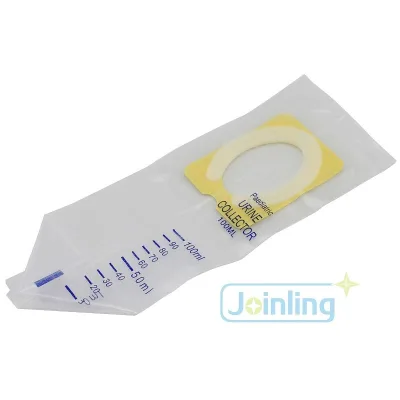


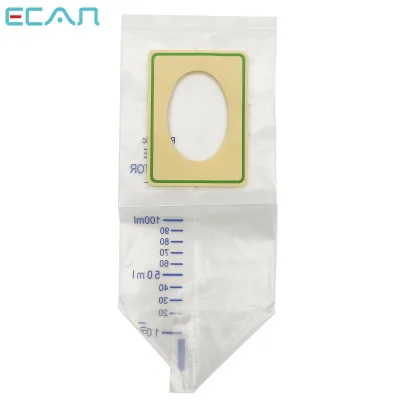
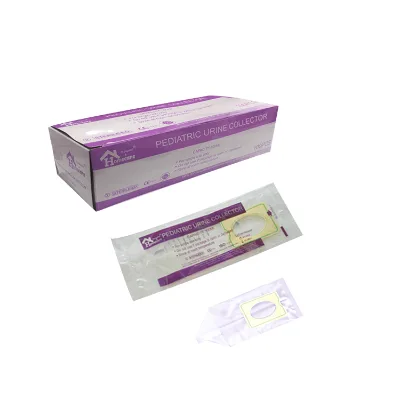

Infant Pediatric Child Urine Collection Bag 100ml/200ml Urine Collector
$0.05 - $0.07
MOQ: 10000 pieces

Medical Hospital Disposable Urine Collector 100ml 200ml Pediatric Urine Bag
$0.04 - $0.06
MOQ: 10000 Pieces


Paediatric Urine Collector Urine Drainage Bag for Baby Care with FDA Ce ISO
$0.08 - $0.15
MOQ: 10000 Pieces


Comprehensive Sourcing Guide
Triangle Paediatric Urine Collector Sourcing Guide
Procuring triangle paediatric urine collectors requires a nuanced understanding of both clinical utility and supply chain reliability. These devices are critical for non-invasive urine collection in infants and young children, where traditional catheterization poses higher risks of infection and discomfort. Buyers must prioritize products that offer a secure, leak-proof seal to ensure accurate sample volume and prevent skin irritation. The triangular design is specifically engineered to conform to the natural anatomy of paediatric patients, enhancing comfort and reducing the likelihood of dislodgement during use.
The sourcing landscape for these medical disposables is characterized by a wide range of manufacturers, primarily based in regions with established medical device manufacturing capabilities. While the core function remains consistent, variations in material quality, adhesive strength, and bag capacity can significantly impact clinical outcomes. Procurement teams need to establish clear specifications regarding patient age groups, such as distinguishing between neonatal and toddler requirements, to ensure the selected product meets the specific needs of their paediatric wards or outpatient clinics.
Product Scope and Observed Listing Signals
Market listings for triangle paediatric urine collectors often highlight key attributes such as disposable construction and specific material compositions like PVC or plastic. Buyers should observe that many suppliers offer customization options, including logo printing and varied packaging formats, which can be crucial for hospital branding and inventory management. The observed price range suggests a competitive market, but the low entry points may indicate basic quality tiers, necessitating careful evaluation of material safety and adhesive performance before committing to large orders.
Listing signals also reveal significant variability in minimum order quantities (MOQ), ranging from small trial orders to bulk industrial quantities. This flexibility allows hospitals to test product efficacy with smaller batches before scaling up procurement. Additionally, the presence of specific model numbers and standard capacities, such as 100ml or 200ml, provides a baseline for technical verification. Buyers should note that while some listings claim universal applicability, specific models may be tailored for different patient groups, requiring precise matching to clinical protocols.
Technical Specifications to Verify
Technical verification must begin with the material composition, ensuring the collector is made from medical-grade PVC or plastic that is hypoallergenic and latex-free. The adhesive quality is paramount; it must be strong enough to maintain a seal on delicate infant skin but gentle enough to remove without causing trauma or residue. Buyers should verify the presence of graduated markings on the collection bag, which are essential for accurate volume measurement in clinical settings, particularly when monitoring fluid balance in critically ill paediatric patients.
The structural integrity of the drainage valve and the overall sealing mechanism must be rigorously tested for leak-proof performance. Specifications should confirm the type of valve, such as a clamp valve, and ensure it is easy for nursing staff to operate while preventing backflow or leakage. Additionally, the dimensions of the triangle shape and the length of the adhesive border should be checked against clinical guidelines for different age groups, ensuring a secure fit for both male and female infants without compromising the collection process.
Compliance and Safety Documentation
Compliance with international medical device standards is non-negotiable for triangle paediatric urine collectors. Buyers must verify that suppliers hold valid CE certification and ISO 13485 accreditation, which demonstrate adherence to quality management systems specific to medical devices. These certifications ensure that the manufacturing process maintains consistent quality and safety standards, reducing the risk of product defects that could lead to patient harm or sample contamination during critical diagnostic procedures.
Sterilization methods are another critical compliance factor, with Ethylene Oxide (EO) sterilization being a common standard for these disposable devices. Procurement teams should request sterilization certificates and ensure that the packaging maintains sterility until the point of use. Additionally, verifying that the product is free from harmful substances such as phthalates or latex is essential for patient safety, particularly for infants with sensitive skin or known allergies, ensuring the device meets all regulatory requirements for paediatric care.
Cost Drivers and Commercial Terms
Cost structures for triangle paediatric urine collectors are influenced by material quality, sterilization methods, and order volume. While competitive pricing is available, buyers should be cautious of prices that seem unusually low, as they may compromise on adhesive quality or material safety. Understanding the cost breakdown helps in negotiating better terms, especially when considering long-term contracts with suppliers who can offer volume discounts without sacrificing product integrity or compliance standards.
Commercial terms, including delivery times and payment conditions, vary significantly among suppliers. Typical lead times range from 15 to 30 days, depending on order size and production schedules. Buyers should negotiate clear delivery timelines and penalty clauses for delays to ensure uninterrupted supply in clinical settings. Additionally, clarifying shipping methods, such as sea or air freight, and associated costs is essential for accurate budgeting, particularly for international procurement where logistics can impact overall cost and delivery reliability.
Supplier Qualification and Quality Control
Supplier qualification involves a thorough assessment of manufacturing capabilities, quality control processes, and historical performance. Buyers should request samples for clinical testing to evaluate adhesive strength, leak-proof performance, and patient comfort before placing bulk orders. Establishing a robust quality control protocol, including regular audits and batch testing, ensures that the supplier maintains consistent product quality over time, reducing the risk of supply chain disruptions due to quality failures.
Building a relationship with suppliers who offer OEM and ODM services can provide additional flexibility in meeting specific hospital requirements. However, buyers must ensure that any customizations do not compromise regulatory compliance or product safety. Regular communication and feedback loops with suppliers help in addressing any quality issues promptly and fostering a collaborative partnership that prioritizes patient care and operational efficiency in paediatric healthcare settings.
Long-Term Procurement Checks
Long-term procurement success depends on continuous monitoring of supplier performance and product quality. Buyers should implement a system for tracking adverse events or complaints related to triangle paediatric urine collectors, using this data to evaluate supplier reliability and product suitability. Regular re-evaluation of supplier certifications and compliance status ensures that they continue to meet evolving regulatory requirements, protecting the hospital from potential legal and reputational risks associated with non-compliant medical devices.
Additionally, staying informed about advancements in paediatric urine collection technology can help buyers identify opportunities for product upgrades or replacements. Engaging with clinical staff to gather feedback on product usability and patient outcomes provides valuable insights for future procurement decisions. By maintaining a proactive approach to supplier management and product evaluation, hospitals can ensure a steady supply of high-quality triangle paediatric urine collectors that support optimal patient care and clinical efficiency.
FAQs
Can triangle paediatric urine collectors be customized with logos?
Yes, customization with logos is available for these products. Some listings offer options with logo printing while others provide versions without logo printing. Buyers can select the specific customization level required for their hospital or laboratory needs based on the supplier's offerings.
What certifications do triangle paediatric urine collectors hold?
These products typically hold ISOCE certification and may also carry CE and ISO13485 certificates. Such certifications ensure the medical devices meet international safety and quality standards for use in hospitals, operation rooms, or laboratories by nurses and doctors treating patients.
How long is the delivery time for these urine collectors?
The delivery time generally ranges from 15 to 30 days depending on the specific model and order volume. Some suppliers list a lead time of 20-30 days while others indicate 15-20 days for standard orders of the Triangle Paediatric Urine Collector products.
What is the minimum order quantity for these collectors?
The minimum order quantity varies significantly, ranging from 1 piece up to 100,000 pieces depending on the supplier. Specific models often require a minimum of 10,000 pieces, while other listings may accept much smaller initial orders for testing or small-scale hospital procurement.
Are these urine collectors sterile and disposable?
Yes, the products are designed as disposable items and undergo Ethylene Oxide sterilization to ensure safety. They are intended for single use in medical settings like hospitals or operation rooms to prevent cross-contamination while treating adult or pediatric patients effectively.
What materials are used to make these urine collectors?
These collectors are primarily manufactured using PVC and plastic materials to ensure durability and flexibility. The specific material composition supports the leak-proof valve design and graduated markings required for accurate urine collection and drainage in various medical applications.
Which capacity sizes are available for these collectors?
Available capacities include standard sizes like 100ml, 200ml, 30-150ml, and larger options up to 2000ml. Some specific models offer a 500ml capacity while others provide customized volume options to suit the needs of different patient types and clinical procedures.