Source Stitched Airway Cotton Wheel for metal parts, hubs, and pipes
Compare 30 Stitched Airway Cotton Wheel options from verified suppliers in China. These wheels support complex surface polishing on metal parts, hubs, and pipes with customizable sizes and backing materials.
Key considerations
Products List








Comprehensive Sourcing Guide
Strategic Sourcing Guide for Stitched Airway Cotton Wheels
Understanding the Product Category and Core Specifications
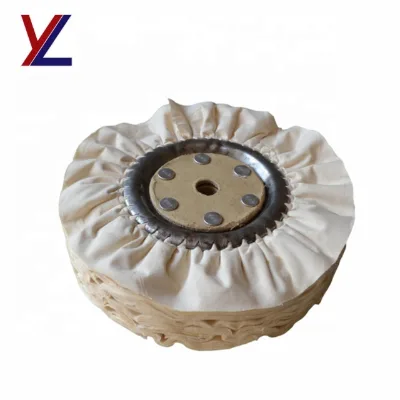
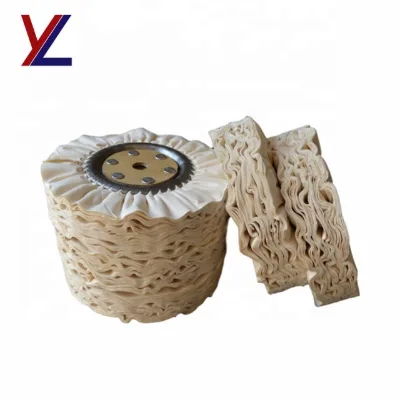
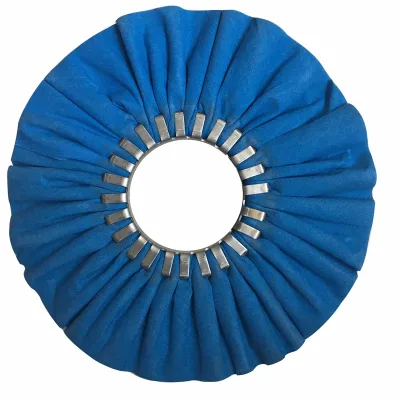
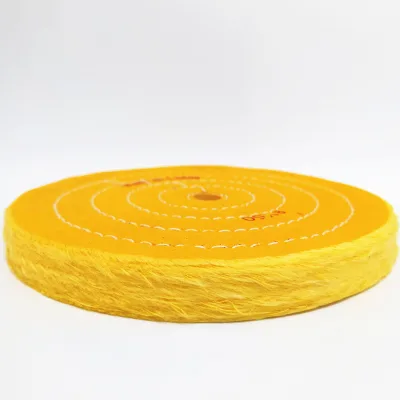
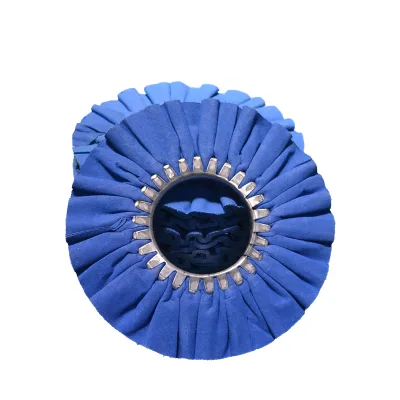
Stitched airway cotton wheels represent a specialized category of abrasive tools designed primarily for surface finishing and polishing applications. These wheels are distinct from standard solid discs due to their construction, which utilizes layers of cotton cloth, often with a specific weave such as poplin, bias cutting, or bleaching variants, to create a flexible yet durable polishing surface. The core functionality relies on the "airway" design, which allows for better heat dissipation and prevents the wheel from glazing over during high-speed operations. This is particularly critical when working with metallic inner walls or complex surfaces where heat buildup can damage the workpiece or the tool itself.
The physical specifications of these wheels vary significantly based on the intended application. Available models indicate a wide range of diameters, with observed specifications including sizes such as 22mm, 2.35mm, and broader ranges extending up to 450mm. Thickness is another critical variable, with documented ranges spanning from 10mm to 50mm, allowing buyers to select the appropriate profile for their specific machinery and polishing depth requirements. The central mounting mechanism is equally important; products are available with metal centers or hollow centers, often accommodating hole diameters ranging from 3mm to 50mm, including specific sizes like 6mm, 8mm, 10mm, 16mm, 25mm, 32mm, 36mm, and 38mm. This versatility ensures compatibility with various spindle sizes found in industrial polishing equipment.
Technical Attributes and Material Composition
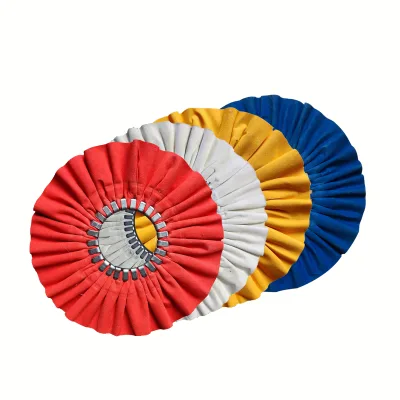
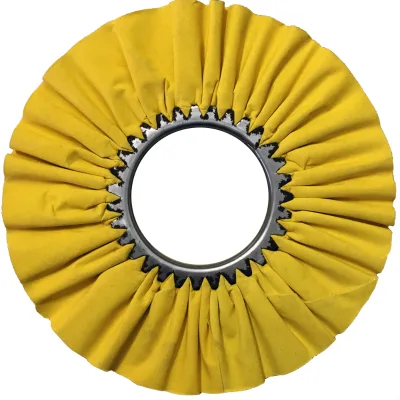
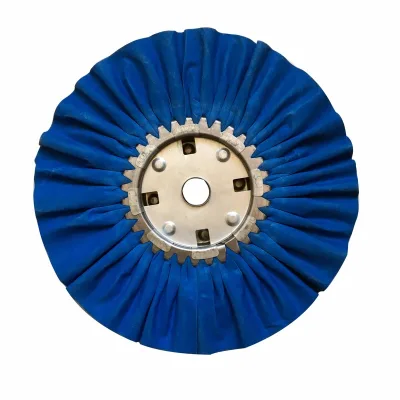
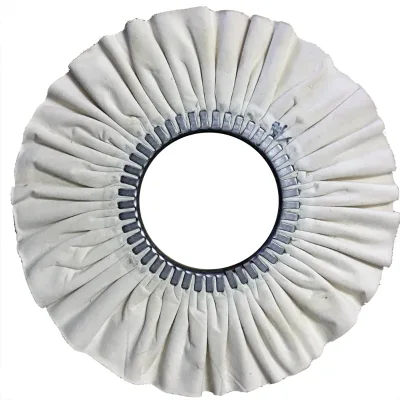
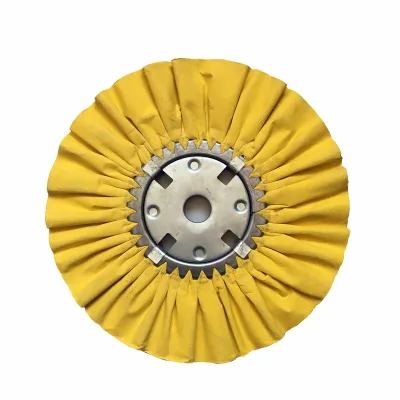
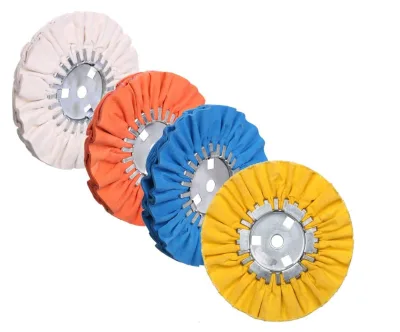
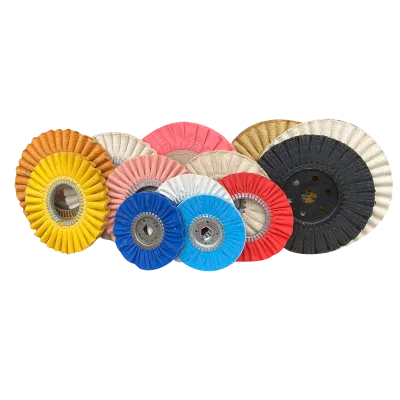
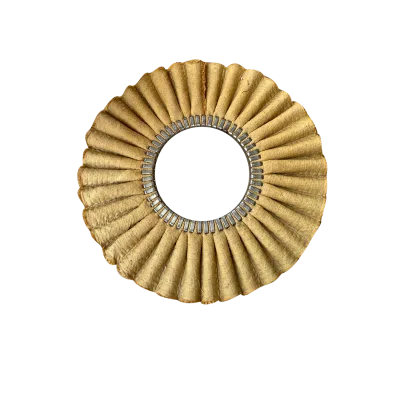
The material composition of stitched airway cotton wheels is a primary determinant of their performance and longevity. The base material is consistently identified as cotton cloth, which may be sourced in various states including raw, bleached, or dyed. The color of the finished product can range from white and yellow to blue and bleach white, which often serves as a visual indicator of the specific cloth treatment or the presence of specific polishing compounds integrated into the weave. The "airway" structure is achieved through the stitching process, which creates channels within the wheel to facilitate airflow. This design is essential for maintaining a consistent finish, particularly when the usage goal is to achieve a final mirror finish on metal parts.
The abrasive grain sizes are another technical consideration, though in the case of cotton wheels, the abrasiveness often comes from the cloth's density and the compounds applied rather than a fixed grit size like silicon carbide. However, some product listings reference specific grain sizes, such as 180, indicating a level of pre-treatment or specific abrasive integration. The wheels are designed to be suitable for both metal and non-metal surfaces, making them a versatile tool for hardware, wheel hubs, and metal pipes. The bonding agent used to hold the layers together is typically a resin binder, ensuring that the cloth layers remain intact under the high centrifugal forces generated during operation.
Compliance, Certification, and Supplier Verification
When sourcing stitched airway cotton wheels, verifying the supplier's adherence to quality management standards is essential for ensuring consistent product quality. While specific certification documents are not universally attached to every listing, buyers should look for evidence of ISO 9001 compliance, which is a recognized standard for quality management systems in manufacturing. This standard indicates that the supplier has established processes for maintaining product consistency, managing risks, and continuously improving their manufacturing operations. However, buyers must treat the presence of such standards as a verification point rather than an automatic guarantee, as the actual implementation of these standards can vary between suppliers.
In addition to quality management, buyers should verify the origin of the products. The supply chain for these wheels often originates from manufacturing hubs in China, with specific regions like Changzhou, Guangxi, and Guangdong being noted as places of origin. Understanding the geographic origin can help buyers anticipate logistical factors, such as shipping times and potential tariff implications. Furthermore, suppliers should be transparent about their customization capabilities. Many manufacturers offer OEM (Original Equipment Manufacturer) and ODM (Original Design Manufacturer) services, allowing buyers to request specific modifications to the wheel's size, color, or center hole configuration. The ability to provide customized sizes is a key differentiator, as standard sizes may not always meet the unique requirements of specialized machinery.
Cost Drivers and Pricing Dynamics
The pricing of stitched airway cotton wheels is influenced by several dynamic factors, including material costs, customization levels, and order volume. The observed price range for these products can vary widely, from approximately $0.45 to $20.00 per unit. This broad range reflects the diversity in product specifications, such as the thickness of the cloth, the complexity of the stitching, and the inclusion of specific abrasive treatments. Thicker wheels with more layers of cotton cloth or those designed for high-speed applications will naturally command a higher price point compared to standard, thinner variants.
Order volume plays a significant role in determining the final cost per unit. Minimum Order Quantities (MOQ) are a critical factor in the procurement process, with observed ranges starting as low as 30 units and extending up to 2,000 units per grit or specification. Suppliers often offer tiered pricing structures where the unit cost decreases as the order quantity increases. For buyers requiring large volumes for continuous production lines, negotiating based on the higher MOQ thresholds can result in significant cost savings. Additionally, the packaging method, whether in individual cartons or bulk fiber bags, can impact the overall cost, as more robust packaging is required for international shipping and handling.
Typical Applications and Performance Expectations
Stitched airway cotton wheels are primarily utilized in industrial settings where high-quality surface finishing is required. Their application is particularly effective for complex surfaces, such as the inner walls of metallic pipes or intricate hardware components. The flexibility of the cotton cloth allows the wheel to conform to irregular shapes, ensuring an even polish across the entire surface area. This makes them ideal for use in the automotive, aerospace, and general manufacturing sectors, where metal parts, wheel hubs, and hardware require a mirror-like finish.
The performance of these wheels is closely tied to their ability to dissipate heat. The airway design prevents the accumulation of heat, which can otherwise lead to burning or discoloration of the workpiece. This is especially important when performing final mirror polishing, where any heat damage can be immediately visible and detrimental to the product's aesthetic and functional quality. The wheels are also suitable for use on non-metallic surfaces, expanding their utility in industries that process composite materials or plastics. However, buyers should ensure that the specific wheel selected matches the rotational speed of their machinery to prevent structural failure or safety hazards.
Supplier Evaluation and Quality Control Protocols
Evaluating a supplier for stitched airway cotton wheels requires a multi-faceted approach that goes beyond simple price comparison. Buyers should assess the supplier's production capacity, with some manufacturers indicating a supply ability of around 1,000 units per month. This capacity figure is crucial for buyers planning large-scale procurement and must be aligned with their production schedules. Additionally, the supplier's location and logistics capabilities should be considered, with Guangzhou being a noted port of dispatch for many manufacturers, facilitating efficient export processes.
Quality control is paramount in the manufacturing of abrasive tools. Buyers should request samples to verify the consistency of the stitching, the uniformity of the cloth layers, and the integrity of the bonding agent. The single package size and gross weight are also indicators of the product's density and quality; for instance, a single gross weight of 0.100 kg and package dimensions of 30x5x5 cm or 30x30x4 cm provide benchmarks for verifying the received goods against the ordered specifications. Suppliers who are willing to provide detailed product data, including model numbers like RC03W, OPO, or YL-BAW, demonstrate a commitment to transparency and traceability.
Long-Term Procurement Considerations and Inventory Management
For long-term procurement, buyers must consider the lifecycle of the stitched airway cotton wheels and the frequency of replacement required. The durability of the wheels depends on the intensity of the polishing application and the material being processed. While the wheels are designed for high-performance use, they are consumable items that will eventually wear out. Establishing a reliable supply chain with a supplier who offers consistent quality and customization support is essential for minimizing downtime.
Inventory management strategies should account for the varying MOQs and lead times associated with different suppliers. Some suppliers may offer a lead time that allows for just-in-time delivery, while others may require longer planning horizons due to production schedules. Buyers should also consider the storage conditions for these wheels, as cotton cloth can be susceptible to moisture and environmental degradation. Proper storage in dry, climate-controlled environments will help maintain the integrity of the wheels until they are ready for use. Finally, maintaining a relationship with a supplier who offers ODM/OBM support can provide strategic advantages, allowing for the development of proprietary wheel designs that offer a competitive edge in the market.
| Feature | Standard Specification | Customization Options |
|---|---|---|
| Material | Cotton cloth (poplin, bias, bleached) | Custom weave, dyed colors (white, yellow, blue) |
| Diameter | 22mm to 450mm | Custom sizes available upon request |
| Thickness | 10mm to 50mm | Variable thickness for specific applications |
| Center Hole | 3mm to 50mm (various sizes) | Custom hole diameters (metal/hollow center) |
| MOQ | 30 to 2,000 units | Negotiable based on volume and customization |
| Origin | China (Changzhou, Guangxi, Guangdong) | Global shipping via Guangzhou port |
In conclusion, sourcing stitched airway cotton wheels requires a careful balance of technical specification verification, supplier evaluation, and strategic planning. By focusing on the material quality, customization capabilities, and compliance with industry standards, buyers can secure a reliable supply of high-performance polishing tools that meet their specific production needs.
FAQs
What materials are used for stitched airway cotton wheels?
These wheels are constructed from cotton cloth including poplin, bias cutting, bleaching, and jean cloth variants. The layers are bonded with a resin binder to ensure durability during high-speed polishing operations on metal and non-metal surfaces.
Which hole diameters are available for mounting these wheels?
Available hole diameters range from 3mm to 50mm, including specific sizes like 6, 8, 10, 16, 25, 32, 36, and 38mm. The center can be either a metal center or a hollow center to fit various industrial spindle requirements.
Can I request custom sizes for these polishing wheels?
Yes, customized sizes are provided upon request to meet specific machinery needs. Manufacturers also offer OEM and ODM support for modifications to dimensions, colors, and center configurations to ensure compatibility with complex surfaces.
What is the typical MOQ for ordering these wheels?
The minimum order quantity varies by specification, with observed ranges starting at 30 units and extending up to 2000 meters per grit. Buyers should verify the specific MOQ with the supplier as it depends on the chosen model and customization level.
Where are these cotton cloth wheels manufactured?
These products originate from manufacturing hubs in China, specifically regions like Changzhou, Guangxi, and Guangdong. The port of dispatch is often Guangzhou, facilitating efficient export logistics for international buyers.
How thick are the standard stitched airway cotton wheels?
The thickness of these wheels typically ranges from 10mm to 50mm depending on the model and application. This variation allows users to select the appropriate profile for different polishing depths and machinery constraints.