Source Stickhandling Hockey Training Aid for Drills, Practice, and Skills
Find and compare 30 Stickhandling Hockey Training Aid options for team drills, individual practice, and skill development. Evaluate features like passing slots, foldable designs, and material durability to select the right equipment for your ice hockey training needs.
Key considerations
Products List
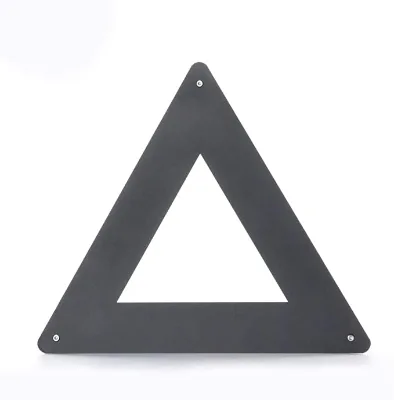
Field Hockey Sticks Pucks Ice Hockey Training Equipment Hockey Passer Aid
$25.50 - $30.39
MOQ: 50 pieces
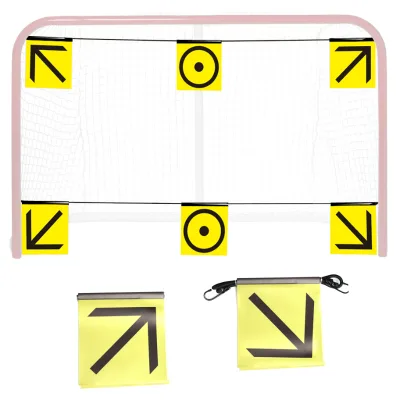
Ice Hockey Training Aid Soft Shooting Target Hockey Puck Practice Control
$8.52 - $10.26
MOQ: 100 pieces
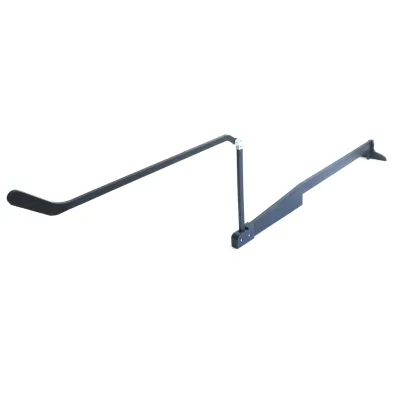
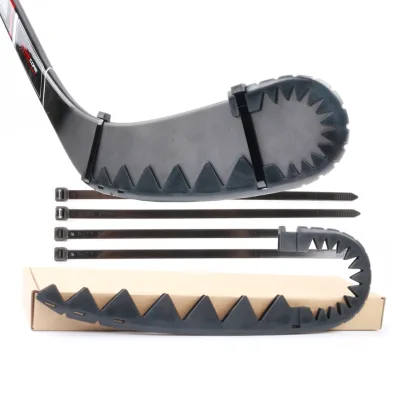


Youth Hockey Stick Designed for Beginners Practice and Competitive Matches
$5.00 - $10.00
MOQ: 200 Pieces


Custom Composite Hockey Stick for Professional Players Training and Games
$5.00 - $10.00
MOQ: 200 Pieces


$59.99 - $60.00
MOQ: 1 Pieces

$59.99 - $60.00
MOQ: 1 Pieces


Comprehensive Sourcing Guide
Stickhandling Hockey Training Aid Sourcing Guide
Procuring specialized stickhandling hockey training aids requires a strategic approach that balances technical precision with commercial viability. These devices are designed to simulate game-like conditions, allowing players to refine puck control, passing accuracy, and hand-eye coordination in a controlled environment. Buyers must navigate a market characterized by diverse material compositions, ranging from durable polymers to heavy-duty metals, each offering distinct advantages in terms of longevity, portability, and cost. Understanding the specific operational needs of your team or facility is the first step in selecting the right equipment, as the performance characteristics of these aids vary significantly based on their construction and intended use case.
The sourcing landscape for these products is heavily concentrated in specific manufacturing hubs, with Guangdong, China, emerging as a primary origin point for a wide variety of models. This geographic concentration often correlates with competitive pricing and a high volume of available SKUs, but it also necessitates rigorous due diligence regarding quality control and supplier reliability. Buyers should focus on verifying the structural integrity and material specifications of each unit, as the effectiveness of a training aid is directly tied to its ability to withstand repeated high-impact usage without degrading. This guide provides a structured framework for evaluating these products, ensuring that procurement decisions are grounded in verified data and practical operational requirements.
Product Scope and Observed Listing Signals
The current market for stickhandling hockey training aids presents a diverse array of products, each tailored to different training objectives and budget constraints. Listings indicate a total product count of thirty distinct items, reflecting a broad spectrum of design philosophies and functional capabilities. These products range from simple, portable aids made of polymer fiber to complex, stationary structures constructed from iron and high molecular fiber plastic. The observed price range spans from $1.4 to $100 USD, highlighting the significant variance in material quality, size, and manufacturing complexity. Buyers must carefully assess whether the lower-cost options meet the durability requirements for intensive team training or if the higher-priced units offer necessary features such as foldability or specialized passing slots.
Minimum Order Quantities (MOQ) vary considerably across the supplier base, ranging from a single unit to 1,000 pieces, which impacts inventory planning and cash flow management. Some suppliers offer an MOQ of just one piece, catering to individual coaches or small clubs, while others require bulk purchases of 50 or 100 pieces, which is more suitable for institutional buyers or large-scale equipment distributors. The observed MOQ of 50 pieces for certain high-quality iron-based units suggests a tiered pricing structure where volume discounts may apply. Additionally, the presence of custom logo options on several models indicates that many suppliers are equipped to handle branded procurement, allowing organizations to maintain consistent visual identity across their training facilities.
Technical Specifications to Verify
When evaluating technical specifications, the material composition is a critical differentiator that influences both performance and lifespan. Products are constructed from various materials, including iron, polymer fiber, high molecular fiber plastic, stainless steel, and HDPE. For instance, the EIH09 model is made of iron and features three 22-inch passing slots, making it suitable for structured passing drills, while the EIH28 model utilizes polymer fiber, offering a lighter alternative with wear, oxidation, and impact resistance. Buyers should verify the specific material grade and thickness, as these factors determine the aid's ability to absorb puck impact and maintain structural integrity over time. The weight of the units also varies, from 0.9 kg for smaller accessories to 9.0 kg for larger stationary aids, which affects stability and portability.
Dimensions and packaging details are equally important for logistics and facility planning. The EIH09 measures 66x66x66 cm, providing a substantial training surface, whereas the EIH20 is a foldable aid measuring 180x50x30 cm, designed for easy storage and transport. The single package sizes and gross weights, such as 68.5x12x61.5 cm for the EIH09 and 34.5x14.5x5.5 cm for the EIH28, must be considered when calculating shipping costs and storage requirements. Buyers should also note the presence of accessories, such as nylon ribbons for blade protectors, and ensure that the packaging details, including box and PP bag combinations, are sufficient to protect the product during transit. Verifying these specifications against your facility's space constraints and training needs is essential for a successful procurement.
Compliance and Safety Documentation
Safety and compliance are paramount when sourcing equipment used in high-impact sports like ice hockey. Buyers must ensure that all training aids meet relevant safety standards to prevent injuries during use. While specific certification statuses are not universally listed, suppliers should be able to provide documentation confirming that their products comply with international safety regulations for sports equipment. This includes verifying that materials are non-toxic and free from harmful chemicals, particularly for products that may come into direct contact with players or are used in indoor environments. The use of high-quality materials such as HDPE and stainless steel often correlates with better safety profiles, but explicit verification is necessary.
Documentation should also cover the durability and wear resistance of the products, as these factors directly impact long-term safety. Products like the EIH28, which boast wear, oxidation, and impact resistance, should be backed by test results or manufacturer guarantees that substantiate these claims. Buyers should request detailed product specifications that outline the expected lifespan and maintenance requirements of each aid. Additionally, clear labeling and instructions for use are essential to ensure that athletes and coaches operate the equipment correctly, minimizing the risk of accidents. Ensuring that suppliers provide comprehensive safety documentation is a critical step in mitigating liability and protecting the well-being of users.
Cost Drivers and Commercial Terms
The cost of stickhandling hockey training aids is influenced by several key factors, including material quality, manufacturing complexity, and order volume. Iron-based models, such as the EIH09, tend to be more expensive due to the higher cost of raw materials and the labor-intensive nature of metal fabrication. In contrast, polymer-based aids like the EIH28 offer a more cost-effective solution without compromising on durability, thanks to their resistance to wear and impact. Buyers should analyze the total cost of ownership, considering not just the initial purchase price but also the long-term maintenance and replacement costs associated with each type of material.
Commercial terms, including MOQ and packaging, play a significant role in the overall procurement strategy. Suppliers with lower MOQs may charge higher unit prices, while those requiring bulk orders often offer more competitive rates. The packaging details, such as the use of boxes and PP bags, can also impact shipping costs and product protection. Buyers should negotiate terms that align with their inventory management capabilities and budget constraints. Additionally, the availability of custom logo printing may incur additional fees, which should be factored into the total cost calculation. Understanding these cost drivers allows buyers to make informed decisions that balance quality, quantity, and budget.
Supplier Qualification and Quality Control
Selecting a reliable supplier is crucial for ensuring the quality and consistency of stickhandling hockey training aids. Buyers should prioritize suppliers with a proven track record in manufacturing sports equipment, particularly those based in established industrial hubs like Guangdong, China. Verifying the supplier's production capabilities, including their factory size, equipment, and quality control processes, is essential to ensure that they can meet your specific requirements. Suppliers who offer custom logo options and have a diverse product range often demonstrate greater flexibility and expertise in handling varied procurement needs.
Quality control measures should be rigorously enforced to prevent defects and ensure product reliability. Buyers should request samples before placing large orders to assess the build quality, material integrity, and overall performance of the aids. Inspecting the packaging and labeling for accuracy and durability is also important, as these factors can indicate the supplier's attention to detail. Establishing clear communication channels with the supplier to address any concerns or issues promptly is vital for maintaining a successful partnership. Implementing a robust quality control protocol, including pre-shipment inspections, can help mitigate risks and ensure that the procured equipment meets your standards.
Long-Term Procurement Checks
Long-term procurement success depends on establishing ongoing relationships with suppliers who can consistently deliver high-quality products. Buyers should regularly review supplier performance metrics, including on-time delivery, product quality, and responsiveness to issues. Maintaining open communication with suppliers allows for continuous improvement and the ability to adapt to changing market conditions or training needs. Additionally, staying informed about new product developments and technological advancements in the sports equipment industry can help buyers identify opportunities to enhance their training programs.
Regular audits and feedback loops are essential for maintaining high standards and ensuring that suppliers remain aligned with your procurement goals. Buyers should conduct periodic reviews of their inventory to assess the condition of existing training aids and determine when replacements or upgrades are necessary. This proactive approach helps to minimize downtime and ensures that athletes always have access to reliable equipment. By focusing on long-term partnerships and continuous improvement, buyers can optimize their procurement strategy and achieve better outcomes for their teams and facilities.
FAQs
What materials are used for ice hockey training equipment?
The equipment is constructed from iron, polymer fiber, or high molecular fiber plastic combined with stainless steel. Some specific models utilize HDPE for blade protection. These materials ensure durability and resistance to wear, oxidation, and impact during rigorous training sessions.
Which model numbers are available for this training aid?
Available model numbers include EIH09, EIH28, EIH20, and EIH33. Each model offers distinct specifications such as size and weight to suit different training needs. Buyers can select based on specific requirements like foldability or passing slot configurations.
Can I request a custom logo on the product?
Yes, custom logo options are available for the ice hockey training equipment. This customization allows brands to personalize the black or white colored items. Buyers should verify specific branding requirements with the supplier before placing an order.
What is the minimum order quantity for these items?
The minimum order quantity varies by product, with observed values of 50 pieces or 100 pieces. Some listings indicate a general MOQ of 50 units. Buyers must confirm the specific MOQ for their selected model number before finalizing the purchase.
How large is the single package for the EIH09 model?
The single package size for the EIH09 model measures 68.5 by 12 by 61.5 centimeters. This packaging accommodates the 66 by 66 by 66 centimeter product dimensions. The gross weight for this specific package is 9 kilograms.
Where are these products manufactured?
The products originate from Guangdong, China. This location is the primary place of origin for the listed ice hockey training equipment. Buyers sourcing from this region should consider the associated logistics and lead times for international shipping.
What features does the EIH20 training aid offer?
The EIH20 model features a foldable design for easy use and storage. It is constructed from high molecular fiber plastic and stainless steel. The dimensions are 180 by 50 by 30 centimeters, making it suitable for various training scenarios.