Source Straight Brazilian Remy Ponytail Extensions for Events
Explore 30 listings for Straight Brazilian Remy Ponytail Extensions available from Chinese manufacturers. Buyers can compare models like WM214 and MM03, check lengths from 8 to 32 inches, and review customization options for bulk orders.
Key considerations
Products List


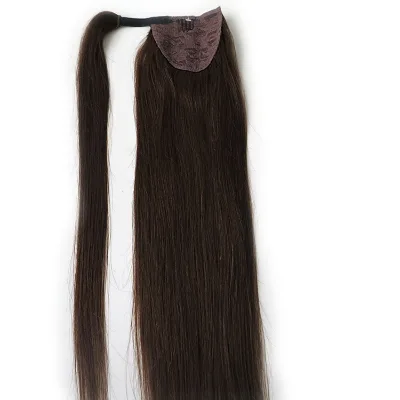
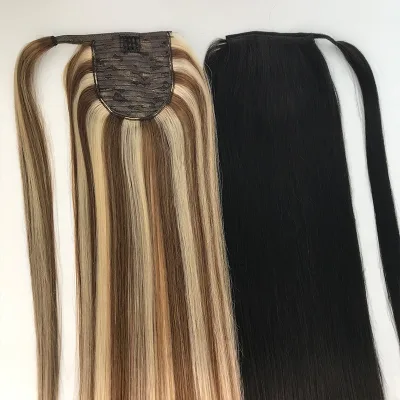


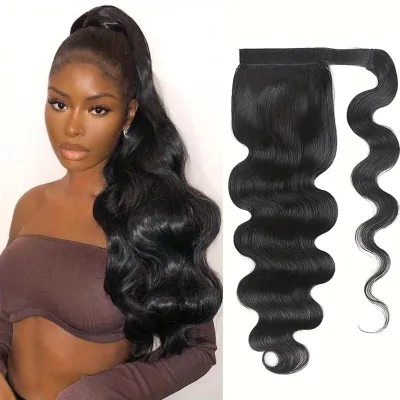


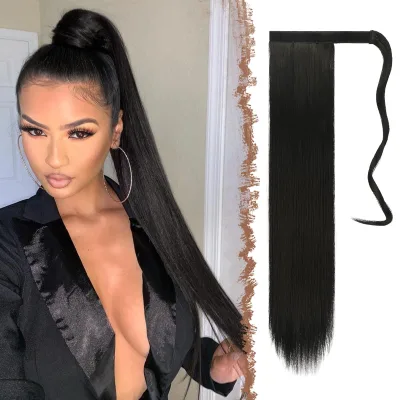
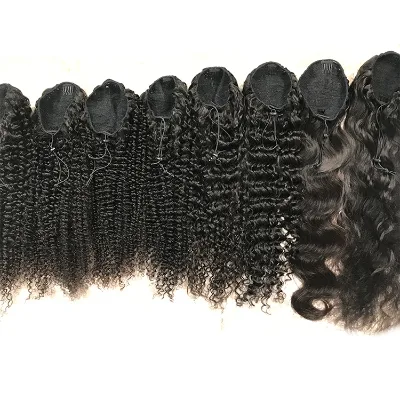
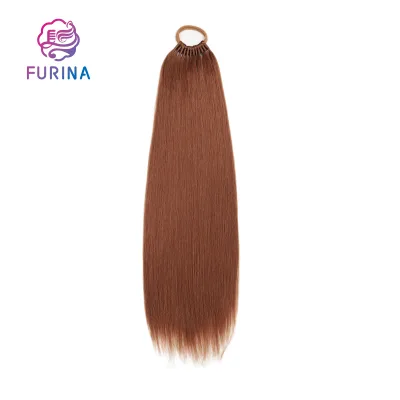

Comprehensive Sourcing Guide
Strategic Sourcing Guide for Straight Brazilian Remy Ponytail Extensions
Procuring high-quality hair extensions in the B2B sector requires a rigorous approach that balances aesthetic requirements with supply chain reliability. While the core keyword often centers on "Straight Brazilian Remy Ponytail Extensions," the actual market data reveals a complex landscape where product attributes vary significantly by manufacturer. Buyers must navigate a wide range of specifications, from origin locations in China to specific processing standards. This guide provides an evidence-based framework for sourcing these products, focusing on technical verification, supplier evaluation, and risk mitigation without relying on unverified marketing claims.
Technical Specifications and Material Verification
The foundation of any successful procurement strategy lies in the precise definition of technical specifications. In the observed market data, the material composition is a critical differentiator. While the search term specifies "Brazilian," the supplied facts indicate that a significant portion of available inventory originates from China, specifically Henan and Shandong provinces. The material is consistently described as "100% human hair" and "Remy Hair," with some listings specifying "Chinese Hair" or "Virgin Unprocessed Hair."
Buyers must verify the "Remy" status, which ensures that the cuticles are aligned in the same direction to prevent tangling. The observed data highlights a "Hair Guarantee" of "No Tangle & No Shedding," which is a key performance indicator for Remy hair. However, the term "Virgin" implies the hair has not been chemically processed, yet other attributes list the hair as "Dyeable" with "All Colors" suitable for application. This suggests a distinction between virgin raw material and processed stock that can be customized.
The physical dimensions also vary widely. The observed length specifications range from 8 inches to 32 inches, with specific models like the WM214 and MM03 offering different stretched lengths, such as 22 inches. Weight is another critical variable; while some units are standardized at 100g, others allow for customization "according to your demand." The proportion of the longest hair strands is a vital metric for quality, with observed ratios ranging from 30% to 60% of the total length. A higher ratio of long strands generally indicates a more premium product.
| Attribute | Observed Range/Value | Procurement Verification Point |
|---|---|---|
| Material | 100% Human Hair, Remy, Virgin | Verify cuticle alignment and origin |
| Origin | China (Henan, Shandong) | Confirm specific factory location |
| Length | 8" - 32" (Stretched 22") | Measure actual vs. advertised length |
| Weight | 100g or Custom | Confirm density and weight consistency |
| Longest Hair | 30% - 60% ratio | Request sample to verify strand distribution |
| Style | Straight, Silky Straight Wave | Inspect texture and wave pattern |
Compliance, Standards, and Certification Checks
In the B2B hair trade, compliance is often a point of confusion due to the lack of universal global standards for organic or processed hair. The supplied data mentions a specific standard: "Int' L Standard," though the full name is truncated. Buyers should not assume this refers to a specific international certification like ISO or OEKO-TEX without direct confirmation from the supplier. Instead, the procurement process must include a request for the full text of the standard being applied.
Furthermore, the "Hair Guarantee" of being "Unprocessed" and "Virgin" requires verification through laboratory testing or third-party inspection. Since the data lists "No Tangle & No Shedding" as a guarantee, buyers should demand a quality control report that validates these claims. The absence of specific certification names in the provided facts means that buyers must treat all certification claims as observations rather than verified facts until documented proof is presented.
The shipping and logistics standards are also part of the compliance picture. The observed shipment methods include FedEx, DHL, UPS, and USPS. These carriers have their own compliance requirements regarding the transport of biological materials. Buyers must ensure that the supplier adheres to the export regulations of the origin country (China) and the import regulations of the destination country. The "Port of dispatch" is listed as Qingdao, which is a major hub, but the specific incoterms (e.g., FOB, CIF) must be clearly defined in the contract to manage liability.
Cost Drivers and Pricing Dynamics
The pricing structure for hair extensions is influenced by several factors, including the grade of the hair, the origin, and the level of processing. The observed price range in the market data is substantial, spanning from $0.80 to $150.00 USD. This wide variance indicates that price is not a reliable indicator of quality on its own; rather, it reflects the specific combination of attributes such as length, weight, and the "longest hair ratio."
The "Supply Ability" of 10,000 pieces per month suggests that volume plays a role in pricing. Suppliers with higher capacity may offer competitive rates for bulk orders, but the Minimum Order Quantity (MOQ) varies from 1 piece to 50 pieces. This flexibility allows buyers to test the market with low-risk orders before committing to larger volumes. However, the "Advantage" of "Wholesale" implies that significant cost savings are likely available only at higher order thresholds.
Other cost drivers include the packaging requirements. The data lists "PVC Bag, Box" and "small card hang in the tip of hair outside with a PVC bag" as common packaging methods. Custom packaging, such as branded boxes or specific card designs, will likely increase the unit cost. Additionally, the "Customization" attribute being available suggests that bespoke requests, such as specific dye colors or custom lengths, may incur additional fees. Buyers should request a detailed cost breakdown that separates the base material cost from customization, packaging, and logistics fees.
Typical Applications and Market Segmentation
Understanding the end-use application is crucial for selecting the right product specifications. The primary application for these items is "Hair Weaving" and "Ponytail" extensions. The "Silky Straight Wave" and "Straight" styles cater to a broad demographic seeking natural-looking volume and length. The "Human Hair Type" being "Chinese Hair" or "Virgin Unprocessed Hair" makes these products suitable for clients who require hair that can be dyed, permed, or styled with heat tools.
The "Hair Life" of 2-3 years is a significant selling point, indicating durability and value for money. This longevity is particularly important for B2B clients who sell to end-users expecting a premium product. The "Thick Healthy" hair end and the "No Tangle" guarantee are essential for applications involving daily wear and styling. The "Ombre color 3" option suggests that these products are also suitable for fashion-forward applications where color gradients are desired.
The "Selling Units" being listed as "Single item" indicates that the market supports both individual retail sales and bulk wholesale distribution. This versatility allows buyers to target different market segments, from boutique salons to large e-commerce platforms. The "Unit weight" of 100g/piece is a standard that ensures consistency in inventory management and shipping calculations.
Supplier Evaluation and Selection Criteria
Evaluating suppliers requires a multi-faceted approach that goes beyond simple price comparisons. The observed data lists several brand names, including "HARMONY" and "Qingdao Find Virgin Hair," but buyers should not rely on brand recognition alone. Instead, the evaluation should focus on the supplier's ability to meet the specific technical and logistical requirements of the buyer.
Key evaluation criteria include the "Supply Ability" of 10,000 pieces per month, which indicates production capacity. Buyers should verify if this capacity is consistent or if it fluctuates based on raw material availability. The "Delivery time" of 3-5 working days is a strong indicator of operational efficiency, but this should be cross-referenced with the actual lead time for custom orders. The "MOQ" of 1 piece suggests a flexible supplier, which is beneficial for new buyers testing the market.
The "Place of origin" being in Henan and Shandong, China, is a common cluster for hair production. Buyers should verify the specific factory location to ensure it aligns with their ethical sourcing policies. The "Port of dispatch" in Qingdao is a major port, which generally ensures reliable shipping infrastructure. However, buyers should also assess the supplier's communication responsiveness and their ability to provide samples for quality verification before placing large orders.
Quality Control and Long-Term Procurement Considerations
Quality control is paramount in the hair extension industry, where the difference between a premium product and a defective one can be subtle. The "Hair Guarantee" of "No Tangle & No Shedding" must be validated through rigorous testing. Buyers should implement a quality control protocol that includes visual inspection of the hair cuticles, weight verification, and length measurement. The "longest hair proportion" should be checked to ensure it meets the agreed-upon ratio, as this directly impacts the perceived quality and longevity of the product.
Long-term procurement considerations involve building a sustainable relationship with suppliers who can maintain consistent quality over time. The "Hair Life" of 2-3 years is a metric that should be monitored in the field to ensure that the products delivered meet the expected lifespan. Buyers should also consider the "Customization" capabilities of the supplier, as market trends may shift towards new styles or colors. The ability to adapt to these changes while maintaining quality is a key indicator of a reliable long-term partner.
Finally, the "Single volume" of 0 cm³ listed in the data is likely a placeholder or an error, and buyers should request accurate volumetric data for shipping cost calculations. The "Packing Details" should be reviewed to ensure they protect the hair during transit. A robust quality control plan, combined with clear communication and verified specifications, will mitigate risks and ensure a successful procurement strategy for Straight Brazilian Remy Ponytail Extensions.
FAQs
What is the hair material and origin for these extensions?
The hair is 100% human Remy hair, often sourced from China. Specific origins include Henan and Shandong provinces, with some listings specifying Chinese Hair or Virgin Unprocessed Hair types for premium quality.
Can I customize the length and weight of the ponytails?
Yes, customization is available for both length and weight. Lengths range from 8 to 32 inches, and weight can be set at 100g or adjusted according to your specific demand requirements.
What is the minimum order quantity for these extensions?
The minimum order quantity can be as low as one piece. However, some suppliers may require up to 50 pieces, so verify the specific MOQ with the vendor before placing an order.
How long does the hair last with proper care?
The hair life is typically 2 to 3 years if maintained correctly. This durability is supported by a guarantee of no tangling and no shedding, provided the hair is treated as virgin unprocessed hair.
Which shipping methods are available for delivery?
Shipment is available via FedEx, DHL, UPS, and USPS. The port of dispatch is Qingdao, and delivery times are generally reported as 3 to 5 working days for standard orders.
Are these ponytails dyeable and suitable for coloring?
Yes, the hair is dyeable and suitable for all colors. It is described as unprocessed virgin hair, allowing for customization including ombre colors while maintaining the integrity of the hair strands.