Source Straight Blade Right-Handed Hair Scissors for Salons, Stylists, and Barbers
Compare 30 straight blade right-handed hair scissors from suppliers in Taiwan and China. Buyers can evaluate models with stainless steel or aluminum alloy blades, varying sizes, and customization options for professional salon use.
Key considerations
Products List


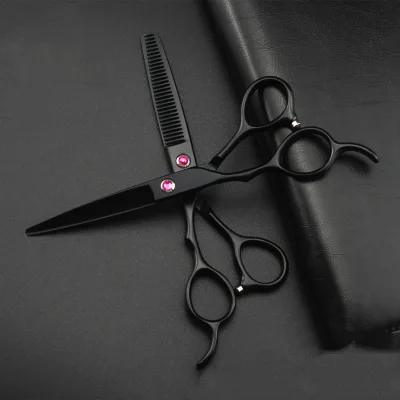
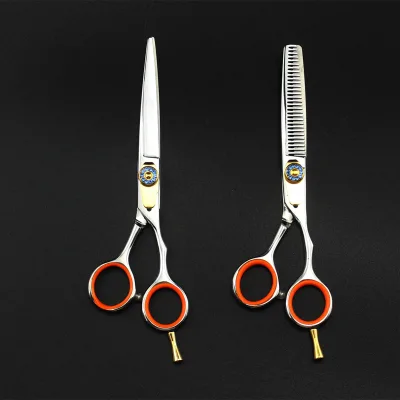
Haircut Scissors Thinning Barber Makas Haircutting Hair Cutting Hairdresser Scissors
$6.00 - $8.00
MOQ: 100 Pieces


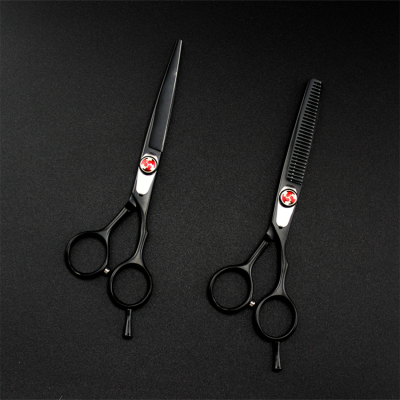
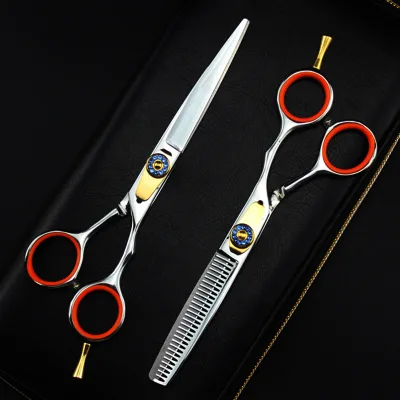
2PCS/Set Hair Scissors Salon Hairdressing Professional Barber Scissors Hair Scissors
$11.00 - $13.00
MOQ: 100 Pieces
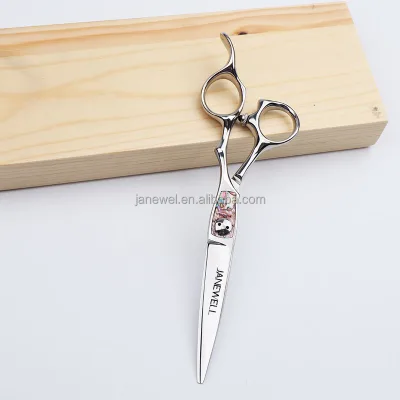
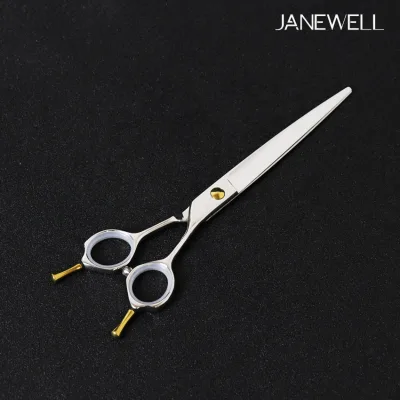
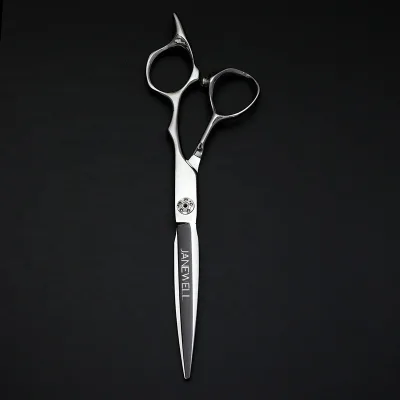
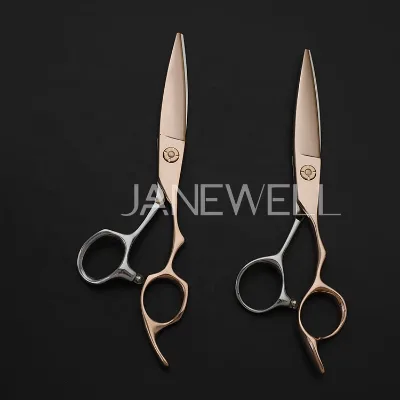


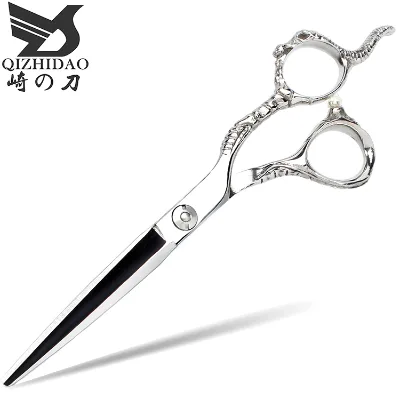
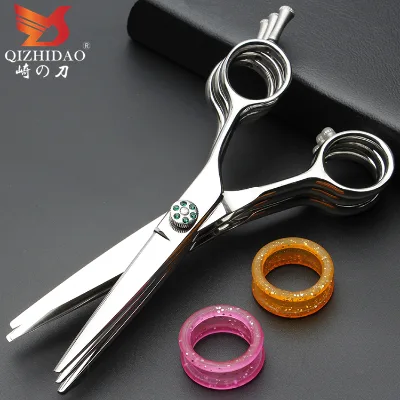
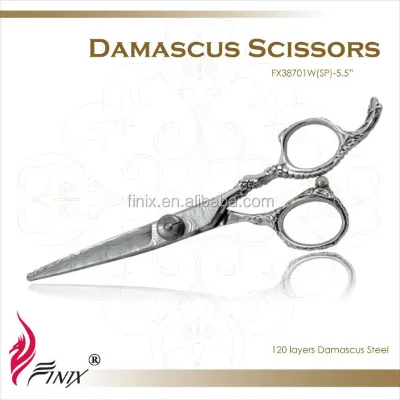
Hot Japanese Style Professional Dragon Handle Scissors for Hair Cutting
$12.59 - $15.58
MOQ: 30 pieces
Comprehensive Sourcing Guide
Strategic Sourcing Guide for Straight Blade Right-Handed Hair Scissors
The global market for professional grooming tools presents a complex landscape where precision engineering meets diverse manufacturing capabilities. For procurement professionals seeking straight blade right-handed hair scissors, the primary challenge lies in navigating a fragmented supply chain that offers varying degrees of material quality, customization options, and logistical reliability. This guide synthesizes observed market data and technical attributes to provide a structured approach for sourcing these specific instruments. The focus remains on identifying suppliers who can deliver consistent performance while adhering to strict quality and compliance standards, ensuring that the final procurement decision is grounded in verifiable facts rather than marketing assertions.
Technical Specifications and Material Composition
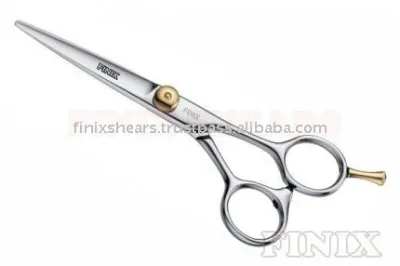
The core performance of any straight blade right-handed hair scissors is dictated by its material composition and geometric specifications. In the current market, the most prevalent high-performance material observed is 440C Stainless steel. This grade of steel is favored for its superior hardness, corrosion resistance, and ability to maintain a razor-sharp edge over extended periods of use. Procurement teams must verify that the blade material listed in supplier specifications explicitly matches this standard, as lower-grade stainless steels may compromise the longevity and cutting efficiency of the tool.
Beyond the blade, the handle material plays a critical role in ergonomics and durability. Market observations indicate a divergence in handle construction, with some products utilizing Plastic for cost-effective, lightweight applications, while others employ Steel for a more robust, professional-grade feel. The choice between these materials often depends on the specific application environment, such as high-volume salon use versus mobile styling. Additionally, the blade tip configuration is a vital technical attribute; the "Sharp" tip designation is standard for precision cutting, but buyers should confirm that the tip geometry aligns with the intended cutting technique, whether for thinning, texturizing, or blunt cutting.
Size specifications are equally critical for right-handed models. The observed market data highlights specific size ranges, including 5.0", 5.5", 6.0", 6.5", and 5.7" variants. A standard sizing convention often cited is "one size fit all," though this is frequently a marketing generalization rather than a strict physical reality. Buyers should demand precise dimensional data, such as the 17*6.3cm or 17.5cm measurements observed in specific product lines, to ensure the tool fits the stylist's hand and cutting style. The product model numbers, such as PLF-NCN55, PLF-O1DC57, and U-1445, serve as unique identifiers that help in tracking specific batches and verifying consistency across orders.
Compliance, Certification, and Origin Verification
When sourcing from international markets, particularly from regions like Taiwan and mainland China, verifying the origin and compliance status of the product is essential. The supplied data indicates that products originate from specific locations, including TAIPEI in Taiwan and Guang Zhou in China. These regions have established reputations in the manufacturing of grooming tools, but the specific factory capabilities vary significantly. Buyers must not assume that all products from these regions meet the same quality benchmarks.
Certification and standard compliance are often areas where marketing claims exceed actual verification. While some product listings mention standards such as "one size fit all" or specific dimensional standards like 17.5cm, these are often internal or proprietary standards rather than internationally recognized certifications like ISO or CE. Procurement teams should explicitly request documentation regarding material safety, particularly if the scissors will be used in environments with strict hygiene regulations. The absence of a specific certification claim in the provided data suggests that buyers must treat such claims as observations to be verified rather than guaranteed attributes.
Furthermore, the origin country impacts the supply chain's resilience and the potential for trade tariffs. Products from Taiwan and China may be subject to different import duties depending on the destination country. Buyers should verify the "prod_origin" and "orgin_country" fields in supplier documentation to ensure accurate classification under the Harmonized System (HS) codes. This verification is crucial for calculating the total landed cost and ensuring that the supply chain remains compliant with international trade regulations.
Cost Drivers and Pricing Structures
Understanding the cost drivers for straight blade right-handed hair scissors requires a granular analysis of the factors influencing the final price. The observed price range in the market spans from $3.64 to $303.48, a variance that reflects differences in material quality, manufacturing complexity, and brand positioning. The lower end of this spectrum typically corresponds to products with Plastic handles and standard stainless steel blades, while the higher end is associated with 440C Stainless steel blades, Steel handles, and advanced customization features.
Minimum Order Quantity (MOQ) is another significant cost driver. The market data shows an MOQ range of 1 to 200 pieces, with specific listings indicating MOQs of 60 pieces or 100 pieces. Suppliers with higher MOQs often offer lower unit prices due to economies of scale, but this requires a larger upfront capital investment. Conversely, suppliers with low MOQs provide flexibility for testing new designs or for smaller salon chains, though the per-unit cost will be higher. Buyers must balance their inventory needs with their budget constraints to determine the optimal order size.
Payment terms also influence the financial structure of the procurement. Common payment methods observed include T/T (Telegraphic Transfer) and L/C (Letter of Credit). T/T is generally faster and less expensive for both parties but carries higher risk for the buyer if the supplier fails to deliver. L/C offers greater security but involves banking fees and longer processing times. The choice of payment method should align with the buyer's risk tolerance and the supplier's reputation. Additionally, customization options, such as laser engraving or etching for branding, add to the overall cost and should be factored into the total procurement budget.
Typical Applications and Usage Scenarios
Straight blade right-handed hair scissors are designed for a variety of professional applications, with the primary use case being in salon environments. The attribute "salon" is frequently cited, indicating that these tools are engineered for the high-volume, precision demands of professional styling. However, the versatility of these scissors extends beyond the salon. The "Multifunctional" usage attribute suggests that these tools can be employed for various cutting techniques, including texturizing, thinning, and general hair trimming.
The "Right-Handed Scissor" designation is a critical specification for usability. Using a right-handed tool with a left-handed stylist can lead to fatigue, poor cutting angles, and potential injury. Therefore, verifying the handedness of the product is a non-negotiable step in the sourcing process. The "Foldable" attribute, which is observed as "Yes" in some models and "No" in others, further defines the application scenario. Foldable scissors are ideal for mobile stylists or those who require compact storage, while non-foldable models are typically preferred for stationary salon use where durability and stability are paramount.
The "Style" and "Feature" attributes, such as "Durable" and "Sharp" blade tips, align with the needs of professional stylists who require tools that can withstand daily wear and tear. The "Color" options, ranging from Purple, Peach, and Blue to Silver and Crystal, allow for brand differentiation and aesthetic customization, which can be a significant factor for salons looking to create a cohesive visual identity. Buyers should consider the specific needs of their target customers when selecting the color and style of the scissors to ensure market alignment.
Supplier Evaluation and Selection Criteria
Selecting the right supplier for straight blade right-handed hair scissors requires a rigorous evaluation process that goes beyond price and lead time. The observed data highlights several key suppliers and their associated attributes, such as the brand "Beauty Sense" and the manufacturer "Wang Da." While these names provide a starting point, buyers should not rely solely on brand recognition. Instead, they should evaluate suppliers based on their ability to meet specific technical and logistical requirements.
Key evaluation criteria include the supplier's capacity to deliver the required specifications, such as the 440C Stainless steel blade material and the specific size options. Buyers should request samples to verify the quality of the materials and the precision of the blade alignment. The "Customization" attribute, which includes options for Laser, engrave, and etch logos, is another critical factor. Suppliers who offer robust customization services can help buyers build a unique brand identity, but this requires clear communication of design specifications and approval processes.
Lead time is another vital consideration. The observed delivery deadlines range from 70 to 90 days, which can significantly impact inventory planning. Buyers must assess whether these lead times align with their production schedules and demand forecasts. Suppliers with shorter lead times may offer a competitive advantage in terms of responsiveness, but they may also have higher costs or lower quality control standards. A balanced approach involves negotiating lead times that are realistic for the supplier's production capacity while ensuring that the buyer's inventory needs are met.
Quality Control and Long-Term Procurement Considerations
Quality control is the backbone of successful procurement for hair scissors. Given the precision required for cutting tools, even minor defects in the blade edge or handle alignment can render a product unusable. Buyers should implement a multi-stage quality control process that includes pre-production sampling, in-process inspection, and final random inspection. The "Feature: Durable" attribute observed in the market suggests that durability is a key expectation, but this must be validated through rigorous testing rather than assumed based on supplier claims.
Long-term procurement considerations involve building a sustainable relationship with suppliers that ensures consistent quality and supply continuity. This includes establishing clear communication channels, defining quality standards in the contract, and implementing a feedback loop for continuous improvement. Buyers should also consider the environmental impact of their procurement decisions, such as the packaging materials used (e.g., Carton vs. PVC Bag) and the energy efficiency of the manufacturing process.
The "prod_packing" attribute, which includes options like Carton and PVC Bag, is an important factor in protecting the product during transit. Buyers should verify that the packaging is robust enough to prevent damage and that it meets any specific requirements for retail display or shipping. Additionally, the "Weight" attribute, such as 72 G, is a critical specification for user comfort and should be included in the quality control checklist.
Conclusion
Sourcing straight blade right-handed hair scissors requires a meticulous approach that balances technical specifications, cost considerations, and supplier reliability. By focusing on verified attributes such as 440C Stainless steel blades, specific size ranges, and clear origin data, buyers can make informed decisions that align with their operational needs. The market offers a wide range of options, from cost-effective plastic-handled models to premium steel-handled instruments, each with its own set of advantages and challenges. Ultimately, the success of the procurement process depends on the buyer's ability to navigate this complexity, verify claims through rigorous testing, and build long-term partnerships with suppliers who share a commitment to quality and excellence.
FAQs
What materials are used for the blades of these scissors?
The blades are commonly made from 440C Stainless steel or Stainless Steel. Some models also feature Aluminium Alloy blades. Buyers should verify the specific blade material listed for each product to ensure it meets durability requirements.
Which sizes are available for right-handed straight blade scissors?
Available sizes include 5.0, 5.5, 6.0, 5.7, 6.5, and 6 inches. Specific dimensions like 17.5cm or 17*6.3cm are also observed. Procurement teams must confirm the exact size specification to ensure proper fit for the stylist.
Can these scissors be customized with a company logo?
Yes, customization is available through laser engraving, etching, or other methods. Buyers can select from various colors like Purple, Blue, or Silver. This option allows for brand differentiation but may affect the final unit cost.
What is the typical minimum order quantity for these products?
The minimum order quantity ranges from 1 to 200 pieces, with common values being 60 or 100 pieces. Lower MOQs offer flexibility for testing, while higher volumes often reduce the per-unit price. Buyers should check specific supplier requirements.
Where are these hair scissors typically manufactured?
Products originate from Taiwan, specifically Taipei, and China, including Guang Zhou. The origin country impacts shipping costs and trade regulations. Buyers must verify the specific production location to ensure compliance with import standards.
How long does it take to receive an order?
Delivery deadlines typically range from 70 to 90 days. Lead times vary by supplier and order volume. Procurement planners should account for this duration when scheduling inventory replenishment to avoid stockouts.