Source Subframe Suspension System Engine Mount for Air Conditioner, TV, and Projector Brackets
Find 30 verified listings for the Subframe Suspension System Engine Mount designed for diverse applications including medical, industrial, and vehicle use. Buyers can compare specifications such as material, certification, and lead times to identify suitable options for their projects.
Key considerations
Products List


Stainless Steel Auto Parts Engine Rear Mount Mounting Motor Mounting Bracket
$16.00 - $18.00
MOQ: 10 Pieces


Forged Suspension Strut Mount Mounting Base Fixing Seat Shock Absorber Mount
$18.00 - $38.00
MOQ: 50 Pieces


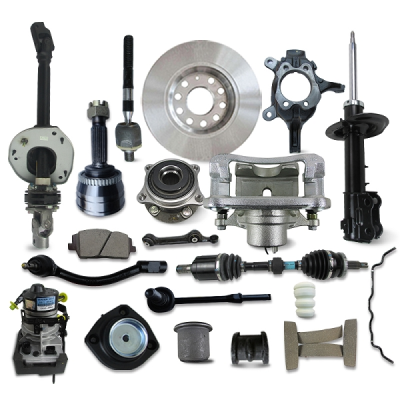
Comprehensive Sourcing Guide
Strategic Sourcing Guide for Subframe Suspension Systems and Engine Mounts
The global automotive supply chain relies heavily on the integrity of subframe suspension systems and engine mounts, components that serve as the critical interface between the vehicle chassis and its powertrain. For procurement professionals, navigating the market for these specialized parts requires a rigorous understanding of material science, manufacturing capabilities, and compliance frameworks. The current market landscape presents a diverse array of options, ranging from standardized steel brackets to highly customized high-damping rubber solutions. This guide synthesizes available market data to provide a structured approach for sourcing these essential automotive components, ensuring that buyers can make informed decisions based on verified attributes rather than unverified claims.
Technical Specifications and Material Composition
When evaluating subframe suspension systems and engine mounts, the primary technical differentiator is the material composition. The supplied market data indicates a clear bifurcation in material availability, with Steel and Stainless Steel being the predominant options observed. Steel components are often selected for their high tensile strength and cost-effectiveness in structural applications, while Stainless Steel offers superior corrosion resistance, which is vital for under-chassis environments exposed to moisture and road salts.
Beyond the base material, the structural design of these components varies significantly. The market features products with a Triangle Bracket structure, which is particularly relevant for specific mounting configurations requiring high rigidity. In contrast, other listings describe Single Deck configurations, suggesting a focus on space-constrained applications or specific load-bearing requirements. The Shape of the component is also a critical variable; buyers should expect to encounter both Common sizes for mass-market applications and Tailored shapes designed for specific vehicle models or custom engineering projects.
The manufacturing arts employed in these products are primarily Metal based, indicating that the fabrication processes involve stamping, welding, or casting. For engine mounts specifically, the Rubber Formula is a key technical specification. Advanced suppliers offer Personalized Development on Performances Request, allowing for the optimization of damping characteristics to match specific vehicle dynamics. This customization extends to the Structure itself, with options for OEM Optimization and ODM services, ensuring that the final product aligns perfectly with the vehicle's suspension geometry and vibration isolation needs.
Compliance, Certification, and Standard Verification
Navigating the regulatory landscape is a non-negotiable aspect of sourcing automotive components. The observed market data reveals a robust array of certifications and standards that buyers must verify. A significant number of suppliers list compliance with CE, ISO, API, DIN, and AISI standards. These certifications indicate adherence to international quality and safety benchmarks, which is essential for exporting to regulated markets in Europe and North America.
Furthermore, environmental compliance is increasingly critical. The data highlights specific test reports covering RoHS, Reach, Pops, PAHs, and Tsca. These standards ensure that the materials used in the engine mounts and brackets do not contain hazardous substances prohibited in many jurisdictions. Buyers should treat the presence of these test reports as a baseline requirement rather than a guarantee, verifying that the specific batch of products being purchased has undergone the necessary testing procedures.
In terms of product standards, the market shows a mix of Standard and Customized product standards. While some components adhere to established industry norms, others are manufactured to Customized specifications. This distinction is vital for procurement teams; relying solely on "Standard" certifications may not suffice for unique vehicle platforms. Additionally, the Condition of the products is listed as New, which is a fundamental expectation for OEM and aftermarket replacements, ensuring that no refurbished or used parts are inadvertently sourced.
Cost Drivers and Pricing Dynamics
The pricing structure for subframe suspension systems and engine mounts is influenced by a complex interplay of factors, including material costs, customization levels, and order volume. The observed price range in the market is extensive, spanning from 0.01 to 980 USD. This wide disparity reflects the difference between simple metal brackets and complex, high-performance engine mounts with specialized rubber compounds.
Several key drivers influence where a specific product falls within this range. First, the Material choice plays a significant role; Stainless Steel components generally command a higher price point than standard steel due to the raw material cost and additional processing required. Second, the level of Customization is a major cost factor. Products with Personalized Development on rubber formulas or Tailored shapes require unique tooling and engineering time, which increases the unit cost.
The MOQ (Minimum Order Quantity) also acts as a significant cost driver. The observed MOQ range is vast, from 1 to 20,000 units. Buyers ordering small quantities, perhaps for prototyping or low-volume production, may face higher per-unit costs. Conversely, large-scale orders can leverage economies of scale, though the high MOQ ceiling suggests that some suppliers require substantial commitment to unlock lower price tiers. Payment terms, such as Tt/LC, and shipping methods, including Sea, Air, or Express, further impact the total landed cost. Buyers must factor in the Lead Time, which varies from About 7-15 days to 30 Days, as expedited shipping or rush production can incur additional premiums.
Typical Applications and Usage Scenarios
The versatility of subframe suspension systems and engine mounts is evident in their diverse application scope. The data indicates that these components are utilized across a wide spectrum of industries, including Medical, Household, Electronic, Vehicle, Agricultural, and Industrial sectors. However, within the context of the core keyword, the Vehicle application is paramount.
Specific usage scenarios include Air Conditioner Brackets, Shelf Brackets, TV Brackets, Wall Brackets, and Projector Brackets, suggesting that the manufacturing capabilities extend beyond automotive to general industrial mounting solutions. For automotive applications, the Type of component is often specified as Auto Fasteners, Auto Belt, or Shock Absorber. The Position of the mount, such as Rear, is a critical detail for compatibility.
The Style of the components, described as New Classical, and the Color, listed as Pure, may seem aesthetic, but they often correlate with specific design eras or manufacturer branding requirements. The Folded attribute suggests that some components may be designed for compact storage or specific assembly sequences. Understanding these varied applications helps buyers identify suppliers who can handle both standard automotive needs and specialized industrial mounting requirements, ensuring a single source can meet multiple procurement demands.
Supplier Evaluation and Manufacturing Capabilities
Selecting the right supplier requires a deep dive into their manufacturing capabilities and quality assurance processes. The data highlights several critical attributes that define a high-quality supplier. A robust supplier should offer OEM services, as indicated by the "Yes" attribute in the data, allowing for the production of parts under the buyer's brand or specifications. The ability to provide Customized products is also a hallmark of a capable partner, moving beyond off-the-shelf solutions to address unique engineering challenges.
Quality control is paramount in the automotive sector. The observed in-Plant Inspection processes include Fai (First Article Inspection), Type Approval Test, Ipqc (In-Process Quality Control), and Oqc (Outgoing Quality Control). These steps ensure that every batch of engine mounts or brackets meets the required specifications before leaving the facility. Furthermore, the Traceability of products is a crucial feature, with some suppliers utilizing a V Code Indicating Batch No. This allows for precise tracking of components throughout the supply chain, facilitating rapid recalls or quality investigations if necessary.
The Patents held by suppliers, such as High Damping Rubber, indicate a commitment to innovation and proprietary technology. This can be a significant competitive advantage, offering performance benefits that generic components cannot match. Additionally, the Structure of the supplier's operations, described as OEM Optimization / ODM, suggests a flexible approach to production that can adapt to changing market demands.
Quality Control and Long-Term Procurement Considerations
Ensuring long-term reliability requires a focus on quality control and supply chain stability. The Packing methods observed, ranging from in Plastic Bags and Cartons to Wooden Package, are essential for protecting components during transit. The choice of packaging often depends on the fragility of the product and the shipping method; Wooden Packages are typically used for heavy or high-value items to prevent damage.
Buyers should also consider the Lead Time and Delivery Time when planning procurement. While some suppliers offer a lead time of About 7-15 days, others may require 30 Days. This variance can impact production schedules, making it essential to align supplier capabilities with project timelines. The Payment terms, such as Tt/LC, also need to be evaluated to ensure they align with the buyer's financial policies and risk tolerance.
Finally, the Standard of the product, whether Standard or Customized, should be clearly defined in the procurement contract. Relying on vague descriptions can lead to discrepancies in the final product. Buyers must verify that the Test Report data matches the specific batch of goods being purchased. By maintaining a rigorous approach to quality control and supplier evaluation, procurement teams can secure a reliable supply of subframe suspension systems and engine mounts that meet the highest standards of performance and safety.
Comparative Analysis of Product Attributes
To facilitate decision-making, the following table summarizes the key attributes observed in the market data, highlighting the variations available to buyers.
| Attribute Category | Observed Options | Strategic Implication |
|---|---|---|
| Material | Steel, Stainless Steel | Select based on corrosion resistance needs vs. cost. |
| Structure | Triangle Bracket, Single Deck | Match to specific chassis geometry and load requirements. |
| Customization | Available, Customized, OEM | Essential for unique vehicle platforms or specific performance needs. |
| Certification | CE, ISO, API, DIN, AISI, RoHS, Reach | Mandatory for export and regulatory compliance in target markets. |
| Lead Time | 7-15 Days, 30 Days | Align with production schedules; shorter times may incur premiums. |
| MOQ | 1 - 20,000 | Negotiate based on volume; high MOQs may be required for low unit costs. |
| Packaging | Plastic/Carton, Wooden Package | Ensure packaging protects the product during international shipping. |
| Inspection | FAI, Type Approval, IPQC, OQC | Verify supplier has a robust in-plant quality control system. |
This comparative view underscores the importance of matching specific buyer requirements with the diverse capabilities found in the market. By carefully evaluating these attributes, procurement professionals can navigate the complexities of sourcing subframe suspension systems and engine mounts with confidence and precision.
FAQs
Can I get customized subframe suspension system engine mounts?
Yes, customization is available for these components. Suppliers offer tailored shapes and personalized rubber formula development based on performance requests to meet specific engineering needs.
What materials are used for these engine mounts?
The primary materials observed are Steel and Stainless Steel. Steel provides high tensile strength for structural applications, while Stainless Steel offers superior corrosion resistance for under-chassis environments.
Which certifications do these products typically hold?
Products often carry CE, ISO, API, DIN, and AISI certifications. Additional test reports may cover RoHS, Reach, and other environmental standards to ensure compliance with international regulations.
How long is the lead time for these orders?
Lead times vary between about 7 to 15 days and up to 30 days depending on the supplier. The specific delivery time depends on the order volume and customization requirements.
What is the minimum order quantity for these parts?
The minimum order quantity ranges from 1 to 20,000 units. Some suppliers allow negotiation on the MOQ, making it flexible for both prototyping and large-scale production runs.
Can I find these mounts in Ningbo, China?
Yes, Ningbo, China is a documented origin for these products. Many suppliers are located in this region, offering various packing options like wooden packages or plastic bags.
What quality control processes are used for these mounts?
Suppliers utilize in-plant inspections including First Article Inspection and Outgoing Quality Control. Traceability is often ensured via a V Code indicating the batch number for every product.