Source Suction Cup Shooting Monkey Toy for parties, schools, and events
Compare 30 listings for the Suction Cup Shooting Monkey Toy from verified Chinese manufacturers. Buyers can evaluate prices, MOQs, and customization options for wholesale sourcing.
Key considerations
Products List
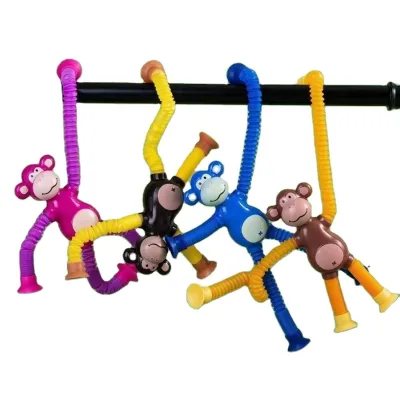
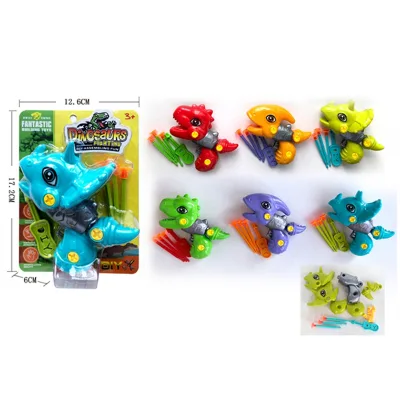
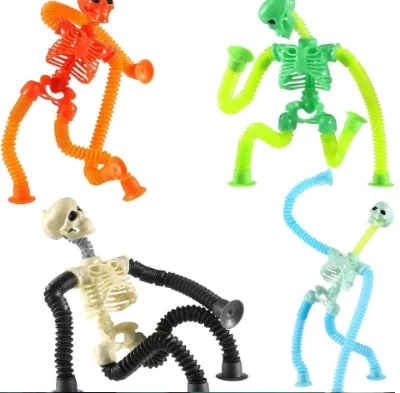
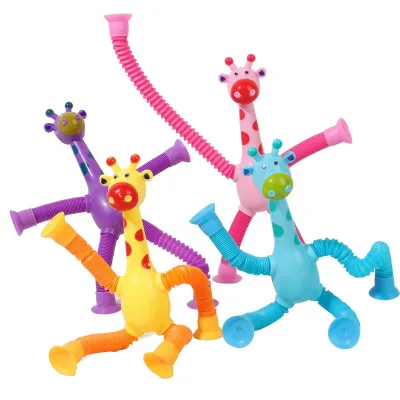
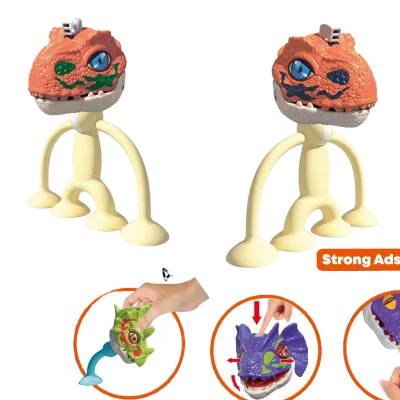

Colorful Plastic Spider Revolver Gun Shaped Suction Cup Bullet Toy Candy
$19.00 - $22.00
MOQ: 200 Boxes


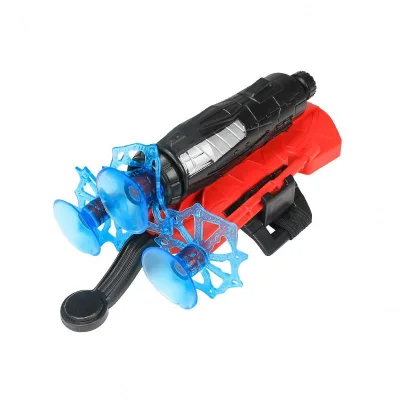
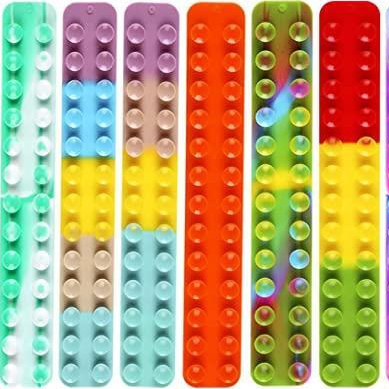


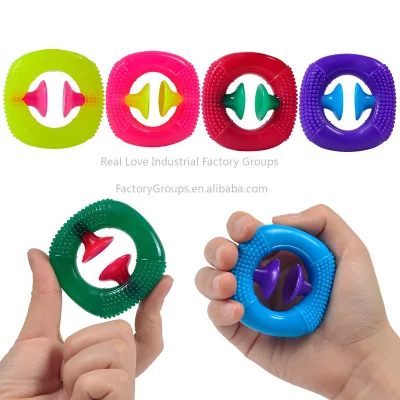



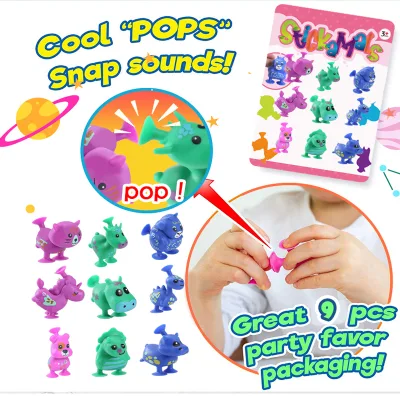
Competitive Throwing Suction Cup Rocket Launcher Indoor Outdoor Sport Toy Game
$1.89 - $4.49
MOQ: 24 Pieces



Comprehensive Sourcing Guide
Strategic Sourcing Guide for Telescopic Suction Cup Monkey Toys
Understanding Product Specifications and Variants
When sourcing a telescopic suction cup monkey toy, buyers must first distinguish between specific product configurations, as the market offers distinct variations under similar functional descriptions. The core product is defined as a telescopic tube with a suction cup mechanism, often marketed as a "Suction cup retractable little monkey." This item operates on the principle of expansion and compression, utilizing a plastic material that allows for creative telescopic movement. The primary function is to provide a stretchable, retractable experience that appeals to children, often categorized under other educational toys or decompression toys depending on the specific design intent.
Technical specifications vary significantly between different model numbers found in the supply chain. For instance, one configuration, identified by model number BL263336, features a product size of 14419 cm and a single package size of 16X16.5X3 cm. This specific unit has a single gross weight of 1.000 kg and is packaged in an OPP bag. In contrast, other variants such as model BL307910, described as a "Telescopic giraffe" but sharing similar telescopic mechanics, have a product size of 12.54.511.5 cm and a smaller single package size of 14.5X4.5X19 cm. A third category, represented by model BL293772, is labeled as "Baby Suction Cup Toys" and includes different packaging dimensions, with a single package size of 103.5X35.5X69 cm and a significantly higher single gross weight of 30.500 kg, suggesting bulk packaging or a different product composition.
The color options and branding also play a crucial role in specification. While some listings indicate a specific color code like BL263336, others offer "Four colors" or "as shown in the figure" options. The brand name "baoyulong" appears in specific listings, but customization is a standard feature, with suppliers explicitly stating that customized logos are welcome. Buyers must verify whether the specific unit they are sourcing is a single item or part of a larger set, as the selling units are listed as "Single item" for some configurations. The gender classification is consistently "Unisex," making these products suitable for a broad demographic, with age recommendations typically starting at 3+ years, though some listings suggest age ranges extending to 5 to 7 years, 8 to 13 years, and 14 years & up.
Compliance, Certification, and Safety Standards
Safety compliance is a non-negotiable aspect of sourcing children's toys, particularly those involving suction cups and small parts. The supply chain data indicates that certain product lines carry certifications such as HACCP, FDA, ISO, and HALAL. While these certifications are listed, buyers must exercise due diligence to confirm that the specific model number and production batch they intend to purchase hold these valid credentials. The presence of these certifications suggests a commitment to food-grade safety standards or general quality management systems, which is critical for toys that may be handled frequently by young children.
In the context of international trade, buyers should verify adherence to regional safety standards. Although specific test results are not provided in the general product data, the industry standard for toys in North America typically involves ASTM F963, and in Europe, EN71 is the governing standard. Similarly, the CE mark is a common requirement for products entering the European market. However, buyers must not assume that every listed product automatically satisfies these standards. Instead, the procurement strategy should involve requesting current test reports from the supplier for the specific model number, such as BL263336 or BL307910, to ensure the plastic material and suction cup mechanisms meet the impact and chemical safety requirements of the destination market.
The material composition is listed as "Plastic," which is a broad category. To ensure safety, buyers should request detailed material safety data sheets (MSDS) to confirm the absence of harmful phthalates or heavy metals. The "Department" is listed as "Toy Candy," which may imply a specific manufacturing line or supplier specialization, but this does not automatically confer food safety unless explicitly verified through the HACCP or FDA certifications mentioned. The form of the product is "Solid," which simplifies some safety checks but does not eliminate the need for mechanical safety testing regarding the suction cup's holding strength and the structural integrity of the telescopic tube during expansion and compression cycles.
Cost Drivers and Pricing Dynamics
The pricing structure for telescopic suction cup toys is influenced by several variables, including order volume, customization requirements, and packaging complexity. The observed price range in the market spans from 0.08 to 29 USD, a wide spectrum that reflects the diversity of product quality, packaging, and order quantities. The lower end of this range likely corresponds to basic, unbranded units with minimal packaging, such as the OPP bag configuration seen in model BL263336. Conversely, the higher end may reflect products with custom branding, color box packaging, or more complex manufacturing processes.
Minimum Order Quantity (MOQ) is a significant factor in determining the unit cost. The data shows an MOQ range from 1 to 10,000 units, with specific listings indicating MOQs of 600 for one model and 400 for another. Buyers should understand that ordering closer to the lower MOQ limits often results in a higher per-unit cost due to the fixed costs of setup and production. As the order volume increases, the economies of scale typically drive the unit price down. Payment terms are generally listed as T/T (Telegraphic Transfer), which is standard for B2B transactions in this sector.
Customization is a major cost driver. While suppliers welcome OEM/ODM requests and logo printing, these services add to the production time and cost. The "Customization: Available" attribute suggests that buyers can request specific colors, logos, or packaging designs, but these requests will likely increase the base price and potentially the lead time. Additionally, the packaging type significantly impacts cost; a simple OPP bag is cheaper than a color box, which requires more material and assembly. Buyers must balance the desire for premium packaging and branding against the budget constraints, ensuring that the total landed cost remains competitive in their target market.
Typical Applications and Market Positioning
Telescopic suction cup monkey toys serve multiple applications, ranging from educational play to stress relief and entertainment. The primary market segment is children aged 3 years and older, with some products targeting older demographics up to 14 years and beyond. This wide age range suggests versatility in usage; younger children may use the toys for fine motor skill development and sensory play, while older children or even adults might utilize them as decompression toys or novelty items. The "Expansion and compression" function provides a tactile experience that can be engaging for various age groups.
In the educational sector, these toys are often categorized as "Other Educational Toys." The telescopic mechanism helps children understand concepts of elasticity, length, and cause-and-effect relationships. The suction cup feature adds a layer of interactive play, allowing children to attach the toy to smooth surfaces like windows or bathroom tiles, fostering imaginative scenarios. The "Unisex" classification ensures that these toys are suitable for all children, broadening their market appeal in retail environments.
Beyond the traditional toy market, the "Decompression toys" classification indicates a secondary application in the stress-relief market. The satisfying action of extending and retracting the tube can provide a calming effect, making these products suitable for gift shops, novelty stores, and even corporate promotional items. The ability to customize logos makes them ideal for marketing campaigns, where the toy serves as a memorable giveaway. The "Toy Candy" department listing suggests that these items might also be sold in confectionery sections or as part of a mixed assortment in general merchandise stores, leveraging their low cost and high visual appeal.
Supplier Evaluation and Operational Logistics
Evaluating suppliers for telescopic suction cup toys requires a focus on location, production capacity, and logistical capabilities. The primary place of origin for these products is Guangdong, China, a major manufacturing hub known for its extensive toy industry infrastructure. Buyers should verify the supplier's location within this region, as proximity to ports can influence shipping costs and lead times. The single gross weight and carton dimensions are critical for logistics planning. For example, a carton size of 69.54068 cm or 673964 cm must be factored into shipping container calculations to optimize freight costs.
When assessing supplier reliability, buyers should look for evidence of OEM/ODM capabilities and a history of customization. The "Logo: accept customized logo" and "Logo: logo printed is welcome" attributes indicate that suppliers are equipped to handle branding requests. However, buyers must confirm the supplier's ability to maintain consistent quality across different production runs. The "Packaging" options, ranging from OPP bags to color boxes, should be evaluated for durability during transit. A supplier that offers robust packaging solutions will reduce the risk of damage during shipping, which is particularly important for items with suction cups and telescopic tubes that could be crushed or deformed.
Lead times and payment terms are also essential considerations. While specific lead times are not provided in the general data, buyers should negotiate clear timelines based on order volume and customization needs. The standard payment term of T/T requires buyers to have a secure financial arrangement in place. It is advisable to request a production schedule and milestones to ensure the supplier can meet delivery deadlines. Additionally, buyers should verify the supplier's capacity to handle large orders, given the observed MOQ range up to 10,000 units, to ensure they can scale production as demand grows.
Quality Control and Long-Term Procurement Strategy
Implementing a robust quality control (QC) strategy is vital for maintaining product integrity and customer satisfaction. Given the mechanical nature of telescopic toys, QC should focus on the durability of the suction cup and the flexibility of the plastic tube. Buyers should establish clear acceptance criteria for the expansion and compression cycles, ensuring the toy can withstand repeated use without breaking or losing its suction capability. Visual inspections for defects in the plastic material, such as burrs or discoloration, are also necessary.
For long-term procurement, buyers should consider building a strategic partnership with a supplier who offers consistent quality and reliable customization. The "Customization: Available" attribute suggests that suppliers are open to long-term collaboration, but buyers must ensure that the customization process is standardized to avoid inconsistencies. Regular audits of the production facility and random sampling of finished goods can help maintain quality standards. Additionally, buyers should monitor the supply chain for any changes in material sourcing or manufacturing processes that could affect product safety or performance.
Finally, buyers should plan for market trends and product lifecycle management. The "Four colors" and "as shown in the figure" options indicate that color trends can change rapidly. A flexible procurement strategy that allows for quick adjustments to color palettes and designs will help buyers stay competitive. By focusing on technical specifications, compliance, cost drivers, and supplier evaluation, buyers can successfully source high-quality telescopic suction cup monkey toys that meet the needs of their target market while maintaining a sustainable and profitable supply chain.
FAQs
What is the minimum order quantity for suction cup shooting monkey toys?
The minimum order quantity varies by model, with specific listings showing 400 or 600 units. Buyers should verify the exact MOQ for the desired model number before placing an order to ensure compliance with supplier requirements.
Which certifications are available for these plastic telescopic toys?
Some product lines carry certifications including HACCP, FDA, ISO, and HALAL. Buyers must confirm that the specific model and production batch hold these valid credentials to meet safety standards for children's products.
Can suppliers provide customized logos on the suction cup toys?
Yes, suppliers explicitly welcome customized logo printing and OEM or ODM requests. This customization is available but may affect the unit cost and production lead time depending on the complexity of the design.
What are the typical packaging options for these educational toys?
Packaging options include simple OPP bags or more premium color boxes depending on the specific product model. The choice of packaging affects the single package size and overall weight, influencing shipping calculations.
Where are these telescopic tube toys primarily manufactured?
The primary place of origin for these products is Guangdong, China. This region is a major manufacturing hub for toys, offering extensive infrastructure for production and export logistics.
What age groups are suitable for these suction cup retractable toys?
The toys are generally suitable for children aged 3 years and older, with some listings extending to 14 years and up. The unisex classification makes them appropriate for a broad demographic range.
How does the price range vary for these telescopic monkey toys?
The observed price range spans from 0.08 to 29 USD depending on order volume and customization. Lower prices typically correspond to basic units with minimal packaging, while higher prices reflect custom branding or complex packaging.