Source Sugar Factory Sugarcane Juicer for juice bars, farms, and factories
Explore 30 verified Sugar Factory Sugarcane Juicer options with varying capacities from 300kg to 1000kg per hour. Buyers can compare stainless steel models, voltage specifications, and output rates to find the right equipment for juice extraction.
Key considerations
Products List


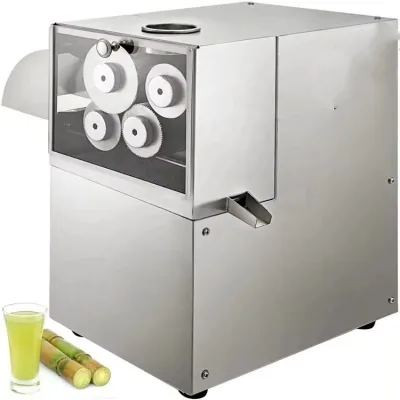

Electric Sugar Cane Juicer Machine / Sugarcane Juice Machine / Sugarcane Juicer
$1359.00 - $2189.00
MOQ: 1 Sets


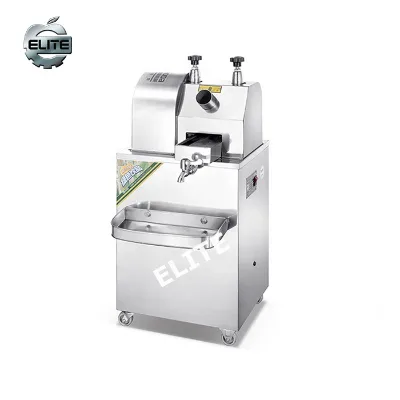
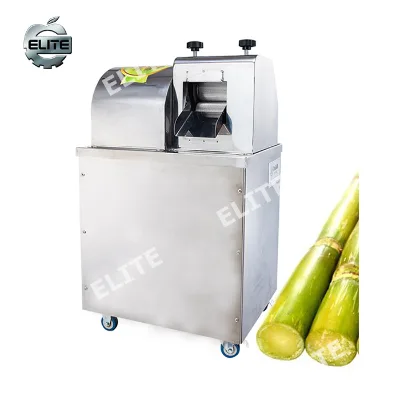


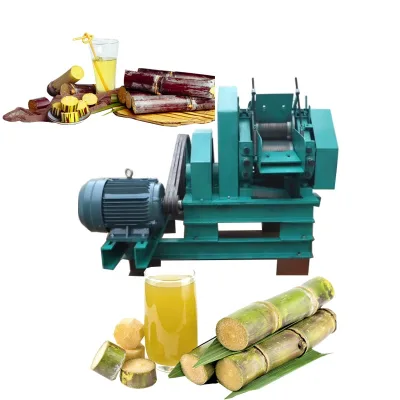


Comprehensive Sourcing Guide
Strategic Sourcing Guide for Industrial Sugarcane Juicers
Understanding Technical Specifications and Variability
When sourcing a Sugar Factory Sugarcane Juicer, buyers must navigate a landscape of diverse technical configurations rather than a single standardized product. The available market data reveals significant variance in machine capabilities, driven by the specific processing needs of different production scales. A primary observation in the current inventory is the disparity in output capacity. Some units are engineered for high-volume industrial throughput, boasting capacities of 1000kg/H, while others are designed for smaller operations with outputs ranging between 300kg/H and 350kg/H. This distinction is critical for procurement planning, as selecting a machine with insufficient capacity can create bottlenecks, while an oversized unit may result in unnecessary capital expenditure and energy inefficiency.
Power requirements also vary substantially across the product range. The observed voltage specifications include both 380V industrial three-phase systems and 220V/110V single-phase configurations. A 380V unit, often associated with higher torque and continuous operation, contrasts with 220V models that may be suitable for facilities with limited electrical infrastructure. Furthermore, the power consumption figures indicate a range, with specific models listing an 800W rating, suggesting that energy efficiency is a variable dependent on the motor and roller design. The mechanical core of these machines typically relies on a roller system, with some specifications explicitly noting a three-roller configuration. The diameter of these rollers is a key dimension, with observed measurements of 200mm, which directly influences the crushing pressure and juice extraction efficiency.
The physical dimensions and weight of the machinery are equally important for facility planning. The observed weight ranges from compact units weighing approximately 55kg to heavy-duty industrial machines reaching 435kg or even 400kg. Correspondingly, the physical footprints vary from compact dimensions like 523350cm to large industrial frames measuring 12001200860mm. Buyers must verify that their factory floor can accommodate these specific dimensions, including the necessary clearance for maintenance and raw material feeding. The feed port size, observed at 220mm, and discharge port size, noted at 240mm, dictate the size of the sugarcane stalks that can be processed without pre-cutting, impacting labor requirements upstream of the juicer.
Compliance, Certification, and Material Standards
In the realm of food processing equipment, material composition and adherence to hygiene standards are non-negotiable. The supplied product data consistently highlights the use of stainless steel as the primary material for construction. This is a critical compliance factor, as stainless steel offers the necessary corrosion resistance and durability required for handling acidic sugarcane juice and the abrasive nature of the cane itself. However, buyers must verify the specific grade of stainless steel used, as different grades offer varying levels of resistance to rust and chemical degradation. The presence of core components such as bearings and motors is standard, but the quality and origin of these internal parts are often where compliance gaps can occur.
While the provided data mentions that machinery test reports are provided for certain models, this should be treated as an observation of available documentation rather than a universal guarantee of compliance. Buyers should explicitly request these test reports to verify that the machine meets the specific safety and performance standards of their target market. The warranty periods observed in the market data generally span one year, which serves as a baseline for supplier confidence. However, a one-year warranty does not equate to a certification of long-term reliability. Buyers must investigate whether the supplier offers extended warranty options or if the warranty covers specific components like the motor or the roller assembly differently.
Packaging standards also play a role in the compliance of the shipment. The data indicates various packaging methods, including wooden packing, wooden crates, and wooden boxes. For international procurement, the type of wood and the treatment applied (such as ISPM 15 compliance for export) must be verified to prevent customs delays. The dimensions of the single package, ranging from 604059cm to 624259cm, must be factored into logistics planning to ensure efficient container loading and cost-effective shipping.
Cost Drivers and Pricing Dynamics
The pricing structure for sugar factory sugarcane juicers is influenced by a complex interplay of capacity, material quality, and customization options. The observed price range in the market spans from 169 USD to 5000 USD, a wide spectrum that reflects the diversity of the equipment. The lower end of this range likely corresponds to smaller, single-unit machines with lower capacity and simpler mechanical designs, such as those with a single package size of 62X42X59 cm. Conversely, the higher price points are associated with high-capacity industrial units, such as those with a 1000kg/H output, which require more robust motors, larger stainless steel components, and more complex roller assemblies.
Capacity is a primary cost driver. Machines capable of processing 1000kg/H naturally command a higher price than those limited to 300-350kg/H due to the increased material and engineering required. Additionally, the customization availability noted in the product attributes suggests that buyers can tailor specific features, which may incur additional costs. Customization options might include modifying the feed port size, adjusting the rotational speed, or altering the voltage configuration to match local grid standards. The weight of the machine is another indicator of cost; heavier units generally utilize more raw material and heavier-duty components, pushing the price upward.
The minimum order quantity (MOQ) observed is consistently 1, indicating that suppliers are flexible and willing to sell single units. This is advantageous for buyers who are testing the market or have limited initial capital. However, buyers should be aware that while the MOQ is low, the unit price may be higher for single-item purchases compared to bulk orders. The selling units are listed as "Single item," reinforcing the flexibility of the supply chain. Buyers should also consider the "key selling points" such as high productivity, which often correlates with a higher price point but offers a better return on investment through increased throughput.
Typical Applications and Operational Efficiency
The primary application of these machines is the extraction of juice from sugarcane, a process that requires high efficiency and minimal waste. The observed juice rate for these machines ranges from 75% to 85%, a metric that directly impacts the profitability of the operation. A higher juice extraction rate means more product from the same amount of raw material, reducing the cost per liter of juice produced. The rotational speed of the rollers, observed at 25r/min, is a critical operational parameter. This speed must be optimized to balance the crushing force with the throughput rate; too high a speed may damage the cane or the machine, while too low a speed reduces efficiency.
These machines are versatile enough to handle various stages of sugarcane processing, from small-scale street vendors to larger factory operations. The compatibility with sugarcane is explicitly stated, ensuring that the machine is designed specifically for this raw material. The processing method is identified as a juice extractor, which implies a mechanical crushing and squeezing process. The "High Productivity" selling point suggests that these machines are designed for continuous operation, making them suitable for commercial environments where downtime is costly.
The weight and dimensions of the machine also influence its application. Compact units weighing 55kg are ideal for mobile setups or small workshops, while the 435kg industrial models are suited for fixed installations in large factories. The feed port size of 220mm allows for the processing of whole stalks, reducing the need for pre-cutting labor. However, buyers must verify if the specific model they choose can handle the diameter of the sugarcane stalks available in their region. The discharge port size of 240mm ensures that the crushed cane residue (bagasse) is expelled efficiently, preventing blockages that could halt production.
Supplier Evaluation and Verification Protocols
Evaluating a supplier for industrial sugarcane juicers requires a rigorous approach to verifying the claims made in product listings. The data indicates that the place of origin is primarily China, with specific mentions of Henan as a production hub. While this provides a geographical context, buyers should not assume that all products from this region meet the same quality standards. The presence of a "machinery test report" is a positive indicator, but buyers must ensure that these reports are recent, comprehensive, and relevant to the specific model being purchased.
The warranty period of one year is a standard offering, but buyers should scrutinize the terms of this warranty. Does it cover the entire machine, or only specific components like the motor and bearings? Are there exclusions for wear and tear on the rollers? The availability of customization is another factor to consider; a supplier that offers customization is likely more responsive to specific buyer needs, but this requires clear communication of requirements to avoid misunderstandings.
Buyers should also evaluate the supplier's ability to provide after-sales support. The "High Productivity" claim implies that the machine will be used intensively, making the availability of spare parts and technical support crucial. The material composition, specifically stainless steel, should be verified through documentation or third-party testing to ensure it meets food-grade standards. The packaging method, whether wooden crate or wooden box, should be assessed for its ability to protect the machine during transit, especially for international shipments.
Quality Control and Long-Term Procurement Considerations
Quality control in the procurement of sugarcane juicers extends beyond the initial purchase. Buyers must establish a protocol for inspecting the machine upon arrival, focusing on the integrity of the stainless steel construction, the alignment of the rollers, and the functionality of the motor and bearings. The observed weight variations, from 55kg to 435kg, should be used as a benchmark to verify that the delivered machine matches the specifications. Any significant deviation in weight could indicate missing components or the use of inferior materials.
Long-term procurement considerations include the availability of spare parts and the ease of maintenance. The core components, such as bearings and motors, are subject to wear and tear. Buyers should inquire about the lead time for spare parts and the cost of replacement components. The warranty period of one year is a starting point; buyers should negotiate for extended coverage or service contracts that cover the machine beyond the initial warranty period. The "High Productivity" feature suggests that the machine will be used frequently, making regular maintenance schedules essential to prevent breakdowns.
The environmental impact of the machine is another consideration. The juice extraction rate of 75%-85% indicates the efficiency of the process, but buyers should also consider the disposal of the bagasse residue. Some machines may have features that facilitate the collection and processing of bagasse for other uses, such as animal feed or biofuel. The energy consumption, indicated by the power ratings, should be evaluated in the context of local electricity costs to determine the total cost of ownership.
Final Procurement Strategy and Decision Framework
To conclude the sourcing process, buyers should adopt a structured decision framework that balances technical specifications, cost, and supplier reliability. The wide range of capacities, from 300kg/H to 1000kg/H, requires a clear understanding of the production volume needed. The voltage requirements must be matched to the local electrical infrastructure to avoid costly retrofits. The material quality, specifically the use of stainless steel, must be verified to ensure food safety and durability.
Buyers should prioritize suppliers who provide comprehensive documentation, including machinery test reports, detailed warranty terms, and clear specifications on dimensions and weight. The flexibility of the MOQ of 1 allows for initial testing, but buyers should plan for future scaling by selecting suppliers who can handle larger orders if production needs increase. The customization options available should be leveraged to tailor the machine to specific operational needs, ensuring maximum efficiency and productivity.
In summary, sourcing a Sugar Factory Sugarcane Juicer requires a meticulous approach to evaluating technical data, verifying supplier claims, and planning for long-term operational success. By focusing on the observed specifications and maintaining a rigorous quality control process, buyers can secure equipment that meets their production goals while minimizing risks associated with procurement. The diversity of the market offers opportunities for tailored solutions, but success depends on the buyer's ability to navigate the complexities of the available data and make informed decisions based on verified facts.
FAQs
What is the capacity range for sugar factory sugarcane juicers?
Capacity ranges from 300 to 1000 kilograms per hour depending on the model. Some units handle 500kg/H while others reach 1000kg/H, requiring buyers to select based on their specific production volume needs.
Can these machines operate on different voltage systems?
Yes, models are available for both 380V industrial three-phase and 220V single-phase systems. Buyers must verify their local electrical infrastructure to ensure compatibility with the specific voltage rating of the chosen unit.
Which materials are used to construct the juicer body?
The primary construction material is stainless steel to ensure corrosion resistance and hygiene. This material choice is critical for handling acidic sugarcane juice and maintaining food safety standards during the extraction process.
How is the machinery packaged for international shipping?
Machines are typically packed in wooden crates or wooden boxes to ensure safe transit. Buyers should verify that the wood treatment meets export standards like ISPM 15 to prevent customs delays during international procurement.
What is the standard warranty period for these units?
The standard warranty period is one year for most models. This coverage typically applies to core components, but buyers should confirm specific terms regarding motors and rollers to understand the extent of protection.
How much does a Sugar Factory Sugarcane Juicer cost?
Prices range from 169 to 5000 USD based on capacity and features. Lower costs correspond to smaller units, while high-capacity industrial models with robust motors command higher prices in the market.