Source Suction Force Breast Enlargement Cup for Salon, Home, Beauty Center
Compare 30 Suction Force Breast Enlargement Cup models from verified suppliers. Options include portable units with vacuum pressure up to 70cmHg, multiple cup sizes, and treatment programs for salon, home, and personal beauty center applications.
Key considerations
Products List


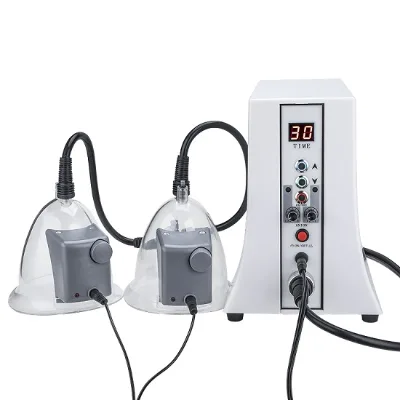
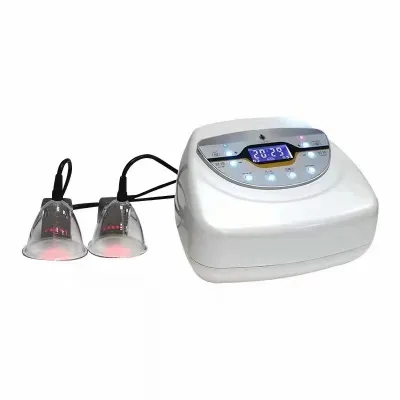
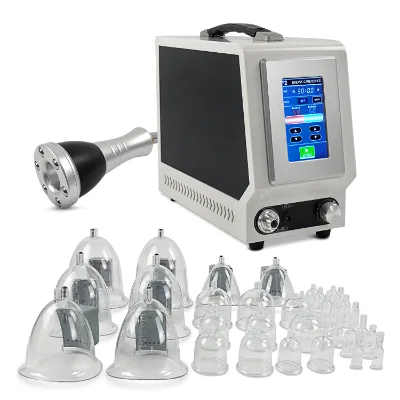
Cupping Breast Massager Vacuum Therapy Buttocks Lifting Breast Enlargement Machine
$779.00 - $956.00
MOQ: 1 Pieces


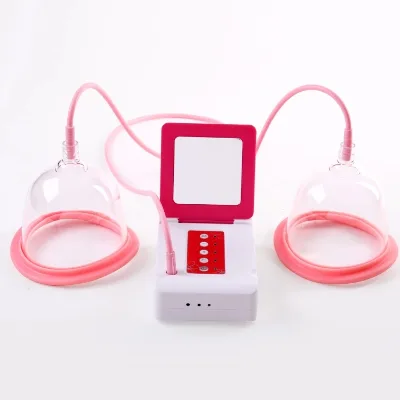
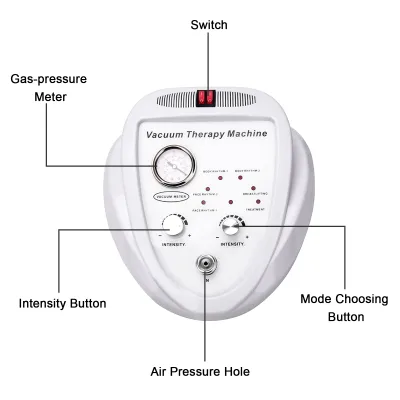
Vacuum Suction Cups Pump Therapy Butt Lifting Breast Enlargement Machine
$136.50 - $152.50
MOQ: 1 Pieces

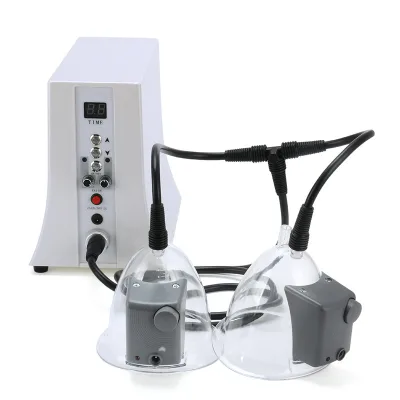
30PCS Suction Cup Vacuum Therapy Butt Lifting Breast Enlargement Machine
$136.50 - $152.50
MOQ: 1 Pieces





Comprehensive Sourcing Guide
Suction Force Breast Enlargement Cup Sourcing Guide
Procuring specialized aesthetic equipment requires a disciplined approach to verifying technical claims and commercial terms. The market for vacuum-based breast enhancement devices presents a range of options, from portable home-use units to professional salon-grade machines. Buyers must distinguish between general marketing language and verifiable engineering specifications. This guide focuses on the critical evaluation of suction force, cup configurations, and machine capabilities to ensure that sourced equipment meets professional standards for safety and efficacy.
The following analysis is grounded in observed market data and specific product attributes available in current listings. It avoids speculative claims about clinical outcomes or unverified performance metrics. Instead, it provides a framework for validating the physical characteristics of the devices, such as vacuum pressure ranges, power consumption, and accessory sets. This evidence-based approach helps procurement teams mitigate risk and align purchases with their specific operational needs, whether for a beauty center, a salon, or personal use.
Product Scope and Observed Listing Signals
The current market landscape for breast enlargement cups includes a diverse array of models designed for different operational environments. Observed listings indicate a product count of thirty distinct items, with prices ranging from $11.94 to $1,099 USD. This wide variance suggests a spectrum of quality and capability, from basic manual or low-power units to complex, multi-function machines. Buyers should note that the term "suction force" is often used interchangeably with vacuum pressure, but the actual performance depends on the machine's power output and the design of the suction cups.
Specific models observed include the Allfond S31B, S72E, S72T, AF-S72, and FX032, each with distinct configurations. For instance, the S31B is noted for its portability and includes six large cups, while the S72T is packaged in a wooden box and features thirty-five treatment programs. The FX032 model is smaller, with a packing size of 172325.5 cm, indicating a more compact design suitable for space-constrained environments. These variations highlight the importance of matching the device's physical attributes to the intended application, whether it is for high-volume salon use or individual home therapy.
Technical Specifications to Verify
Vacuum pressure is a primary technical indicator of a device's performance capability. In the observed data, specific models list a vacuum pressure range of 60-70 cmHg. This metric is critical for determining the intensity of the suction and its potential effectiveness in tissue stimulation. Buyers must verify that the stated pressure is consistent across all cups and that the machine can maintain this pressure under load. Discrepancies in vacuum readings can indicate poor seal quality or insufficient pump power, which may compromise treatment results and user safety.
Power consumption and electrical requirements are equally important for operational planning. The observed power ratings for these devices vary, with some models operating at 50W, others at 58W, and higher-end units at 100W. The voltage specification is generally listed as AC110V-220V 50~60Hz, which provides flexibility for international use but requires verification of the specific plug type and voltage converter needs for the buyer's location. Additionally, the treatment time is often standardized, with some protocols suggesting a 30-minute session per face or area, which helps in scheduling client appointments and estimating energy costs.
The configuration of accessories directly impacts the versatility of the device. Common accessory sets include multiple suction cups of varying sizes, such as the six-piece big cup set for the S31B or the combination of four double suction cups and six base cups for the S72E. Some models, like the S72T, include different size rollers and metal heads, expanding the device's utility beyond simple suction. Buyers should assess the durability and material quality of these cups, as frequent contact with skin requires hygienic, non-toxic materials that can withstand repeated cleaning and sterilization processes.
Compliance and Safety Documentation
Certification is a fundamental requirement for aesthetic equipment, particularly when devices involve electrical components and physical interaction with the human body. The CE certificate is a common compliance mark observed in the product data, indicating that the device meets European health, safety, and environmental protection standards. However, the presence of a CE mark alone does not guarantee safety; buyers must request the full technical file and test reports to verify that the certification is valid and issued by a recognized notified body. This is especially important for devices that generate vacuum pressure, as improper pressure regulation can lead to tissue damage.
Beyond certification, the construction and packaging of the device offer insights into its build quality and safety features. The S72T model, for example, is packed in a wooden box with a gross weight of 21kg, suggesting a robust internal mechanism that requires sturdy protection during transit. In contrast, lighter models like the FX032 use standard export packing. Buyers should inspect the device for clear labeling of electrical ratings, emergency stop mechanisms, and warning labels regarding contraindications. Proper documentation, including user manuals and maintenance guides, is essential for ensuring that operators can use the device safely and effectively.
Cost Drivers and Commercial Terms
The price of breast enlargement machines is influenced by several factors, including the complexity of the control system, the quality of materials used, and the number of included accessories. Models with more treatment programs, such as the 35 programs listed for the S72T, typically command higher prices due to the advanced software and interface technology involved. Additionally, the inclusion of specialized accessories like metal heads or multiple roller sizes adds to the manufacturing cost. Buyers should evaluate the total value proposition, considering not just the unit price but also the longevity and versatility of the device.
Commercial terms, such as minimum order quantity (MOQ) and delivery time, vary significantly among suppliers. The observed MOQ range is between 1 and 2 units, indicating that many suppliers are willing to accommodate small orders, which is beneficial for testing or small business setups. Delivery times are generally short, with many listings citing 1-3 working days after payment confirmation. However, buyers should clarify whether this refers to processing time or actual shipping time, as international logistics can add significant delays. Understanding these terms helps in planning inventory and managing cash flow effectively.
Supplier Qualification and Quality Control
Verifying the supplier's origin and manufacturing capabilities is a crucial step in the procurement process. The observed products originate from Guangdong and Guangzhou, China, regions known for their electronics and medical device manufacturing hubs. Buyers should request proof of the supplier's business license and any relevant manufacturing certifications. While the Allfond brand is mentioned, buyers should not assume that all products from this region meet the same quality standards. Due diligence is required to ensure that the supplier has a consistent track record of producing reliable and safe aesthetic equipment.
Quality control measures should be established before placing an order. This includes requesting sample units for testing, verifying the accuracy of vacuum pressure readings, and inspecting the build quality of the cups and handles. Buyers should also inquire about the supplier's warranty policy and after-sales support. A reputable supplier will provide clear guidelines for maintenance and troubleshooting, as well as access to replacement parts. Establishing a strong relationship with a qualified supplier can help mitigate risks and ensure a steady supply of high-quality equipment.
Long-Term Procurement Checks
Sourcing aesthetic equipment is not a one-time transaction but an ongoing process that requires regular review and adjustment. Buyers should monitor changes in technology and market trends to ensure that their equipment remains competitive. For example, the evolution of vacuum technology may lead to more efficient and safer suction mechanisms. Staying informed about these developments can help buyers make informed decisions about future purchases and upgrades. Additionally, feedback from clients and staff can provide valuable insights into the performance and usability of the devices.
Regular maintenance and calibration are essential for preserving the performance and safety of the equipment. Buyers should establish a routine maintenance schedule that includes cleaning the cups, checking the vacuum seals, and inspecting the electrical components. Proper maintenance not only extends the lifespan of the device but also ensures consistent treatment results. By implementing these long-term checks, buyers can maximize the return on their investment and maintain a high standard of service for their clients.
FAQs
How does a Suction Force Breast Enlargement Cup machine work?
It uses vacuum suction to gently pull breast tissue into cups, which stimulates local circulation and temporarily lifts and shapes the bust. Devices listed here operate at a vacuum pressure of about 60-70 cm Hg with multiple cup sizes, and sessions are typically short beauty treatments performed in salons or at home. Results are cosmetic and temporary, so realistic expectations are important before purchasing.
What vacuum pressure do these breast enlargement cup machines use?
The listed machines work with a vacuum pressure of 60-70 cm Hg, a moderate suction range suitable for beauty applications. This level is generally adjustable on the control panel, allowing users to start low and increase gradually for comfort. Buyers should confirm exact settings with the supplier before ordering, especially when training staff for salon treatments.
Which treatment areas can these machines cover besides the breast?
Besides the breast, listed models can treat the face and body areas, with functions including breast enlargement, shaping, massage, and in some cases microdermabrasion. Cup and probe attachments vary by model, such as sets of gourd cups, double suction cups, base cups, and rollers. Check the accessory list per model to match the treatments your salon plans to offer.
Can these machines be used at home as well as in a salon?
Yes, the listed applications cover salons, beauty centers, and personal home use. Portable models are designed for easy transport and setup, and treatment time is short, around 30 minutes per face treatment. Home users should follow the manual closely, start with low suction levels, and stop if discomfort occurs, while salon operators can incorporate the device into regular service menus.
What voltage do these breast enhancement machines support?
The machines operate on AC110V-220V at 50-60Hz, so they work with standard power supplies in most regions. Verify the plug type and any voltage-specific configuration with the supplier when placing an order, since shipping regions differ. This dual voltage range makes the devices suitable for both North American and European or Asian power environments without external converters in most cases.
How fast is delivery after payment is confirmed?
Delivery is quoted at 2-3 working days after payment confirmation on listed models, with some listings stating 1-3 working days. This applies to in-stock units; customized or bulk orders may take longer. Buyers should confirm stock availability, shipping method, and the exact dispatch date with the supplier before confirming payment to avoid delays.
What customization options are available for these machines?
Customization is available on the listed products, which is useful for salons or distributors wanting branded or configured units. Typical customization may involve packaging, labeling, or accessory configurations, and terms should be negotiated directly with the supplier. Orders are offered at low minimum quantities, with listed MOQs as low as one or two units, which suits small buyers testing the market.
What packaging and shipping details should buyers know?
Packing varies by model: plastic case and carton, carton box, wooden box, or standard export packing, with packing sizes such as 53*44*20cm, 38*37*38cm, and 51*48*40cm around 21kg. Wooden boxes may be used for sturdier transit protection. Confirm the packing configuration, gross weight, and freight cost for your destination before ordering, especially for single-unit trial purchases.