Source Summer Beach Soap Bubble Stick for Kids, Events, and Parties
Explore 30 listings for the Summer Beach Soap Bubble Stick, featuring options from brands like Desun and Dongdong. Buyers can compare specifications, packaging details, and customization availability to find the right supplier for recreational use; compare the available evidence and request quotations based on your requirements.
Key considerations
Products List
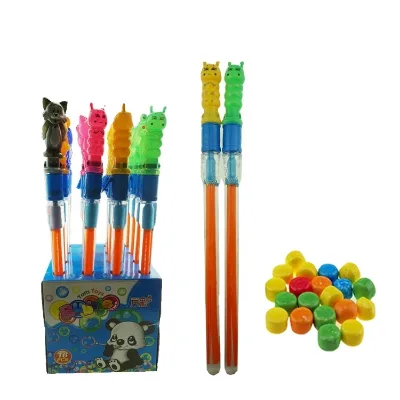


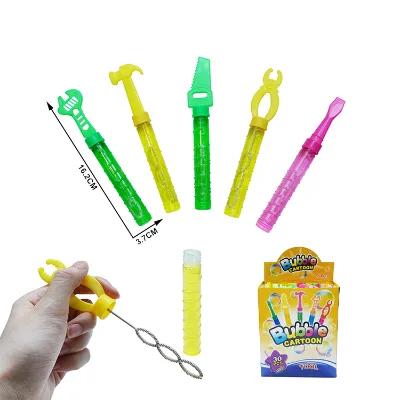
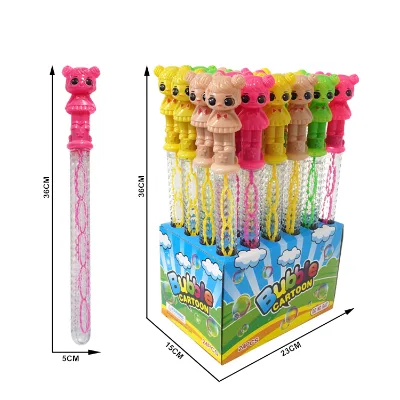

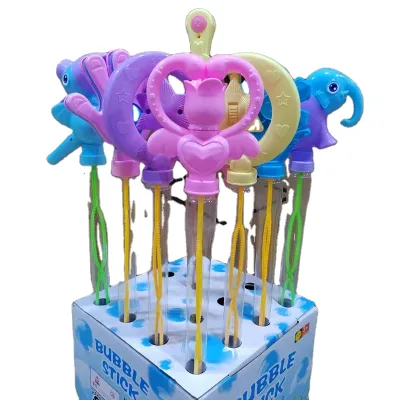
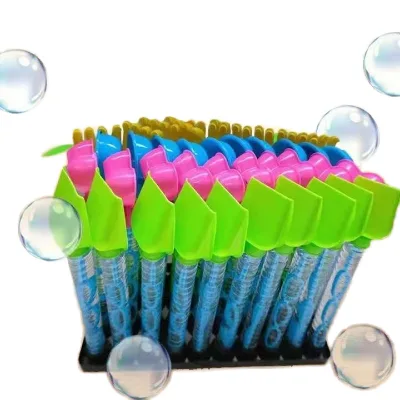
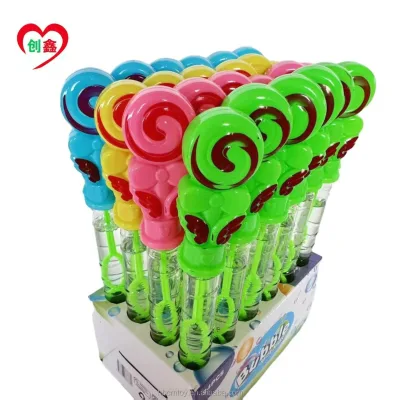
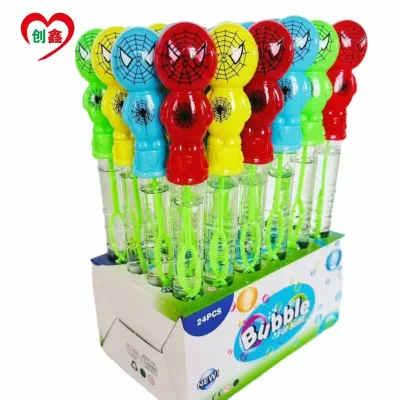


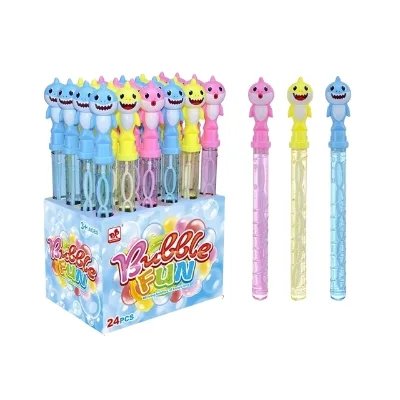
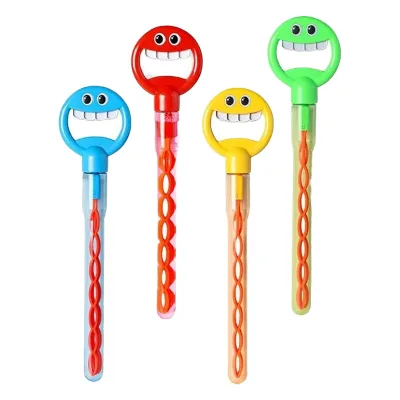
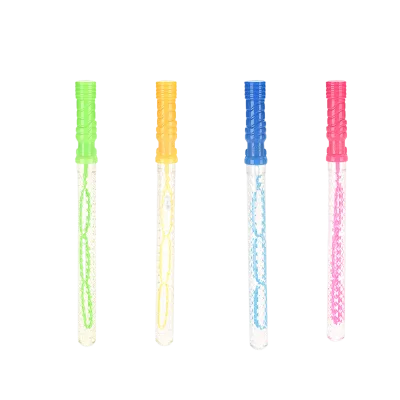

Outdoor Summer Blowing Shark Plastic Soap Bubble Stick Wands Toys for Kids
$0.10 - $0.10
MOQ: 2160 Pieces
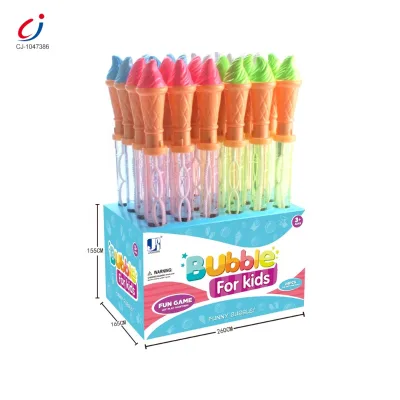
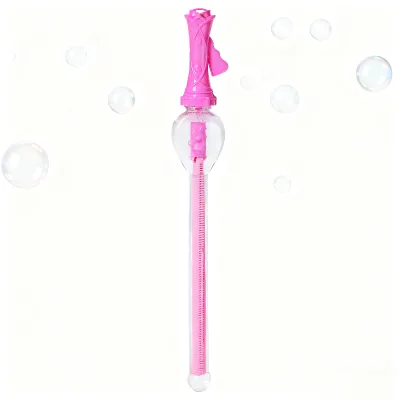
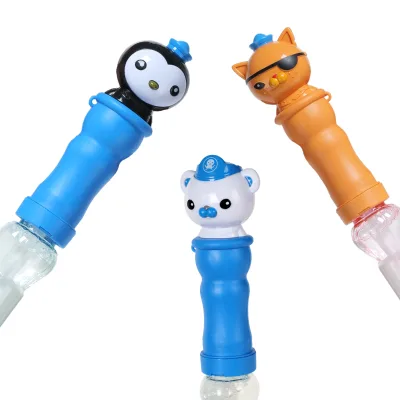
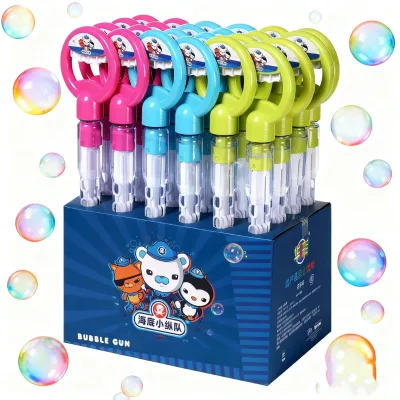
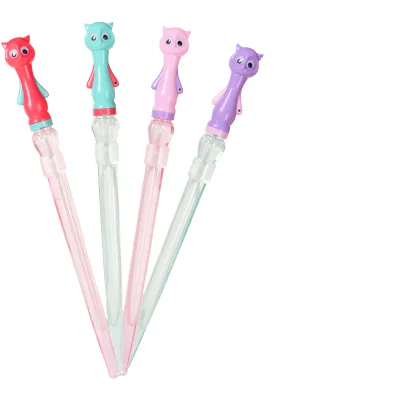
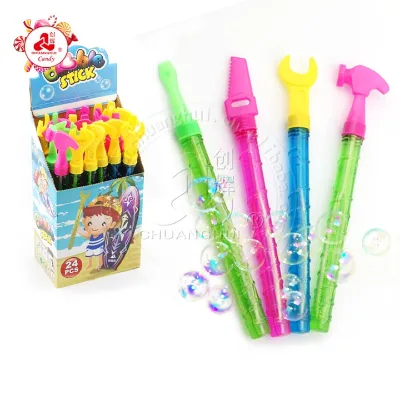
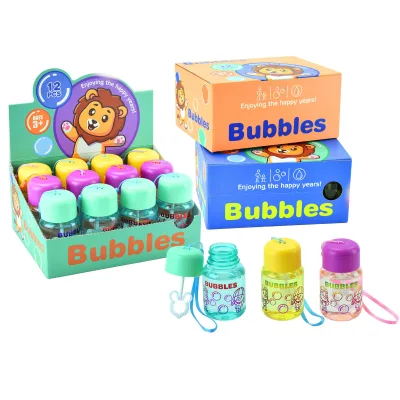


Comprehensive Sourcing Guide
Summer Beach Soap Bubble Stick Sourcing Guide
Procurement teams targeting summer beach soap bubble sticks must first distinguish between generic plastic wands and specialized tools designed for high-volume recreational use. The observed market data indicates a diverse range of models, including animal-shaped and tool-shaped variants, which cater to different age groups from toddlers to teenagers. Buyers should prioritize suppliers who explicitly list customization options, as this allows for branding alignment with specific summer campaigns or retail themes.
When evaluating listings, it is critical to verify the physical dimensions and packaging density to ensure efficient logistics planning. The available data shows significant variation in single package sizes, ranging from compact 16x1.9x3.7 cm units to larger 41x22x46 cm cartons, which directly impacts container loading efficiency. Sourcing decisions should be grounded in these observed specifications rather than assumed averages, ensuring that the selected product fits the intended retail display or promotional distribution strategy.
Product Scope and Observed Listing Signals
The current market for summer beach soap bubble sticks features a wide spectrum of product attributes, including multi-color finishes and unisex designs suitable for broad demographic appeal. Listings frequently highlight usage scenarios such as "funny," "recreation," and "particular toys," suggesting that these items are positioned as high-engagement novelty products rather than standard educational tools. Buyers must carefully review the specific model numbers provided, such as RFD327468 or dd5775, to confirm that the physical form factor matches the intended play style.
Supply chain signals indicate that manufacturers in Guangdong, China, are capable of high-volume output, with some suppliers claiming a daily supply ability of 20 tons. This capacity suggests that the category supports large-scale orders, yet buyers must verify if the specific model they select can meet the required delivery schedule without compromising quality. The presence of various packaging details, including specific container counts for 20ft and 40ft shipments, provides a clear framework for calculating freight costs and inventory turnover rates.
Technical Specifications to Verify
Technical due diligence requires a rigorous check of material composition and dimensional accuracy to ensure product durability during beach use. The observed listings confirm that plastic is the primary material, but buyers must verify the specific grade and thickness to prevent breakage in sandy or windy conditions. Specific model data points, such as the 16.2x1.9x3.7 cm size for small tool-shaped bubbles, serve as critical benchmarks for quality control, ensuring that the final product matches the visual and functional expectations set by the marketing materials.
Packaging specifications are equally vital for protecting the product during transit and maintaining its aesthetic appeal upon arrival. Data indicates that single gross weights can vary significantly, from 0.035 kg for small items to 30 kg for bulk cartons, which influences handling requirements and shipping costs. Buyers should cross-reference the listed carton dimensions, such as 78.5x37x82.5 cm, against their warehouse constraints to avoid logistical bottlenecks and ensure that the product can be stored and displayed efficiently in retail environments.
Compliance and Safety Documentation
Safety compliance is non-negotiable for toys intended for children, particularly those used in outdoor environments where supervision may vary. The observed listings reference standards such as EN71 and ENASTM, which are essential benchmarks for mechanical and chemical safety in the toy industry. Procurement teams must request valid test reports that specifically cover the selected model numbers to confirm that the plastic components and any printed logos meet these rigorous safety thresholds before finalizing any purchase order.
Beyond physical safety, documentation regarding material safety and environmental standards should be scrutinized to mitigate long-term liability risks. While some background information mentions ISO 14001, buyers should not assume this certification applies to every listed product without explicit verification from the supplier. It is imperative to obtain certificates that confirm the absence of harmful substances and ensure that the manufacturing process adheres to relevant environmental regulations, thereby protecting the brand from potential recalls or regulatory penalties.
Cost Drivers and Commercial Terms
Pricing in this category is influenced by a complex mix of material costs, customization requirements, and order volume tiers. The observed price range of 0.02 to 40 USD reflects the disparity between simple, unbranded wands and complex, custom-designed items with full-color logo printing. Buyers must analyze the cost structure relative to the specific model selected, understanding that higher customization levels and specialized shapes like animals or tools will naturally command a premium over standard configurations.
Commercial terms, including Minimum Order Quantities (MOQ) and lead times, vary significantly across different suppliers and product lines. Data shows MOQs ranging from 1 piece to 6912 pieces, with some specific models requiring a minimum of 600 pieces, which dictates the initial capital outlay for new buyers. Understanding these thresholds is essential for financial planning, as exceeding the MOQ may unlock better unit pricing, while failing to meet it could result in higher costs or the inability to secure the desired product variant.
Supplier Qualification and Quality Control
Supplier qualification should extend beyond basic location verification to include a deep assessment of their production capabilities and quality assurance protocols. The concentration of manufacturers in Guangdong and Shantou suggests a mature supply chain, but buyers must verify that the specific factory has the infrastructure to handle the required customization and volume without delays. Checking the supplier's history with similar models, such as the RFD series, can provide insight into their consistency and ability to maintain quality standards across different production runs.
Quality control measures must be explicitly defined in the contract to ensure that the final product matches the approved samples and specifications. Buyers should mandate pre-shipment inspections that verify critical attributes like color consistency, structural integrity, and packaging accuracy, as these are common points of failure in toy manufacturing. Establishing clear acceptance criteria based on the observed single package sizes and gross weights will help prevent disputes and ensure that the delivered goods meet the operational requirements of the retail or promotional channel.
Long-Term Procurement Checks
Sustaining a successful supply chain for summer beach soap bubble sticks requires ongoing monitoring of supplier performance and market trends. Buyers should regularly review the supplier's ability to maintain the observed supply ability of 20 tons per day during peak seasons, as capacity constraints can lead to missed delivery windows and lost sales opportunities. Establishing a relationship based on transparent communication and consistent quality delivery will help mitigate risks associated with seasonal demand spikes and supply chain disruptions.
Future procurement strategies should also account for evolving consumer preferences and regulatory changes in the toy industry. As the market shifts towards more sustainable materials or innovative designs, buyers must remain agile and ready to adapt their sourcing criteria accordingly. Regular audits of the supplier's compliance with safety standards and their ability to innovate will ensure that the product line remains competitive and compliant with international regulations, securing a stable position in the global market for years to come.
FAQs
What materials are used for summer beach soap bubble sticks?
The summer beach soap bubble sticks are primarily made from durable plastic materials. This construction ensures they are lightweight and safe for children. The plastic body is designed to withstand outdoor play conditions. The product is available in multi-color options to appeal to various preferences. This material choice supports the cartoon toy style and animal shapes offered.
Can these bubble sticks be customized for bulk orders?
Yes, customization is available for bulk orders of these bubble sticks. Buyers can request specific branding or design adjustments to meet their needs. The supplier offers full color logo printing to enhance brand visibility. This service allows businesses to create unique products for their target audience. Customization options help differentiate the product in competitive retail markets effectively.
What certifications do these plastic bubble toys hold?
These plastic bubble toys hold ENASTM and EN71 certifications. These standards ensure the products meet strict safety requirements for children. The certifications cover material safety and structural integrity for young users. This compliance is crucial for selling in international markets. Buyers can trust that the toys are safe for ages two and up.
What is the minimum order quantity for these bubble sticks?
The minimum order quantity for these bubble sticks is 600 pieces. This MOQ allows buyers to test the market with a manageable initial stock. The supplier can supply up to 20 tons per day. This high capacity supports large orders and consistent replenishment needs. Buyers should plan their inventory based on this minimum threshold.
Where are these soap bubble sticks manufactured and shipped from?
These soap bubble sticks are manufactured in Guangdong, China. The port of dispatch is Shantou, facilitating efficient logistics. The origin is also listed as Shantou for clarity. This location is a known hub for toy manufacturing. Buyers can expect reliable shipping routes from this established industrial region.
What age groups are suitable for these cartoon bubble toys?
These cartoon bubble toys are suitable for ages two years and up. Specific ranges include 2-4, 5-7, 8-13, and 14+ years. The design is unisex and intended for funny, recreational play. The plastic construction ensures safety for younger children. Older children can also enjoy the tools shape and animal designs.