Source Summer Knitted Print Baby Romper for daily wear, travel, and play
Explore 30 options for the Summer Knitted Print Baby Romper featuring round neck designs, snap button closures, and 100% cotton materials. Buyers can compare sizes from newborn to 24 months, customization services, and various packing methods to find the best fit for their needs.
Key considerations
Products List


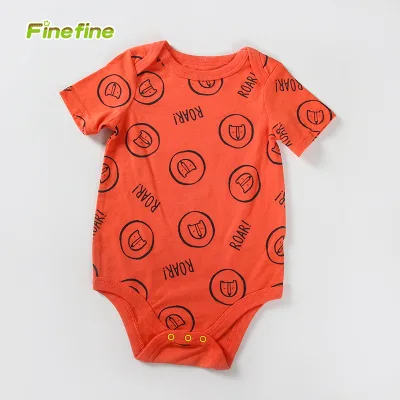
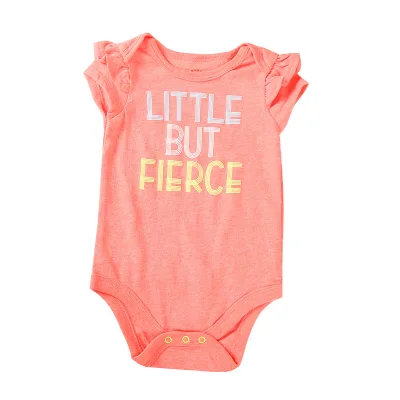


Summer Newborn Baby Romper Short Sleeved Knitted Cotton Baby One-Piece Jumpsuit
$10.00 - $22.00
MOQ: 2 pieces


Summer Kids Clothes Baby One-Piece Knitted Bamboo Fiber Short-Sleeved Romper
$2.99 - $4.99
MOQ: 100 Pieces

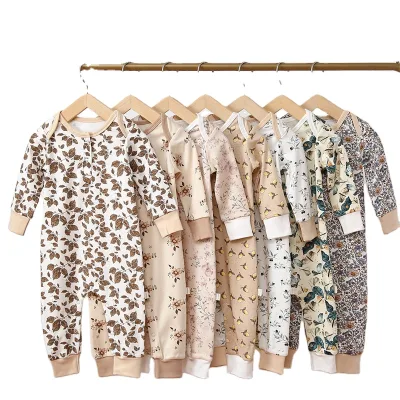
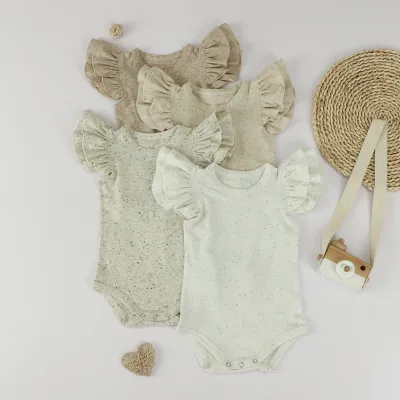


Comprehensive Sourcing Guide
Strategic Sourcing Guide for Summer Knitted Print Baby Rompers
Understanding Product Specifications and Technical Attributes
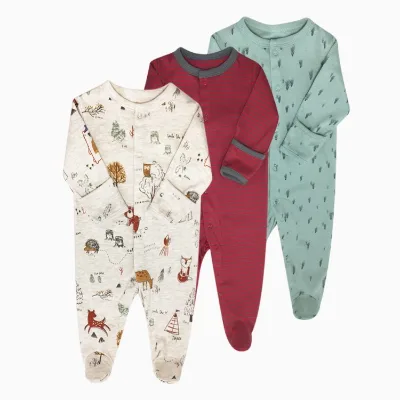
When sourcing summer knitted print baby rompers, buyers must first establish a clear definition of the product's technical baseline. The core keyword implies a garment designed for warm weather, constructed using knitted techniques, and featuring printed designs. Based on available market data, these products are predominantly categorized as baby rompers or bodysuits, often referred to in trade as onesies. The primary material composition observed in high-volume listings is 100% cotton, with specific variations citing 100% combed cotton for enhanced softness. This material choice is critical for summer applications as it ensures breathability and skin-friendliness, which are essential for newborn and infant wear.
The construction of these garments typically involves a round neck collar style, which facilitates easy dressing for infants. Sleeve styles vary significantly within the category; while the core keyword specifies "summer," market observations show a mix of long sleeve and short sleeve options. Short sleeves and short sleeve variations are the most logical fit for summer procurement, yet buyers must verify the specific listing to ensure the garment matches the intended seasonal use. The closure mechanism is almost universally a snap button system, allowing for quick diaper changes without removing the entire garment. This feature is a standard requirement for baby clothing to ensure convenience for caregivers.
The production techniques employed include knitting and printing. The knitted nature of the fabric provides the necessary stretch and comfort for an active infant, while the printed aspect refers to the decorative patterns applied to the surface. These prints are often described as colorful or floral, aligning with spring and summer aesthetics. The size specifications for these rompers generally cover the newborn stage through toddlerhood, with common size ranges including newborn (Nb), 3 months, 6 months, 9 months, 12 months, 18 months, and 24 months. In terms of physical stature, some listings reference height standards such as 73cm, 80cm, or 90cm, while others use centimeter ranges like 66-90cm or specific age-based sizing. Buyers must cross-reference these standards with their target demographic to ensure accurate inventory planning.
Compliance, Certification, and Safety Standards
Safety and compliance are paramount when sourcing baby clothing, particularly items intended for newborns and infants. While the provided data does not confirm specific certification statuses for every listed product, it highlights the presence of background references to standards such as OEKO-TEX, GOTS, and BSCI. Buyers should treat these as verification targets rather than guaranteed attributes. The primary standard for material safety in this sector often involves testing for harmful substances, ensuring the fabric is free from toxic dyes and chemicals that could irritate sensitive infant skin.
When evaluating suppliers, procurement teams should request documentation regarding the production standards. The data mentions "100% cotton" and "100% combed cotton" as product standards, but these are material descriptions rather than safety certifications. A robust compliance strategy involves verifying that the supplier adheres to international safety regulations for children's wear, such as flammability standards and limits on heavy metals. Although specific test results are not provided in the source data, buyers must insist on third-party lab reports to confirm that the printed inks and dyed fabrics meet the required safety thresholds.
Furthermore, the origin of the product is a critical compliance factor. The data indicates that the primary production origin is China. Sourcing from this region requires a heightened focus on supply chain transparency to ensure that the manufacturing processes align with ethical labor standards. Buyers should verify if the supplier holds BSCI certification, which assesses social compliance, or GOTS certification, which ensures organic status and environmental responsibility. Without explicit confirmation from the supplier, these certifications cannot be assumed. The procurement process must include a due diligence phase where the buyer requests valid, current certificates from the manufacturer to validate any claims made regarding organic or sustainable production.
Cost Drivers and Pricing Dynamics
The pricing structure for summer knitted print baby rompers is influenced by several variables, including material quality, customization level, and order volume. The observed price range in the market spans from $0.99 to $22.00 USD. This wide disparity indicates that the final unit cost is highly dependent on the specific configuration of the order. Lower price points typically correspond to basic designs, standard cotton materials, and high-volume orders where economies of scale reduce the per-unit cost. Conversely, prices at the higher end of the spectrum often reflect premium materials like combed cotton, complex printing techniques, or extensive customization features such as custom logos and OEM branding.
Customization is a significant cost driver in this category. The data confirms that customization is available, with options for customized logos and OEM services. Implementing these features requires additional setup costs, including screen printing plates or digital printing file preparation, which can increase the initial unit price. However, for brands looking to establish a unique market presence, these costs are often justified by the added value of brand identity. The Minimum Order Quantity (MOQ) also plays a crucial role in cost management. Observed MOQs range from 1 to 2000 pieces, with a specific mention of 100 pieces as a common threshold. Orders placed near the lower end of the MOQ spectrum may incur higher per-unit costs due to the fixed overheads of production setup.
Packaging requirements can also impact the final landed cost. Standard packaging often involves individual OPP bags, with bulk cartons containing 200 pieces. Custom packaging solutions, such as branded boxes or specific labeling, will add to the overall expense. Buyers should negotiate packaging terms carefully, as the cost of materials and labor for specialized packaging can accumulate quickly, especially for smaller order volumes. Additionally, the choice of logistics method affects the total cost. Delivery options include DHL, UPS, China Post, and sea freight. While air freight offers speed, it significantly increases the cost per unit compared to sea freight, which is more economical for large, non-urgent shipments.
Typical Applications and Market Usage
Summer knitted print baby rompers serve a diverse range of applications within the infant apparel market. The primary use case is daily wear for newborns and infants during warmer months. The breathable and washable features highlighted in product attributes make these garments ideal for frequent changes and active environments. The soft and skin-friendly nature of the cotton material ensures comfort for babies with sensitive skin, making them a staple in baby wardrobes.
Beyond daily wear, these rompers are frequently utilized for special occasions and photo shoots. The availability of colorful prints, floral designs, and ruffled styles allows them to function as festive attire for birthdays, holidays, and family gatherings. The "spring floral" style mentioned in the data suggests a strong seasonal appeal, making these items popular for spring and summer events. Additionally, the customization options allow retailers and brands to create exclusive lines for specific campaigns or limited-edition collections.
The versatility of the product also extends to gift markets. The compact size and universal appeal of baby rompers make them popular gift items for baby showers and new parent gifts. The ability to offer customized logos or specific color schemes enables gift-givers to personalize the item, adding sentimental value. In the retail sector, these rompers are often sold as part of a set or bundle, paired with matching hats or socks, to increase the average order value. The short sleeve and long sleeve variations allow retailers to stock a comprehensive range that covers the transition from late spring to early autumn, ensuring year-round relevance in certain climates.
Supplier Evaluation and Sourcing Strategy
Evaluating suppliers for summer knitted print baby rompers requires a multi-faceted approach that goes beyond price comparison. Buyers should prioritize suppliers who demonstrate flexibility in their supply capabilities. The data indicates that suppliers offer ODM (Original Design Manufacturer), OEM (Original Equipment Manufacturer), and in-stock items. This flexibility is crucial for buyers who may need to adjust their inventory based on market trends or who require custom designs. A supplier that supports both OEM and ODM services can accommodate a wider range of client needs, from private label branding to fully custom product development.
Sample lead times are another critical evaluation metric. The availability of a 7-day sample order lead time is a significant advantage, allowing buyers to quickly assess product quality and fit before committing to a large order. This rapid turnaround facilitates a more agile sourcing process, reducing the risk of delays in product launches. Buyers should verify the actual sample lead time with the supplier, as market conditions can affect production schedules. Additionally, the supply type should be confirmed to ensure the supplier can handle the required volume. Whether the supplier focuses on in-stock items or custom production, they must demonstrate the capacity to meet the buyer's demand without compromising quality.
Communication and responsiveness are also key indicators of a reliable supplier. Given the international nature of the supply chain, with production originating in China, effective communication channels are essential for resolving issues related to design, quality, or logistics. Buyers should assess the supplier's ability to provide clear documentation, including product specifications, material certificates, and shipping details. The variety of delivery options, including air and sea freight, suggests that a competent supplier will have established logistics partnerships to ensure timely delivery.
Quality Control and Long-Term Procurement Considerations
Implementing a rigorous quality control (QC) protocol is essential for maintaining brand reputation when sourcing baby rompers. Given the direct contact of the garment with infant skin, attention to detail in stitching, fabric integrity, and print quality is non-negotiable. Buyers should establish clear acceptance criteria for the snap buttons, ensuring they are secure and do not pose a choking hazard. The print quality must be evaluated for color fastness and durability, ensuring that the design does not fade or crack after washing.
Long-term procurement considerations involve building a sustainable relationship with the supplier. Consistency in product quality and delivery timelines is vital for maintaining inventory stability. Buyers should conduct regular audits or request third-party inspection reports to ensure that the production process remains consistent over time. The ability of the supplier to scale production up or down based on seasonal demand is also a key factor. As the market for baby clothing is highly seasonal, suppliers must be capable of ramping up production for peak summer months and managing inventory efficiently during off-peak periods.
Furthermore, buyers should consider the environmental impact of their sourcing decisions. With the increasing demand for sustainable products, selecting suppliers who utilize eco-friendly materials and processes can provide a competitive advantage. While specific certifications like GOTS or OEKO-TEX may not be guaranteed for every product, buyers should actively seek out suppliers who are committed to sustainable practices. This includes verifying the source of the cotton and the methods used for dyeing and printing. By prioritizing quality, sustainability, and reliability, buyers can secure a supply chain that supports long-term business growth and customer satisfaction.
Conclusion
Sourcing summer knitted print baby rompers requires a balanced approach that integrates technical specifications, compliance checks, and strategic supplier evaluation. By understanding the nuances of material composition, such as 100% cotton and combed cotton, and verifying safety standards, buyers can ensure the production of high-quality, safe garments. The wide range of customization options and pricing dynamics offers flexibility for various business models, from private label to custom design. However, success in this market depends on rigorous quality control and the selection of reliable suppliers who can meet the demanding requirements of the infant apparel industry. Through careful planning and due diligence, buyers can build a robust supply chain that delivers value to their customers and supports sustainable business practices.
FAQs
What materials are used for summer knitted print baby rompers?
The primary material is 100% cotton, with some variations using 100% combed cotton for enhanced softness. This fabric choice ensures breathability and skin-friendliness, which are essential for newborn and infant wear during warm weather.
Can buyers request custom logos on these baby rompers?
Yes, customization is available including customized logos and OEM services. Buyers can also request specific color schemes and designs, though these features may increase the initial unit price due to setup costs for printing.
What is the typical minimum order quantity for these rompers?
The observed minimum order quantity ranges from 1 to 2000 pieces, with 100 pieces being a common threshold. Orders placed near the lower end of this spectrum may incur higher per-unit costs due to fixed production overheads.
How are these baby rompers packaged for shipment?
Standard packaging involves one piece per OPP bag, with 200 pieces packed per carton. Custom packaging solutions like branded boxes are available but will add to the overall expense of the order.
Which closure types are standard for these infant garments?
The closure mechanism is almost universally a snap button system, allowing for quick diaper changes. This feature is a standard requirement for baby clothing to ensure convenience for caregivers without removing the entire garment.
What is the sample lead time for these products?
A 7-day sample order lead time is supported for quick quality assessment. This rapid turnaround facilitates an agile sourcing process, allowing buyers to verify product fit before committing to larger production runs.