Source Surface Mount Snubber Capacitor for AC Motors, Power Systems, and High Voltage
Explore 30 listings for Surface Mount Snubber Capacitor options suitable for air conditioners, automobiles, and general power applications. Buyers can compare specifications like capacitance, voltage ratings, and packaging types from suppliers in Guangdong, China.
Key considerations
Products List


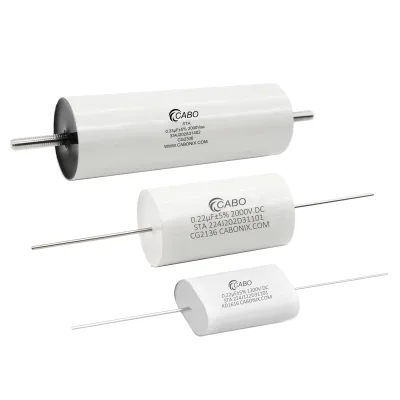
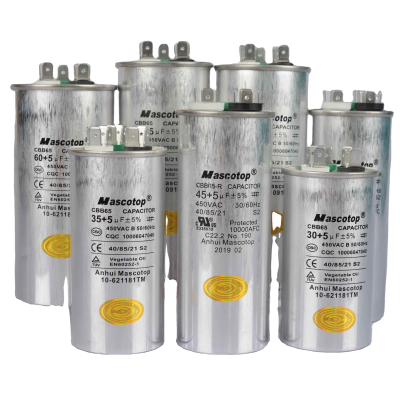


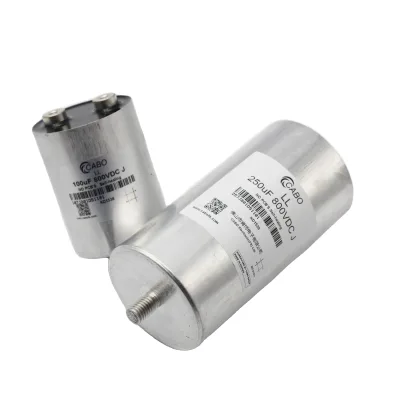

Comprehensive Sourcing Guide
Strategic Sourcing Guide for Surface Mount Snubber Capacitors
Understanding the Technical Landscape of Surface Mount Snubber Capacitors
The procurement of surface mount snubber capacitors requires a precise understanding of their dual role in circuit protection and signal integrity. Unlike general-purpose capacitors, snubber capacitors are engineered specifically to suppress voltage spikes and dampen oscillations in switching circuits. In the context of surface mount technology (SMT), these components must balance compact physical dimensions with robust electrical performance. The core material composition is a critical differentiator; while electrolytic variants exist for high capacitance needs, the supplied data indicates a strong prevalence of polypropylene materials for snubber applications. Polypropylene capacitors are favored in this domain due to their low dielectric loss, high self-healing capabilities, and stability under high-frequency stress.
When evaluating the technical specifications, buyers must distinguish between the various functional models available in the market. The product data highlights specific model designations such as "DC Link," "snubber," and "DC capacitor," which often overlap in application but differ in internal construction and rated parameters. For instance, a "DC Link" standard often implies a specific topology for power conversion, whereas a "snubber capacitor" standard is explicitly tuned for transient suppression. The capacitance range observed in the market is broad, spanning from 0.001 μF to over 100 μF, depending on the specific circuit requirements. A capacitor with a capacitance greater than 100 μF is typically reserved for low-frequency filtering or bulk energy storage, whereas the sub-microfarad range (0.001-10 μF) is more common for high-frequency bypass and coupling in snubber circuits.
The physical mounting type is a defining characteristic for surface mount variants. The data confirms that "Surface Mount" and "SMT" are the primary mounting configurations, which necessitates a different footprint and termination style compared to through-hole alternatives. The case material is frequently plastic, providing necessary insulation and mechanical protection while maintaining a low profile. Buyers should verify that the selected component's case and lead type align with the automated assembly capabilities of their manufacturing line. The "Lead Type: Snubber" designation in some listings suggests specific terminal configurations designed to minimize inductance, which is crucial for effective snubbing performance.
Compliance, Certification, and Standard Verification
Navigating the regulatory landscape is essential for ensuring that surface mount snubber capacitors meet international safety and environmental requirements. The supplied product information references several standards, including "CE RoHS," "DC-Link capacitor," and "snubber capacitor" standards. These labels indicate that the components are designed to comply with European Union directives regarding hazardous substances and electromagnetic compatibility. However, the presence of a standard label does not automatically guarantee certification for every unit in a batch; it signifies the design intent and the manufacturing process's alignment with these norms.
Buyers must verify the specific certification status of the supplier's production facility rather than relying solely on product descriptions. The "CE RoHS" standard mentioned implies compliance with the Restriction of Hazardous Substances directive, which limits the use of lead, mercury, cadmium, and other toxic materials. This is particularly relevant for electronic components destined for the European market. Additionally, the "DC-Link capacitor" and "snubber capacitor" standards suggest adherence to specific industry norms for voltage ratings and pulse handling capabilities. It is imperative to request official test reports or certificates of conformity that explicitly state the tested parameters against these standards.
The origin of the components also plays a role in compliance verification. The data indicates that many of these capacitors originate from Guangdong, China (Mainland), a region known for its extensive electronics manufacturing ecosystem. While this location offers competitive advantages in supply chain efficiency, it requires rigorous due diligence to ensure that the manufacturing processes meet the declared standards. Buyers should confirm that the "Factory Quality" claims are backed by documented quality management systems, such as ISO 9001, even if not explicitly listed in the product attributes. The verification of "standard" and "original" branding is also necessary to avoid counterfeit components that may mimic the appearance of certified goods without meeting the underlying performance criteria.
Cost Drivers and Pricing Dynamics in the Market
The pricing structure for surface mount snubber capacitors is influenced by a complex interplay of factors, including material costs, production volume, and technical specifications. The observed price range in the market spans from $0.09 to $83.37 USD, a variance that reflects the diversity of product types and performance levels. The lower end of this spectrum typically corresponds to standard, high-volume components with basic specifications, such as the 0.001-10 μF range with standard voltage ratings. Conversely, the higher price points are associated with specialized components featuring high voltage ratings, custom capacitance values, or enhanced durability for harsh environments like automotive or high-voltage power applications.
Material composition is a primary cost driver. Polypropylene capacitors, while offering superior performance for snubber applications, can be more expensive to manufacture than alternative dielectric materials due to the complexity of the film winding process. The "Polypropylene" material designation in the product data suggests a higher cost baseline compared to generic electrolytic or ceramic options. Furthermore, the "DC Link" and "snubber" specific models often require tighter tolerances and more rigorous testing, which adds to the unit cost.
Order volume is another significant determinant of price. The minimum order quantity (MOQ) ranges from 1 to 1000 units, indicating that suppliers are willing to accommodate both prototyping needs and large-scale production runs. Small orders, often accepted as indicated in the data, may carry a premium per unit due to the setup costs associated with smaller production batches. Conversely, bulk orders can leverage economies of scale to reduce the per-unit cost. Buyers should also consider the packaging type; "Surface Mount" components are typically supplied in tape and reel formats for automated assembly, which may incur additional packaging costs compared to "Bulk" or "Carton" packaging used for manual assembly or testing.
Typical Applications and Circuit Integration
Surface mount snubber capacitors are integral to a wide array of applications, ranging from consumer electronics to industrial power systems. The data highlights several key application areas, including "Air Conditioner," "Automobile," "Power," "High Voltage," "Fan," "AC / Motor," and "General Purpose." In air conditioning and fan systems, these capacitors are used to suppress voltage transients generated by the switching of inductive loads, protecting the control circuitry and extending the lifespan of the system. The "AC / Motor" application is particularly critical, as motor drives are prone to high-frequency noise and voltage spikes during start-up and shut-down cycles.
In the automotive sector, the reliability of snubber capacitors is paramount due to the harsh operating conditions and the critical nature of vehicle electronics. These components help mitigate electromagnetic interference (EMI) and protect sensitive microcontrollers from voltage surges. The "High Voltage" application category suggests use in power conversion systems, such as inverters and converters, where voltage spikes can be severe. The "DC Link" specification further points to their use in direct current bus applications, where they stabilize the voltage and filter out ripple current.
The usage patterns also include "High Frequency Bypass," "Low Frequency Bypass," "Filter," "Tuning," and "Coupling." These functions demonstrate the versatility of snubber capacitors in managing different frequency ranges within a circuit. For instance, high-frequency bypass is essential for decoupling noise from power lines, while low-frequency coupling is used in signal processing applications. The "Tuning" application, specifically noted with "Polystyrene Capacitor" in some contexts, indicates that these components can be used in resonant circuits, although polypropylene is generally preferred for its stability in snubber roles. Buyers must ensure that the selected capacitor's frequency response and voltage rating match the specific demands of their application to prevent premature failure or circuit malfunction.
Supplier Evaluation and Quality Assurance Protocols
Selecting a reliable supplier for surface mount snubber capacitors requires a multi-faceted evaluation process that goes beyond simple price comparison. The "Brand Name" and "Model Number" are critical identifiers; for example, brands like "YZPST" and "CABO" are mentioned in the data, along with specific model numbers such as "YZPST-500VAC-20UF-1" and "STA." These identifiers help buyers trace the component's history and verify its authenticity. However, the presence of generic terms like "original" and "Factory Quality" necessitates a deeper investigation into the supplier's reputation and track record.
Quality assurance protocols should be a central part of the supplier evaluation. Buyers should request detailed information on the manufacturing process, including the materials used, the testing procedures employed, and the quality control measures in place. The "CE RoHS" standard mentioned in the data serves as a baseline, but buyers should also inquire about additional testing, such as high-voltage withstand tests, capacitance tolerance checks, and thermal cycling tests. The "Single gross weight" and "Single package size" data points, such as 3.000 kg and 10x10x10 cm, provide insight into the packaging standards, which can affect the handling and storage of the components.
Supplier reliability is also assessed through their ability to meet lead times and handle small orders. The data indicates that "Small Orders" are accepted, which is beneficial for prototyping and low-volume production. However, buyers should verify the supplier's capacity to scale up production without compromising quality. The "Packaging Type" and "prod_packing" details, such as "Carton" and "Bulk," should align with the buyer's logistics requirements. Additionally, the "Mounting Type: smt" and "Lead Type: Snubber" specifications must be consistent with the buyer's assembly line capabilities to ensure seamless integration.
Long-Term Procurement and Supply Chain Resilience
Long-term procurement of surface mount snubber capacitors requires a strategic approach that considers supply chain resilience and component lifecycle management. The "prod_origin" data, pointing to Guangdong, China (Mainland), highlights the importance of geographic diversification to mitigate risks associated with regional disruptions. Buyers should evaluate the supplier's ability to maintain consistent supply even during market fluctuations or geopolitical tensions. The "Standard" and "Model Number" consistency is crucial for long-term projects, as frequent changes in component specifications can lead to redesigns and increased costs.
Lifecycle management involves monitoring the availability of components over time. The "prod_model" and "prod_standard" designations should be checked for obsolescence risks. Suppliers should provide advance notice of any planned discontinuations or changes in specifications to allow buyers to plan for alternatives. The "Application" diversity, ranging from "Air Conditioner" to "High Voltage," suggests that these components are used in critical systems where supply continuity is essential. Buyers should establish long-term agreements with suppliers who demonstrate a commitment to quality and reliability, ensuring that the components meet the required standards throughout the product's lifecycle.
Furthermore, the "Small Orders: Accepted" feature offers flexibility for buyers to test new designs or adjust production volumes without committing to large inventories. This agility is valuable in a rapidly evolving market where product requirements can change frequently. However, buyers must balance this flexibility with the need for consistent quality and performance. Establishing a robust relationship with a supplier who can provide technical support and responsive service is key to managing long-term procurement challenges. By focusing on these strategic factors, buyers can ensure a stable and efficient supply of surface mount snubber capacitors that meet their technical and operational needs.
Comparative Analysis of Capacitor Specifications
To facilitate informed decision-making, the following table summarizes key specifications observed in the market for surface mount snubber capacitors. This comparison highlights the diversity in materials, capacitance ranges, and applications, aiding buyers in selecting the most suitable components for their specific requirements.
| Specification Category | Observed Attribute | Typical Value/Range | Application Context |
|---|---|---|---|
| Manufacturing Material | Polypropylene | Standard | High-frequency snubbing, low loss |
| Manufacturing Material | Electrolytic | Available | High capacitance, bulk storage |
| Capacitance Range | Low | 0.001 - 10 μF | High-frequency bypass, coupling |
| Capacitance Range | High | >100 μF | Low-frequency filtering, DC link |
| Rated Voltage | Standard | 250 VAC | General purpose, AC motor |
| Rated Voltage | High | 500 VAC | High voltage, DC link |
| Mounting Type | Surface Mount (SMT) | Standard | Automated assembly, compact design |
| Mounting Type | Through Hole | Available | Manual assembly, high power |
| Application | Motor Control | AC / Motor, Fan | Voltage spike suppression |
| Application | Power Electronics | DC Link, High Voltage | Inverter protection, DC bus |
| Packaging Type | Surface Mount | Tape & Reel | SMT production lines |
| Packaging Type | Bulk / Carton | Manual handling | Prototyping, low volume |
| Certification | Environmental | CE RoHS | EU market compliance |
| Origin | Manufacturing Hub | Guangdong, China | Supply chain efficiency |
This table underscores the importance of matching specific technical attributes to the intended application. For instance, a designer working on a high-voltage inverter would prioritize the 500 VAC rating and polypropylene material, while a consumer electronics engineer might focus on the 0.001-10 μF range and SMT packaging. By carefully analyzing these specifications, buyers can optimize their component selection for performance, cost, and reliability.
FAQs
What materials are used for surface mount snubber capacitors?
Polypropylene is the primary manufacturing material for these capacitors, offering low dielectric loss and high self-healing capabilities. While some listings mention electrolytic types, the standard for snubber applications relies on polypropylene to ensure stability under high-frequency stress and voltage spikes.
Which mounting types are available for these capacitors?
Surface Mount and SMT are the primary mounting configurations confirmed in the product data. Some listings also indicate Through Hole options, but the core focus for this category is on Surface Mount packaging to support automated assembly lines and minimize inductance.
Can I find capacitors with specific capacitance ranges?
Yes, available capacitance ranges span from 0.001 to 10 microfarads for high-frequency applications and exceed 100 microfarads for low-frequency filtering. The specific model number often dictates the exact value, such as the 20 microfarad rating found in certain DC link variants.
What certifications do these capacitors typically meet?
Products often reference CE RoHS standards to comply with hazardous substance restrictions and electromagnetic compatibility directives. Buyers should verify that the specific batch meets these design intents, as the standard label indicates the manufacturing process alignment rather than an automatic guarantee for every unit.
Where are these capacitors manufactured?
The majority of these components originate from Guangdong, China, a region known for its extensive electronics manufacturing ecosystem. This location offers competitive supply chain efficiency, though buyers must verify that the specific factory quality claims align with documented management systems.
How do I handle small order requirements?
Small orders are accepted with minimum order quantities ranging from 1 to 1000 units depending on the supplier. This flexibility supports prototyping needs, though buyers should note that smaller batches may carry a higher per-unit cost due to setup expenses.