Source Surface Mount Nor Memory IC for Industrial Control
Find and compare Surface Mount Nor Memory IC components for embedded systems, automotive electronics, and industrial control applications. Browse 30 available options with specifications like 90TFBGA and TSOP packages, operating temperatures from -40°C to 85°C, and various voltage inputs to suit your design needs.
Key considerations
Products List


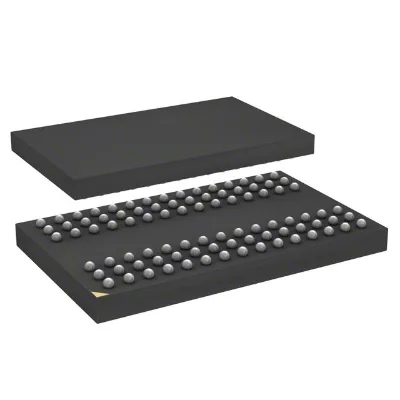
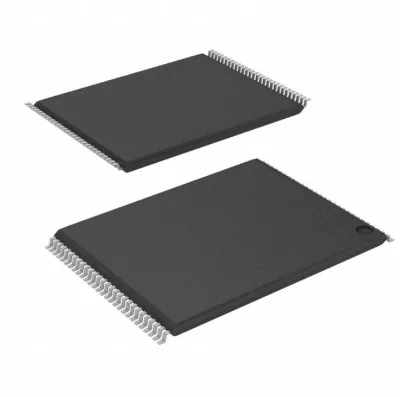
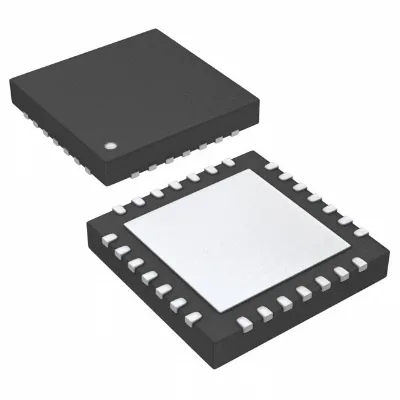
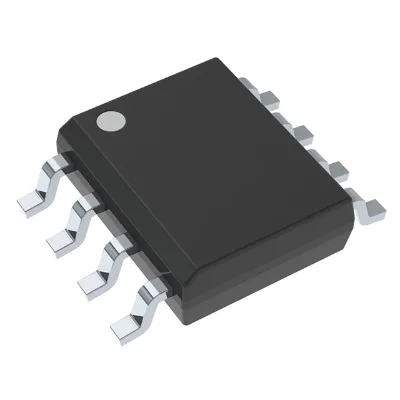

IRS21867STRPBF IRS21867S Series Dual Surface Mount High and Low Side Driver IC
$0.17 - $200.00
MOQ: 500 Pieces


MIC5504-3.3YM5-TR MIC5504 Series Surface Mount Fixed Single Output LDO IC
$0.22 - $200.00
MOQ: 500 Pieces




Comprehensive Sourcing Guide
Surface Mount Nor Memory IC Sourcing Guide
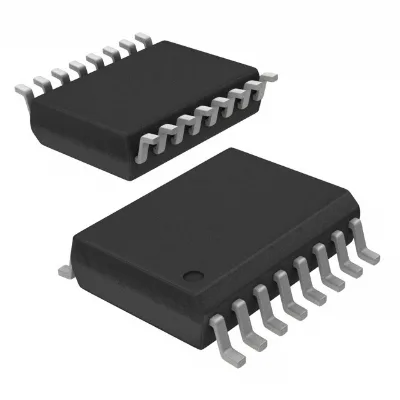
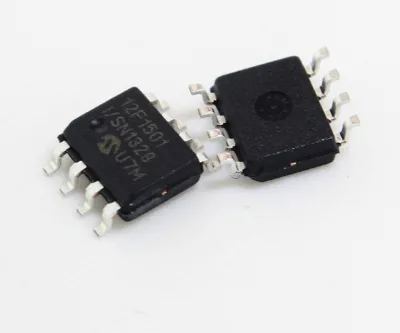
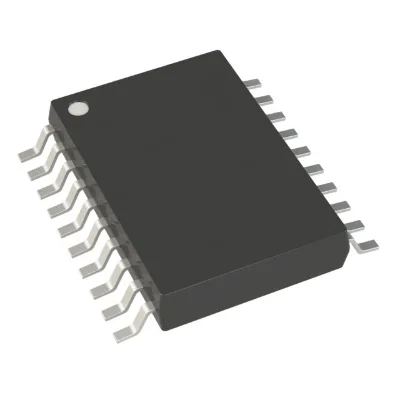
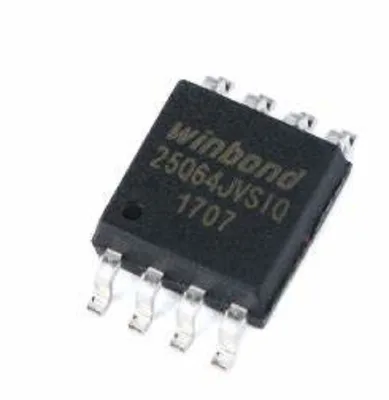
Procurement teams must first distinguish between NAND and NOR architectures when evaluating surface mount memory ICs, as the supplied data reveals a mix of NAND Flash Memory ICs and DRAM components alongside specific NOR candidates. The observed listings include models like the MX29GL256FHT2I-90Q, which aligns with NOR Flash characteristics, while other entries describe DRAM or PMIC devices that do not serve the same code storage function. Buyers should carefully filter search results to isolate true NOR memory solutions rather than accepting generic semiconductor listings that may feature different internal architectures or data retention properties.
Verification of the specific model number is critical before initiating any purchase order, as the provided catalog contains diverse part numbers such as the IS42S32400J-6BLI which represents a DRAM device rather than a NOR memory chip. Sourcing strategies must account for this variance by cross-referencing the physical package and pin count against the intended application requirements. A surface mount NOR IC intended for boot code storage requires different electrical characteristics than a general-purpose memory component, making precise model identification the first step in avoiding costly integration errors.
Product Scope and Observed Listing Signals
The observed market signals indicate a wide price range from 0.08 to 680 USD, reflecting the diversity of components available from various origins including China and Taiwan. This variance suggests that buyers must scrutinize the specific product description to ensure they are acquiring the correct memory density and interface type, as the listings contain everything from standard packaging to specialized surface mount configurations. The presence of multiple origin locations implies that supply chain logistics and shipping methods, such as DHL or FedEx, will vary significantly depending on the specific vendor selected for the order.
Minimum Order Quantities (MOQ) observed between 1 and 1000 units allow for flexibility in both prototyping and mass production scenarios, yet buyers must confirm if the listed price applies to the specific quantity tier they require. The data shows that some items are sold as single items while others may require bulk purchasing, necessitating a clear understanding of the supplier's commercial terms before negotiation. Buyers should also note that while customization is available for some products, the standard offerings often come with fixed specifications that may not be easily altered without significant lead time adjustments.
Technical Specifications to Verify
Technical due diligence requires confirming the operating temperature range, as the supplied data consistently cites a range of -40°C to 85°C for many listed components, which is standard for industrial applications. However, specific thermal limits like the storage temperature range of -40 to +150°C and the soldering peak temperature of 260°C for 10 seconds must be verified against the actual board design constraints. Buyers must ensure that the selected IC can withstand the thermal stress of the reflow process without degradation, as exceeding these limits can lead to immediate failure or reduced reliability in the field.
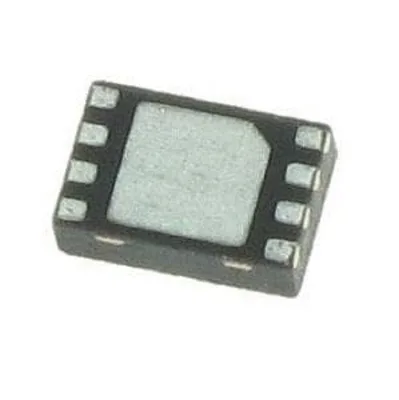
Electrical characteristics such as the input voltage of 3V to 3.6V and the specific output configuration must be matched precisely to the system power rails to prevent damage to the memory controller. The data indicates that some components are designed for power management applications, while others are strictly for data storage, requiring a clear distinction in the technical review process. Verification of the package type, such as the 90TFBGA or 28-VQFN, is essential to ensure compatibility with the PCB footprint and to confirm that the mounting type aligns with the assembly line capabilities.
Compliance and Safety Documentation
While the provided facts do not explicitly list ISO 26262 certification for all items, buyers must request specific compliance documentation to verify if the components meet automotive or high-reliability standards required for their specific industry. The absence of explicit certification claims in the general listing data means that procurement teams cannot assume compliance and must obtain written confirmation from the supplier regarding any safety standards or quality certifications. This step is vital for industries where functional safety is paramount, as relying on unverified claims can lead to significant liability issues during product audits.
Safety documentation should also include details on the manufacturing date code and warranty terms, which are listed as "New" and 90 days respectively in the observed data. Buyers need to ensure that the warranty period covers the expected lifecycle of the product and that the manufacturing date is recent enough to avoid issues with aged inventory. Confirming the shipping method and origin helps in assessing the risk of supply chain disruptions, but the primary focus must remain on the legal and safety assurances provided by the manufacturer to protect the end-user.
Cost Drivers and Commercial Terms
The cost of surface mount NOR memory ICs is heavily influenced by the specific model number, packaging type, and the volume of the order, as evidenced by the wide price spectrum observed in the market. Buyers should anticipate that specialized packages like the 90TFBGA or 28-QFN may carry a premium compared to standard TSOP configurations, and this cost difference must be factored into the total budget. Understanding the relationship between the selling unit and the MOQ is crucial, as purchasing single items may result in a higher per-unit cost compared to bulk orders that leverage economies of scale.
Commercial terms regarding lead time and shipping methods are equally important, with some listings offering immediate shipment while others may require standard lead times. The availability of shipping options like DHL, UPS, and EMS allows for flexibility in delivery speed, but these services often come with additional costs that must be negotiated upfront. Buyers must clarify whether the quoted price includes all shipping and handling fees or if these are separate line items, as hidden costs can significantly impact the final procurement budget and overall project timeline.
Supplier Qualification and Quality Control
Supplier qualification should focus on verifying the origin of the components, as the data indicates products originating from China and Taiwan, which are major hubs for semiconductor manufacturing. Buyers must assess the supplier's ability to provide consistent quality control measures, especially given the variation in product descriptions and the potential for mixed listings of different component types. Establishing a clear communication channel for technical support is essential, as the complexity of surface mount memory ICs often requires expert assistance during the integration and testing phases.
Quality control protocols must include a rigorous inspection of the physical components upon receipt to verify the model number, package integrity, and manufacturing date code. The observed data mentions a warranty of 90 days, which serves as a baseline for quality assurance, but buyers should consider implementing additional testing procedures to validate the performance of the ICs in their specific application environment. Ensuring that the supplier can provide traceability for each batch is critical for maintaining high standards of reliability and for addressing any potential defects that may arise during production.
Long-Term Procurement Checks
Long-term procurement strategies must account for the potential obsolescence of specific model numbers, such as the IS42S32400J-6BLI or MX29GL256FHT2I-90Q, which may be phased out by manufacturers over time. Buyers should establish relationships with suppliers who can provide advance notice of end-of-life events and offer suitable replacement parts to ensure continuity of supply. This proactive approach helps mitigate the risk of production stoppages and allows for sufficient time to redesign circuits or update firmware if a component discontinuation occurs.
Regular audits of the supply chain are necessary to verify that the components continue to meet the required specifications and that the supplier maintains consistent quality over time. Buyers should monitor changes in the operating temperature ranges, voltage inputs, and packaging standards to ensure that the components remain compatible with evolving system requirements. By maintaining a dynamic view of the market and supplier performance, procurement teams can adapt to changes in technology and ensure that their long-term inventory strategy remains robust and reliable.
FAQs
What is the operating temperature range for Surface Mount Nor Memory IC?
The operating temperature range is typically -40°C to 85°C for industrial-grade components. This ensures reliable performance in demanding environments. Some variants support extended junction temperatures up to 100°C. Always verify the specific datasheet for your selected model to confirm thermal limits and ensure system stability under varying conditions.
Can Surface Mount Nor Memory IC be customized for specific applications?
Yes, customization is available for many Surface Mount Nor Memory IC products. Buyers can often request specific packaging, branding, or technical adjustments. This flexibility allows for better integration into unique electronic designs. Contact suppliers directly to discuss your exact requirements and confirm the feasibility of custom orders for your project.
Which package types are common for Surface Mount Nor Memory IC?
Common package types include 90TFBGA, 56-TSOP, and 28-VQFN. These surface-mount options facilitate automated assembly and compact circuit board designs. The choice depends on pin count and space constraints. Review the product specifications to select the appropriate package that matches your PCB layout and manufacturing capabilities.
How does the voltage input affect Surface Mount Nor Memory IC performance?
The voltage input typically ranges from 3V to 3.6V for standard operation. This range ensures stable data retention and access speeds. Deviations may cause malfunction or reduced lifespan. Always match the supply voltage to the component's rated specifications to maintain optimal performance and prevent electrical stress on the integrated circuit.
What is the typical lead time for Surface Mount Nor Memory IC orders?
Lead times can be immediate for stock items or vary for custom orders. Many suppliers offer immediate shipment for standard configurations. For specialized requirements, production time may apply. Check the specific supplier's lead time details before ordering to ensure your project timeline is met without unexpected delays in component delivery.
What warranty is provided for Surface Mount Nor Memory IC purchases?
A standard warranty of 90 days is commonly provided for these components. This covers defects in materials and workmanship under normal use. It ensures buyer protection against initial failures. Always retain proof of purchase and follow handling guidelines to maintain warranty validity throughout the component's operational life in your electronic devices.