Source Survival Paracord Tactical Knife for camping, hunting, and emergency use
Find and compare 30 Survival Paracord Tactical Knife options from Chinese manufacturers. Evaluate specifications such as blade length, handle material, and folding mechanisms to select the right tool for outdoor adventures.
Key considerations
Products List
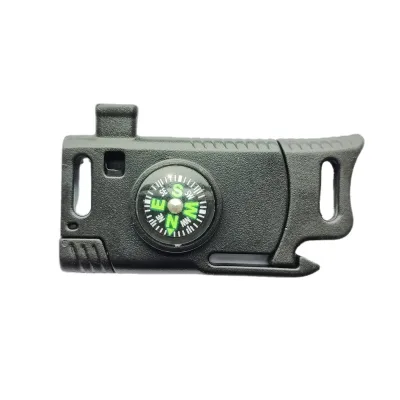


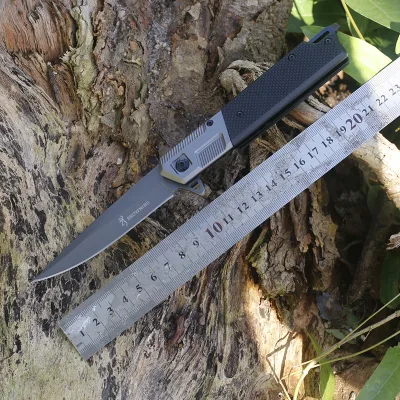
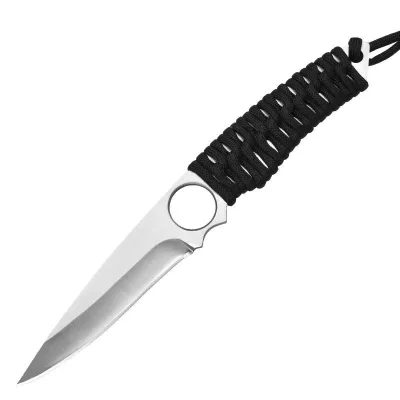
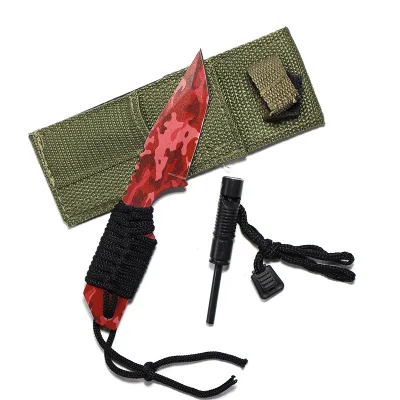
Straight Knife Outdoor Knife Handle Portable Tactical Field Survival Knife
$1.00 - $19.99
MOQ: 500 Pieces
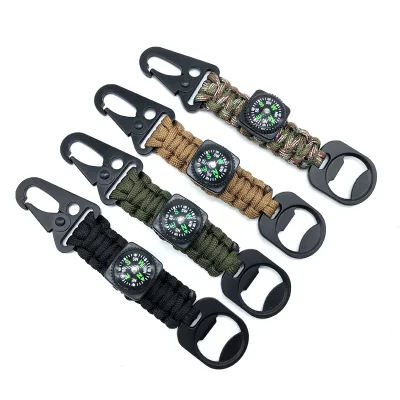
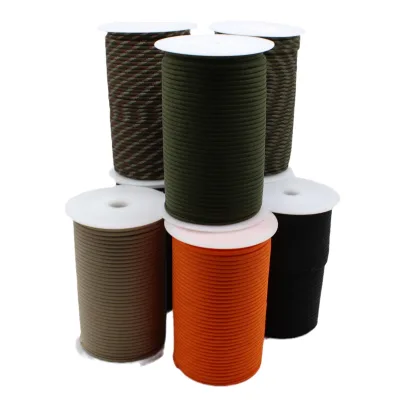
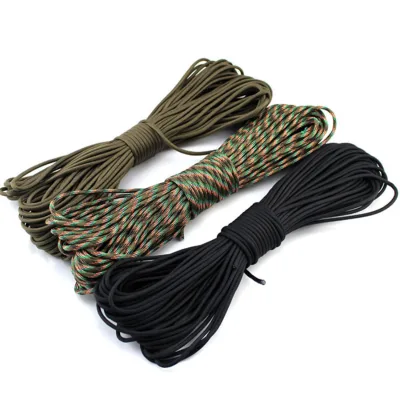
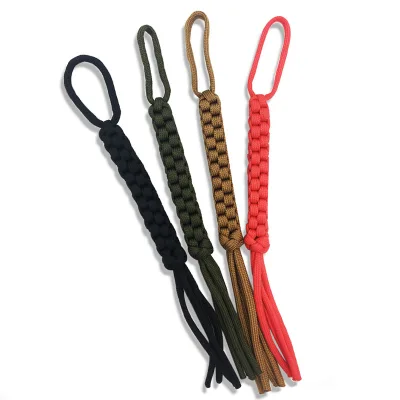
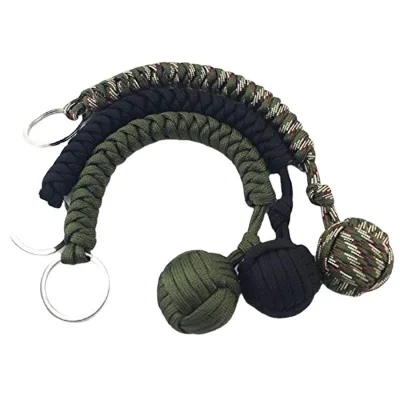

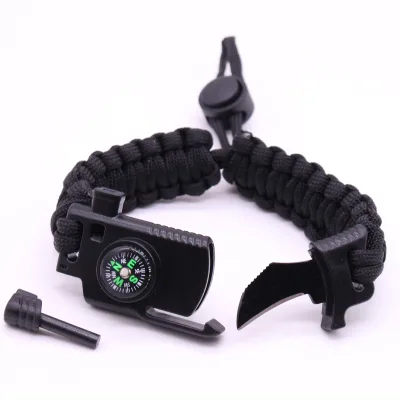
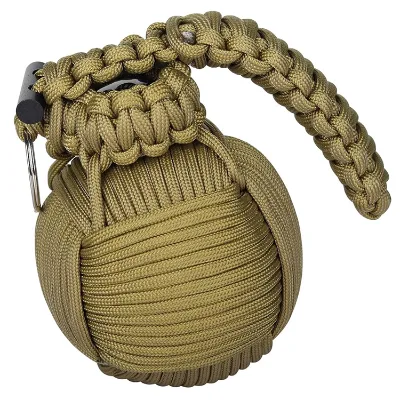
Camping Hiking Paracord Heavy-Duty Tactical Parachute Cord Gear Survival Emergency Rope
$0.30 - $0.50
MOQ: 2000 Pieces

Orange Flat Tactical Paracord Nylon Test Cord Hiking Camping Survival Rope
$0.80 - $2.00
MOQ: 500 Pieces
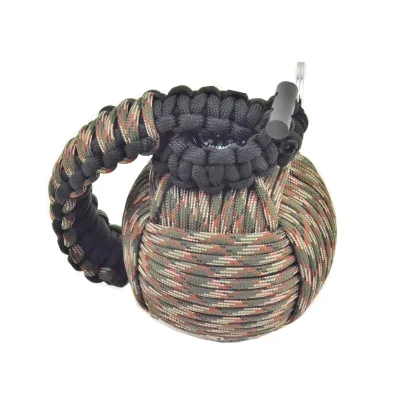
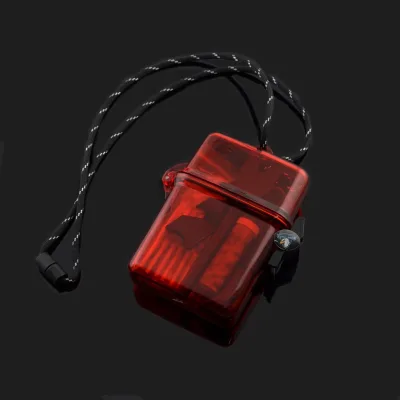



Comprehensive Sourcing Guide
Survival Paracord Tactical Knife Sourcing Guide
Sourcing survival paracord tactical knives requires a nuanced understanding of the intersection between traditional outdoor utility and modern tactical gear aesthetics. Buyers must recognize that this product category is not monolithic; it encompasses a wide spectrum of items ranging from simple paracord keychains to complex multi-functional folding knives with specialized blade materials. The core appeal lies in the versatility of the paracord component, which serves both as a decorative element and a functional survival tool, while the knife itself must meet rigorous demands for durability, edge retention, and ease of deployment in high-stress environments.
Procurement professionals need to navigate a market where product listings often conflate distinct items under broad keywords. For instance, a search for "Survival Paracord Tactical Knife" may yield results for standalone paracord buckles, keychains, and full-sized combat knives simultaneously. Therefore, the initial phase of sourcing involves strict definition of the end-use case. Whether the requirement is for a promotional giveaway, a specialized military contract, or retail consumer goods, the specifications for blade steel, handle ergonomics, and paracord integration will vary significantly. Clear definition prevents misalignment between supplier capabilities and buyer expectations.
Product Scope and Observed Listing Signals
The current market landscape for these items reveals a diverse array of product types, often categorized under broader headings such as "Knife Sets" or specific model numbers like RS01 and CB-OK062. Observed listings indicate a strong presence of products originating from Zhejiang and Yangjiang, China, which are established hubs for knife manufacturing. Buyers should note that product names can be misleading; for example, some listings labeled as "Paracord Buckle" or "Paracord Keychain" may be accessories rather than the primary knife unit. It is critical to distinguish between the knife itself and its accompanying accessories, as the value proposition and unit economics differ substantially between a standalone blade and a bundled survival kit.
Price and minimum order quantity (MOQ) signals suggest a highly segmented market. Observed price ranges span from nominal values of $0.01 to nearly $20.00, reflecting the disparity between simple paracord components and fully assembled tactical knives. Similarly, MOQs vary from single units for sampling up to 2,000 pieces for bulk production. This variance indicates that suppliers are willing to accommodate both small-batch customizations and large-scale industrial orders. Buyers must align their volume requirements with supplier flexibility, recognizing that lower MOQs may come with higher per-unit costs or limited customization options, while higher volumes unlock economies of scale but require stricter adherence to standardized designs.
Technical Specifications to Verify
Technical verification must begin with the blade material and finish, as these factors directly impact performance and longevity. Listings frequently cite materials such as "High Quality" stainless steel or specific grades like SS 440C, alongside finishes like black plating. Buyers should verify the exact metallurgical grade, as generic terms like "high quality" are insufficient for technical specification sheets. The thickness of the blade, observed in listings ranging from 2.8mm to 3.8mm, is a critical indicator of the knife’s intended use; thicker blades offer durability for heavy-duty tasks, while thinner blades provide precision for fine cutting. Additionally, the folding mechanism must be inspected for reliability, with some units listed as "Folded" and others as "Unfolded," indicating different states of delivery or deployment mechanisms.
Handle construction and overall dimensions are equally vital for user comfort and tactical effectiveness. Observed handle materials range from stainless steel to wood, including specific variants like "Colorful Wood," which may appeal to aesthetic-driven markets but require scrutiny for durability in wet or harsh conditions. The length of the knife, with observed specifications such as 210mm, 225mm, and 310mm, dictates its portability and legal compliance in various jurisdictions. Buyers must also consider the weight, with some units listed at 120g, which affects carry comfort. The integration of paracord, whether as a lanyard or a handle wrap, must be evaluated for secure attachment and resistance to fraying under tension.
Compliance and Safety Documentation
Compliance with international safety standards is non-negotiable for tactical knives, particularly when targeting consumer markets in regions with strict weapon regulations. Buyers must ensure that suppliers provide documentation confirming adherence to relevant safety standards, such as those governing blade sharpness, locking mechanisms, and material toxicity. While specific standard numbers like "23cm" or "8.8 inches" appear in listings, these typically refer to dimensions rather than regulatory compliance codes. It is the buyer’s responsibility to map these physical specifications to local laws, ensuring that the knife’s length, locking type, and blade shape do not violate import restrictions or consumer safety directives in the destination market.
Safety testing documentation should include proof of robustness for the folding mechanism and the integrity of the handle attachment. For paracord-integrated knives, verification of the cord’s tensile strength is essential, with some listings citing a pulling force of 550lb. This data point, if verified through third-party testing, can be a significant selling point for survival applications. Buyers should request test reports or certificates of conformity that validate these performance claims, ensuring that the product can withstand the stresses of tactical or survival use without failure. Without such documentation, the risk of product liability and customer dissatisfaction increases significantly.
Cost Drivers and Commercial Terms
Cost structures in this category are driven by material selection, manufacturing complexity, and customization levels. The use of premium materials like SS 440C steel or exotic wood handles will inherently increase the base cost compared to standard stainless steel and synthetic handles. Customization options, such as OEM logo printing and customizable packing, add to the unit price but can enhance brand value for the buyer. Suppliers often require a minimum order quantity per model per color, as indicated by some listings specifying 120pcs per model per color. This constraint impacts inventory planning and requires buyers to balance customization desires with production efficiency.
Commercial terms must be negotiated with attention to payment structures, lead times, and shipping logistics. While specific lead times are not provided in the observed data, buyers should establish clear timelines for production and delivery, especially for customized orders. The variability in MOQs suggests that suppliers may offer tiered pricing, where larger orders benefit from reduced unit costs. Buyers should also consider the total landed cost, including duties and taxes, which can vary significantly depending on the country of origin and the specific classification of the knife under customs codes. Transparent communication regarding these terms prevents unexpected costs and ensures accurate budgeting.
Supplier Qualification and Quality Control
Supplier qualification requires a thorough assessment of manufacturing capabilities and quality assurance processes. Buyers should verify the supplier’s production capacity, particularly their ability to handle the observed MOQ ranges and customization requests. Factories in Zhejiang and Yangjiang are known for their expertise in knife manufacturing, but buyers must conduct due diligence to ensure that the specific supplier maintains consistent quality standards. This includes verifying the supplier’s experience with paracord integration and their ability to meet specific technical specifications, such as blade thickness and handle material requirements.
Quality control measures must be established before production begins. Buyers should define clear acceptance criteria for visual defects, functional performance, and material consistency. For paracord tactical knives, this includes checking the tightness of the paracord wrap, the smoothness of the blade action, and the integrity of the handle attachment. Implementing pre-shipment inspections is crucial to catch any deviations from the agreed-upon specifications. Buyers should also consider third-party inspection services to provide an unbiased assessment of the product quality, ensuring that the final shipment meets the required standards before release.
Long-Term Procurement Checks
Long-term procurement success depends on establishing a reliable supply chain that can adapt to changing market demands and regulatory environments. Buyers should maintain open communication with suppliers to stay informed about new materials, designs, and compliance updates. Regular performance reviews of the supplier’s delivery times, product quality, and responsiveness are essential for maintaining a healthy partnership. Additionally, buyers should monitor market trends to anticipate shifts in consumer preferences, such as the growing demand for eco-friendly materials or enhanced tactical features.
Continuous improvement in product design and sourcing strategies is vital for staying competitive. Buyers should leverage feedback from end-users to refine product specifications and address any recurring issues. This may involve collaborating with suppliers to develop new models that better meet market needs or optimizing existing designs for cost efficiency. By maintaining a proactive approach to procurement, buyers can ensure a steady supply of high-quality survival paracord tactical knives that meet the evolving demands of their customers.
FAQs
What materials are used for the knife handles?
The knife handles are constructed from stainless steel or colorful wood depending on the specific model. Some variants feature high-quality materials to ensure durability during combat, hunting, or camping activities.
Can I customize the logo and packaging?
Yes, customization is available for both the logo and packaging. Buyers can request OEM branding and choose from customizable packing options like cartons to meet specific business requirements.
What is the minimum order quantity for these knives?
The minimum order quantity varies by model, with some requiring 120 pieces per model per color. Other listings indicate a flexible range starting from just one unit up to 2000 units.
Where are these tactical knives manufactured?
These products originate from Zhejiang, China, with specific production locations including Yangjiang. This region is known for its manufacturing capabilities in high-quality cutting tools.
What are the standard dimensions for the blades?
Blade lengths vary by model, with options including 225mm, 310mm, and 210mm. Thickness ranges from 2.8mm to 3.8mm, and some standards specify lengths like 23cm or 8.8 inches.
Are these knives suitable for industrial use?
Yes, certain models are designed for industrial, combat, hunting, and utility applications. They are also suitable for kitchen and camping use, offering multi-functional capabilities for various environments.