Source Sustainable Carbon Steel Cream Whisk for baking, mixing, and cooking
Compare 30 listings for Sustainable Carbon Steel Cream Whisk options suitable for home kitchens, restaurants, and professional baking. Buyers can evaluate materials, sizes, and customization features to find the right tool for egg beating and mixing tasks.
Key considerations
Products List



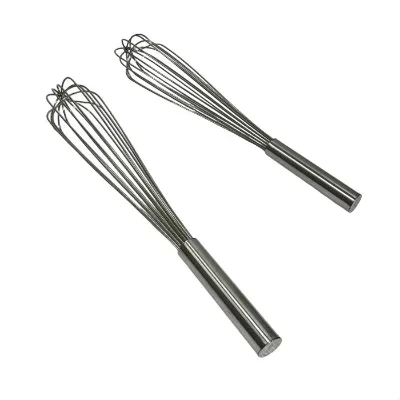
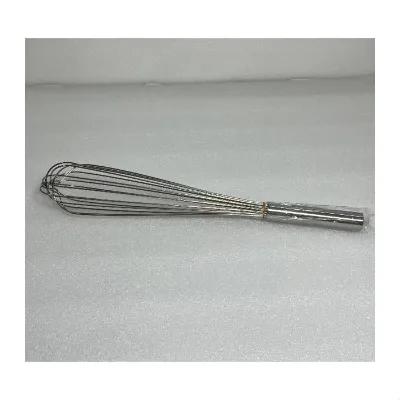
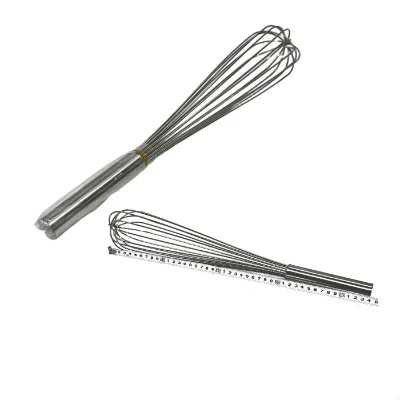
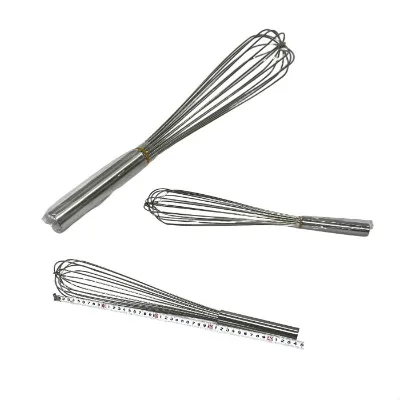
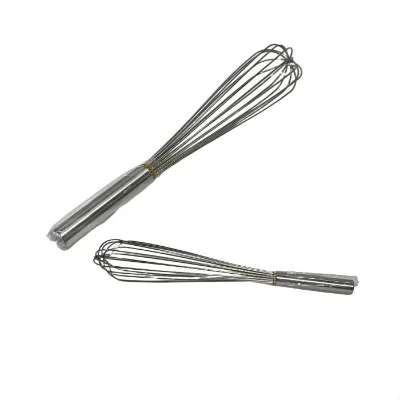

Mini Electric Whisk Mixer Handheld Whisk for Home Cream Whisk Cordless Electric Whisk
$1.68 - $1.88
MOQ: 1000 Pieces

Mini Electric Whisk Mixer Handheld Whisk for Home Cream Whisk Cordless Electric Whisk
$2.34 - $2.61
MOQ: 1000 Pieces

Stainless Steel Whisk Manual Whipped Cream Household Whisk Kitchen Baked Egg Whisk Stick
$1.68 - $1.88
MOQ: 1000 Pieces


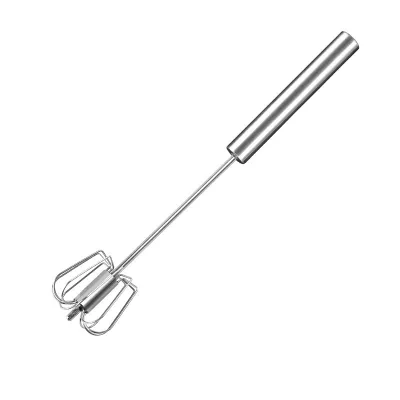

OEM Electric Powered Milk Froth Coffee Cream Egg Whisk Cordless Hand Whisk
$1.64 - $1.79
MOQ: 560 Pieces

Comprehensive Sourcing Guide
Sustainable Carbon Steel Cream Whisk Sourcing Guide
Sourcing sustainable kitchenware requires a nuanced understanding of material science, manufacturing ethics, and supply chain transparency. While the term "carbon steel" often evokes images of high-carbon culinary blades, the broader category of sustainable egg and cream tools encompasses a diverse range of materials including stainless steel, silicone, wood, and composite blends. Buyers must navigate a market where "eco-friendly" claims are frequently used as marketing descriptors rather than certified environmental attributes. This guide provides a structured approach to evaluating suppliers, verifying material integrity, and ensuring that procurement decisions align with both functional requirements and sustainability goals.
The following sections detail the critical verification steps for sourcing these tools. We focus on observable listing signals, technical specifications, compliance documentation, cost structures, supplier qualifications, and long-term procurement checks. By adhering to these evidence-based criteria, buyers can mitigate risks associated with greenwashing, quality inconsistencies, and regulatory non-compliance. The goal is to empower procurement teams to make informed decisions that balance cost, quality, and ethical sourcing standards.
Product Scope and Observed Listing Signals
The current market for egg and cream whisk tools exhibits a wide variance in material composition and functional design. Observed listings indicate a primary reliance on SUS300 series stainless steel, often combined with wooden handles, as well as silicone and wood composites. These materials are frequently marketed with attributes such as "portable," "eco-friendly," and "stocked," suggesting a focus on convenience and perceived environmental benefits. However, buyers should note that "eco-friendly" is an unverified attribute in many listings and does not automatically imply certified sustainable sourcing or recyclability. The presence of manual operating modes across most products confirms that these are primarily hand-held tools, distinguishing them from electric mixers or automated kitchen appliances.
Price and minimum order quantity (MOQ) ranges further illustrate the diversity of the supplier base. Prices observed in the market span from approximately $0.30 to $79.91, reflecting differences in material quality, branding, and customization options. MOQs vary significantly, ranging from as low as 2 units for sample orders to 2,000 units for bulk production, with many suppliers setting standard MOQs around 30 to 300 pieces. This variability allows buyers to test market demand with low-risk sample orders before committing to large-scale production. Additionally, the availability of OEM/ODM services and customized logos indicates that many suppliers are equipped to handle private label requirements, which is crucial for brands seeking to differentiate their product lines.
Technical Specifications to Verify
Material composition is the most critical technical specification to verify, as it directly impacts durability, safety, and sustainability claims. Listings frequently mention "Stainless Steel," "SUS300 series," "Metal," and "Silicone+Wooden" combinations. Buyers must confirm the specific grade of stainless steel, as SUS300 series generally refers to austenitic stainless steels known for corrosion resistance, but exact grades (e.g., 304 vs. 316) can vary. For wooden components, verification of the wood type and treatment process is essential to ensure resistance to moisture and bacterial growth. Silicone components should be verified for food-grade certification, although this is not explicitly stated in all listings. The absence of dishwasher-safe attributes in many products suggests that hand-wash-only care instructions are common, which buyers should communicate to end-users to prolong product life.
Dimensional and functional specifications also play a key role in product selection. Common sizes observed include 20*2.2cm, which is suitable for standard mixing tasks. Models such as NBAT25011, XX-SWSLS, JS-AL006, CTS-31-004, CTS-15, and SUN-9863 indicate a wide variety of designs, from simple single-layer whisks to more complex egg beating tools. Buyers should verify the layer count, with most products being single-layer, and confirm the intended usage, which typically includes home kitchen, restaurant, and general egg beating or mixing tasks. Packaging details, such as OPP polybags or cartons, should be assessed for their environmental impact, with a preference for recyclable or biodegradable packaging options to align with sustainability goals.
Compliance and Safety Documentation
Food contact safety is paramount for kitchenware products, and buyers must ensure that all materials comply with relevant international and regional standards. While specific certification statuses are not provided in the observed listings, buyers should request documentation confirming compliance with FDA (USA), LFGB (Germany), or EU Framework Regulation (EC) No 1935/2004 standards. These standards govern the migration of substances from food contact materials into food, ensuring that materials like stainless steel, silicone, and wood do not leach harmful chemicals. Buyers should also verify that any wooden components are treated with food-safe finishes and that silicone components are free from BPA and other harmful additives.
Environmental and sustainability certifications, if claimed, should be rigorously verified. Terms like "Eco-Friendly" and "Customized Logo" suggest potential for sustainable branding, but buyers should look for third-party certifications such as FSC (Forest Stewardship Council) for wood components or specific recyclability claims for metal and silicone parts. The absence of explicit standard references in many listings means that buyers must proactively request detailed compliance documentation from suppliers. This includes material safety data sheets (MSDS) and test reports from accredited laboratories. Without such documentation, claims of sustainability or safety remain unsubstantiated and pose a reputational risk to the buyer.
Cost Drivers and Commercial Terms
Several factors influence the final cost of sustainable kitchenware, including material selection, customization, and order volume. The use of SUS300 series stainless steel and wooden handles typically commands a higher price point than basic plastic alternatives, reflecting the perceived quality and durability of these materials. Customization options, such as logo printing and packaging design, add to the cost but can enhance brand value. The observed price range of $0.30 to $79.91 highlights the impact of these variables, with higher prices likely associated with premium materials, complex designs, or extensive customization. Buyers should negotiate based on volume, leveraging the observed MOQ ranges to secure better unit prices for larger orders.
Commercial terms, including sample availability and lead times, are also critical cost drivers. Most suppliers offer samples within 3-5 days, allowing for quick quality assessment. However, buyers should factor in the cost of samples and shipping when calculating the total procurement cost. The acceptance of small orders and support for OEM/ODM services provide flexibility but may come with higher per-unit costs. Buyers should clarify payment terms, shipping responsibilities, and return policies for defective goods. Understanding these commercial terms helps in budgeting accurately and avoiding unexpected expenses during the procurement process.
Supplier Qualification and Quality Control
Supplier qualification is essential to ensure consistent quality and reliable delivery. Buyers should assess suppliers based on their production capabilities, quality control processes, and responsiveness to customization requests. The observed presence of suppliers from Zhejiang and Guangdong, China, indicates a concentration of manufacturing expertise in these regions. Buyers should verify the supplier's production capacity, especially for large orders, and inquire about their quality control measures, such as incoming material inspections, in-process checks, and final product testing. Suppliers that offer OEM/ODM services and accept customized logos demonstrate flexibility and a willingness to collaborate, which are positive indicators of supplier quality.
Quality control should extend to packaging and labeling, as these elements impact product presentation and compliance. Buyers should verify that packaging materials are durable enough to protect the product during transit and that labeling includes all required information, such as material composition, care instructions, and country of origin. The observed use of OPP polybags and cartons suggests standard packaging practices, but buyers should request samples to assess packaging quality. Additionally, buyers should establish clear communication channels with suppliers to address any quality issues promptly. Regular audits or third-party inspections may be necessary for high-volume orders to ensure ongoing compliance with quality standards.
Long-Term Procurement Checks
Long-term procurement success depends on continuous monitoring of supplier performance and market trends. Buyers should establish key performance indicators (KPIs) to track supplier reliability, including on-time delivery rates, defect rates, and responsiveness to issues. Regular reviews of these metrics help identify potential problems early and allow for corrective actions. Buyers should also stay informed about changes in material regulations and sustainability standards, as these can impact product compliance and marketability. Proactive engagement with suppliers on sustainability initiatives, such as reducing packaging waste or sourcing recycled materials, can enhance the long-term value of the procurement relationship.
Finally, buyers should consider the end-of-life implications of the products they source. While many materials like stainless steel and silicone are recyclable, buyers should verify the recyclability infrastructure in their target markets. Collaborating with suppliers to design products that are easier to recycle or reuse can contribute to a circular economy and enhance brand reputation. By focusing on long-term sustainability and continuous improvement, buyers can build resilient supply chains that deliver value over time. This approach not only mitigates risks but also positions the brand as a leader in sustainable procurement practices.
FAQs
What materials are used for the egg whisk?
The egg whisk is constructed from stainless steel combined with wooden handles. Some variants also feature silicone and wood materials. This combination ensures durability while providing a comfortable grip during manual operation in home kitchens or restaurants.
Can I customize the logo on the product?
Yes, customized logos are available for this egg whisk. The supplier accepts OEM and ODM requests to meet specific branding needs. Buyers can request custom branding options to align the product with their own brand identity or marketing strategy.
What is the minimum order quantity for this item?
The minimum order quantity is 300 pieces for standard orders. Some listings indicate a lower threshold of 30 pieces for specific models. Buyers should verify the exact MOQ based on the specific model number and customization requirements before placing an order.
How long does it take to receive a sample?
Sample preparation typically takes 3 to 5 days. Samples are available for evaluation before committing to a bulk order. This allows buyers to verify product quality, material composition, and dimensions like the 20*2.2cm size before proceeding with larger purchases.
Is the egg whisk safe for dishwasher cleaning?
No, the egg whisk is not dishwasher safe. Care instructions specify that it must be hand washed only. This requirement helps preserve the wooden or silicone components and ensures the longevity of the stainless steel structure during regular kitchen use.
Where are these egg whisks manufactured?
These products originate from manufacturing facilities in Zhejiang and Guangdong, China. The specific location depends on the supplier and model number. Buyers can expect production to take place within these regions known for kitchenware manufacturing capabilities.
What is the operating mode of the whisk?
The egg whisk operates in manual mode. It is designed for hand use rather than electric power supply. This manual operation makes it suitable for various kitchen tasks including egg beating and mixing without the need for external power sources.