Source Sustainable Classic Draft Beer Glass for Home, Camping, and Training
Compare 30 sustainable classic draft beer glass options from verified Chinese manufacturers. Buyers can evaluate cylindrical glass cups with laser engraved logos, varying capacities under 10 oz or 500-1000ml, and lead-free crystal standards for home, camping, and training applications; compare the available evidence and request quotations based on your requirements.
Key considerations
Products List








Comprehensive Sourcing Guide
Sustainable Classic Draft Beer Glass Sourcing Guide
Procuring sustainable classic draft beer glasses requires a careful balance between aesthetic tradition and modern environmental responsibility. Buyers must prioritize materials that offer durability and recyclability, such as lead-free crystal glass, which aligns with eco-conscious supply chain goals. The visual appeal of a classic design, often characterized by cylindrical shapes and transparent finishes, remains a staple in hospitality and home settings. However, the sourcing process must also account for the functional requirements of draft beer service, ensuring the glassware can withstand frequent handling and thermal stress.
This guide focuses on identifying suppliers who provide high-quality, customizable glassware that meets both aesthetic and operational standards. Key considerations include verifying material composition, understanding certification requirements, and evaluating production capabilities for custom branding. By focusing on these core elements, procurement teams can secure inventory that enhances brand identity while maintaining high standards of safety and sustainability. The following sections detail the specific technical, compliance, and commercial factors that influence successful sourcing decisions for this product category.
Product Scope and Observed Listing Signals
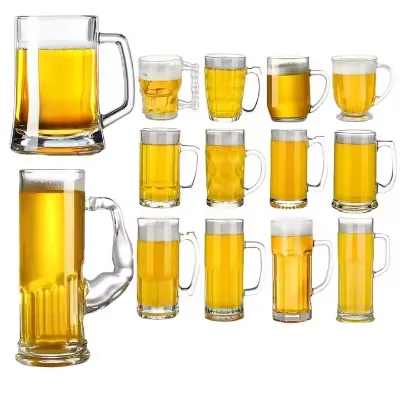
The current market landscape for draft beer glassware reveals a diverse range of options, with observed price points ranging from $0.10 to $1.89 USD per unit. Minimum order quantities (MOQs) vary significantly, typically starting at 48 units and extending up to 10,000 units, allowing flexibility for both small boutique orders and large-scale commercial deployments. Listings frequently highlight features such as cylindrical shapes, transparent crystallized glass, and capacities under 10 oz or between 500-1000ml, catering to different serving styles. These signals indicate a mature supply chain capable of supporting various volume requirements and design preferences.
Customization is a prevalent feature, with many suppliers offering laser-engraved or printed logos to enhance brand visibility. Products are often described as "lead-free crystal glass," emphasizing safety and premium quality. The observed models, such as JS22631 and JX007, suggest a variety of specific designs available for selection. Buyers should note that while "sustainable" is a key search term, the actual environmental impact depends on material sourcing, manufacturing efficiency, and packaging choices, which must be verified directly with suppliers rather than assumed from listing titles.
Technical Specifications to Verify
When evaluating technical specifications, buyers must confirm the glass type and material composition to ensure durability and safety. The supplied data indicates the use of crystallized glass and lead-free crystal glass, which are critical for maintaining clarity and resistance to thermal shock. It is essential to verify the exact capacity of each model, as listings mention capacities ranging from under 10 oz to 500-1000ml, depending on the specific design. Confirming these dimensions ensures the glassware meets the intended serving volume for draft beer, whether for casual camping use or formal hospitality settings.
Packaging and structural integrity are also vital technical considerations. Products are typically packed in plastic bags or inner boxes, with export cartons used for bulk shipping. Buyers should assess the robustness of this packaging to prevent breakage during transit, especially for fragile crystal glass. Additionally, the absence of handles in many designs simplifies cleaning and stacking but requires careful handling protocols. Verifying these details helps in planning logistics, storage, and operational workflows, ensuring that the physical attributes of the glassware align with the buyer's operational needs.
Compliance and Safety Documentation
Compliance with food safety standards is non-negotiable for glassware intended for beverage service. The presence of FDA certification in the observed listings is a strong indicator of adherence to US food contact material regulations. Buyers must request and verify current FDA certificates for each supplier to ensure that the glassware is free from harmful substances like lead and cadmium. This documentation is crucial for maintaining brand reputation and avoiding legal liabilities associated with non-compliant products. ISO certification may also be present, indicating broader quality management system adherence.
Beyond regulatory compliance, buyers should inquire about specific material safety standards, such as lead-free crystal glass certifications. These standards ensure that the glass does not leach toxic materials into beverages, preserving taste and safety. It is advisable to request test reports or material safety data sheets (MSDS) from suppliers to validate these claims. Understanding the compliance landscape helps in selecting suppliers who prioritize safety, thereby protecting end consumers and ensuring that the product meets international trade requirements for food-contact items.
Cost Drivers and Commercial Terms
Several factors influence the total cost of ownership for draft beer glassware, including material quality, customization complexity, and order volume. The observed price range of $0.10 to $1.89 USD reflects variations in glass thickness, design intricacy, and branding options. Customization, such as laser engraving or printing logos, typically incurs additional costs and may affect the minimum order quantity. Buyers should negotiate based on volume tiers, as larger orders often yield better unit prices. Understanding these cost drivers allows for more accurate budgeting and cost-benefit analysis.
Commercial terms also play a significant role in procurement costs. Common payment terms include a 30% advance payment with the balance due before shipping, which is standard in the industry. Price terms such as EXW, FOB, and DDP affect logistics responsibilities and costs. Buyers should clarify these terms to understand who bears the risk and cost of transportation. Additionally, sample costs, often around $20, should be factored into the initial procurement budget. Clear communication of these terms helps in avoiding unexpected expenses and ensures a smooth transaction process.
Supplier Qualification and Quality Control
Supplier qualification is critical to ensuring consistent product quality and reliable delivery. Buyers should assess suppliers based on their production capabilities, lead times, and quality control processes. The observed sample time of 7 days and production time of 30 days provide a baseline for planning, but these timelines can vary based on order complexity and volume. It is advisable to request samples to evaluate the physical quality, clarity, and durability of the glassware before committing to large orders. This hands-on verification helps in identifying potential issues early in the sourcing process.
Quality control measures should include regular inspections and adherence to standardized production processes. Suppliers offering "perfect quality" and "good service" should be evaluated based on their track record and customer feedback. Buyers should inquire about defect rates and return policies to understand the supplier's commitment to quality. Additionally, verifying the supplier's origin, such as Zhejiang or Jiangsu in China, can provide insights into their manufacturing ecosystem and expertise. A thorough qualification process helps in building a reliable supply chain that meets quality and delivery expectations.
Long-Term Procurement Checks
Long-term procurement success depends on establishing strong relationships with suppliers and continuously monitoring performance. Buyers should conduct regular audits and reviews to ensure that suppliers maintain compliance with safety standards and quality expectations. This includes verifying that certifications remain valid and that production processes continue to meet specified requirements. Building a partnership based on transparency and mutual benefit can lead to better pricing, priority production, and improved service levels over time.
Sustainability efforts should also be a focus for long-term procurement strategies. Buyers should encourage suppliers to adopt eco-friendly practices, such as using recyclable packaging and reducing waste during production. Monitoring the environmental impact of the supply chain helps in aligning procurement activities with corporate sustainability goals. By regularly reviewing supplier performance and sustainability metrics, buyers can ensure that their sourcing practices remain responsible, efficient, and aligned with evolving market expectations and regulatory requirements.
FAQs
Can I customize the logo on these glass cups?
Yes, customization is available for these glass cups. You can choose from laser engraved or printed logo options to brand your products. This service allows for unique designs tailored to your specific marketing needs. The sample time for customized orders is typically 7 days, while production time takes about 30 days after advance payment.
What certifications do these glass products hold?
These glass products hold FDA and ISO certifications, ensuring they meet strict safety and quality standards. The material used is lead-free crystal glass, which is transparent and durable. These certifications confirm that the products are safe for home use and comply with international regulatory requirements for food contact materials.
What is the minimum order quantity for these glasses?
The minimum order quantity ranges from 48 to 10,000 units depending on the specific model and customization requirements. Standard models may have lower MOQs, while customized orders with specific logos might require higher volumes. You should confirm the exact MOQ with the supplier based on your selected product model and packaging preferences.
How are these glass cups packaged for shipping?
These glass cups are packaged in plastic bags or inner boxes, with one piece per inner box. The inner boxes are then packed into export cartons for safe transit. This packaging method ensures protection during shipping and handling. The package type is listed as each inner box, providing secure individual protection for each unit.
What are the payment terms for these orders?
The payment terms require 30% in advance, with the balance due before shipping. This standard term ensures commitment from both parties. You can choose from EXW, FOB, or DDP price terms depending on your logistics preferences. This structure is common for B2B transactions involving customized glassware and helps manage production and shipping risks.
Where are these glass products manufactured?
These glass products are manufactured in Zhejiang, China, and Jiangsu, China. The origin is specified as China, with specific production locations in these provinces. This location provides access to established glass manufacturing hubs, ensuring quality production and efficient logistics for international buyers seeking reliable sourcing partners for glassware.