Source sweat-absorbent knitted cycling socks for Basketball, Running, and Football
Find 30 sweat-absorbent knitted cycling socks from Guangdong suppliers. Compare features like breathability, quick-dry performance, and custom logo options for basketball, running, and football activities. These socks are available in various colors and sizes, with options for customized packaging and logos. Ideal for athletes seeking comfort and style during workouts, daily life, and outdoor sports.
Updated
Key considerations
Products List
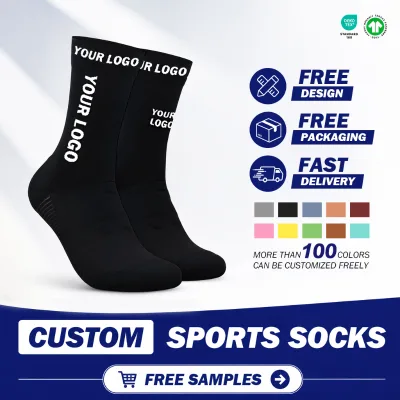
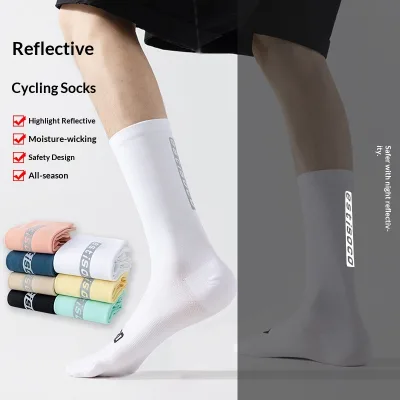


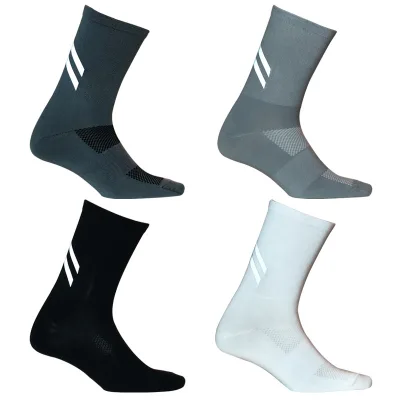
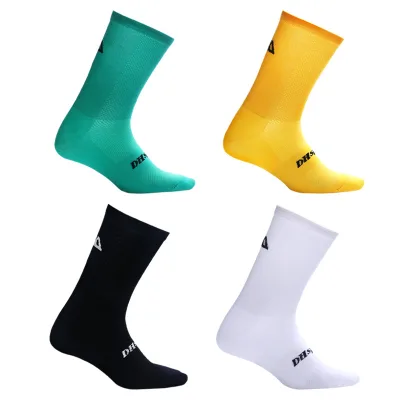
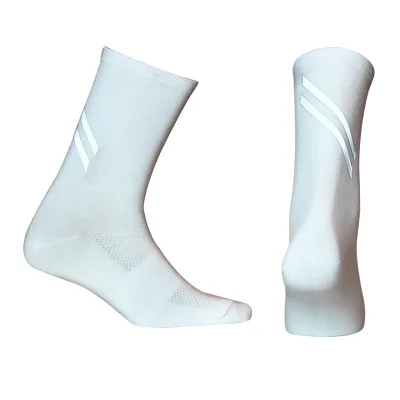
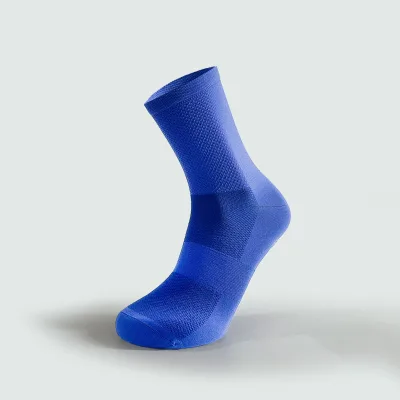
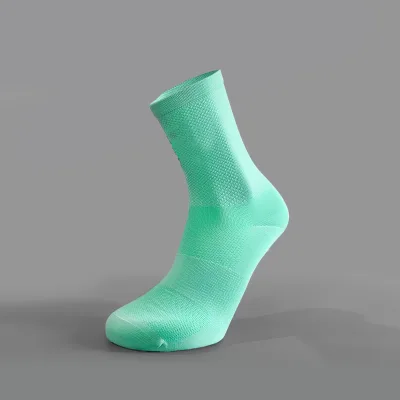
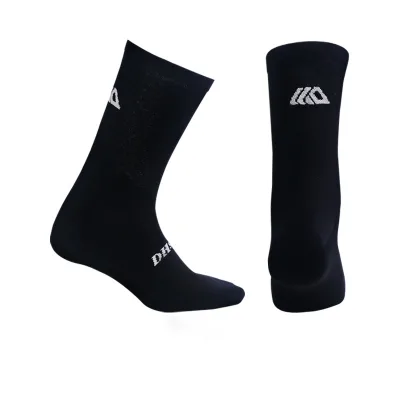
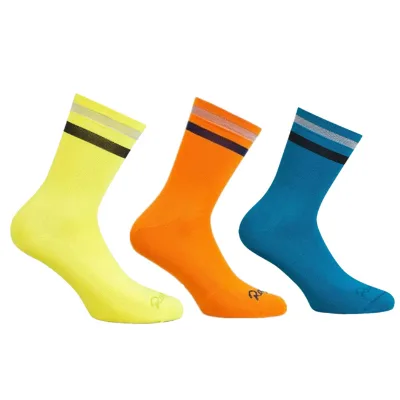
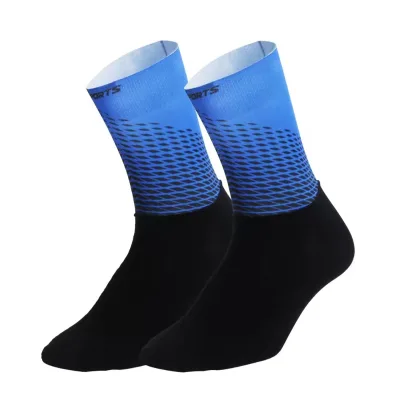
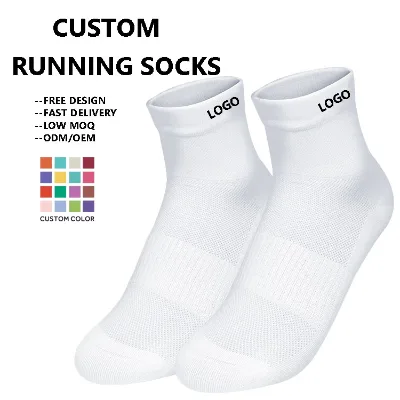
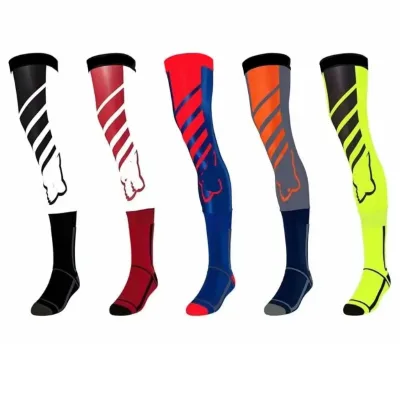

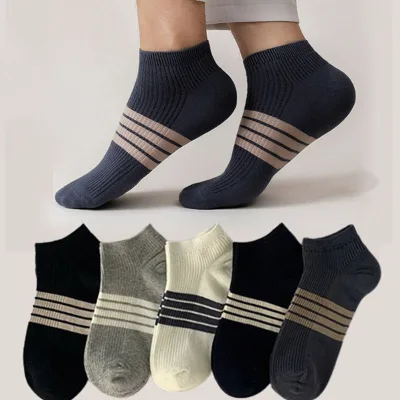
Breathable Crew Knitted Sporty Sweat-Absorbent Socks for Sports Racing Cycling Outdoor Riding
$0.5101 - $2.0794
MOQ: 100 pairs
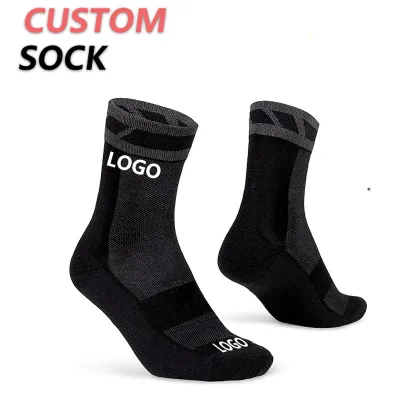
Thermal Merino Wool Cycling Socks Warm Bike Socks Padded Thick Cycling Socks
$1.0397 - $4.6795
MOQ: 100 pairs
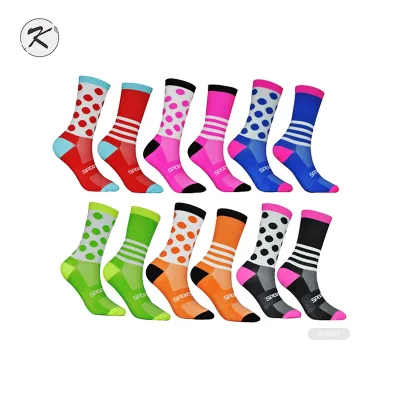


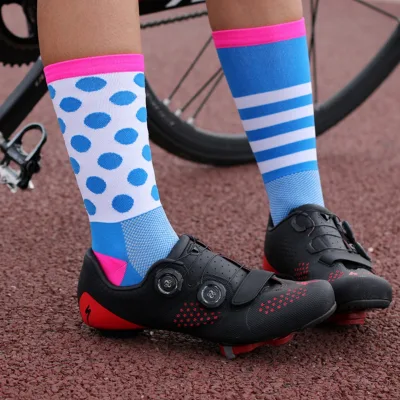

Comprehensive Sourcing Guide
Sweat-Absorbent Knitted Cycling Socks Sourcing Guide
Sourcing sweat-absorbent knitted cycling socks requires a careful balance of material science and functional design to ensure athlete comfort during high-intensity activities. Buyers must prioritize fabrics that actively manage moisture while maintaining structural integrity under repeated stretching and friction. The observed market data indicates a strong presence of products combining nylon, spandex, and cotton blends, which offer a versatile foundation for performance wear. These materials are frequently engineered to provide breathability and quick-drying capabilities, essential for preventing blisters and maintaining foot hygiene during long rides.
Procurement teams should also evaluate the specific knitting techniques and seamless construction methods that contribute to the sock’s durability and fit. Evidence from current listings highlights the importance of single-needle weaving and seamless stitching, which reduce internal irritation and enhance the overall wearing experience. By focusing on these technical attributes, buyers can select suppliers who demonstrate a clear understanding of the biomechanical demands placed on cycling apparel. This approach ensures that the final product not only meets aesthetic expectations but also delivers on the critical promise of moisture management and physical support.
Product Scope and Observed Listing Signals
The current market landscape for athletic socks reveals a diverse range of options tailored to various sports, including cycling, basketball, and general workouts. Listings frequently feature character patterns and solid colors, with black and white being dominant choices, alongside more vibrant options like sky blue and goose yellow. The supply type is predominantly in-stock items, suggesting that buyers can expect relatively quick turnaround times for standard orders. This availability is crucial for retailers and brands looking to restock inventory rapidly without facing significant delays from manufacturing pipelines.
Observations also indicate a strong emphasis on customization, with many suppliers offering ODM services and accepting customized logos on the cuff, body, or bottom of the sock. The product names often highlight specific features such as "bamboo fiber" or "sport athletic," signaling a trend toward eco-friendly and performance-oriented materials. Buyers should note that while some listings claim bamboo fiber content, others specify nylon or cotton blends, requiring careful verification of material composition. This variability underscores the need for precise specification sheets to ensure that the purchased goods align with the brand’s quality and sustainability standards.
Technical Specifications to Verify
When evaluating technical specifications, buyers must confirm the exact material composition, as listings vary between nylon, spandex, cotton, and bamboo fiber blends. The presence of spandex is critical for elasticity, ensuring the sock stays in place during dynamic movements, while nylon contributes to durability and quick-drying properties. It is essential to verify whether the fabric is designed for specific seasons, such as spring, or if it offers universal wearability. Additionally, the thickness should be classified as standard to ensure it fits comfortably within cycling shoes without causing pressure points or overheating.
Seamless construction is another vital technical aspect to verify, as it directly impacts comfort and reduces the risk of chafing. Buyers should check for seamless stitching suitable for a range of foot sizes, typically spanning from size 36 to 43, to accommodate a broad customer base. The length of the sock, often categorized as crew or mid-calf, should also be confirmed to match the intended use case. Furthermore, the knitting technique, such as single-needle weaving, should be validated to ensure consistent quality and prevent defects that could compromise the sock’s performance during rigorous physical activity.
Compliance and Safety Documentation
Safety and compliance are paramount in the textile industry, particularly for products worn directly against the skin. Buyers should request documentation confirming that the socks have undergone needle detection to ensure no metal fragments remain in the fabric, which could pose a safety hazard. This step is crucial for maintaining product integrity and protecting consumers from potential injury. Additionally, verifying that the materials used are free from harmful substances and meet relevant chemical safety standards is essential for market access, especially in regions with strict regulatory requirements.
Eco-friendly claims, such as those related to bamboo fiber or sustainable production methods, must be substantiated with appropriate certifications or test reports. Buyers should inquire about the specific environmental standards the supplier adheres to, ensuring that these claims are not merely marketing tactics but are backed by verifiable data. Furthermore, understanding the dyeing and printing processes, including methods like digital printing or sublimation, is important for assessing the environmental impact and durability of the colors. This due diligence helps mitigate risks associated with non-compliance and supports the brand’s commitment to responsible sourcing.
Cost Drivers and Commercial Terms
The cost of sourcing sweat-absorbent knitted cycling socks is influenced by several factors, including material quality, customization complexity, and order volume. Observed price ranges suggest that basic models are competitively priced, while those with advanced features or custom branding may command higher rates. Buyers should analyze the cost structure to understand how different materials, such as bamboo fiber versus standard cotton blends, impact the final price. It is also important to consider the cost of customization, including logo placement and packaging design, which can add significant value but also increase the overall expense.
Commercial terms, such as minimum order quantities (MOQ) and lead times, play a crucial role in procurement planning. Listings indicate MOQs ranging from 1 to 200 pieces, offering flexibility for both small-scale testers and larger bulk orders. Buyers should negotiate terms that align with their inventory management strategies, ensuring that they can maintain adequate stock levels without overcommitting capital. Additionally, understanding the payment terms and shipping options is essential for managing cash flow and ensuring timely delivery to meet market demand. Clear communication of these terms helps prevent misunderstandings and fosters a smoother procurement process.
Supplier Qualification and Quality Control
Qualifying suppliers requires a thorough assessment of their manufacturing capabilities, quality control processes, and track record. Buyers should verify the supplier’s ability to handle both in-stock items and ODM projects, ensuring they can meet diverse customer needs. It is important to request samples to evaluate the actual quality of the knitting, stitching, and material feel. This hands-on inspection allows buyers to assess the sock’s breathability, sweat-absorbency, and overall durability before committing to a larger order.
Quality control measures should be clearly defined and agreed upon with the supplier, including inspection protocols for defects, color consistency, and sizing accuracy. Buyers should inquire about the supplier’s internal quality assurance processes and whether they conduct random sampling or full inspections before shipment. Additionally, understanding the supplier’s capacity to handle customized packaging and branding is crucial for maintaining brand identity. Establishing a robust quality control framework helps ensure that every batch of socks meets the required standards, reducing the risk of returns and customer dissatisfaction.
Long-Term Procurement Checks
Long-term procurement success depends on continuous monitoring of supplier performance and market trends. Buyers should regularly review supplier metrics, such as on-time delivery rates, product quality consistency, and responsiveness to issues. Establishing a feedback loop with end-users can provide valuable insights into the sock’s performance in real-world conditions, highlighting areas for improvement. This ongoing evaluation helps identify potential suppliers who may be falling short of expectations and allows for timely corrective actions.
Staying informed about emerging materials and technologies in the athletic sock industry is also essential for maintaining a competitive edge. Buyers should explore new fabric innovations, such as advanced moisture-wicking blends or sustainable production methods, that could enhance product offerings. Additionally, monitoring changes in consumer preferences, such as the demand for specific colors or patterns, can inform future sourcing decisions. By maintaining a proactive approach to supplier management and market analysis, buyers can ensure a steady supply of high-quality, sweat-absorbent knitted cycling socks that meet evolving customer needs.
FAQs
What materials are used in these sweat-absorbent knitted cycling socks?
The socks are crafted from a blend of Spandex, Nylon, and Cotton to ensure durability and comfort. This specific material composition supports the sweat-absorbing and quick-drying features required for active use. The knitted fabric design provides elasticity and a secure fit, making them suitable for various athletic activities including cycling and basketball.
Can I customize the logo and packaging for these sport socks?
Yes, customized logos and packaging are available for these products. You can place logos on the cuff, body, or bottom, and accept customized package designs. The supply type supports ODM services, allowing for tailored branding solutions. This flexibility ensures that your brand identity is prominently displayed on the final product delivered to your customers.
What sizes are available for these seamless cycling socks?
The socks are offered in a one-size-fits-all option and a medium size. Specific sizing information indicates they are suitable for shoe sizes 36-43. This versatile sizing approach simplifies inventory management for buyers while ensuring a comfortable fit for a wide range of users engaging in sports like cycling, running, and daily workouts.
What are the key features of these bamboo fiber sport socks?
These socks feature breathable, eco-friendly, and anti-bacterial properties. They are designed to be sweat-absorbent, quick-drying, and snagging resistant. Additional features include odor resistance and reflectivity for safety. The knitted construction ensures durability, while the seamless stitching enhances comfort during extended wear for activities such as football, basketball, and outdoor sports.
Where are these athletic socks manufactured and what is the origin?
These socks are manufactured in Guangdong, China. The place of origin is clearly stated as Guangdong, providing a reliable supply chain for international buyers. The products are in-stock items with a high available quantity, ensuring prompt dispatch. This location is known for its robust textile manufacturing capabilities, supporting efficient production and export processes.