Source Sweatsuits for Rugby, Gym, and Track Sports
Compare 30 verified Sweatsuit options from China suppliers featuring polyester materials and customization services. Buyers can evaluate windbreak, waterproof, and quick-drying features for rugby, gym, and track applications with MOQs starting at 200 pieces.
Key considerations
Products List


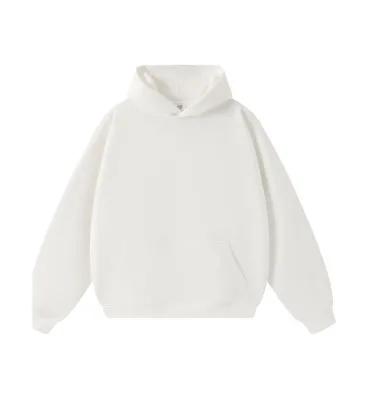




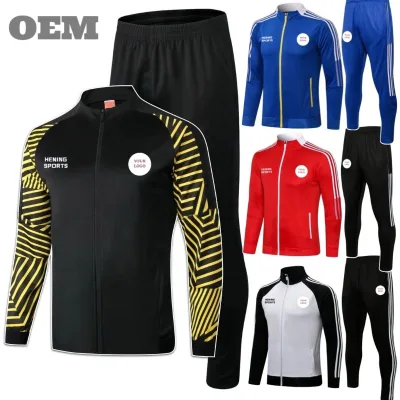


Comprehensive Sourcing Guide
Sweatsuit Sourcing Guide
The global market for athletic sweatsuits has expanded significantly, driven by a demand for versatile apparel that bridges the gap between high-performance training and casual wear. Based on current listing signals, these garments are predominantly constructed from polyester or polyester-cotton blends, offering a balance of durability and comfort suitable for a wide range of activities. Buyers should note that the observed product range includes specialized designs for specific sports like rugby, football, and track and field, as well as general fitness and yoga applications. This diversity indicates that a single supplier may offer a broad catalog, but the specific technical requirements for a rugby jersey differ substantially from those of a yoga bra or a general fitness top.
Procurement strategies must account for the high degree of customization available in this sector, where logos, patterns, and fabric weights can be tailored to brand specifications. The observed data confirms that OEM services are standard, allowing buyers to request specific embroidery, printing methods, and fit types ranging from regular to unlined designs. However, the variation in product types—from full-cover sweatsuits to specific tops and bras—requires precise definition of the target SKU before engaging with suppliers. Understanding whether the procurement goal is for team uniforms, retail inventory, or promotional merchandise is essential, as the minimum order quantities and production timelines vary significantly between these categories.
Product Scope and Observed Listing Signals
Buyers must first distinguish between the specific product categories listed, as the term "Sweatsuit" often encompasses a wide array of items including jerseys, tops, and full-body suits. The observed listings reveal a split between items designed for high-impact sports like rugby and those intended for low-impact activities such as yoga and gym workouts. For instance, some products are explicitly categorized as "Jerseys" with features like windbreak and rip-stop capabilities, while others are labeled as "Bra" or "Top" with a focus on moisture-wicking and breathability. This distinction is critical because the material composition and construction techniques required for a high-impact rugby jersey will differ from those needed for a lightweight yoga top.
The observed listing signals also highlight significant variability in packaging and shipping standards, which directly impacts logistics planning. While some items are shipped in original packages, others utilize flat packs or specific polybag configurations, with carton quantities ranging from 60 to 80 pieces per unit. Buyers should verify the exact packaging requirements for their specific order, as the "13035" standard mentioned in some listings may not apply to all product types. Additionally, the presence of multiple size ranges, from XXS to 3XL, suggests that inventory management will be complex, and buyers should confirm size availability for their target demographic before finalizing orders.
Technical Specifications to Verify
When evaluating technical specifications, the fabric weight and composition are primary decision factors that determine the garment's performance and suitability for specific climates. The observed data indicates fabric weights ranging from 280 to 320 grams, with materials primarily consisting of polyester or a polyester-cotton blend. Buyers should request physical samples to verify the actual weight and feel of the fabric, as these metrics influence the garment's drape, warmth, and durability. For applications requiring high breathability and quick-drying properties, such as track and field or water sports, the specific blend ratio and weave structure must be confirmed to ensure the product meets performance expectations.
Collar style, fit type, and design features are equally critical technical parameters that affect both the aesthetic and functional aspects of the Sweatsuit. The listings show options for O-neck collars and regular fit types, alongside specialized features like anti-UV, anti-static, and flame-retardant properties. Buyers must explicitly define these requirements in their purchase orders, as the presence of features like "Body Shape" or "Rip-Stop" is not universal across all listed products. Furthermore, the printing methods available, including silk screen, discharge, and digital printing, should be matched to the design complexity and order volume to ensure the final product meets quality standards.
Compliance and Safety Documentation
Safety and compliance documentation for athletic apparel often hinges on the specific claims made regarding fabric properties, such as flame retardancy or anti-static capabilities. While the observed listings mention features like "Flame-Retardant" and "Anti-Static," buyers must request third-party test reports to validate these claims, as these attributes are not inherent to all polyester products. The absence of specific certification names in the provided data means that buyers cannot assume compliance with international safety standards without direct verification from the supplier. It is essential to ask for test results from accredited laboratories that confirm the fabric meets the necessary safety thresholds for the intended market.
Environmental and labor compliance are also critical considerations, particularly when sourcing from regions like Guangdong, China, where the majority of these products originate. Buyers should inquire about the supplier's adherence to local labor laws and any voluntary sustainability initiatives, such as the use of recycled polyester or eco-friendly dyeing processes. Although the provided facts do not list specific environmental certifications, the demand for sustainable sourcing is growing, and buyers should include compliance clauses in their contracts to ensure that the manufacturing process aligns with their corporate social responsibility goals.
Cost Drivers and Commercial Terms
The cost of sourcing sweatsuits is heavily influenced by the level of customization, including the complexity of the design, the chosen printing method, and the fabric weight. The observed data indicates that sample lead times can range from 7 to 15 days, and the minimum order quantities (MOQ) vary significantly, with some designs requiring 200 pieces per design while others may have lower thresholds. Buyers should factor in the cost of tooling for custom molds or screens, especially when utilizing silk screen or discharge printing, as these processes often incur additional setup fees that are amortized over the order volume.
Commercial terms and payment structures are another major cost driver that requires careful negotiation. The observed listings suggest a common payment term of a 40% deposit and 60% balance before shipping, which is standard for OEM orders but may vary based on the supplier's risk assessment. Buyers should also consider the shipping method, as options include express, air, and sea freight, each with different cost implications and lead times. For urgent orders, air freight may be necessary despite the higher cost, while sea freight is more economical for large, non-urgent shipments. Understanding these variables allows buyers to optimize their total landed cost while maintaining a reliable supply chain.
Supplier Qualification and Quality Control
Supplier qualification should begin with a thorough review of their production capabilities and their ability to handle the specific customization requirements of the order. The observed data confirms that many suppliers offer OEM services with support for embroidery and printing, but buyers must verify the supplier's capacity to handle the specific volume and complexity of their order. It is advisable to request a factory audit or a virtual tour to assess the production environment, ensuring that the facility has the necessary equipment for high-quality embroidery and printing. Additionally, verifying the supplier's experience with similar product types, such as rugby jerseys or yoga tops, can provide insight into their technical expertise.
Quality control protocols must be established early in the procurement process to prevent defects and ensure consistency across the order. Buyers should define clear acceptance criteria for fabric weight, color fastness, and stitching quality, and request pre-shipment inspections for large orders. The observed variation in packaging standards, from polybags to cartons, highlights the need for specific packaging instructions to prevent damage during transit. Implementing a robust quality control plan that includes random sampling and defect rate thresholds will help mitigate risks and ensure that the final product meets the buyer's expectations.
Long-Term Procurement Checks
Building a sustainable long-term relationship with a supplier requires regular performance reviews and continuous communication regarding market trends and product improvements. Buyers should establish a schedule for quarterly reviews to assess the supplier's ability to meet delivery timelines, maintain quality standards, and adapt to changing design requirements. The observed data shows a wide range of product models and sizes, indicating that the supplier's inventory management and production flexibility are key indicators of their long-term viability. Regular feedback loops can help identify areas for improvement and foster a collaborative environment that drives innovation.
Finally, buyers must monitor the supplier's ability to scale production and manage supply chain disruptions effectively. The observed lead times and MOQs suggest that the supplier can handle varying order sizes, but buyers should verify their contingency plans for raw material shortages or logistical challenges. Establishing a clear communication channel for urgent orders and maintaining a buffer stock of critical components can help mitigate risks. By focusing on these long-term checks, buyers can ensure a stable and reliable supply of high-quality sweatsuits that meet their evolving business needs.
FAQs
What materials are used for these sweatsuits?
The sweatsuits are primarily made from polyester or a polyester and cotton blend. These materials are selected for their durability and comfort during physical activities. The fabric weight options include 280 grams, 300 grams, and 320 grams, allowing buyers to choose based on seasonal needs. This composition supports features like moisture-wicking and breathability for active wear.
Can I customize the design and logo on the sweatsuits?
Yes, customization is available for these sweatsuits. Buyers can request custom patterns, including logos, and choose from printing methods such as silk screen, discharge, or digital printing. The brand name can be set to OEM, and techniques like embroidery or printing are supported. This allows for tailored branding and design requirements for specific teams or corporate identities.
What is the minimum order quantity for these sweatsuits?
The minimum order quantity is 200 pieces per design. This MOQ applies to the customization process, ensuring efficient production runs. Buyers should note that this quantity is per design, meaning different designs may require separate minimums. This threshold is standard for OEM services and allows for cost-effective manufacturing while maintaining quality control for bulk orders.
How long does it take to produce a sample order?
Sample orders typically require 7 to 15 days for production. The standard sample order lead time is 7 days, while full customization samples may take up to 15 days. This timeframe allows for the creation of prototypes using the specified materials and printing techniques. Buyers can use this period to verify quality, fit, and design accuracy before committing to larger production runs.
What sizes are available for the sweatsuits?
The sweatsuits are available in a wide range of sizes, from XXS to 3XL. Specific models may offer sizes S to XXL or S to 3XL, catering to various body types. The fit type is generally regular, and the length is standard. This extensive size range ensures that the sweatsuits can accommodate different demographics, from youth to adult users, for both casual and athletic use.
Where are these sweatsuits manufactured?
These sweatsuits are manufactured in Guangdong, China. The production origin is specified as China, with specific regional sourcing from Guangdong. This location is known for its robust textile and apparel manufacturing infrastructure. Buyers can expect efficient logistics and established supply chains from this region, which supports both domestic and international shipping requirements for bulk orders.