Source Swedish Forest Plush Gnome for Home, Retail, and Events
Compare 30 listings for Swedish Forest Plush Gnome decorations from Hunan manufacturers. Buyers can review sizes, materials, and MOQs for Christmas home decor and festival supplies.
Key considerations
Products List
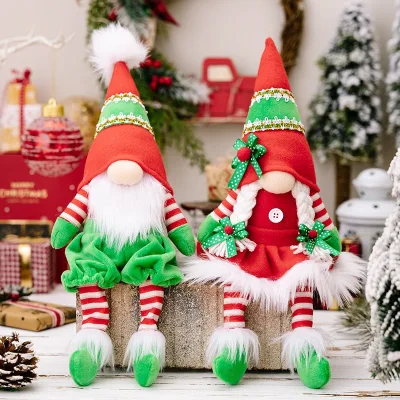
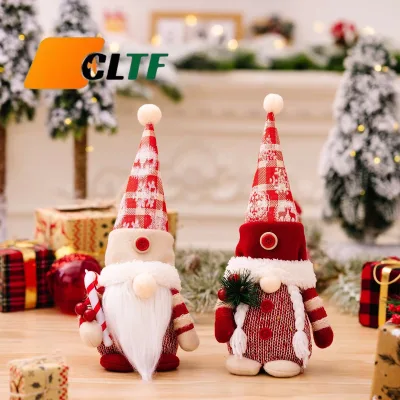
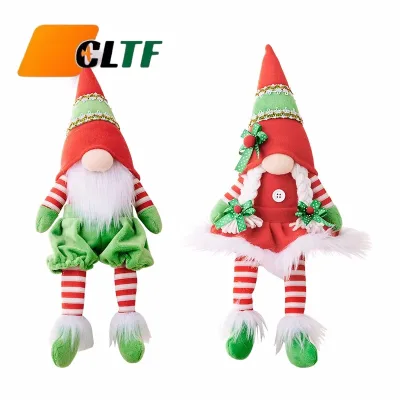
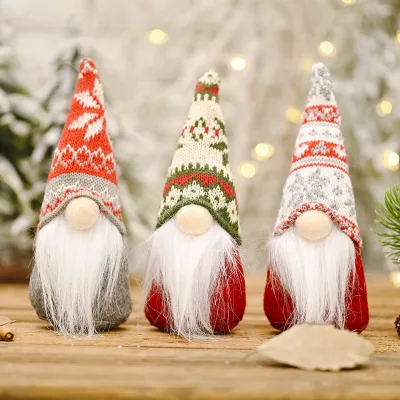



Comprehensive Sourcing Guide
Sourcing Guide for Swedish Forest Plush Gnome Decorations
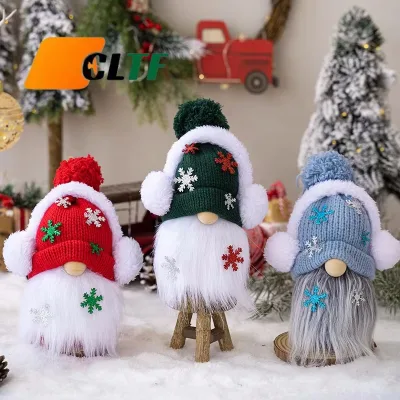
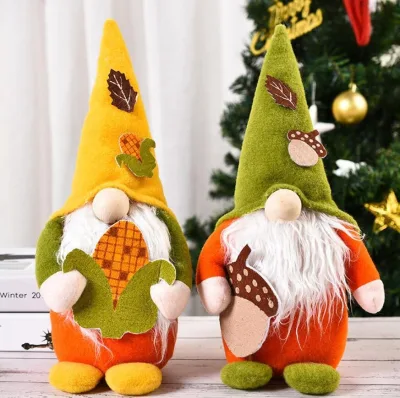
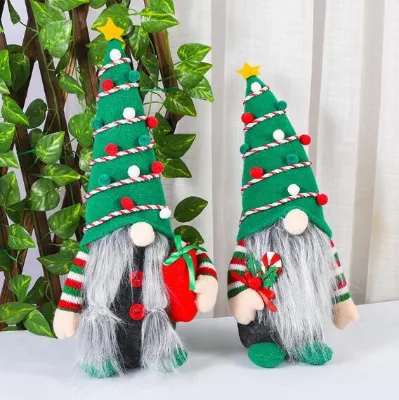
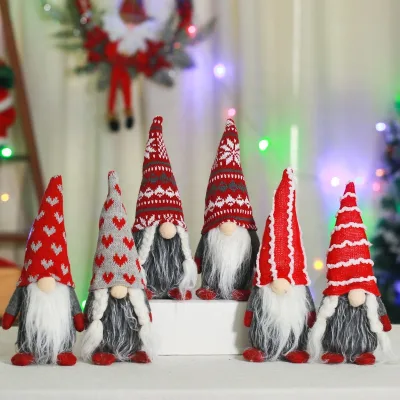
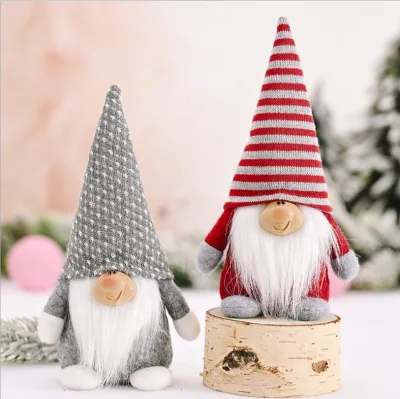
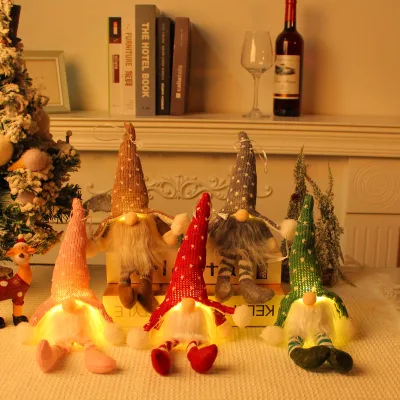
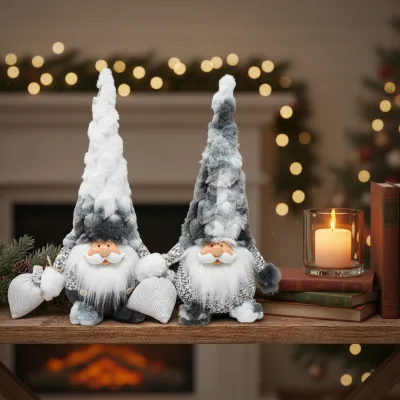
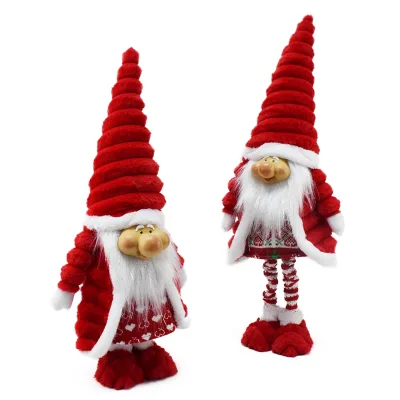
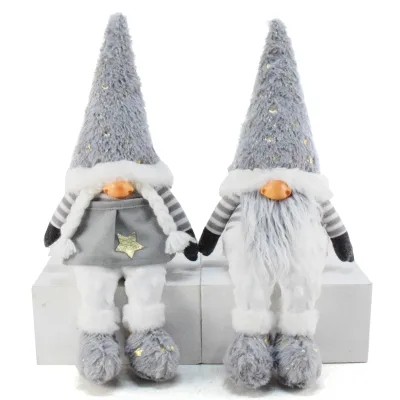
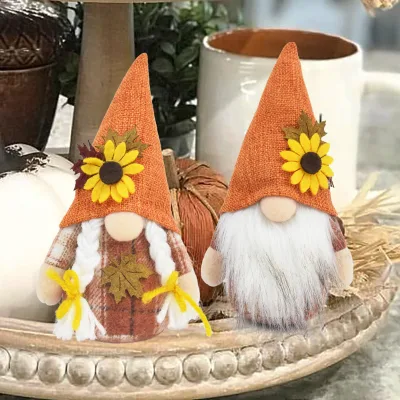
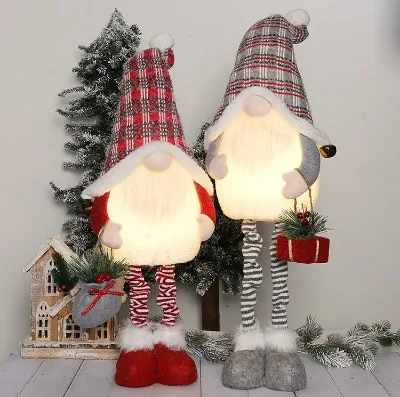
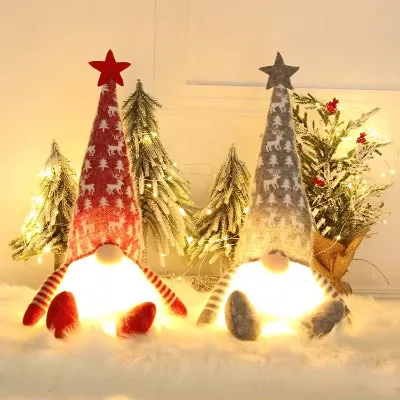
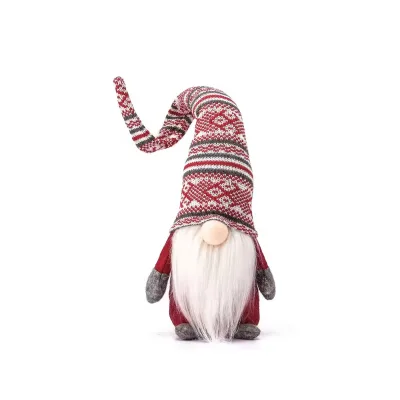
The term "Swedish Forest Plush Gnome" in a B2B procurement context typically refers to a specific aesthetic of holiday decor characterized by rustic, handcrafted appearances, often utilizing natural fiber textures, earthy color palettes, and whimsical silhouettes. While the supplied product data does not explicitly label items as "Swedish forest" style, it provides a robust foundation of verified attributes for plush gnomes that align with this category. These items are generally defined by their knitted or fabric construction, specific dimensional profiles, and their primary function as Christmas home decorations. Buyers must navigate the distinction between marketing descriptors and the actual physical specifications provided by manufacturers to ensure the final product matches the intended "forest" aesthetic. The following guide details the technical, commercial, and quality parameters essential for sourcing these items effectively.
Technical Specifications and Dimensional Analysis
When evaluating plush gnomes, the physical dimensions and material composition are the primary determinants of the product's visual weight and suitability for specific display environments. The supplied data indicates a variety of size profiles, ranging from compact decorative pieces to larger statement items. For instance, one observed specification lists a size of 281613cm, while another variant measures 252013cm. These dimensions suggest a standard gnome silhouette, likely featuring a pointed hat and a rounded body, which is consistent with the traditional Scandinavian design influence. However, other entries in the dataset present significantly different dimensions, such as 308 cm or 197 cm, which may represent smaller, tabletop ornaments or specific body-part components rather than full-body figures.
The material composition is equally critical for achieving the "forest" aesthetic. The data confirms that these products are constructed from "Knitting+Fabric," "Fabric," or "Cloth." This combination allows for the creation of textured beards and hats, often mimicking the look of wool or natural fibers found in a forest setting. The weight of the individual items varies, with recorded values of 130 g, 200 g, and 75 g. These weight differences correlate with the size and density of the stuffing, which buyers should verify to ensure the product feels substantial enough for its intended use. For example, a 130 g item with dimensions of 281613cm suggests a denser stuffing compared to a 75 g item measuring 19*7 cm.
The packaging dimensions also play a significant role in logistics planning. The single package size varies widely, with observations of 50X50X50 cm, 35X10X10 cm, and 30X20X20 cm. The larger 50X50X50 cm package likely contains a bulk shipment or a larger, more complex unit, whereas the 35X10X10 cm package suggests a more streamlined, single-item unit. Understanding these variances is essential for calculating shipping costs and warehouse storage requirements. The data also notes a single gross weight ranging from 1.000 kg to 3.000 kg, which includes the product weight plus packaging materials. This discrepancy between net weight (e.g., 130 g) and gross weight (e.g., 3.000 kg) highlights the importance of the packaging method, which is listed as "Opp Bag" for some items, indicating a simple polyethylene bag that may not provide sufficient protection for fragile components without additional boxing.
Compliance, Certification, and Safety Verification
In the realm of holiday decorations, particularly those intended for home use and potentially handled by children, compliance with safety standards is a non-negotiable aspect of procurement. While the supplied product facts do not explicitly list certifications such as CE, ASTM, or EN71, the absence of this data does not imply non-compliance; rather, it indicates that the buyer must actively verify these status points with the supplier. Plush toys and decorations often fall under strict regulations regarding flammability, chemical content (such as lead or phthalates), and mechanical safety (such as small parts that could be a choking hazard).
Buyers should request specific test reports from the manufacturer to confirm adherence to the safety standards of the target market. For example, if the product is being imported into the European Union, compliance with the General Product Safety Regulation (GPSR) and specific toy safety directives is mandatory. In the United States, the Consumer Product Safety Improvement Act (CPSIA) requires testing for lead and phthalates. The data mentions a "Feature: Waterproof," which is an interesting attribute for a fabric product. Buyers must verify the validity of this claim through independent testing, as "waterproof" in the context of plush materials can range from water-resistant coatings to fully sealed construction. This feature may be relevant for outdoor use or for cleaning purposes, but it must be substantiated with performance data to avoid misleading end-users.
Furthermore, the "Place of Origin" is listed as Hunan, China. This geographical information is useful for supply chain mapping but does not inherently dictate compliance levels. Buyers should ensure that the factory in Hunan has a history of exporting to the target region and maintains a quality management system that aligns with international standards. The "Brand Name" varies between "CLTF" and "Chenwang," suggesting that different suppliers or product lines may have different compliance histories. It is imperative to treat each brand and model number (such as J-130, J-027, J-029, J-134) as a distinct entity requiring its own compliance verification.
Cost Drivers and Pricing Dynamics
The pricing structure for plush gnomes is influenced by several key factors, including material costs, labor intensity, and order volume. The observed price range in the dataset spans from 0.69 to 11.56 USD. This wide variance suggests a significant difference in product complexity, quality, and scale. The lower end of the spectrum, around 0.69 USD, likely corresponds to smaller, simpler items with minimal stuffing and basic fabric construction, such as the 75 g, 19*7 cm model. Conversely, the higher end, approaching 11.56 USD, may reflect larger, more intricate designs with premium materials, additional features like waterproofing, or more complex packaging requirements.
The Minimum Order Quantity (MOQ) is another critical cost driver. The data shows an MOQ range of 2 to 1000 units, with specific observations of 50 pcs and 100 pcs. A lower MOQ of 2 units might indicate a sample order or a drop-shipping arrangement, while an MOQ of 1000 pcs suggests a bulk manufacturing run that benefits from economies of scale. Buyers must balance their inventory needs against the MOQ to optimize cash flow. For instance, an order of 50 units at a higher unit price might be more cost-effective than an order of 1000 units at a lower unit price if the buyer has limited storage space or is testing a new market.
Labor costs in the manufacturing region (Hunan) also play a role in the final price. The "Knitting+Fabric" construction implies a degree of manual assembly, which can be more expensive than fully automated production. The "Single Gross Weight" of up to 3.000 kg for a single package indicates that shipping costs will be a significant portion of the total landed cost, especially for heavier items. Buyers should calculate the total cost of ownership, including freight, duties, and insurance, rather than focusing solely on the unit price. The "Selling Units" are listed as "Single item," which simplifies the pricing model but requires careful aggregation for bulk orders.
Typical Applications and Market Positioning
The primary application for these products is clearly defined in the data as "Christmas Home Decoration" and "Christmas Festival Decorations." The "Usage" field explicitly states "Christamas Home Decoration" and "Christmas Decoration," confirming their seasonal nature. The "Style" is described as "Modern," which suggests that these gnomes are designed to fit into contemporary interior design trends while retaining traditional festive elements. The "Shape" is identified as "Doll," indicating a humanoid form that is versatile for placement on mantels, shelves, or tables.
The "Color" options vary, with some products offering "Picture Shows" (implying a specific, perhaps custom, color scheme), while others list specific colors like "Red-1, Red-2," "Mixed Color-1, Mixed Color-2," "1,2,3," and "Red, Green, Blue." This variety allows buyers to cater to different consumer preferences, from those seeking classic red and green holiday themes to those preferring mixed or neutral palettes. The "Keywords" such as "Artificial Christmas Ornament" and "Gnome Home Decor" further reinforce the product's identity as a decorative accessory rather than a functional item.
The "Product Type" is consistently listed as "Christmas Home Decor" or "Christmas Decor for Home," positioning these items in the broader home goods category. This positioning is crucial for marketing and distribution strategies. Buyers should consider how these gnomes will be displayed in retail environments and whether they will be sold as standalone items or as part of a larger holiday collection. The "Feature: Waterproof" could expand the application to outdoor use, such as garden decorations, provided the claim is verified. However, the primary market remains indoor home decoration, where the "Modern" style and "Knitting+Fabric" texture appeal to consumers looking for cozy, rustic aesthetics.
Supplier Evaluation and Quality Control
Evaluating suppliers for plush gnomes requires a multi-faceted approach that goes beyond price and MOQ. The data indicates that multiple models exist under different brand names (CLTF, Chenwang) and model numbers (J-130, J-027, J-029, J-134). This suggests that a single supplier may offer a diverse catalog, or that different suppliers are offering similar products under different branding. Buyers should verify the production capacity and quality control processes of the specific factory associated with each model.
Quality control should focus on the consistency of the "Knitting+Fabric" construction. Buyers must inspect samples for loose threads, uneven stitching, and secure attachment of facial features or accessories. The "Weight" variance (75 g to 200 g) should be within a tight tolerance to ensure product uniformity. For example, a batch of 100 units labeled as 130 g should not have significant deviations that affect the perceived quality. The "Packing" method, listed as "Opp Bag," should be evaluated for durability. While OPP bags are cost-effective, they may not provide sufficient protection against crushing or moisture during transit. Buyers should consider requesting reinforced packaging or additional boxing to prevent damage.
The "Single Package Size" and "Single Gross Weight" are critical for logistics planning. A supplier that consistently provides accurate packaging dimensions and weights will reduce the risk of shipping errors and unexpected freight charges. Buyers should also verify the "Lead Time" and "Location" (Hunan) to ensure that the supply chain can meet delivery deadlines, especially during the peak holiday season. The "MOQ" flexibility is another factor; a supplier willing to accommodate lower MOQs for initial orders may be more suitable for testing new markets, while a supplier with higher MOQs may offer better pricing for established volume.
Long-Term Procurement Considerations
Sourcing plush gnomes is not a one-time transaction but part of a long-term supply chain strategy. Buyers should consider the scalability of the supplier's production capabilities. As demand for "Swedish forest plush gnomes" grows, the supplier must be able to increase output without compromising quality. The "Material" consistency is key; the supplier should be able to source high-quality "Fabric" and "Knitting" materials that maintain their texture and color over time.
Sustainability is an increasingly important factor in procurement. While the data does not explicitly mention eco-friendly materials, buyers should inquire about the environmental impact of the "Fabric" and "Knitting" processes. Are the materials recyclable? Are the dyes non-toxic? These questions are relevant given the "Feature: Waterproof" claim, which may involve chemical treatments. Buyers should also consider the end-of-life disposal of the products, as plush items are often discarded after the holiday season.
Finally, the "Brand Name" and "Model Number" stability are important for long-term relationships. A supplier that maintains consistent branding and model numbering will make it easier for buyers to track inventory and manage reorders. The "Color" options should also be stable, with the supplier able to reproduce specific shades like "Red, Green, Blue" consistently across batches. By focusing on these long-term factors, buyers can build a resilient supply chain that delivers high-quality, festive decorations year after year.
FAQs
What materials are used for Swedish forest plush gnomes?
These gnomes are constructed from knitting, fabric, and cloth materials. The combination allows for textured beards and hats that mimic natural fibers found in a forest setting, ensuring a rustic and handcrafted appearance suitable for holiday decor.
How large are the standard Swedish Forest Plush Gnome decorations?
Standard sizes vary from compact 19*7 cm ornaments to larger 28*16*13 cm figures. Specific dimensions like 30*8 cm or 25*20*13 cm are also available, allowing buyers to select the appropriate visual weight for their display environment.
Which minimum order quantities apply to these plush gnome products?
Minimum order quantities range from 2 units for samples up to 1000 units for bulk manufacturing. Specific listings show MOQs of 50 pcs or 100 pcs, requiring buyers to balance inventory needs against order volume to optimize cash flow effectively.
Can these gnomes be used for outdoor Christmas decoration purposes?
Some models feature a waterproof attribute, which may support outdoor use or easier cleaning. However, buyers must verify this claim through independent testing to ensure the fabric construction is sufficiently sealed against moisture for garden or exterior applications.
What is the typical price range for sourcing these holiday decorations?
The observed price range spans from 0.69 USD to 11.56 USD per unit. Lower prices typically correspond to smaller, simpler items with minimal stuffing, while higher prices reflect larger, intricate designs with premium materials and complex packaging requirements.
Where are these Swedish forest plush gnomes manufactured and shipped from?
The place of origin for these products is Hunan, China. This geographical information helps in supply chain mapping, though buyers must verify that the specific factory maintains quality management systems aligned with international safety and compliance standards.