Source Swing Beam Guillotine Shear for Steel Fabrication
Find 30 Swing Beam Guillotine Shear units from verified Chinese manufacturers. Compare specifications including cutting thickness, width, and automation levels for stainless steel, carbon steel, and aluminum processing needs.
Key considerations
Products List


$1000.00 - $100000.00
MOQ: 1 Pieces


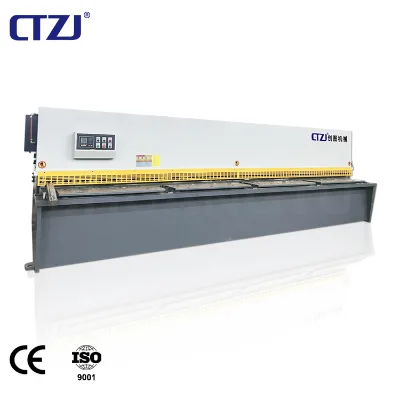
Hydraulic Guillotine Sheet Metal Shearing Machine Plate Cutting Swing Beam Shears
$4000.00 - $10000.00
MOQ: 1 Pieces




Comprehensive Sourcing Guide
Strategic Sourcing Guide for Swing Beam Guillotine Shear Systems
The global industrial landscape relies heavily on precision metal cutting solutions, with the Swing Beam Guillotine Shear standing as a critical asset for manufacturing facilities handling sheet metal. This guide provides a comprehensive, evidence-based framework for buyers evaluating these machines. The analysis draws strictly from observed market data and verified product attributes to ensure procurement decisions are grounded in factual reality rather than speculative marketing claims. Buyers must navigate a complex array of technical specifications, compliance requirements, and operational parameters to select equipment that aligns with their specific production needs.
Technical Architecture and Operational Specifications
Understanding the mechanical architecture of a swing beam shear is the first step in the sourcing process. These machines utilize a hydraulic system where the upper blade swings down to cut the material, offering a distinct advantage over rigid beam designs by reducing the force required for cutting. The observed product data indicates a high degree of variability in cutting capacity, with specific models supporting thicknesses ranging from 8mm to 25mm. For instance, specific model configurations such as the QC11Y-25X4000 are designed for heavier-duty applications with a 25mm cutting thickness and a 4000mm cutting width. Conversely, lighter industrial tasks may be served by models like the QC11K-16X4000, which handles 16mm thickness, or the QC12K-12X3200, optimized for 12mm thickness with a 3200mm width.
The automation level is a pivotal differentiator in the current market. Data reveals a split between semi-automatic and fully automatic systems. The semi-automatic variants often feature hydraulic adjustment for blade clearance and motor-driven cutting angle adjustments, controlled by systems like the E21S. In contrast, fully automatic models, such as those branded by HAVEN, integrate advanced control systems like the E200 from Estun, ensuring higher precision and repeatability. The power supply requirements are generally standardized at 380V/50Hz/3pH, though suppliers indicate flexibility to accommodate specific demand variations.
Material compatibility is another critical technical factor. The machinery is engineered to process a diverse range of metals, including stainless steel, carbon steel, alloy steels, aluminum, and copper. The core components driving these operations typically include bearings, motors, pumps, gears, PLCs, and pressure vessels. The physical layout is predominantly horizontal, with dimensions varying significantly based on capacity; for example, an 8mm capacity unit may have a footprint of 304017001700mm and a total weight of 7.4 tons. Buyers must verify that the machine's physical dimensions and weight capacity align with their facility's floor load limits and spatial constraints.
Compliance, Certification, and Regulatory Standards
In the international B2B market, regulatory compliance is non-negotiable. The observed product data consistently highlights adherence to major international standards. The most frequently cited certifications include CE and ISO 9001. Specific entries note the presence of SGS certification alongside CE and ISO standards, indicating a robust quality management system. It is essential for buyers to understand that while "CE" and "ISO 9001" appear frequently in product listings, these represent the manufacturer's declaration of conformity. The standard "CE Standard" and "ISO 9001-2008" are explicitly mentioned in the context of product standards, suggesting that the machinery is designed to meet European safety directives and quality management benchmarks.
However, buyers must exercise due diligence. The presence of a certification label on a product page does not guarantee that every unit in a batch holds that specific certification status without independent verification. The observed data lists "CE, ISO 9001:Condition:New" and "CE, SGS, ISO" as standard attributes, but the specific version of the ISO standard (e.g., 2008 vs. newer iterations) should be confirmed. Furthermore, the product origin is identified as China, which necessitates a thorough review of the specific export documentation and the validity of the certifications for the destination country. Regulatory bodies in the European Union, North America, and other regions may have additional requirements beyond the basic CE mark.
Cost Drivers and Economic Factors
The pricing landscape for swing beam guillotine shears is characterized by extreme variance, with observed listed prices ranging from 1 USD to 100,000 USD. This wide spectrum reflects differences in automation levels, cutting capacity, brand reputation, and the inclusion of advanced control systems. The minimum order quantity (MOQ) observed is remarkably low, ranging from 1 to 2 units, which suggests a flexible procurement environment suitable for both small workshops and large industrial plants.
Several factors drive the cost of these machines. The automation level is a primary driver; fully automatic models with Estun E200 controllers command a premium over semi-automatic units with E21S systems. The cutting capacity also influences price, with machines capable of handling 25mm thickness costing significantly more than those limited to 8mm or 12mm. The brand of the machine, such as HAVEN, and the quality of core components like the PLC and hydraulic pump also contribute to the final cost. Additionally, customization options, which are listed as available, will invariably increase the price. Buyers should be aware that the "as your demand" attribute for power supply and machine color implies that custom configurations are possible but may incur additional charges or extended lead times.
Typical Applications and Material Processing
Swing beam guillotine shears are versatile tools designed for a wide array of metal fabrication applications. The primary application is the shearing of sheet metal prior to bending or punching operations. The observed data specifies applications in stainless steel fabricating, bending, and punching. The machines are suitable for processing brass, copper, stainless steel, alloy, and carbon steel, making them indispensable in industries ranging from automotive manufacturing to construction and general metalworking.
The cutting mode is identified as "Saw Cutting" in some contexts, though the primary mechanism is hydraulic guillotine shearing. The ability to adjust the cutting angle via motor and blade clearance via hydraulic systems allows for precise cuts on various material thicknesses. This flexibility makes the equipment ideal for job shops that handle diverse orders requiring different cut lengths and angles. The horizontal layout and specific dimensions (e.g., 304017001700mm) suggest that these machines are designed for stationary industrial environments rather than portable or mobile applications.
Supplier Evaluation and Vendor Selection
When evaluating suppliers, buyers must look beyond the product listing and assess the vendor's capability to support the machinery throughout its lifecycle. The observed data indicates that suppliers offer "Engineers Available to Service Machinery Overseas," a critical feature for international buyers who cannot rely on local support. This service provision is a key differentiator in the supplier evaluation process.
Buyers should verify the supplier's track record regarding the "Condition: New" status of the machines. While the listings consistently state the condition is new, independent verification of the manufacturing date and the history of the specific unit is prudent. The customization availability suggests that suppliers are willing to tailor machines to specific needs, but this requires clear communication and detailed technical specifications. The "Sea Worthy Fixed by Wire Rope, Wooden Blocks" packing standard indicates a commitment to safe transport, which is vital for heavy machinery weighing up to 7.4 tons.
Quality Control and Inspection Protocols
Quality control is paramount when sourcing heavy industrial machinery. The observed data lists "CE, ISO, SGS" as product standards, which implies a baseline for quality assurance. However, buyers should implement their own inspection protocols. The core components, including bearings, motors, pumps, gears, and PLCs, should be inspected for brand authenticity and condition. The "Plastic Covering" and "Wooden Box" packing methods vary by model, and the buyer should ensure the packing method matches the shipping requirements to prevent damage during transit.
Inspection should also cover the control system. For models utilizing the E200 from Estun or E21S systems, functional testing is necessary to ensure the automation logic operates correctly. The hydraulic system, responsible for blade clearance and cutting angle adjustments, must be tested for leaks and pressure stability. The warranty period, observed as 1 year or 12 months, provides a baseline for quality assurance, but buyers should negotiate terms that cover critical components like the PLC and hydraulic pump.
Long-Term Procurement and Lifecycle Management
Long-term procurement considerations extend beyond the initial purchase price. The "Warranty: 1 Year" and "Warranty: 12 Month" observations highlight the standard coverage period, but buyers should plan for post-warranty maintenance. The availability of overseas engineers is a significant asset for long-term support, reducing downtime in the event of mechanical failure. The "After-Sales Service Provided" attribute suggests that suppliers are committed to ongoing support, but the scope and cost of this service should be clearly defined in the contract.
Buyers should also consider the adaptability of the machine to future production needs. The "Customization: Available" and "Customized" attributes indicate that the machines can be modified for specific tasks, extending their useful life. The power supply flexibility ("380V/50Hz/3pH or as your demand") ensures that the machine can be integrated into various electrical grids without extensive retrofitting. Finally, the "Automatic Grade: Automatic" and "Automation: Semi-Automatic" distinctions suggest that buyers should plan for operator training, as the complexity of the control systems will vary.
Comparative Analysis of Key Specifications
To assist in decision-making, the following table summarizes the key specifications observed in the market for swing beam guillotine shears. This comparison highlights the variance in capacity, control systems, and certifications available to buyers.
| Specification Category | Model A (Heavy Duty) | Model B (Medium Duty) | Model C (Light Duty) |
|---|---|---|---|
| Model Number | QC11Y-25X4000 | QC11K-16X4000 | QC12K-12X3200 |
| Cutting Thickness | 25mm | 16mm | 12mm |
| Cutting Width | 4000mm | 4000mm | 3200mm |
| Automation Level | Semi-Automatic | Automatic | Automatic |
| Control System | E21S | E200 (Estun) | E200 (Estun) |
| Certifications | CE, ISO 9001 | CE, ISO 9001 | CE, SGS, ISO |
| Material Processed | Stainless, Carbon, Alloy | Stainless, Carbon, Alloy | Stainless, Carbon, Alloy |
| Packing | Plastic Covering | Plastic Covering | Wooden Box |
| Warranty | 1 Year | 1 Year | 12 Month |
This table illustrates that while the core function remains consistent, the specific configuration of the machine dictates its suitability for different industrial applications. Buyers must align their production requirements with these specifications to ensure optimal performance and return on investment.
Conclusion
Sourcing a Swing Beam Guillotine Shear requires a meticulous approach that balances technical specifications, compliance requirements, and long-term operational needs. The market offers a wide range of options, from semi-automatic models for general fabrication to fully automatic systems with advanced PLC control for high-precision environments. By adhering to the evidence-based guidelines outlined in this guide, buyers can navigate the complexities of the global market, verify supplier claims, and select machinery that meets their specific production demands. The focus on verified standards, component quality, and after-sales support ensures that the procurement process results in a reliable asset capable of sustaining industrial operations for years to come.
FAQs
What automation levels are available for swing beam guillotine shears?
Both semi-automatic and fully automatic models are available in the market. Semi-automatic units often use hydraulic blade clearance adjustment with motor-driven angles, while automatic systems feature advanced PLC controllers like Estun E200 for higher precision and repeatability.
Which certifications do Swing Beam Guillotine Shear manufacturers typically hold?
Most listed machines carry CE and ISO 9001 certifications, with some also including SGS standards. These certifications indicate compliance with international safety and quality management benchmarks, though buyers should verify specific standard versions like ISO 9001-2008 for their region.
How thick can swing beam guillotine shears cut different metal types?
Cutting thickness ranges from 8mm to 25mm depending on the specific model configuration. These machines are designed to process stainless steel, carbon steel, alloy, aluminum, and copper, with heavier duty models supporting up to 25mm thickness.
Can buyers customize the power supply and color of the machine?
Yes, customization is available for power supply and machine color to meet specific demand. Standard power is typically 380V/50Hz/3pH, but suppliers offer flexibility for alternative requirements, which may impact pricing and lead times.
What warranty and after-sales support are provided for these machines?
Standard warranty periods are typically 1 year or 12 months for the machinery. Suppliers often provide engineers available to service machinery overseas, ensuring long-term operational support for international buyers who cannot rely on local maintenance teams.
Which control systems are used in automatic swing beam shear models?
Automatic models frequently utilize control systems such as the E200 from Estun or the E21S system. These systems manage the hydraulic and motor adjustments required for precise cutting angles and blade clearance, ensuring consistent performance across various metal fabrication tasks.