Source Synephrine Powder for Cosmetics, Food, and Medicine
Find 30 suppliers offering Synephrine Powder with specifications ranging from 98% to 99% purity. Buyers can compare applications in cosmetics, food, and health care products alongside certifications like ISO and GMP.
Key considerations
Products List
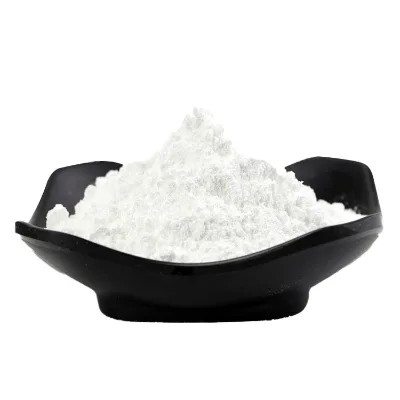
High Quality CAS 5985-28-4 Synephrine Hydrochloride Synephrine HCl Synephrine Powder
$127.75 - $183.95
MOQ: 1 Minimum


Comprehensive Sourcing Guide
Strategic Sourcing Guide for Synephrine Powder Procurement
Understanding Product Specifications and Chemical Identity
When initiating a procurement strategy for Synephrine Powder, the first step is a rigorous definition of the chemical identity and physical attributes. The core product is identified as Synephrine Hydrochloride, often listed under the synonym Synephrine HCl. This substance is chemically defined by the molecular formula C9H14ClNO2 and carries the CAS No. 5985-28-4 and EINECS No. 227-804-6. These identifiers are critical for ensuring that the supplier provides the exact isomer and salt form required for your formulation, as variations in chemical structure can significantly alter efficacy and regulatory status.
Physically, the product is consistently observed as a white powder. This appearance is a primary visual indicator of quality and purity, serving as an initial checkpoint during the receiving process. The state of the material is uniformly powder, which dictates specific handling and storage requirements to prevent clumping or degradation. Buyers must verify that the "Appearance" and "Color" specifications align with the white powder description, as deviations may indicate contamination or improper synthesis.
The chemical purity is a major differentiator in the market. Available data indicates purity levels ranging from 98% to 99%, with some specifications noting a content of active substances greater than 90%. When sourcing, it is essential to distinguish between the assay method used to determine these figures. The industry utilizes both HPLC (High-Performance Liquid Chromatography) and UV (Ultraviolet) spectroscopy for assay methods. HPLC is generally preferred for higher precision in identifying impurities, while UV is a standard method for bulk content verification. Procurement contracts should explicitly state which assay method will be used for the Certificate of Analysis (COA) to ensure the reported purity is accurate and comparable across different batches.
Regulatory Compliance and Certification Verification
Navigating the regulatory landscape is paramount for Synephrine Powder, as its application spans multiple industries including cosmetics, food, and pharmaceuticals. The certification landscape for this product is diverse, reflecting its versatility. Suppliers may hold ISO9001 for quality management and ISO22000 for food safety management systems. Additionally, religious dietary certifications such as HALAL and KOSHER are frequently observed, which is crucial for markets with specific dietary restrictions.
For products intended for the North American market, FDA registration or compliance is a key requirement. Some suppliers also list certifications including BP (British Pharmacopoeia), USP (United States Pharmacopeia), GMP (Good Manufacturing Practice), and HSE (Health, Safety, and Environment). The presence of ISO and CE certifications is noted in broader market contexts, though buyers must verify the specific scope of these certifications for the synephrine product line, as they may apply to the facility rather than the specific chemical batch.
Documentation is a critical component of compliance. Buyers should expect a comprehensive COA (Certificate of Analysis) and MSDS (Material Safety Data Sheet) for every shipment. These documents must confirm the product's grade, whether it is classified as Food Grade or intended for Medicine and Health Care Products. The "Grade" specification is vital; a product suitable for cosmetics may not meet the stringent purity and impurity limits required for internal human consumption or pharmaceutical applications. Therefore, the certification checklist must be tailored to the specific end-use of the Synephrine Powder in the buyer's final product.
Cost Drivers and Pricing Dynamics
The pricing structure for Synephrine Powder is influenced by several variables, including purity, packaging, and order volume. The observed market price range is extensive, spanning from $0.38 to $990 per unit. This wide disparity often reflects the difference between small sample quantities and bulk industrial drums, as well as variations in purity levels and certification costs.
The Minimum Order Quantity (MOQ) is a significant cost driver. Data indicates an MOQ range from 1 unit up to 500 units, with specific listings showing an MOQ of 1kg. Buyers must align their procurement volume with the supplier's capacity to meet these thresholds. Ordering below the MOQ may result in significantly higher per-unit costs or the unavailability of the product. Conversely, ordering in bulk often unlocks lower pricing tiers but requires robust storage infrastructure.
Packaging also impacts the final cost. Synephrine Powder is typically supplied in bottles, drums, or vacuum-packed bags. Standard packaging standards include 1kg per bag or 25kg per drum. The choice between a single-item bottle for R&D and a 25kg drum for production affects the logistics and handling costs. Furthermore, the material of the packaging, such as plastic drums or aluminum foil bags, plays a role in preserving the product's stability and may add to the unit cost. Buyers should calculate the total landed cost, including packaging waste and handling fees, rather than focusing solely on the base price per kilogram.
Typical Applications and Formulation Considerations
Synephrine Powder is a versatile intermediate with applications across the cosmetic, food, and health care sectors. Its primary use cases include formulation as a dietary supplement, a cosmetic active ingredient, and a pharmaceutical intermediate. The product is specifically noted for use in capsules and tablets, indicating its suitability for oral administration in health care products.
In the cosmetic industry, the application is often linked to skin care formulations where the active properties of synephrine are utilized. For food and health care products, the "Food Grade" designation is essential. The product is suitable for adult consumption, but specific formulation guidelines must be followed to ensure safety and efficacy. The "Resource" attribute indicates that the material can be sourced as natural, which is a growing demand in the clean-label market.
The application form dictates the processing requirements. Whether the powder is intended for direct encapsulation or as an intermediate for further synthesis affects the required particle size and flowability. Buyers should verify if the supplier offers customization services to tailor the product to specific application forms. The "Customization" attribute is listed as available, suggesting that suppliers may offer modified specifications or packaging to meet unique client needs. Understanding the end-use is critical for selecting the correct grade and purity, as a cosmetic-grade product may contain different impurity profiles than a pharmaceutical-grade equivalent.
Supplier Evaluation and Operational Capabilities
Evaluating a potential supplier for Synephrine Powder requires a deep dive into their operational capabilities and logistical reliability. The place of origin is a key factor, with Shaanxi, China, being a prominent production hub. This location influences the supply chain dynamics, including lead times and shipping costs. Buyers should verify the specific production facility's location to assess proximity to ports and logistics networks.
Stock availability is a critical operational metric. Some suppliers indicate "Stock: Yes," which implies immediate availability and shorter lead times. In contrast, other suppliers may operate on a make-to-order basis with lead times extending beyond a week. The standard delivery window observed is within one week for stocked items, but this can vary based on order volume and destination. Buyers must confirm the "Delivey" (Delivery) terms explicitly, as delays can disrupt production schedules.
The supplier's ability to provide a COA and MSDS is a baseline requirement for quality assurance. The "Centifiaction" (Certification) list includes ISO, COA, and MSDS, which are standard documents for chemical procurement. Buyers should also assess the supplier's responsiveness to customization requests, as the "Customized" attribute suggests flexibility in product specifications. A reliable supplier will provide transparent information regarding their production capacity, quality control processes, and ability to scale with the buyer's demand.
Quality Control and Long-Term Procurement Strategy
Ensuring consistent quality is the cornerstone of a successful procurement strategy for Synephrine Powder. The "Quality" attribute is often described as "Top Quality," but this is a subjective claim that must be validated through objective testing. The primary quality control metric is the assay method, with HPLC and UV being the standard techniques. Buyers should insist on a COA generated using the same assay method as the specification claim to ensure data integrity.
Storage conditions are vital for maintaining product integrity. The recommended storage method is a "Cool Dry Place," with a shelf life of 2 years. Some specifications list a "Normal" storage method, but the general consensus for this chemical is to avoid moisture and heat to prevent degradation. The packaging, whether in bottles, drums, or vacuum-packed bags, must be designed to protect the powder from humidity and light. The "prod_packing" and "prod_standard" details, such as 25kg drums or 1kg bags, should be inspected for integrity upon receipt.
Long-term procurement requires a focus on consistency and supply chain resilience. The "Standard" specification often ranges from 10% to 98% or fixed at 98%, and buyers must ensure that the supplier can maintain this consistency over multiple batches. The "prod_model" identifiers, such as 0024, L005, or HB-Synephrine HCL, serve as unique references for specific product grades. Maintaining a relationship with a supplier who can consistently meet these model specifications is crucial for product stability.
Buyers should also consider the "Type" of the material, classified as Syntheses Material Intermediates. This classification implies that the product may be used in further chemical synthesis, requiring high levels of purity and specific impurity profiles. Establishing a long-term contract with clear quality benchmarks, including regular third-party testing, is recommended to mitigate the risk of batch-to-batch variability.
Comparative Analysis of Product Attributes
To facilitate decision-making, the following table summarizes the key attributes observed in the market for Synephrine Powder. This comparison helps buyers identify the specific requirements that align with their operational needs.
| Attribute Category | Common Observation | Verification Requirement |
|---|---|---|
| Chemical Identity | Synephrine Hydrochloride (CAS 5985-28-4) | Confirm CAS and EINECS numbers on COA |
| Physical Appearance | White Powder | Visual inspection upon receipt |
| Purity/Assay | 98% - 99% (Active >90%) | Verify Assay Method (HPLC or UV) |
| Certifications | ISO9001, ISO22000, HALAL, KOSHER, FDA | Check scope of certification for product |
| Packaging | Bottle, Drum, Vacuum Packed (25kg/Drum) | Confirm packaging integrity and material |
| Storage | Cool Dry Place | Ensure logistics partner meets storage needs |
| Shelf Life | 2 Years | Check production date and expiry on batch |
| Origin | Shaanxi, China | Verify facility location and export compliance |
| MOQ | 1kg - 500 units | Align order volume with supplier capacity |
This structured approach to sourcing ensures that buyers can navigate the complexities of the Synephrine Powder market with confidence. By focusing on verified specifications, robust certification checks, and clear quality control protocols, procurement teams can secure a reliable supply of high-quality synephrine for their diverse applications.
FAQs
What is the chemical identity of Synephrine Powder?
The product is Synephrine Hydrochloride with CAS No. 5985-28-4 and EINECS No. 227-804-6. Its molecular formula is C9H14ClNO2, and it appears as a white powder suitable for various industrial applications.
Which certifications are available for this product?
Suppliers offer ISO9001, ISO22000, HALAL, KOSHER, FDA, USP, BP, and GMP certifications. Buyers must verify that the specific certification scope covers the intended application, such as food or medicine.
How is the purity of Synephrine Powder determined?
Purity is typically measured at 98% or 99% using HPLC or UV assay methods. The Certificate of Analysis must specify the method used to ensure the reported active substance content exceeds 90%.
What packaging options are available for bulk orders?
Standard packaging includes 1kg bags, 25kg drums, and vacuum-packed aluminum foil bags. Buyers can also request custom packaging in bottles or carton boxes depending on their specific logistical needs.
Can suppliers provide customized specifications for this product?
Yes, customization is available for specifications, packaging, and application forms like capsules or tablets. Buyers should confirm if the supplier can adjust purity levels or modify the product model to fit their requirements.
What is the typical delivery time for stocked items?
Stocked items can be delivered within one week. However, lead times may vary based on order volume and specific shipping arrangements, so buyers should confirm availability before placing an order.
Where is the production origin for this chemical?
The place of origin is Shaanxi, China, which is a prominent production hub for this material. Buyers should verify the specific facility location to assess logistics and supply chain reliability.