Source heavy equipment edge-segment for Dozers, Excavators, and Loaders
Find and compare 30 heavy equipment edge-segment options from verified Chinese suppliers. Buyers can evaluate specifications like material, hardness, and dimensions for applications in dozers, excavators, and loaders before requesting quotes.
Key considerations
Products List


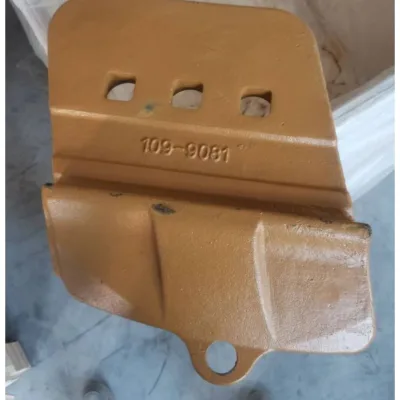
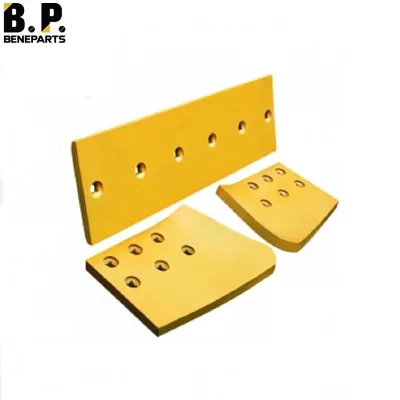
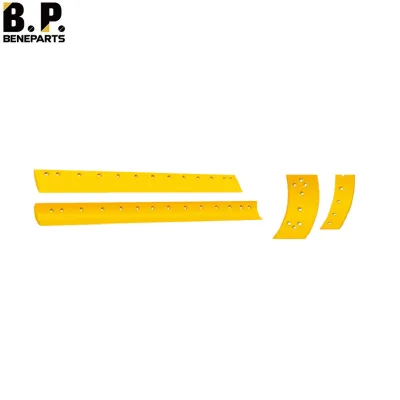
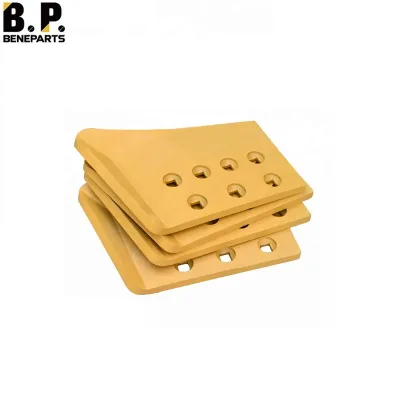


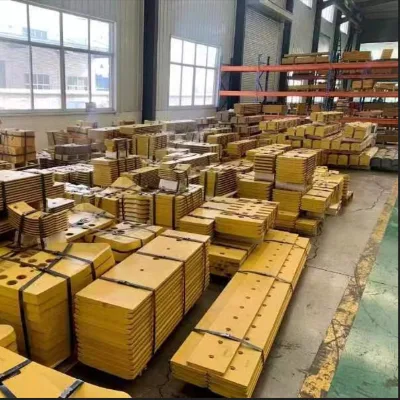


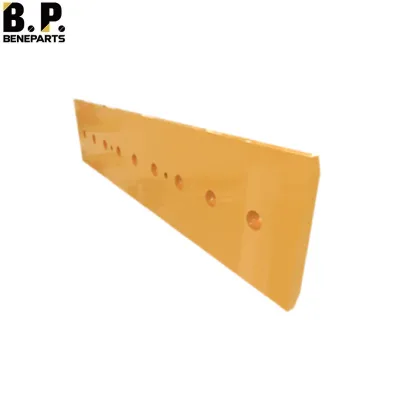

Comprehensive Sourcing Guide
Strategic Sourcing Guide for Heavy Equipment Edge Segments
The procurement of heavy equipment edge segments, often referred to as cutting edges or dozer end bits, represents a critical decision point for fleet operators and construction firms. These components are the primary interface between heavy machinery and the ground, directly influencing operational efficiency, fuel consumption, and safety. Sourcing these parts requires a disciplined approach that balances technical specifications, supply chain reliability, and total cost of ownership. The following guide outlines the essential factors buyers must evaluate when sourcing these specialized wear parts, ensuring that procurement decisions are grounded in verifiable data and industry best practices.
Technical Specifications and Material Composition
The performance of an edge segment is fundamentally dictated by its material composition and physical dimensions. Buyers must scrutinize the material grade to ensure it matches the specific abrasion and impact conditions of their application. In the current market, high-strength alloy steels are the standard for demanding environments. Specifically, materials such as 30MnB Boron steel and 30MnB (often cited as 30mnb) are prevalent due to their superior hardness and toughness balance. These alloys are engineered to resist the severe wear associated with digging in rocky or abrasive soils.
Hardness is another non-negotiable specification. For optimal performance, the hardness of the segment should typically fall within the range of HRC 42-49. This range ensures the edge is hard enough to penetrate compacted material without becoming brittle and shattering under impact. Buyers should verify that the supplier explicitly states the hardness rating for each model, as variations outside this range can lead to premature failure or excessive wear.
Dimensions and standardization are equally critical. Edge segments must fit the mounting system of the host machine precisely. Common standard dimensions observed in the market include profiles such as 203191828mm and 203192133mm, while thickness variations like 30mm are also standard for specific applications. The model numbers associated with these parts, such as 820043C, 9559, 9558, 7T6589, and 2327052180, serve as unique identifiers that buyers must cross-reference with their equipment manuals. Furthermore, the physical weight of the component, which can range from 1kg to over 40kg depending on the size, affects the logistics and handling requirements during installation.
Compliance, Certification, and Origin Verification
In the global supply chain for heavy equipment parts, compliance and certification act as proxies for quality and reliability. Buyers should prioritize suppliers who can provide documented evidence of adherence to international quality management standards. The presence of ISO9001 certification, including specific iterations like ISO9001:2008, is a strong indicator that the manufacturer operates under a controlled quality system. Additionally, CE certification is a common requirement for products entering certain markets, signifying compliance with health, safety, and environmental protection standards.
The origin of the product is a significant factor in determining shipping costs, lead times, and potential tariffs. Major manufacturing hubs for these components are located in regions such as Jining, Shandong, and Zhejiang, China. Knowing the place of origin allows buyers to anticipate logistical challenges and verify the authenticity of the supply chain. When evaluating a supplier, buyers should request proof of origin and ensure that the stated location matches the documentation provided.
It is also essential to verify the condition of the product. The market standard for new edge segments is "New" or "New100%," distinguishing them from refurbished or remanufactured units. Buyers must explicitly confirm the condition status to avoid receiving used parts that may have hidden structural weaknesses.
Cost Drivers and Pricing Dynamics
The pricing of heavy equipment edge segments is influenced by a complex array of factors, including material costs, manufacturing complexity, and order volume. The observed price range in the market is vast, spanning from approximately $0.90 to $150,000 USD. This wide disparity reflects the difference between small, single-item purchases and large-scale fleet orders, as well as variations in material grades and customizations.
The Minimum Order Quantity (MOQ) is a primary driver of unit cost. Suppliers often set MOQs ranging from 1 to 1,000 pieces, with specific models requiring a baseline of 20 pieces. Adhering to these MOQs can significantly impact the per-unit price; larger orders typically benefit from economies of scale. Buyers should also consider the "Selling Units" structure, which may be listed as single items or in bulk packs, affecting how the total cost is calculated.
Customization is another cost variable. While standard models are readily available, options for custom colors (such as yellow or black) or OEM branding can incur additional charges. The availability of customization allows buyers to align the parts with their fleet's visual standards, but it requires early coordination with the supplier to avoid delays.
Typical Applications and Compatibility
Edge segments are designed for specific applications and must be compatible with the intended machinery. The most common applications involve earthmoving and excavation tasks where the equipment is subjected to high abrasion. The product name "Half Arrow Segment" and "Dozer End Bit Cast" indicates their specific use in dozer and loader configurations.
Compatibility is paramount. Buyers must match the part number to the compatible brand and model. For instance, segments with part numbers like 29170096441 or 0A31166 are designed to be compatible with brands such as Caterpillar and specific machine models like the L 956FH or TY165-3. Using a segment that is not fully compatible can lead to mounting issues, reduced performance, and potential damage to the host machine.
The production method, such as casting, also influences the application suitability. Cast segments are often preferred for their ability to handle high-impact loads, making them ideal for heavy-duty dozing and grading operations. Buyers should verify that the production method aligns with the operational demands of their specific site conditions.
Supplier Evaluation and Quality Assurance
Evaluating a supplier goes beyond checking a price list. A robust supplier evaluation process includes assessing their quality control measures and after-sales support. One critical indicator of a reliable supplier is the provision of video outgoing-inspection. This feature allows buyers to visually verify the quality of the product before it leaves the factory, ensuring that the physical attributes match the description.
Warranty terms are another vital component of supplier evaluation. A standard warranty of 1 Year is common in the industry, providing a safety net against manufacturing defects. Buyers should carefully review the warranty terms to understand what is covered and the process for filing a claim. Additionally, the availability of a logo option, such as "Beneparts" or OEM branding, can indicate the supplier's flexibility and willingness to partner with the buyer.
The packaging method is also a reflection of the supplier's attention to detail. Products shipped on wooden pallets, as noted in standard specifications, ensure that the heavy segments are protected during transit. Buyers should verify that the packaging is robust enough to prevent damage during long-distance shipping, especially when sourcing from international locations.
Long-Term Procurement Considerations
Sourcing edge segments is not a one-time transaction but part of a long-term maintenance strategy. Lead time is a critical factor in maintaining operational continuity. A standard delivery time of 25 days is typical, but buyers must account for potential delays in the supply chain. Understanding the lead time allows for better inventory planning and prevents downtime caused by waiting for parts.
The single volume and gross weight of the product, often listed as 0 cm³ or 0.0 kg in generic listings, require careful verification. Buyers should request precise volumetric and weight data to calculate accurate shipping costs and ensure that the logistics provider can handle the cargo. Misunderstanding these figures can lead to unexpected freight charges and scheduling issues.
Finally, buyers should consider the lifecycle of the part. While the initial purchase price is important, the cost per hour of operation is the true metric of value. High-quality segments with the correct hardness and material composition may have a higher upfront cost but will last significantly longer, reducing the frequency of replacements and the total cost of ownership. By focusing on technical specifications, verifying certifications, and evaluating supplier reliability, buyers can secure a steady supply of high-performance edge segments that keep their heavy equipment fleets running efficiently.
| Specification Category | Key Attributes to Verify | Typical Market Values/Observations |
|---|---|---|
| Material | Alloy Steel, 30MnB Boron Steel | 30mnb, 30MnB |
| Hardness | Rockwell C Scale | HRC 42-49 |
| Dimensions | Length, Thickness, Width | 203191828mm, 30mm Thickness |
| Certification | Quality Management, Safety | ISO9001, ISO9001:2008, CE |
| Origin | Manufacturing Location | Jining, Shandong; Zhejiang, China |
| Warranty | Duration of Coverage | 1 Year |
| Lead Time | Production and Delivery | 25 Days |
| MOQ | Minimum Order Quantity | 1-1000 pcs (e.g., 20 pcs) |
| Condition | New vs. Refurbished | New, New100% |
| Customization | Color, Branding | Yellow/Black, OEM Available |
By adhering to these guidelines, procurement professionals can navigate the complexities of the heavy equipment parts market with confidence, ensuring that every edge segment purchased meets the rigorous demands of modern construction and mining operations.
FAQs
What materials are used for heavy equipment edge-segments?
Heavy equipment edge-segments are typically made from 30MnB Boron steel or alloy steel. These materials provide the necessary hardness and toughness to resist severe wear in abrasive soils while maintaining structural integrity under impact loads.
Which certifications should I verify for these segments?
You should verify that products hold ISO9001 and CE certifications. These documents indicate adherence to international quality management standards and safety requirements, ensuring the manufacturer operates under a controlled system for reliable performance.
Can I customize the color or branding of the segments?
Yes, customization is available for colors like yellow or black and for OEM branding. Buyers can align the parts with their fleet's visual standards, though early coordination with the supplier is required to avoid delays.
What is the typical lead time for delivery?
The standard delivery time for these segments is 25 days. Buyers must account for this duration in their inventory planning to prevent operational downtime caused by waiting for parts to arrive from the manufacturing hub.
How do I determine the correct hardness rating?
The optimal hardness rating for these segments typically falls within the HRC 42-49 range. This specification ensures the edge penetrates compacted material effectively without becoming brittle and shattering under heavy impact during excavation tasks.
What is the minimum order quantity for purchasing?
The minimum order quantity ranges from 1 to 1000 pieces, with specific models requiring a baseline of 20 pieces. Adhering to these MOQs significantly impacts the per-unit price and allows buyers to leverage economies of scale.
Where are these segments typically manufactured?
Major manufacturing hubs for these components are located in Jining, Shandong, and Zhejiang, China. Knowing the place of origin helps buyers anticipate logistical challenges, shipping costs, and potential tariffs associated with international procurement.