Source Taiwan Auto Bulb for Headlights, Position Lamps, and Repairs
Find 30 Taiwan Auto Bulb options including H11, H9, and 9006 models for dipped headlights, front position lamps, and vehicle repairs. Compare specifications like voltage, wattage, and certifications from verified suppliers; compare the available evidence and request quotations based on your requirements.
Key considerations
Products List


Factory 9007 Hb5 12V 60/55W Yellow Light Car Haedlight Auto Halogen Bulbs
$0.55 - $1.00
MOQ: 100 Pieces



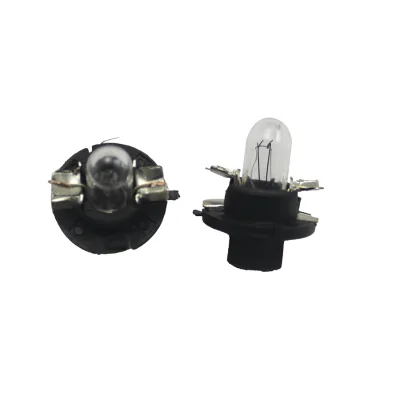
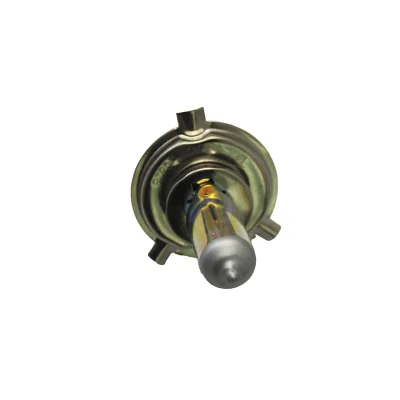
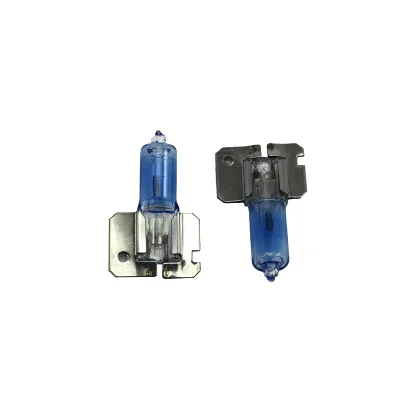


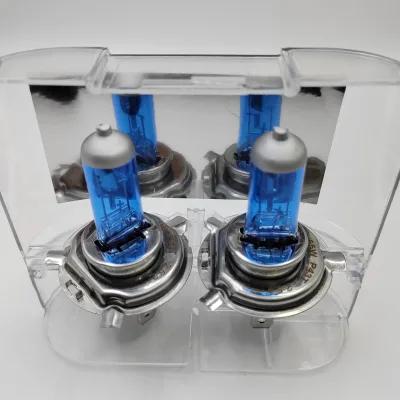
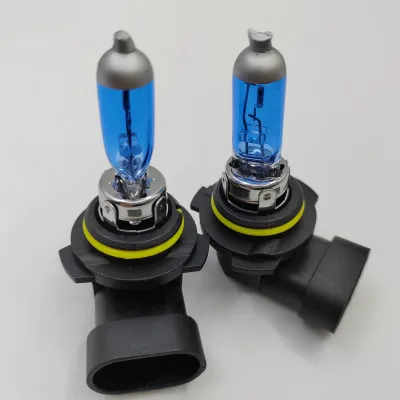


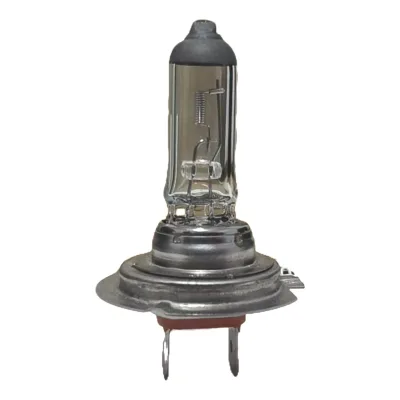

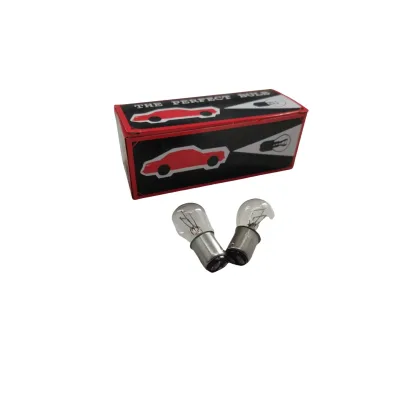
Comprehensive Sourcing Guide
Taiwan Auto Bulb Sourcing Guide
The search term "Taiwan Auto Bulb" is often used by buyers to describe a quality tier of automotive halogen lamps rather than a strictly defined country of origin. In practice, B2B listings under this keyword include halogen bulbs produced in China — the supplied product data explicitly lists Jiangsu, China as a place of origin — marketed with Taiwan-grade quality positioning. Buyers should therefore treat the keyword as a signal of product category and expected quality level, not as proof of manufacturing location, and should confirm origin directly with each supplier.
This guide helps procurement teams evaluate halogen auto bulbs listed under this keyword, including common models such as H11, H9, 9006, 9007, and 4257. Listed attributes include voltages of 12V and 24V, functions spanning dipped headlight and front position lamp, quartz or glass bulb material, color box and carton packing, and MOQs ranging from 100 to 10,000 pieces. Use each section below as a checklist before committing to samples, pilot orders, or annual supply agreements.
Product Scope and Observed Headphones
Product Scope and Observed Listing Signals
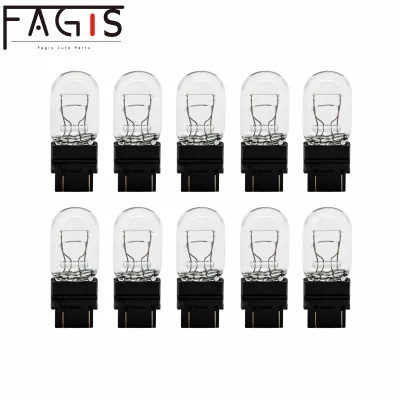
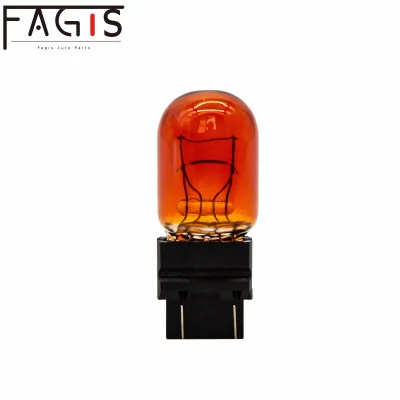
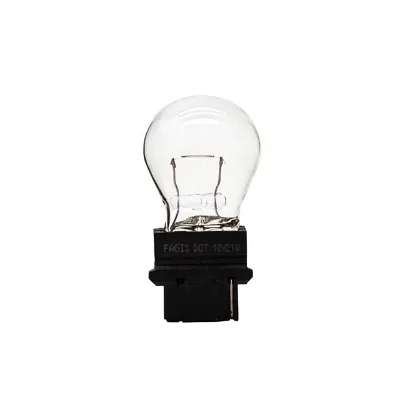
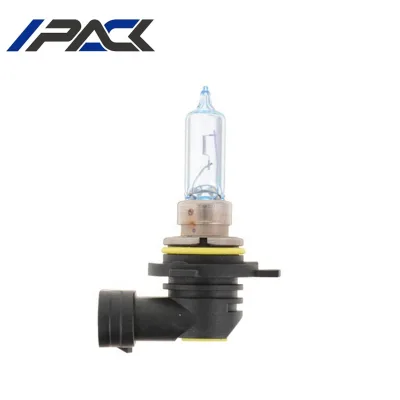
Listings under this keyword cover a focused but functionally diverse product range. The observed models — H11, H9, 9006xs, 9007, and 4257 — are established automotive lamp bases used for dipped headlights, front position lamps, and replacement or repair purposes. One listed 4257 bulb is specified at 12V 21/5W in amber, while others are white or warm white halogen lamps rated at 1500 lm with color temperatures quoted between 3000K and 6000K. This mix means buyers must match the exact base type and filament configuration to the vehicle application before comparing offers.
Listing signals also reveal commercial structure. Stated MOQs range from 100 pieces (with one listing at 500) up to 10,000, observed prices span roughly USD 0.09 to 25, packing is described as color box with cartons for outer packaging, and customization is listed as available. One brand name, FAGIS, appears in the data, and one listing references Toyota as the car make with a universal car model attribute elsewhere. These are observations from individual listings, not guarantees that every product carries the same attributes, so confirm each point against the specific item you intend to purchase.
Technical Specifications to Verify
Begin with base type and electrical ratings. The model number (H11, H9, 9006, 9007, 4257) determines the mechanical fit, filament arrangement, and socket compatibility, and mixing up similar bases such as H9 and H11 is a common sourcing error. Verify rated voltage (12V versus 24V applications), wattage (the listed 12V 65W and 21/5W examples show how widely this varies within one category), and expected lumen output. One listing states 1500 lm; ask every supplier to document luminous flux for the specific bulb rather than assuming category-wide figures.
Then verify materials and optical characteristics. The listings cite quartz glass and generic glass as bulb materials, with quartz generally preferred for thermal shock resistance in halogen applications, though you should confirm which material each offer actually uses. Record light color (white versus warm white), color temperature within the stated 3000K–6000K range, and waterproof or resistance claims. For dual-filament bulbs such as the 21/5W 4257, test both filaments independently. Require dimensioned drawings, single package size (one listing shows 5×5×5 cm), and unit gross weight (0.500 kg) to validate packing plans.
Compliance and Safety Documentation
The observed listings carry several certification references: DOT alone; E-mark with DOT; and a broader CE, DOT, ROHS, ISO combination. These are per-listing claims, so never assume a supplier's entire catalog holds the same approvals. For bulbs sold into North America, ask which specific SKU holds DOT conformity and request the supporting documentation; for European markets, confirm the E-mark number and approval category applicable to the lamp function. Generic references to CE or RoHS at the category level should not be treated as SKU-level proof.
Request documentation in a structured way: copies of certificates tied to model numbers, factory audit reports or ISO registration evidence, and material declarations if you sell into markets with substance restrictions. Low-confidence references to CE and RoHS in background data underline the need to verify rather than assume. Also confirm whether certification was obtained by the factory or the brand, and whether it survives private-label customization. Keep copies in your supplier file and re-verify annually, because lapsed approvals are a frequent cause of customs holds and channel recalls in lamp categories.
Cost Drivers and Commercial Terms
Observed prices range from about USD 0.09 to 25 across these listings, which reflects genuine differences in bulb type, wattage, filament count, glass quality, and packaging rather than arbitrary spread. A simple amber dual-filament bulb will sit far below a high-output quartz headlight lamp. When comparing quotations, normalize by model, voltage, and lumen spec first, then evaluate price. Ask what drives the quoted figure — quartz versus standard glass, color box versus bulk packing, and customization of packaging are all variables the listings flag as adjustable.
Commercial terms deserve equal attention. Stated MOQs run from 100 pieces to 10,000, with one listing at 500, so match order size to your inventory turnover and confirm whether mixed models can share a container to hit volume thresholds. Packing is listed as color box with cartons; confirm carton quantities, pallet configuration, and whether the 5×5×5 cm single package and 0.500 kg gross weight align with your freight calculations. Clarify Incoterms, payment terms, warranty (one listing states 6 months), and whether customization carries tooling or setup costs before issuing a purchase order.
Supplier Qualification and Quality Control
Qualify suppliers on evidence rather than listing claims. The data shows halogen bulbs originating from Jiangsu, China, marketed under this keyword, so geography alone does not differentiate vendors. Instead, request factory information, production capability for the specific models you need, and evidence of consistent quality — one listing self-describes as "High-Quality," which is a marketing attribute, not verification. Ask how long the supplier has produced the specific base types (H11, 9007, 4257) and whether they control filament and glass production internally or assemble from purchased components.
Build a practical QC program around the documented attributes. Incoming inspection should check base dimensions, filament continuity on both circuits for dual-filament types, voltage and wattage accuracy, lumen output against the stated 1500 lm benchmark where applicable, color temperature within the declared 3000K–6000K band, and waterproof claims. Define AQL levels for visual defects such as glass bubbles, filament misalignment, and base plating flaws. For new suppliers, run a pilot order at the 100-piece MOQ level before scaling, and retain sealed reference samples from each approved lot for future dispute comparison.
Long-Term Procurement Checks
Sustained supply requires checking consistency across production lots, not just the initial sample. Halogen bulbs are sensitive to filament chemistry and quartz quality, so brightness and lifespan can drift if the factory changes component sources. Schedule periodic re-testing against your original approval samples, require notification of material or process changes, and track field failure rates by lot number. The stated 6-month warranty on one listing gives a baseline for claims handling — confirm in writing how warranty claims are settled, whether by replacement, credit, or refund.
Finally, manage the relationship for resilience. Confirm whether the supplier can hold certification current as regulations evolve, whether customization remains available as your packaging and branding mature, and whether capacity exists to grow from a 100-piece trial to container-scale orders without quality degradation. Review MOQ flexibility, lead times, and packing specifications (color box, cartons) annually against your market demand. Diversify across at least two qualified sources for your highest-volume models such as H11 and 9006 so that a single factory disruption does not halt your replacement-parts program.
FAQs
What certifications are commonly available for Taiwan Auto Bulb orders?
Many halogen auto bulb listings carry E-mark and DOT certification, and some suppliers reference CE, ROHS, or ISO as well. Certification coverage varies by model, so confirm the certificate that applies to your specific bulb type and destination market before ordering. Ask for document copies to verify current validity.
What is the typical minimum order quantity for Taiwan Auto Bulb purchases?
Minimum order quantities commonly range from 100 pieces for standard halogen models up to 500 pieces or more depending on the bulb type and customization level. Some listings show lower trial quantities near 10 pieces. Always confirm the exact MOQ for your chosen model, since it can differ by wattage, base type, and packaging.
How are halogen auto bulbs usually packed for shipment?
Bulbs are typically packed in color boxes, with master cartons used for outer shipping. A single package may measure around 5 by 5 by 5 centimeters with a gross weight near 0.5 kilograms. If you need private labeling or custom box artwork, discuss packaging customization with the supplier before placing your order.
Which voltage and wattage options exist for these halogen auto bulbs?
Listed options include 12V and 24V bulbs, with wattage examples such as 12V 65W and 21/5W dual-filament configurations. Model families like H9, H11, 9006, 9007, and 4257 cover different socket standards. Match the voltage, wattage, and base type to your vehicle specification to ensure proper fit and safe operation.
Can I order Taiwan Auto Bulb products with customization for my brand?
Yes, customization is available on many listings, which can include branding, packaging, and specification adjustments within the supplier's production capabilities. Customized orders usually require a higher MOQ, often around 500 pieces, and longer lead time than stock items. Provide your artwork and target specifications early so the supplier can confirm feasibility and sampling costs.
What warranty and quality conditions apply to halogen auto bulb orders?
Some listings state a six-month warranty and describe bulbs as new condition items intended for replace or repair use. Quartz or glass construction with waterproof resistance is common among listed models. Warranty terms vary by supplier and model, so request written warranty coverage, defect handling, and replacement terms before confirming a bulk order.