Source Tamper Resistant Security Screw for Automotive, Electronics, and Construction
Find 30 verified options for the Tamper Resistant Security Screw tailored for automotive, electronics, and construction needs. Buyers can compare specifications, materials, and pricing from multiple suppliers to select the best fit for their projects.
Key considerations
Products List

Custom Resistant Special Anti Theft Tamper Proof Safety Security Machine Screw
$0.08 - $0.48
MOQ: 1000 Pieces


Tamper Proof Screw SS304 SS316 Triangle Socket Csk Head Security Screws
$0.01 - $0.10
MOQ: 1000 Pieces


Tamper Resistant A2 A4 Slotted Driver Screw One Way Anti Theft Security Screws
$0.01 - $0.05
MOQ: 20000 Pieces

16%off Stainless Steel Security Tamper Pin Torx Button Head Self Tapping Screws
$0.02 - $0.12
MOQ: 2000 Pieces


Tamper Proof Door Lock Security Container
$0.13 - $0.18
MOQ: 5000 Pieces
Shandong Province Qingyun County Junchuang Lock Industral Co., Ltd.

Tamper Seal Security Twist Tite Meter Seal
$0.03 - $0.07
MOQ: 1000 Pieces
Shandong Province Qingyun County Junchuang Lock Industral Co., Ltd.


Self-Locking Tamper-Evident Plastic Seal Tamper-Proof Plastic Security Seal
$0.03 - $0.04
MOQ: 5000 Pieces



Comprehensive Sourcing Guide
Strategic Sourcing Guide for Tamper Resistant Security Screws
Navigating the global market for tamper-resistant security screws requires a disciplined approach that balances technical precision with rigorous supplier verification. These fasteners are engineered to prevent unauthorized disassembly in critical infrastructure, public facilities, and high-security environments. Unlike standard fasteners, security screws utilize specialized drive systems and head geometries that demand specific manufacturing capabilities. Buyers must move beyond generic specifications to understand the nuances of material grades, surface treatments, and compliance standards that define a reliable supply chain. This guide outlines the essential factors for sourcing these components effectively, ensuring that procurement decisions are grounded in verifiable data rather than marketing assertions.
Technical Specifications and Drive System Analysis
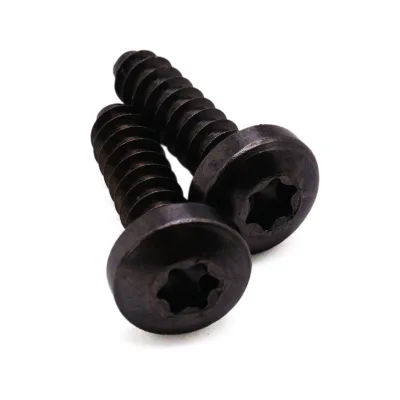
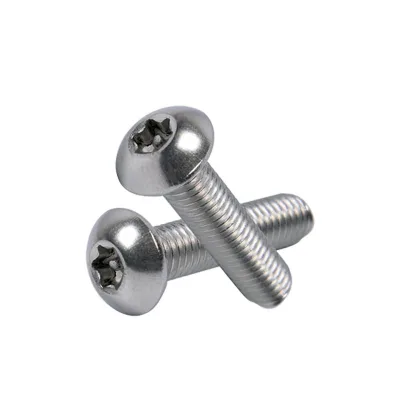
The primary differentiator for security screws lies in their drive mechanism and head configuration. The supply data indicates a prevalence of Torx or 6-Lobe drive systems, which are designed to resist common tampering tools like flathead or Phillips screwdrivers. These drives require matching specialized bits, creating a barrier to casual access. Head styles observed in the market include Round and Mushroom Head configurations, often paired with fully threaded shafts to ensure maximum clamping force and structural integrity.
Size specifications vary significantly based on application requirements. Available dimensions range from M2.5 up to M16, with lengths extending from 2mm to 100mm. While some listings suggest standard sizing, the majority of suppliers emphasize custom sizing capabilities, allowing buyers to tailor dimensions to specific assembly needs. The thread type is typically fully threaded, which is crucial for applications requiring uniform load distribution. When evaluating a product, buyers should verify the exact drive profile and head geometry against their existing tooling inventory to ensure compatibility. The availability of custom sizes implies that lead times may vary depending on the complexity of the required geometry, necessitating early engagement with the supplier to confirm feasibility.
Material Composition and Surface Treatment Protocols
Material selection is a critical determinant of the screw's performance in harsh environments. The market offers Stainless Steel and Carbon Steel as primary base materials, with some suppliers also listing Steel Alloy options. Stainless Steel is preferred for applications requiring corrosion resistance, such as outdoor installations or marine environments. Carbon Steel, often treated with surface finishes like Zinc Plating, is suitable for general industrial use where cost-effectiveness is a priority. The observed data also mentions surface treatments including Plain, Polishing, and Coating, which directly impact the screw's durability and aesthetic finish.
The choice of material grade and surface treatment must align with the environmental conditions of the end application. For instance, a Zinc Plated finish on Carbon Steel provides a baseline level of corrosion protection, but may not suffice for highly corrosive settings without additional coating. Buyers should request material test reports to confirm the specific alloy composition and verify that the surface treatment meets the required thickness and adhesion standards. The interplay between the base material and the surface finish dictates the overall lifespan of the fastener, making it a key area for technical due diligence.
Compliance, Certification, and Standard Adherence
In the realm of security fasteners, adherence to international standards is non-negotiable. The supply data references a wide array of standards including GOST, GB, DIN, ANSI, BSW, and JIS. These standards define the dimensional tolerances, mechanical properties, and testing protocols that the fasteners must meet. For example, DIN standards are prevalent in European markets, while ANSI is standard in North America. Buyers must ensure that the specific screws they procure comply with the regulatory requirements of their target market.
Certification status is another vital compliance indicator. Many suppliers list ISO9001:2018 and TS16949 certifications, which indicate a commitment to quality management systems and automotive industry standards. Additional certifications such as RoHS and CE may be relevant for products entering the European Union or those subject to environmental regulations. However, buyers should not assume that a supplier's general certification covers every product in their catalog. It is essential to request specific certification documents for the exact product model being ordered to ensure that the batch in question meets the required compliance criteria.
Cost Drivers and Economic Factors
The pricing structure for security screws is influenced by several variables, including material costs, manufacturing complexity, and order volume. The observed price range in the market spans from $0 to $1.95 USD, though this wide range likely reflects differences in material grade, size, and customization level. Smaller, standard-sized screws in bulk quantities will naturally command lower unit prices compared to custom-engineered, large-diameter fasteners.
Order Volume is a significant cost driver. The Minimum Order Quantity (MOQ) observed ranges from 1 to 20,000 units. High-volume orders often benefit from economies of scale, reducing the per-unit cost. Conversely, small orders or custom requests may incur higher setup costs and unit prices. Buyers should carefully calculate the total cost of ownership, factoring in not just the unit price but also shipping, potential tariffs, and the cost of inventory holding. Understanding the MOQ thresholds is crucial for budgeting, as ordering below the MOQ may result in significantly higher costs or order rejection.
Supplier Evaluation and Operational Capabilities
Selecting a reliable supplier requires a thorough assessment of their operational capabilities and service offerings. The data indicates that many suppliers provide OEM and ODM services, allowing for customization of product design, packaging, and branding. This flexibility is essential for companies with unique security requirements or those looking to brand their fasteners for specific projects. The manufacturing processes cited include CNC Machining and Cold Forging, both of which are critical for producing high-precision security screws. CNC machining allows for complex geometries, while cold forging ensures high strength and material efficiency.
Location and logistics are also key factors in supplier evaluation. The observed origins include Shenzhen and Zhejiang, China, which are major manufacturing hubs. Buyers should verify the supplier's location to assess lead times and shipping costs. The delivery period varies, with some suppliers offering 5-20 days and others citing 30, 45, or 60 days depending on order complexity. A clear understanding of the production timeline is necessary for supply chain planning. Additionally, payment terms, such as a 30% deposit and 70% balance upon completion, are standard but should be negotiated based on the buyer's risk tolerance and the supplier's reputation.
Quality Control and Testing Protocols
Ensuring the quality of security screws is paramount to maintaining the integrity of the secured assembly. The supply data highlights a commitment to 100% testing, which suggests that every unit undergoes a quality check before shipment. This level of scrutiny is essential for identifying defects such as thread damage, incorrect drive profiles, or surface imperfections. Buyers should inquire about the specific testing methods employed, such as tensile strength testing, hardness testing, and salt spray testing for corrosion resistance.
Packaging is another aspect of quality control. Options range from bulk packaging to specialized bags, boxes, and plastic barrels, with custom packaging available upon request. Proper packaging prevents damage during transit and ensures that the fasteners remain clean and free from contaminants. Buyers should specify their packaging requirements clearly to avoid miscommunication and ensure that the product arrives in optimal condition. Regular quality audits and the ability to provide detailed inspection reports are strong indicators of a supplier's commitment to quality.
Long-Term Procurement and Application Strategy
The long-term success of a security screw procurement strategy depends on the ability to adapt to changing requirements and maintain a stable supply chain. Security screws are often used in applications where failure is not an option, such as in public infrastructure, transportation systems, and secure facilities. Therefore, buyers must prioritize suppliers who demonstrate reliability, consistency, and a willingness to collaborate on long-term projects.
Typical applications for these fasteners include public restrooms, street furniture, vending machines, and electronic enclosures where unauthorized access must be prevented. The choice of screw type, whether Round Head or Mushroom Head, and the drive system, such as Torx or 6-Lobe, should be dictated by the specific security level required. Buyers should also consider the availability of replacement parts and the supplier's ability to support future orders. Establishing a relationship with a supplier that offers flexible customization and robust quality control will ensure that the procurement process remains efficient and effective over the long term. By focusing on these strategic elements, buyers can secure a reliable supply of tamper-resistant security screws that meet their exacting standards.
FAQs
What drive systems are used for tamper resistant security screws?
These screws typically use Torx or 6-Lobe drive systems to resist common tampering tools. This specialized drive requires matching bits, creating a barrier to casual access and ensuring unauthorized disassembly is prevented in critical environments.
Which materials are available for manufacturing security screws?
Stainless Steel and Carbon Steel are the primary base materials, with some suppliers offering Steel Alloy options. Stainless Steel is preferred for corrosion resistance, while Carbon Steel is often treated with Zinc Plating for general industrial use.
Can buyers request custom sizes for these security fasteners?
Yes, custom sizes are widely available to tailor dimensions to specific assembly needs. Buyers should verify the exact drive profile and head geometry against their tooling inventory to ensure compatibility with the custom request.
What certifications do suppliers typically hold for these products?
Many suppliers list ISO9001:2018 and TS16949 certifications to indicate quality management commitment. Additional certifications like RoHS and CE may be relevant for products entering the European Union or those subject to environmental regulations.
How long does delivery take for custom security screw orders?
Delivery periods vary from 5 to 20 days for standard items, while complex custom orders may take 30 to 60 days. Lead times depend on the complexity of the required geometry and the specific supplier's production capacity.
What is the minimum order quantity for these security screws?
The minimum order quantity ranges from 1 to 20,000 units depending on the supplier and product type. High-volume orders often benefit from economies of scale, while small orders or custom requests may incur higher setup costs.
Which standards apply to Tamper Resistant Security Screw production?
Products comply with international standards including GOST, GB, DIN, ANSI, BSW, and JIS. These standards define dimensional tolerances and mechanical properties that the fasteners must meet for specific regional regulatory requirements.
Can suppliers provide OEM and ODM services for these screws?
Yes, many suppliers provide OEM and ODM services allowing for customization of product design and packaging. This flexibility is essential for companies with unique security requirements or those looking to brand their fasteners for specific projects.