Source Tamper Evident Luggage Seal for Trucks, Doors, Containers
Find 30 Tamper Evident Luggage Seal options with customizable colors and printing methods. Buyers can compare models like HYPD-018 and DL-7410 made from plastic or steel for various industrial applications.
Key considerations
Products List


Tamper-Proof One-Time High Strength Security Plastic Seals for Airline Luggage Package Box Bags
$0.01 - $0.01
MOQ: 10000 Pieces


Factory Disposable Tamper Evident Cargo Container Plastic Seals Numbered Security Seals
$0.01 - $0.02
MOQ: 2000 Pieces


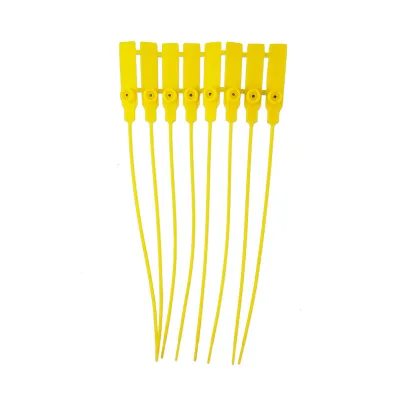
Tamper Evident Security Packing Plastic Pull-tight Tamper Evident Seals
$0.02 - $0.07
MOQ: 10000 pieces


Comprehensive Sourcing Guide
Strategic Sourcing Guide for Tamper Evident Luggage Seals
The global logistics and transportation sectors rely heavily on the integrity of cargo and luggage during transit. Tamper evident luggage seals serve as a critical security mechanism, providing visual confirmation if a container, vehicle, or piece of luggage has been accessed without authorization. For procurement professionals, sourcing these devices requires a nuanced understanding of material science, application-specific requirements, and supplier capabilities. This guide synthesizes observed market data and technical attributes to provide a disciplined framework for evaluating potential suppliers and selecting the right sealing solutions for specific operational needs.
Material Composition and Structural Integrity
The foundation of a reliable tamper evident seal lies in its material composition. Based on observed product attributes, the market offers seals constructed from a variety of durable materials, including plastic, aluminum, and steel. The choice of material is not merely aesthetic but dictates the seal's resistance to environmental stressors, cutting tools, and extreme weather conditions.
Plastic-based seals, often utilizing PP (polypropylene) and PE (polyethylene) combinations, are prevalent for general-purpose applications. These materials offer a balance of flexibility and rigidity, making them suitable for securing doors, containers, and standard luggage. The observed standard specifications indicate that many plastic seals adhere to a PP+PE composition, which provides a cost-effective solution for high-volume usage. Conversely, steel and aluminum variants are engineered for high-security scenarios. Steel seals, such as those with specific model numbers like DL-7250E or DL-7375, are designed to withstand higher physical stress. Some products explicitly list "High Pressure" as a performance attribute, suggesting that the material formulation is tested to resist significant force before failure.
When evaluating materials, buyers must verify the specific alloy or polymer grade used. While the data indicates "Steel" and "Plastic" as primary categories, the exact grade (e.g., stainless steel vs. carbon steel) significantly impacts corrosion resistance and tensile strength. For instance, certain models exhibit an average tensile strength of 343N, a metric that should be verified against the specific security requirements of the cargo being transported. Aluminum offers a lightweight alternative with good corrosion resistance, often found in seals requiring a balance between weight and durability.
Technical Specifications and Performance Metrics
Technical specifications define the operational limits and physical dimensions of the seal. A critical aspect of sourcing is matching the seal's dimensions to the locking mechanism of the luggage or container. Observed data reveals a wide range of lengths and widths, with specific models featuring total lengths of 300mm (11.8 inches) or standardized lengths such as 410mm, 400mm, 335mm, 300mm, and 250mm. The strip width is another vital parameter, with common specifications including 7mm widths.
The physical shape of the seal is equally important. The market includes "D-Shape" sectional profiles, which are designed to fit specific locking bars or hasps. Buyers should ensure that the seal's sectional shape matches the geometry of the locking point on the luggage or container. Mismatched dimensions can lead to installation failures or compromised security.
Performance attributes such as "High Pressure" resistance are key differentiators. For high-value cargo, the seal must withstand significant force without breaking prematurely or allowing a tool to bypass the locking mechanism. The ability to maintain integrity under tension is often quantified by tensile strength values. Procurement teams should request specific test data for tensile strength and pressure resistance rather than relying on general marketing claims. Additionally, the "Standard" classification observed in some listings suggests adherence to baseline industry norms, but for specialized applications, custom specifications may be necessary.
Customization and Marking Capabilities
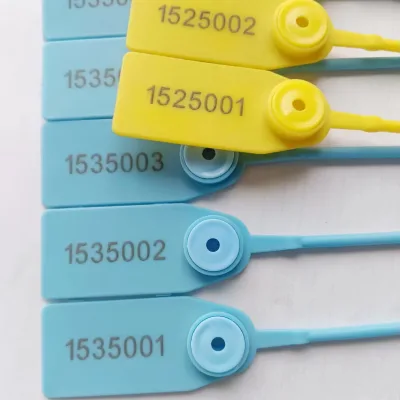
One of the primary advantages of sourcing tamper evident seals is the ability to customize them for brand identity and traceability. The observed data confirms that customization is widely available. Suppliers offer various printing methods, including laser marking, hot stamping, and color printing. These methods allow for the inclusion of serial numbers, logos, barcodes, and QA codes directly onto the seal.
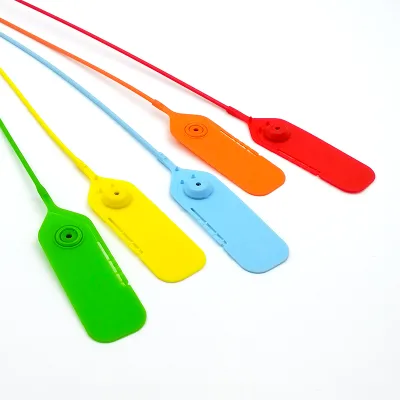
The color options are diverse, with red, green, yellow, blue, orange, and white being standard offerings. Some suppliers also provide customized color options to align with specific security protocols or brand guidelines. The printing method chosen affects the durability of the information. Laser marking, for instance, etches the information into the material, making it highly resistant to wear and tear compared to surface printing. Hot stamping and color printing are also viable options but may require verification regarding their longevity under harsh environmental conditions.
When specifying custom markings, buyers must consider the content requirements. Common applications include unique serial numbers for tracking, company logos for brand protection, and barcodes for automated scanning. The "Mark Content" attribute highlights the flexibility to include these elements. However, the density of information must be balanced with the physical size of the seal to ensure legibility. A seal with a 7mm width may not accommodate extensive text or complex barcodes without compromising readability.
Compliance, Certification, and Standards
In the realm of international logistics, compliance with recognized standards is non-negotiable. The observed data indicates that suppliers often hold certifications such as ISO, ISO/TS, and TPAT (Trusted Partner Transport). These certifications suggest that the manufacturing process adheres to specific quality and security management systems. While ISO 9001 is a common background standard for quality management, the presence of TPAT certification is particularly relevant for supply chain security, indicating that the supplier meets rigorous security criteria for international trade.
Buyers should verify the validity of these certifications and ensure they align with the regulatory requirements of the destination markets. For example, seals used in cross-border container transport may need to meet specific customs security standards. The "Standard" attribute observed in the data suggests that some products meet general industry norms, but specific applications may require adherence to more stringent protocols.
It is crucial to note that while certifications are strong indicators of supplier reliability, they do not guarantee the performance of every individual unit. Buyers should request batch-specific test reports to confirm that the seals in a particular shipment meet the required security thresholds. The combination of material quality, manufacturing precision, and certification status forms the triad of compliance that procurement teams must evaluate.
Typical Applications and Usage Scenarios
The versatility of tamper evident luggage seals allows them to be deployed across a wide range of applications. Observed usage data points to applications in instruments and meters, trucks, doors, containers, and automobiles. The "Main Application" attribute specifically highlights their use in ISO containers and general container security, which is a high-volume segment of the logistics industry.
In the context of luggage and travel, these seals are used to secure suitcases, cargo holds, and transport vehicles. The "Doors & Windows" application suggests their utility in securing access points to facilities or vehicles. The "Automobile" usage indicates that these seals are also employed in the automotive supply chain to secure parts and finished vehicles during transit.
The specific model selection should be driven by the application environment. For example, seals used in maritime containers require high resistance to saltwater corrosion and extreme temperature fluctuations, favoring steel or high-grade plastic options. Seals used for internal truck security may prioritize ease of application and cost-effectiveness, making plastic seals with hot stamping a viable choice. Understanding the specific stressors of the application environment is essential for selecting the correct seal type.
Supplier Evaluation and Quality Control
Evaluating suppliers requires a holistic approach that goes beyond price and basic specifications. The observed data indicates that many suppliers are factories, which can imply better control over the manufacturing process and customization capabilities. However, buyers should verify the factory status through site audits or third-party inspections.
Quality control processes are paramount. Buyers should inquire about the supplier's internal testing protocols, including tensile strength tests, pressure resistance tests, and environmental durability tests. The observed "Average Tensile Strength" of 343N for certain models serves as a benchmark, but buyers should request data for the specific batch they intend to purchase. Additionally, the "Standard Export Packing" and "Carton Box" packaging options suggest that suppliers have established logistics protocols, but the integrity of the packaging during transit must be verified to prevent damage to the seals before use.
When comparing suppliers, consider the range of models available. A supplier offering a diverse portfolio, including models like HYPD-018, HYPS-B05, and various DL-series models, demonstrates versatility and the ability to meet varied client needs. The availability of customization, such as specific printing methods and color options, is another key differentiator. Buyers should assess the supplier's responsiveness to custom requests and their ability to maintain quality during the customization process.
Long-Term Procurement Considerations
Sourcing tamper evident seals is not a one-time transaction but a long-term partnership that impacts supply chain security. The observed MOQ (Minimum Order Quantity) range of 1000 to 10000 units suggests that these products are typically purchased in bulk. Buyers should factor in their annual consumption rates and storage capabilities when negotiating orders.
Cost drivers include the material type, customization complexity, and certification status. While plastic seals are generally more affordable, steel and aluminum options command a premium due to their superior durability and security features. The printing method also influences cost, with laser marking often being more expensive than standard color printing due to the specialized equipment required.
Buyers should also consider the lead time and supply chain resilience. Given the global nature of the industry, disruptions in raw material supply or manufacturing capacity can impact availability. Establishing a relationship with a supplier that has a proven track record of meeting delivery schedules and maintaining consistent quality is essential. Regular audits and performance reviews can help ensure that the supplier continues to meet the evolving security needs of the organization.
Conclusion
Sourcing tamper evident luggage seals requires a meticulous approach that balances technical specifications, material integrity, and supplier reliability. By focusing on the observed attributes such as material composition, customization options, and certification status, buyers can make informed decisions that enhance the security of their cargo and luggage. The diverse range of models and applications available in the market offers flexibility, but the key to success lies in rigorous evaluation and continuous quality control. As the logistics landscape evolves, maintaining a strategic partnership with a capable supplier will ensure that security measures remain robust and effective.
FAQs
What materials are used for tamper evident luggage seals?
These seals are constructed from plastic, aluminum, and steel. Specific models utilize PP+PE combinations for general use or steel for high-security applications requiring high pressure resistance.
Which customization options are available for these seals?
Customization is available for colors, printing methods, and mark content. Buyers can select from red, green, yellow, or blue options with laser marking or hot stamping for serial numbers and logos.
How can I find seals with specific certification standards?
Suppliers often hold ISO, ISO/TS, and TPAT certifications. These credentials indicate adherence to quality and security management systems required for international logistics and trusted partner transport.
What are the typical minimum order quantities for these seals?
The observed minimum order quantity ranges from 1000 to 10000 units. Buyers should plan for bulk purchasing as these products are typically sourced in large volumes for logistics operations.
Where are these tamper evident seals manufactured?
The products originate from China. Factories located there offer standard export packing and carton box packaging to ensure the integrity of the seals during transit to global destinations.
Can these seals be used on ISO containers?
Yes, they are applied to all kinds of ISO containers and general container security. They are also suitable for trucks, doors, instruments, meters, and automobiles requiring tamper evidence.