Source Tamper-Evident Plastic Vial Caps for Pharma, Cosmetics, Bottles
Compare 30 listings for Tamper-Evident Plastic Vial Caps featuring screw and flip top designs with polypropylene or aluminum construction. Buyers can evaluate customization options, sizes, and MOQs for pharmaceutical and cosmetic packaging needs.
Key considerations
Products List


Tamper Evident Aluminum Plastic Flip -off Seal for IV Solution Bottles
$0.00 - $0.01
MOQ: 80000 Pieces

Premium Pull off Cap for IV Bottles Sterile, High-Barrier, EU Pharma-Grade
$0.04 - $0.04
MOQ: 100000 Pieces


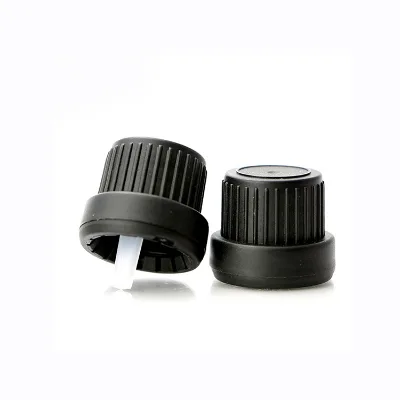


Wholesale 28mm Tamper Evident PP Drink Cap Bottle Caps for Disposable Water Bottles
$0.01 - $0.01
MOQ: 100000 Pieces

Free Sample 30mm Tamper Evident Cap 28mm Plastic Bottle Caps for Water
$0.00 - $0.01
MOQ: 100000 Pieces


Comprehensive Sourcing Guide
Strategic Sourcing Guide for Tamper-Evident Plastic Vial Caps
The procurement of tamper-evident plastic vial caps represents a critical decision point for buyers in the pharmaceutical, cosmetic, and chemical packaging sectors. These components serve as the primary defense against product tampering, ensuring consumer safety and brand integrity from the manufacturing floor to the end-user. Sourcing these items requires a disciplined approach that balances technical specifications, regulatory compliance, and supply chain reliability. The market offers a diverse array of options, ranging from hard plastic closures to soft, flexible designs, each tailored to specific vial neck finishes and application requirements. Buyers must navigate a landscape defined by varying material compositions, customization capabilities, and minimum order quantities (MOQs) to secure a supply chain that meets both operational and safety standards.
Technical Specifications and Material Compatibility
The foundation of a successful procurement strategy lies in understanding the precise technical specifications of the caps. The core keyword, "tamper-evident plastic vial caps," encompasses a broad spectrum of designs, but the most common configurations observed in the market include screw caps and flip-top caps. Material selection is paramount; while aluminum caps are available in specific diameters such as 8mm, 13mm, 15mm, 20mm, and 32mm, the primary focus for plastic vials often centers on polypropylene (PP) or similar polymers. For instance, specific models utilize polypropylene as the primary outer cap material, paired with an isoprene disc to ensure a hermetic seal. This combination is particularly effective for pharmaceutical applications where chemical resistance and seal integrity are non-negotiable.
Flexibility is another critical technical attribute that dictates the cap's performance. The market presents options with both hard and soft flexibility profiles. Hard caps are typically preferred for applications requiring rigid structural integrity, while soft caps may offer better sealing characteristics for irregular vial necks. The neck finish of the vial must match the cap's internal geometry. Standard neck finishes include cylinder shapes, with specific model numbers like "20mm" or "PP-32MM" indicating the diameter compatibility. Furthermore, size details such as 28/400 and 28/410 are standard industry designations that buyers must verify against their existing vial inventory. The capacity of the vial itself, whether 10 ml or 50 ml, influences the cap size required, necessitating a precise match between the cap model and the container volume to prevent leakage or misalignment.
Compliance, Certification, and Safety Standards
In the pharmaceutical and cosmetics industries, compliance is not merely a preference but a regulatory mandate. Buyers must verify that suppliers adhere to relevant international standards for packaging materials. While specific certification documents are not universally guaranteed for every listed product, the industry standard often requires adherence to Good Manufacturing Practices (GMP) and specific material safety standards. The presence of tamper-evident features, such as a tamper-evident label or a breakable band, is a critical compliance indicator. These features must be designed to show clear evidence of opening, ensuring that any attempt to access the contents is immediately visible.
When evaluating suppliers, buyers should request documentation regarding the material's compliance with food-grade or pharmaceutical-grade standards, even if the specific certification name is not explicitly stated in the product listing. The "Custom Size" standard mentioned in some product data suggests that manufacturers can tailor dimensions to meet specific regulatory or client requirements, but this flexibility must be managed through rigorous quality assurance protocols. Buyers should also verify that the labeling options, such as tamper-evident labels, are compatible with the cap's surface material and the intended printing methods. The absence of specific certification claims in a product listing does not imply non-compliance, but it does necessitate a proactive inquiry to the supplier to confirm adherence to the necessary regulatory frameworks for the target market.
Cost Drivers and Minimum Order Quantities
Understanding the cost structure of tamper-evident plastic vial caps is essential for budgeting and financial planning. The observed price range for these items can be extremely low, with some listings indicating prices between 0 and 0.2 USD per unit. However, these figures must be interpreted with caution, as they often reflect bulk pricing tiers or specific promotional offers rather than standard unit costs for smaller orders. The primary cost driver in this category is the Minimum Order Quantity (MOQ). Data indicates that MOQs can range significantly, from 5,000 units to as high as 500,000 units, with a common benchmark found at 100,000 units.
This high MOQ threshold is a significant consideration for buyers, particularly those with smaller production runs or those testing new product lines. The economic model of these suppliers relies on high-volume manufacturing to keep unit costs low. Consequently, buyers must assess their inventory turnover rates and storage capabilities before committing to large orders. Additionally, the customization of the cap, such as custom colors or specific tamper-evident mechanisms, can influence the final cost. While some suppliers offer "Custom Color" options, these may incur additional setup fees or require higher MOQs to be economically viable. The packaging method, whether in cartons or bulk sea/land/air shipments, also impacts the total landed cost, as larger volumes require more robust packaging solutions to prevent damage during transit.
Typical Applications and Industry Use Cases
Tamper-evident plastic vial caps are versatile components used across multiple industries, with the pharmaceutical sector being the most prominent. In this sector, the caps are utilized for packaging medications, supplements, and liquid formulations where safety and integrity are paramount. The "Pharmaceutical Packaging" and "Pharmaceuticals" usage tags highlight this primary application. Beyond medicine, these caps are also widely used in the cosmetics industry, where they protect products like serums, lotions, and creams from contamination and tampering. The "Cosmetics" industrial use tag confirms this broad applicability.
The specific design of the cap often dictates its suitability for different applications. For example, caps with a "Non Spill" feature are ideal for liquid cosmetics or pharmaceuticals that must be dispensed without leakage. Conversely, caps designed for "Bottles" in general may be used for a wider range of consumer goods. The capacity of the vial, ranging from 10 ml to 50 ml, suggests that these caps are optimized for small to medium-sized containers, which are common in travel-sized products, sample kits, and high-value liquid formulations. The ability to customize the cap, including the color and the tamper-evident mechanism, allows manufacturers to align the packaging with their brand identity while maintaining the necessary safety features. This flexibility makes tamper-evident plastic vial caps a critical component in the supply chains of companies that prioritize both safety and brand presentation.
Supplier Evaluation and Verification Process
Selecting the right supplier for tamper-evident plastic vial caps requires a thorough evaluation process that goes beyond the initial product listing. Buyers should prioritize suppliers who demonstrate a clear understanding of the technical requirements and offer robust customization services. The availability of "Customization" and "OEM/ODM" services indicates that a supplier is capable of tailoring products to specific client needs, which is a valuable asset for brands seeking unique packaging solutions. When evaluating potential partners, buyers should verify the supplier's origin, with many manufacturers located in regions like Jiangsu, China, known for their manufacturing capabilities.
Key factors in supplier evaluation include the ability to meet specific MOQs, the consistency of quality control, and the reliability of delivery times. While some listings indicate a delivery time of 10-15 days, this can vary based on order volume and customization requirements. Buyers should also assess the supplier's experience with different neck finishes and cap models, such as the 18mm, 28mm, or 32mm standards. A supplier's ability to provide samples for testing is crucial for verifying the tamper-evident functionality and the fit of the cap on the vial. Additionally, the supplier's willingness to accept custom orders and their flexibility in handling different packaging requirements, such as sea, land, and air transport, are indicators of a reliable partner.
Quality Control and Long-Term Procurement Considerations
Ensuring the long-term success of a procurement strategy for tamper-evident plastic vial caps involves implementing rigorous quality control measures. Buyers must establish clear criteria for accepting shipments, focusing on the integrity of the tamper-evident features and the consistency of the cap dimensions. Regular testing of the caps for seal integrity, color consistency, and material durability is essential to maintain product quality. The "Hard" and "Soft" flexibility attributes should be verified through physical testing to ensure they meet the specific requirements of the application.
Long-term procurement considerations also include building a resilient supply chain that can adapt to changing market demands. This involves maintaining open communication with suppliers regarding production schedules, potential material shortages, and any changes in regulatory requirements. The ability to source caps in various sizes, from 18mm to 52mm, provides buyers with the flexibility to scale their operations or introduce new product lines without significant disruptions. Furthermore, the availability of custom colors and labeling options allows for continuous brand evolution. By focusing on suppliers who offer comprehensive support, including technical assistance and quality assurance, buyers can secure a reliable source of tamper-evident plastic vial caps that meets their current and future needs.
Comparative Analysis of Cap Types
To assist buyers in making informed decisions, the following table compares common attributes of the observed cap types based on the provided data. This comparison highlights the diversity in specifications and helps identify the most suitable option for specific applications.
| Attribute | Hard Plastic Cap | Soft Plastic Cap | Aluminum Cap |
|---|---|---|---|
| Flexibility | Hard | Soft | N/A (Metal) |
| Material | Polypropylene | Polypropylene/Isoprene | Aluminum |
| Typical Size | 20mm, 28mm, 32mm | 18mm, 28mm | 8mm, 13mm, 15mm, 20mm, 32mm |
| Tamper Feature | Tamper-Evident Label | Tamper-Evident Design | Custom Tamper-Evident |
| Primary Usage | Pharmaceuticals, Cosmetics | Pharmaceuticals, Cosmetics | Pharmaceuticals |
| MOQ Range | 100,000 | 80,000 | 500,000 |
| Customization | Available | Available | Available |
This table illustrates that while all types offer customization and tamper-evident features, the choice between hard and soft plastic depends on the specific sealing requirements and the nature of the product being packaged. Aluminum caps, while offering a premium feel and robust protection, often come with higher MOQs and specific size constraints. Buyers should weigh these factors against their production volume and product requirements to select the optimal cap type.
Conclusion
Sourcing tamper-evident plastic vial caps is a complex process that demands a deep understanding of technical specifications, regulatory requirements, and supply chain dynamics. By carefully evaluating the available options, from hard and soft plastic caps to aluminum alternatives, buyers can identify solutions that align with their specific needs. The key to success lies in partnering with suppliers who offer robust customization, adhere to high-quality standards, and provide reliable delivery. As the market continues to evolve, maintaining a focus on quality control and long-term relationship building will ensure a steady supply of safe, effective, and compliant packaging solutions.
FAQs
What materials are used for Tamper-Evident Plastic Vial Caps?
These caps are primarily made from polypropylene or aluminum. Polypropylene versions often include an isoprene disc for sealing, while aluminum options come in various diameters like 8mm or 32mm.
Can I customize the color and size of these caps?
Yes, customization is available for both color and size. Buyers can request custom colors and specific dimensions such as 20mm or 32mm to match their vial requirements.
What is the typical minimum order quantity for these caps?
The minimum order quantity typically ranges from 5,000 to 500,000 units. Common benchmarks found in listings are 80,000 or 100,000 units depending on the supplier.
How are these caps packaged for international shipping?
Caps are usually packed in cartons or shipped via sea, land, and air methods. Specific packaging dimensions vary, with some 28mm caps packed at 5,000 units per carton.
Which industries commonly use Tamper-Evident Plastic Vial Caps?
These caps are widely used in pharmaceutical and cosmetic industries. They ensure safety for medications, supplements, and liquid formulations stored in small to medium-sized vials.
What flexibility options are available for plastic vial caps?
Both hard and soft flexibility profiles are available in the market. Hard caps offer structural integrity, while soft caps may provide better sealing for irregular vial necks.
How long does delivery typically take for custom orders?
Delivery time is generally between 10 to 15 days for standard orders. Custom orders may require additional time depending on the specific customization and production schedule.