Source Tankless Reverse Osmosis Water Purifier for Home, Office, Industry
Explore 30 Tankless Reverse Osmosis Water Purifier options featuring RO membranes, self-cleaning pipes, and customizable designs for household, office, and industrial applications. Compare specifications like voltage, filtration precision, and warranty terms to find the right supplier.
Key considerations
Products List

LCD Tankless RO Water Purifier Machine Reverse Osmosis Water Filter System
$70.00 - $130.00
MOQ: 100 Pieces


Reverse Osmosis System Tankless Water Purifier with Composite Filter Cartridge
$70.00 - $130.00
MOQ: 100 Pieces


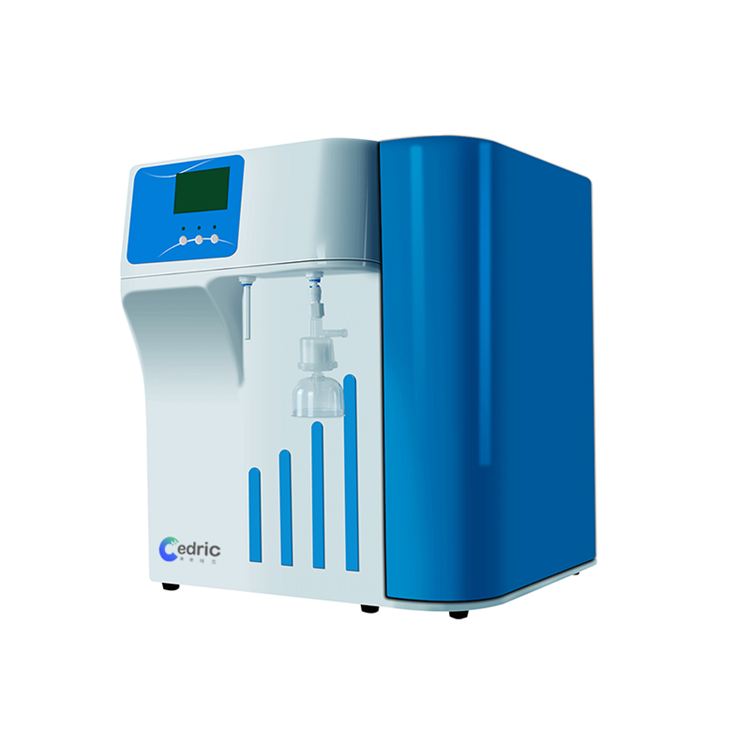
Central Reverse Osmosis Water Purifier with Water Tank Pure Water Machine
$1220.00 - $1500.00
MOQ: 1 Minimum

Water Filter System Reverse Osmosis Water Purifier
$800.00 - $100000.00
MOQ: 1 Pieces
Shandong Xuanyixingya Environmental Protection Technology Co., Ltd.


RO Purifier Water Purifier Reverse Osmosis Purifier Reverse Osmosis System
$1665.00 - $1850.00
MOQ: 1 Pieces


Industrial Reverse Osmosis System Water Treatment Purifier Water Purifier
$4285.00 - $4300.00
MOQ: 1 Pieces


Advanced Reverse Osmosis Water Purifier for Superior Filtration
$2000.00 - $4000.00
MOQ: 1 Pieces
Wuhan Hengtongyuan Environmental Engineering Technology Co., Ltd


Comprehensive Sourcing Guide
Strategic Sourcing Guide for Tankless Reverse Osmosis Water Purifiers
Understanding Technical Specifications and Core Architecture
When sourcing tankless reverse osmosis (RO) water purifiers, buyers must first distinguish between residential and industrial configurations, as the technical architecture varies significantly. The core operating principle for these units is consistently identified as Reverse Osmosis, which utilizes a semi-permeable membrane to remove contaminants. A critical technical observation for tankless models is the filtration precision, which is often specified at 0.0001 micrometers (µm). This level of precision is essential for effective contaminant removal, ensuring the water is suitable for straight drinking without further treatment.
The filtration stages are a primary determinant of performance. In the observed market, configurations typically include a three-stage setup involving PCT (Pre-Carbon Treatment) combined with an RO membrane, or a more complex arrangement of PCT, a post-filter, and the RO membrane. The choice between these configurations depends on the specific water quality of the source and the desired output purity. For tankless units designed for high-volume applications, the productivity rates can vary widely, with observed specifications ranging from 10 to 30 liters per hour for smaller units up to 250 liters per hour (LPH) for larger industrial systems.
Physical dimensions and power requirements are equally vital for integration. Tankless units often feature compact designs, with some observed dimensions measuring approximately 45 x 47 x 55 centimeters. However, industrial variants may require significant floor space, with standard footprints reaching up to 1100 x 900 x 2000 millimeters. Power consumption is another key specification; residential units may operate on 220V at 120W, while industrial systems often require 380V at 50Hz with three-phase power, or 220V at 60Hz with three-phase power. The material construction also varies, with some units utilizing fiberglass or stainless steel to ensure durability and resistance to corrosion in demanding environments.
Compliance and Certification Verification Protocols
Navigating the compliance landscape is a critical step in the procurement process for water purification equipment. Buyers must verify that the specific unit they intend to purchase carries the necessary certifications for their target market. Based on available product data, the most frequently observed certifications include CE and RoHS. The CE marking indicates conformity with health, safety, and environmental protection standards for products sold within the European Economic Area, while RoHS compliance ensures the restriction of specific hazardous materials in electrical and electronic equipment.
In addition to product-level certifications, manufacturers often hold organizational standards that reflect their quality management systems. ISO 9001 is a standard frequently cited in the context of these suppliers, indicating a commitment to quality management. Some listings also reference SGS, which often denotes third-party testing and verification services. It is important for buyers to understand that while a supplier may claim these standards, the specific certification status must be verified for the exact model being procured. The product origin is predominantly listed as China, with specific manufacturing hubs identified in regions such as Shandong. This geographical context is relevant for understanding supply chain logistics and potential regulatory requirements for importing from that region.
Buyers should also be aware of the Harmonized System (HS) codes associated with these products. The code 8421219990 is relevant for water purification equipment, which will dictate the tariff rates and import duties applicable in the destination country. Ensuring that the supplier provides accurate documentation regarding these codes is essential for smooth customs clearance. Furthermore, while some products are described as meeting custom standards, buyers must clarify what "custom" entails in the context of regulatory compliance, as it may refer to tailored manufacturing rather than adherence to a specific international safety standard.
Cost Drivers and Pricing Structure Analysis
The pricing for tankless reverse osmosis water purifiers is not uniform and is influenced by a complex array of factors including capacity, material quality, and automation features. The observed price range in the market is extensive, spanning from 10 USD to 100,000 USD. This vast disparity reflects the difference between small-scale residential units and large-scale industrial systems. For instance, a compact unit with a productivity of 10-30 liters per hour will naturally fall at the lower end of this spectrum, whereas a system capable of 250 LPH with industrial-grade stainless steel construction and advanced automation will command a significantly higher price.
Minimum Order Quantity (MOQ) is another significant cost driver. The market data indicates an MOQ range from 1 piece to 1,000 pieces. Buyers seeking a single unit for pilot testing or small-scale deployment can often find suppliers with an MOQ of 1 PC, which facilitates lower initial capital expenditure. However, for bulk procurement, negotiating a lower unit price is common, though the total cost will scale with the volume. The payment terms also play a role in the financial planning of the procurement; standard terms observed include T/T (Telegraphic Transfer) or L/C (Letter of Credit), which offer different levels of security for both the buyer and the seller.
Additional cost factors include the packaging method and shipping logistics. Units may be packed in standard export cartons, wooden boxes, or specialized PE film inside wooden cases, depending on the size and fragility of the equipment. For Less than Container Load (LCL) shipments, packaging on a pallet with film is typical, while Full Container Load (FCL) shipments might utilize nude packaging to save space. The exporting ports, such as Qingdao or Lianyungang, also influence the final landed cost due to varying freight rates and local handling fees. Buyers must account for these variables when calculating the total cost of ownership, rather than focusing solely on the unit price.
Typical Applications and Operational Scenarios
The application scope for tankless reverse osmosis purifiers is broad, catering to both household and industrial needs. In the residential sector, these units are designed for under-sink or cabinet-style installations, providing immediate access to purified water without the need for a storage tank. This design is particularly advantageous for modern kitchens where space is at a premium. The ability to provide water at cold, warm, and hot temperatures adds significant value for household users, allowing for direct consumption or immediate use in cooking and beverages. The "Straight Drink" efficacy rating confirms that the output meets drinking water standards directly from the tap.
In the industrial sector, the applications shift towards high-volume water treatment and process water preparation. Industries requiring precise water quality for manufacturing, laboratory use, or large-scale beverage production often opt for these systems. The "Auto/Manual" operation modes observed in industrial models allow for flexibility in control, enabling automated operation during peak production times and manual override for maintenance or troubleshooting. The inclusion of a descaling function is a notable feature for industrial applications, as it helps maintain membrane efficiency and extends the lifespan of the equipment in areas with hard water.
The versatility of these systems is further demonstrated by the availability of customization. Whether for a specific household layout or a unique industrial process requirement, the "Customization: Available" attribute suggests that suppliers can tailor the unit to specific needs. This could involve adjusting the filtration stages, modifying the voltage requirements, or altering the physical dimensions to fit existing infrastructure. The core components, such as the filter, are critical in these applications, and their quality directly impacts the longevity and performance of the system. Buyers should match the application requirements with the specific capabilities of the unit, ensuring that the productivity rate and filtration precision align with the intended use case.
Supplier Evaluation and Quality Control Measures
Evaluating a supplier for tankless reverse osmosis water purifiers requires a rigorous assessment of their capabilities beyond the basic product listing. One of the key indicators of a reliable supplier is the provision of after-sales services. The availability of "Return and Replacement" services is a strong signal of confidence in product quality and a commitment to customer satisfaction. Buyers should verify the terms of this service, including the duration of the warranty, which is commonly observed as 1 Year for these units. A clear warranty policy protects the buyer against manufacturing defects and ensures support in case of operational failures.
Quality control is another critical area to investigate. Suppliers that offer "Video Outgoing Inspection" allow buyers to verify the condition and functionality of the unit before it leaves the factory. This transparency is particularly valuable for high-value industrial equipment, as it reduces the risk of receiving damaged or non-compliant goods. Additionally, the production standards, such as ISO 9001, should be validated through certificates provided by the supplier. While these standards are background information, they indicate a structured approach to quality management that should result in consistent product quality.
When evaluating suppliers, buyers should also consider the production capacity and lead times. Although specific lead times are not provided in the source data, the ability to handle orders ranging from 1 PC to 1,000 units suggests a flexible manufacturing capability. The location of the origin, specifically Shandong, China, is a known manufacturing hub, which can facilitate efficient logistics. However, buyers must ensure that the supplier has the capacity to meet their specific volume requirements without compromising quality. The use of standard export cartons or wooden cases for packaging also indicates a level of professionalism in handling and shipping, which is essential for protecting the equipment during transit.
Long-Term Procurement and Maintenance Considerations
Sourcing tankless reverse osmosis water purifiers is not a one-time transaction but an ongoing relationship that requires attention to long-term maintenance and operational costs. The filtration system, which includes PCT and RO membranes, will require periodic replacement to maintain the 0.0001 µm filtration precision and the 99.0% salt rejection rate. Buyers should inquire about the availability and cost of replacement filters and membranes, as these are recurring expenses that impact the total cost of ownership. The "3/2 Stages Filters" configuration mentioned in the data suggests that the system may have multiple filter types, each with its own replacement schedule.
The durability of the unit is also a long-term consideration. Materials such as fiberglass and stainless steel are chosen for their resistance to corrosion and wear, but the specific application environment will dictate the rate of degradation. For industrial units, the descaling function is a critical feature for maintaining performance over time, especially in areas with high mineral content in the water. Buyers should verify the maintenance requirements for this function and ensure that the supplier provides clear guidelines for its operation.
Finally, the customization aspect offers a long-term advantage, as it allows the system to be adapted to changing needs. Whether it is upgrading the voltage, increasing the productivity, or modifying the filtration stages, a supplier that supports customization can help the buyer future-proof their investment. The "Customed" standard noted in the data suggests that the supplier is willing to tailor the product, which is a significant benefit for buyers with unique or evolving requirements. By considering these long-term factors, buyers can make informed decisions that ensure the reliability and efficiency of their water purification systems over their entire lifecycle.
FAQs
What filtration precision do tankless reverse osmosis purifiers offer?
These units typically provide a filtration precision of 0.0001 micrometers. This high level of precision ensures the water is suitable for straight drinking without further treatment, meeting essential safety standards for household and industrial use.
Which certifications are commonly found on these water purification systems?
Common certifications include CE and RoHS for product compliance. Some manufacturers also adhere to ISO 9001 standards, indicating a commitment to quality management systems and third-party verification services like SGS.
Can buyers customize the specifications for these reverse osmosis units?
Yes, customization is available for various product requirements. Buyers can request tailored configurations such as specific voltage inputs, filtration stages, or physical dimensions to fit unique installation needs in residential or industrial settings.
What is the typical minimum order quantity for purchasing these purifiers?
The minimum order quantity ranges from 1 piece to 1000 pieces depending on the supplier. This flexibility allows buyers to start with a single unit for testing or place bulk orders for large-scale industrial deployments.
How long is the warranty period for these water purification devices?
The standard warranty period is typically one year. This coverage protects against manufacturing defects and ensures that suppliers provide return and replacement services if the unit fails to meet operational expectations.
Which power voltage options are available for industrial tankless models?
Industrial models often support 380V 50Hz three-phase or 220V 60Hz three-phase power. Residential units may operate on 220V single-phase power, ensuring compatibility with different electrical infrastructure requirements.
What packaging methods are used for shipping these water purifiers?
Packaging varies from standard export cartons to wooden boxes or PE film inside wooden cases. For less than container loads, units are often palletized with film, while full container loads may use nude packaging to optimize space.