Source Tank Plate Hydraulic Rolling Machine for Tanks, Pipes, and Cylinders
Compare 30 Tank Plate Hydraulic Rolling Machine listings from verified Chinese suppliers. Evaluate specifications like CNC control, hydraulic pressure, and roller materials to find the right equipment for metal fabrication projects.
Key considerations
Products List


4 Roller Hydraulic Plate Rolling Machine, CNC Roller Bending Machine, Plate Rolls
$10000.00 - $400000.00
MOQ: 1 Sets


CNC Roller Machine 4 Plate Roller Plate Machine Hydraulic Rolling Machine
$35800.00 - $36200.00
MOQ: 1 set


Bending Rolls Hydraulic Plate Rolling Machine Pipe Roller Bending Machine
$10000.00 - $50000.00
MOQ: 1 Sets

Hydraulic 4 Roller Plate Rolling Machine for Metal Tubular Structures
$10000.00 - $50000.00
MOQ: 1 Sets

Steel Plate Rolling Machine, Rolling Machine for Steel Plates with 4 Roller
$10000.00 - $50000.00
MOQ: 1 Sets


Plate Rolling Machine 4 Roll Hydraulic Rolling Machine Machine Roll Factory Sales
$10000.00 - $30000.00
MOQ: 1 Pieces


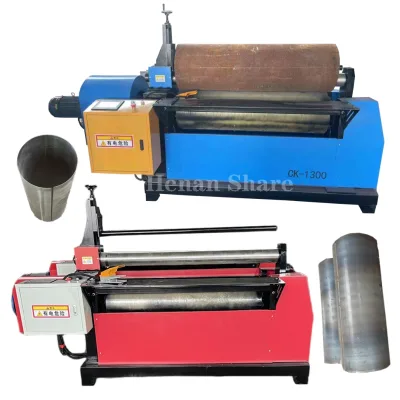
Hydraulic Automatic 3 Rollers Mechanical Plate Rolling Bending Machine
$4800.00 - $7400.00
MOQ: 1 Sets

Hydraulic 3-Roller Plate Bending Rolling Machine with High Quanlity
$8000.00 - $50000.00
MOQ: 1 Pieces



Comprehensive Sourcing Guide
Strategic Sourcing Guide for Tank Plate Hydraulic Rolling Machines
Understanding Core Technical Specifications and Capabilities
When sourcing a Tank Plate Hydraulic Rolling Machine, buyers must first establish a clear understanding of the fundamental technical parameters that define machine performance. The core function of these machines is to transform flat metal plates into cylindrical or curved shapes, a critical process in the fabrication of storage tanks, pressure vessels, and structural components. The observed product data indicates that the primary classification for these units is the "Rolling Machine," with specific models such as the W12, W12NC, and W11S-30+2000 appearing in the market. These designations often correlate with the machine's capacity and control architecture.
A critical technical attribute is the roller configuration. The supply data highlights a "42CrMo" material for the rollers, which is a high-strength alloy steel known for its durability and resistance to wear. This is essential for maintaining precision over long production runs involving heavy tank plates. The machines are predominantly described as "Automatic" and "Hydraulic," utilizing a "Hydraulic Motor" driver and "Hydraulic Pressure" supply. This hydraulic system is designed to deliver "High Power Spinning" capabilities, allowing the machine to handle significant deformation forces required for thick metal processing.
The control system is another pivotal specification. Modern units in this category are equipped with "CNC" (Computer Numerical Control) or "MNC" (Manual Numerical Control) interfaces. The presence of CNC control suggests a higher level of automation, precision, and repeatability, which is vital for the complex geometries often required in tank manufacturing. The "Structure" of these machines is typically "Floor Type," indicating a robust, stationary design intended for heavy industrial environments rather than portable or benchtop applications. Buyers should verify that the specific model's "Voltage" matches their facility's power requirements, as the data notes these are often "as Per Client Requirement."
Compliance, Certification, and Regulatory Standards
Navigating the compliance landscape is essential for ensuring that the purchased machinery meets international safety and quality standards. The observed product listings contain various certification claims, including "UL," "CE," "ISO 9001," and "ISOCCC." While "CE" and "ISO 9001" appear frequently across different listings, buyers must treat these as observations of specific listings rather than universal guarantees for every unit in the category. It is imperative to verify the validity of these certifications with the issuing bodies before finalizing a purchase.
The "HS Code" for these machines is identified as "8462299000," which falls under the category of metalworking machinery. This classification is crucial for importers to determine correct tariff rates and regulatory requirements in their destination country. Furthermore, the "prod_standard" field in the data provides specific dimensional constraints, such as "8-120mm thickness" and "1000-6000mm width." These figures represent the processing capabilities of specific models like the W12 series. However, buyers must not assume all tank plate rolling machines can handle the full 120mm thickness; this range likely applies to specific high-end configurations.
Safety and environmental compliance are also reflected in attributes like the "IPX-8" waterproof rating. This suggests that certain models are designed to withstand harsh environments, potentially including washdown areas or humid conditions common in metal fabrication shops. Additionally, the "Condition" is listed as "New," which implies that the market data reflects brand-new inventory. Buyers should explicitly confirm the condition of the machine, as refurbished units may carry different certification statuses or warranty terms. The "Warranty" periods observed vary, with listings showing "3-year," "2-year," and "18 Months" options. This variance highlights the need for buyers to scrutinize the warranty terms, as they often correlate with the manufacturer's confidence in their build quality and the complexity of the machine's hydraulic and electronic systems.
Cost Drivers and Pricing Dynamics
The pricing for tank plate hydraulic rolling machines is highly variable, driven by the complexity of the machine, the scale of production, and the level of customization required. The observed price range in the market spans from $800 to $400,000 USD. This massive disparity indicates that the "Core keyword" covers a spectrum from small, entry-level rolling units to massive, fully automated industrial systems capable of processing heavy tank plates.
Several factors influence where a specific machine falls within this price range. First, the "Type" of control system is a major cost driver. Machines with "CNC" capabilities generally command a higher price than those with manual or semi-automatic controls due to the cost of the electronic components and software. Second, the "Rollers" material and the overall "Spinning Force" capacity affect the cost. A machine with "42CrMo" rollers and "High Power Spinning" capabilities is engineered for heavy-duty use and will be priced significantly higher than a lighter-duty unit.
Customization is another significant cost factor. The data indicates that "Customization" and "Customized" options are "Available." Buyers requiring specific voltage configurations, unique roller diameters, or specialized control interfaces will incur additional costs. The "prod_packing" method also plays a role; while some units come "Steel Pallet Packaged" or "Steel Planet Packaged," others may be "Nude" or allow for "Customer Choice." Custom packaging solutions to protect the machine during international shipping can add to the final landed cost.
It is important to note that the "MOQ" (Minimum Order Quantity) for these machines is observed as "1," suggesting that buyers can purchase single units. However, the high-end nature of these machines often means that even a single unit represents a significant capital investment. Buyers should also consider the "Lead Time," which is observed to range from "45 days to 60 days." This production and delivery window impacts the total cost of ownership, as delays can disrupt production schedules and increase inventory holding costs.
Typical Applications and Material Processing
The primary application for tank plate hydraulic rolling machines is the fabrication of cylindrical and curved metal structures. The "Application" field in the data is broadly listed as "Metal," but the specific "Material Processing" confirms that these machines handle "Stainless Steel," "Carbon Steel," "Alloy," "Aluminum," and "Copper." This versatility makes them suitable for a wide range of industries, including oil and gas, chemical processing, food and beverage, and construction.
The "Finished State" of the process is typically a "Cylinder Shape," which is the fundamental geometry for storage tanks and pressure vessels. The "Function" of the machine includes "Pre-Bending," a critical step that ensures the ends of the plate are curved before the main rolling operation, preventing flat spots on the final cylinder. The "Spinning Deformation Conditions" are noted as "Cold/Hot," indicating that some machines can process materials at elevated temperatures to improve formability, particularly for thicker or harder alloys.
The "Structure" being "Floor Type" and the "Driver" being a "Hydraulic Motor" supports heavy industrial applications. These machines are designed to handle the substantial forces required to bend thick plates, such as the "T30*W2500mm" standard mentioned in the data, which likely refers to a 30mm thickness and 2500mm width capacity for specific models. The "Advantage" of these machines is often described as "Use Widely," reflecting their adaptability across different manufacturing sectors. Buyers should ensure that the machine's "Rolling Machine" type aligns with their specific production needs, whether they are producing small-diameter pipes or large-diameter storage tanks.
Supplier Evaluation and Quality Control Protocols
Evaluating suppliers for tank plate hydraulic rolling machines requires a rigorous approach to ensure quality and reliability. The "prod_origin" data points to "Haian City, Jiangsu" and "China" as key manufacturing hubs. While this provides a geographic context, buyers must look beyond location to assess the supplier's technical competence. The "Feature" of "High Efficiency" is a common claim, but buyers should verify this through performance data or references from existing clients.
Quality control should begin with the verification of the "Certification" documents. As noted earlier, certifications like "CE," "ISO 9001," and "UL" should be checked for authenticity. The "Warranty" period is another indicator of supplier confidence; a "3-year" warranty suggests a higher level of trust in the product's longevity compared to an "18 Months" offer. Buyers should also investigate the "Condition" of the machine, ensuring it is indeed "New" and not a refurbished unit sold as new.
The "Riveting Principle" mentioned in the data, specifically "Orbital Models (Bm Series)," suggests that some suppliers may offer integrated or related technologies. However, this appears to be a distinct attribute that may not apply to all rolling machines. Buyers must clarify if this feature is relevant to their specific process. The "Strong Spinning Direction" being "Reverse" is a technical detail that should be confirmed against the buyer's operational requirements.
To ensure quality, buyers should request detailed "Test Results" and "Performance Classification" data. The data lists "High-End CNC Machine Tools" as a classification, which implies a tier of quality. However, without specific test data, this remains a claim. Buyers should insist on factory acceptance tests (FAT) to verify that the machine meets the "prod_standard" specifications, such as the ability to handle the stated thickness and width ranges.
Long-Term Procurement and Operational Considerations
Long-term procurement considerations for tank plate hydraulic rolling machines extend beyond the initial purchase price. The "Delivery Time" of "45 days to 60 days" must be factored into production planning. Buyers should also consider the "prod_packing" method, as "Steel Pallet Packaged" or "Steel Planet" options provide better protection during transit, reducing the risk of damage that could lead to costly repairs or delays.
Maintenance and spare parts availability are critical for long-term operation. The "42CrMo" rollers are a key wear component, and buyers should inquire about the availability of replacement rollers and hydraulic seals. The "Hydraulic Pressure" system requires regular maintenance, and the complexity of the "CNC" control system may require specialized technical support. The "Voltage" being "as Per Client Requirment" means that the machine must be compatible with the local power grid, and any mismatch could lead to operational issues.
The "Customization" availability is a double-edged sword. While it allows for a machine tailored to specific needs, it can also complicate future maintenance and spare parts sourcing. Buyers should ensure that the supplier provides comprehensive documentation and training for the customized features. The "Warranty" terms should be clearly defined, covering both parts and labor, and specifying the response time for service calls.
Finally, buyers should consider the "Application" scope. If the machine is intended for "Metal" processing across various alloys, the versatility of the "Spinning Deformation Conditions" (Cold/Hot) becomes a valuable asset. However, if the application is limited to a specific material, a less complex machine might be more cost-effective. The "Feature" of "High Efficiency" should be balanced against the "MOQ" and "Lead Time" to ensure that the procurement strategy aligns with the buyer's production volume and timeline. By carefully evaluating these factors, buyers can secure a Tank Plate Hydraulic Rolling Machine that delivers value and reliability over its entire lifecycle.
FAQs
What certifications do tank plate hydraulic rolling machines typically have?
These machines often carry UL, CE, and ISO 9001 certifications. Buyers should verify specific listings for CE, ISO 9001, or ISOCCC marks as availability varies by model and manufacturer.
How long is the delivery time for these rolling machines?
The standard delivery time ranges from 45 to 60 days. This lead time applies to new units and may vary depending on customization requirements and current production schedules.
Which materials can a Tank Plate Hydraulic Rolling Machine process?
They are suitable for stainless steel, carbon steel, alloy, aluminum, and copper. Some models also handle rubber and support both cold and hot spinning deformation conditions.
Can buyers customize the voltage and specifications of these machines?
Yes, customization is available for voltage and other specifications. Buyers can request specific voltage requirements and choose from various packing options like steel pallets or nude packaging.
What is the warranty period for these rolling machines?
Warranty periods vary between 18 months and 3 years depending on the supplier. High-end CNC models often feature longer warranties compared to standard manual or semi-automatic units.
What is the minimum order quantity for these machines?
The minimum order quantity is typically one unit. Buyers can purchase single machines without needing to meet bulk order thresholds for most standard models.