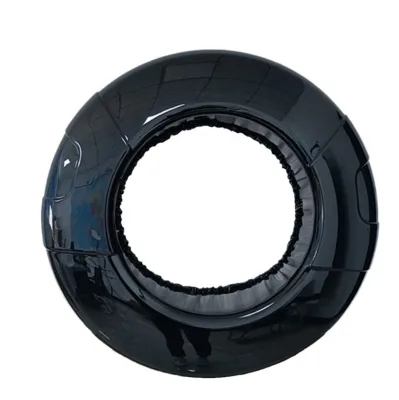
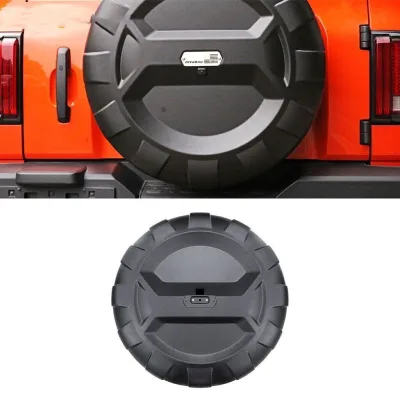
Source Tank 300 Spare Tire Cover for protection, upgrade, and repair
Compare 30 listings for the Tank 300 Spare Tire Cover featuring materials like PVC, ABS, and non-woven options. Buyers can evaluate customization, waterproof ratings, and fitment for the Tank 300 and Tank 400 models directly from suppliers in China.
Key considerations
Products List


Wholesale Auto Parts Gwm Tank 300 Spare Tire Cover Accessories Spare Parts
$126.00 - $356.00
MOQ: 10 Pieces
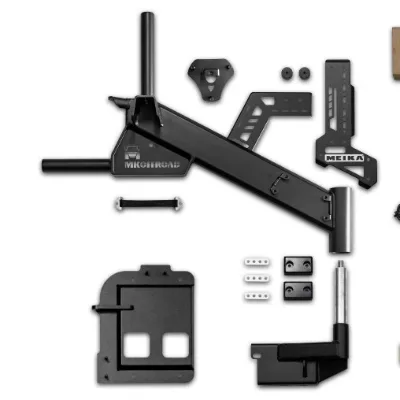
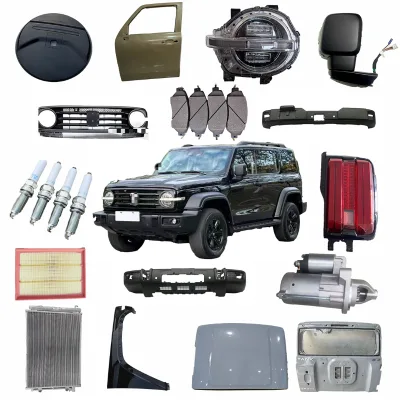
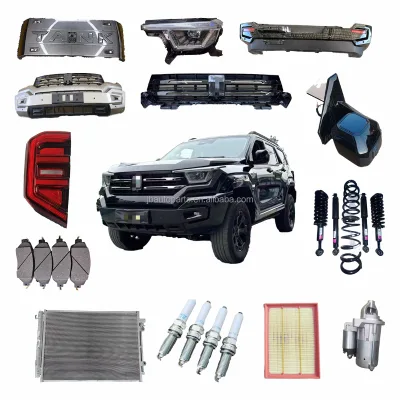
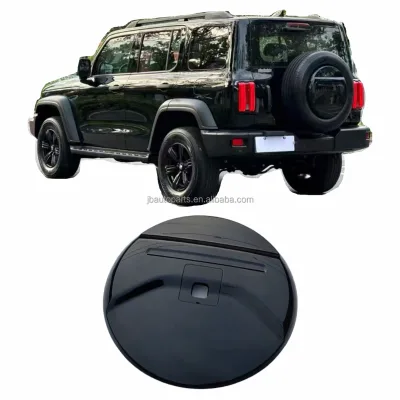
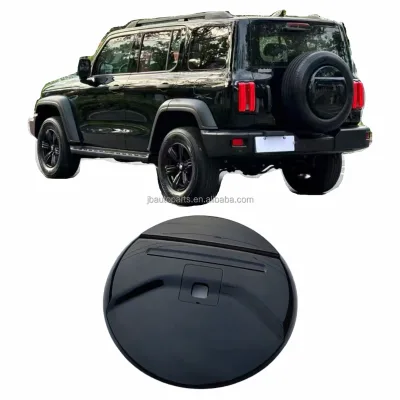
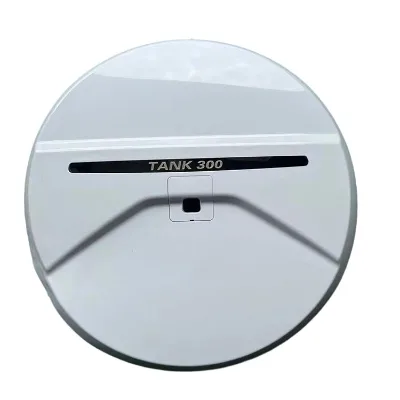


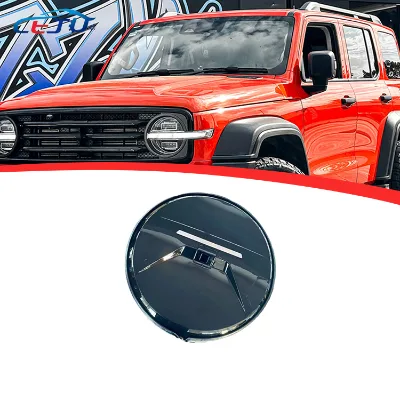


Comprehensive Sourcing Guide
Tank 300 Spare Tire Cover Sourcing Guide
Sourcing replacement or upgrade components for the Tank 300 requires a disciplined approach to verifying fitment, material integrity, and supplier reliability. The market for these accessories is diverse, ranging from basic protective covers to specialized aesthetic upgrades, often originating from manufacturing hubs in China. Buyers must navigate a landscape where product attributes vary significantly between listings, necessitating rigorous verification of specifications before committing to bulk orders. This guide provides a structured framework for evaluating suppliers and products, ensuring that procurement decisions are grounded in observable data and industry best practices rather than marketing claims.
The following sections detail the critical steps for sourcing Tank 300 spare tire covers, from understanding product scope to establishing long-term quality controls. By focusing on technical specifications, compliance documentation, and commercial terms, buyers can mitigate risks associated with poor fitment, material degradation, or inconsistent manufacturing quality. The goal is to empower procurement teams with the knowledge to select suppliers who can deliver durable, aesthetically pleasing, and functionally sound accessories that meet the specific demands of the Tank 300 platform.
Product Scope and Observed Listing Signals
The current market for Tank 300 spare tire covers exhibits a wide range of product variations, with observed prices spanning from $4.99 to $482.65 USD. This broad price spectrum reflects differences in material quality, design complexity, and brand positioning, ranging from basic PVC or non-woven fabric covers to more robust ABS plastic or high-quality OEM-style replacements. Buyers should recognize that price alone is not a definitive indicator of quality; instead, it serves as a signal to investigate the underlying material composition and manufacturing standards. Understanding this range helps in setting realistic budget expectations and identifying suppliers who align with specific project requirements, whether for cost-effective fleet replacements or premium retail upgrades.
Listing signals indicate that customization is widely available, allowing buyers to tailor products to specific branding or functional needs. Many suppliers offer OEM services, enabling the creation of custom designs or the replication of original equipment manufacturer specifications. This flexibility is particularly valuable for businesses looking to create unique aftermarket products or replace damaged parts with exact matches. However, buyers must verify the extent of customization options, including minimum order quantities (MOQ) and lead times, to ensure that the supplier can meet production deadlines without compromising quality. The availability of customization also suggests a mature supply chain capable of handling diverse client requests, but it requires clear communication of design specifications to avoid misunderstandings.
Technical Specifications to Verify
Material selection is a primary technical consideration, with observed listings featuring PVC, non-woven fabrics, ABS plastic, and general plastic components. Each material offers distinct advantages and drawbacks; for instance, PVC and non-woven materials may provide lightweight, flexible protection, while ABS plastic offers greater durability and impact resistance. Buyers must verify the specific material grade and thickness to ensure it meets the environmental and functional demands of the application. Additionally, the presence of waterproof attributes is a common feature, but buyers should confirm the effectiveness of this protection through supplier documentation or sample testing, especially for covers intended for harsh weather conditions.
Fitment and dimensional accuracy are critical for ensuring that the spare tire cover integrates seamlessly with the Tank 300’s design. Listings indicate compatibility with both the Tank 300 and Tank 400 models, but buyers must confirm the exact model year and trim level to avoid fitment issues. Specifications such as size (e.g., 16-inch) and package dimensions (e.g., 45x45x45 cm or 90x90x45 cm) provide useful reference points, but actual product dimensions should be verified against the vehicle’s spare tire specifications. Furthermore, installation methods, such as screw-based fastening, should be evaluated for ease of use and long-term reliability. Buyers should request detailed installation guides or videos to assess the complexity of the retrofit process and ensure that the necessary tools and hardware are included.
Compliance and Safety Documentation
While specific certification standards are not explicitly detailed in the provided listings, buyers must proactively request compliance documentation from suppliers to ensure that products meet relevant safety and quality regulations. This includes verifying that materials used in the covers do not contain harmful substances and that the manufacturing process adheres to environmental standards. For automotive accessories, compliance with industry-specific regulations is essential to avoid legal liabilities and ensure product safety. Buyers should ask suppliers to provide test reports or certificates of conformity, particularly if the products are intended for export to markets with strict regulatory requirements.
Quality assurance processes should also be scrutinized to ensure consistent product performance. Listings mention high-quality standards and a one-year warranty, which are positive indicators, but buyers should verify the scope of the warranty and the supplier’s process for handling defects or returns. Understanding the supplier’s quality control procedures, including inspection protocols and defect rate monitoring, can provide insight into their commitment to product reliability. Buyers should also consider requesting samples to conduct their own quality assessments, checking for issues such as material defects, stitching quality, and fitment accuracy. This due diligence helps to establish a baseline for quality expectations and ensures that the supplier can consistently deliver products that meet these standards.
Cost Drivers and Commercial Terms
The cost of Tank 300 spare tire covers is influenced by several factors, including material costs, manufacturing complexity, and order volume. Observed MOQs range from 1 to 500 sets, indicating that suppliers cater to both small-scale buyers and larger bulk purchasers. Buyers should negotiate pricing based on order volume, leveraging larger quantities to secure better unit costs. Additionally, customization options may incur additional fees, so it is important to clarify all potential costs upfront to avoid unexpected expenses. Understanding the cost structure helps buyers make informed decisions about budget allocation and supplier selection.
Commercial terms, such as payment methods, shipping arrangements, and lead times, also play a significant role in the overall procurement process. Buyers should establish clear agreements on these terms to ensure smooth transactions and timely delivery. It is advisable to use secure payment methods and to include clauses in the contract that protect against delays or quality issues. Furthermore, buyers should consider the total landed cost, including shipping, duties, and taxes, when evaluating supplier quotes. This comprehensive approach to cost analysis ensures that the final price reflects the true value of the product and aligns with the buyer’s financial objectives.
Supplier Qualification and Quality Control
Supplier qualification is a critical step in the sourcing process, requiring a thorough evaluation of the supplier’s capabilities, reputation, and operational stability. Buyers should verify the supplier’s business registration, manufacturing facilities, and production capacity to ensure they can meet order requirements. Additionally, reviewing customer feedback and industry references can provide valuable insights into the supplier’s reliability and product quality. Suppliers with a proven track record of delivering high-quality products and excellent customer service are preferable, as they are more likely to meet the buyer’s expectations and resolve any issues promptly.
Quality control measures should be integrated into the procurement process to ensure consistent product quality. Buyers should establish clear quality standards and communicate them to the supplier, including specific requirements for materials, dimensions, and finish. Regular inspections, either through third-party agencies or in-house teams, can help identify and address quality issues early in the production process. Additionally, implementing a robust feedback loop allows buyers to continuously improve product quality by sharing insights and recommendations with the supplier. This collaborative approach fosters a strong partnership and ensures that both parties are aligned on quality expectations.
Long-Term Procurement Checks
Establishing long-term procurement relationships requires ongoing monitoring and evaluation of supplier performance. Buyers should regularly review key performance indicators, such as on-time delivery rates, product quality metrics, and responsiveness to issues. This data-driven approach helps identify trends and areas for improvement, enabling buyers to make informed decisions about supplier continuity and contract renewals. Additionally, maintaining open communication with suppliers facilitates continuous improvement and innovation, allowing both parties to adapt to changing market conditions and customer needs.
Risk management is also essential for long-term procurement success. Buyers should develop contingency plans to address potential disruptions, such as supply chain interruptions or quality failures. This includes identifying alternative suppliers and maintaining safety stock levels to mitigate the impact of unforeseen events. Furthermore, staying informed about industry trends and regulatory changes ensures that procurement strategies remain relevant and compliant. By proactively managing risks and fostering strong supplier relationships, buyers can secure a reliable supply of high-quality Tank 300 spare tire covers, supporting their business objectives and customer satisfaction.
FAQs
What material options exist for tank 300 spare tire covers?
Available materials include PVC, non-woven fabric, ABS, and plastic. These options allow buyers to select based on durability needs and budget constraints while ensuring compatibility with the vehicle.
Can I customize the Tank 300 Spare Tire Cover design?
Customization is available for these accessories to meet specific buyer requirements. Buyers can request tailored styles or features while maintaining the core fitment for the Tank 300 model.
Which warranty period applies to tank 300 spare tire covers?
A standard one-year warranty is provided for these new condition products. This coverage ensures protection against defects while the item remains in its original packaging state.
How is the Tank 300 Spare Tire Cover installed?
Installation typically requires screws for securing the cover to the vehicle. This method ensures a stable fitment for retrofit or upgrade purposes on the specified automobile body parts.
What is the minimum order quantity for tank 300 spare tire covers?
The minimum order quantity starts at one set for single item sales. This low threshold allows buyers to test the product quality before committing to larger bulk orders.
Where are tank 300 spare tire covers manufactured?
Products originate from China, specifically from regions like Jiangsu and Beijing. This location data helps buyers understand the supply chain logistics and potential shipping times for their orders.
What packaging type is used for tank 300 spare tire covers?
Items are packed in cartons or neutral packing depending on the specific product. This ensures safe transport and protection of the accessory during international shipping to the buyer.