Source Tanning Lotion for Sunbeds, Indoor Tanning, and Outdoor Use
Find 30 Tanning Lotion options from Guangdong suppliers. Compare OEM/ODM private label services, organic and herbal ingredients, and FDA-certified formulations for face and body application.
Key considerations
Products List


Cosmetics Skin Care Cranberry Tanning Does Not Harm Skin Smooth Tanning Lotion
$4.00 - $4.50
MOQ: 100 Pieces


Beauty Cosmetics Skin Care Cherry Self-Tanning Hydrating Self Tanning Lotion
$4.00 - $4.50
MOQ: 100 Pieces






Comprehensive Sourcing Guide
Tanning Lotion Sourcing Guide
Product Scope and Observed Listing Signals
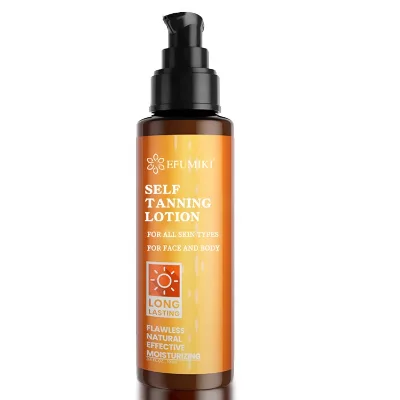
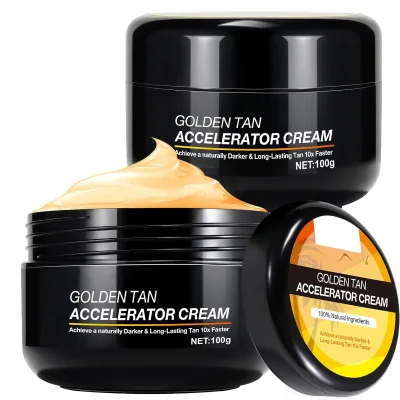
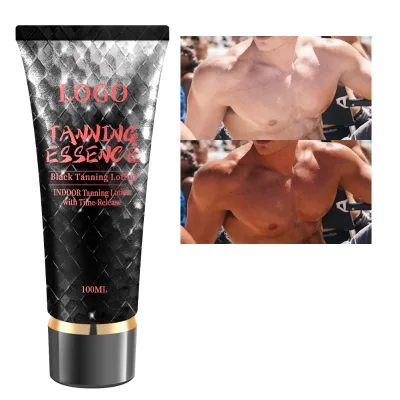
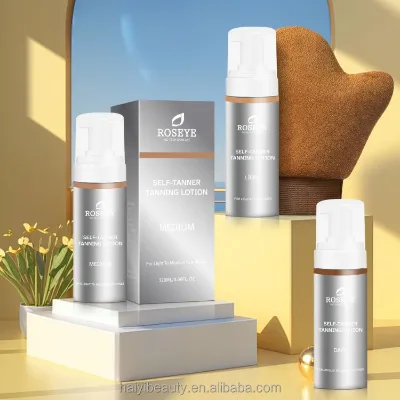
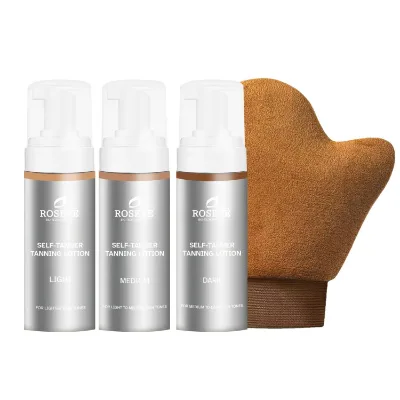
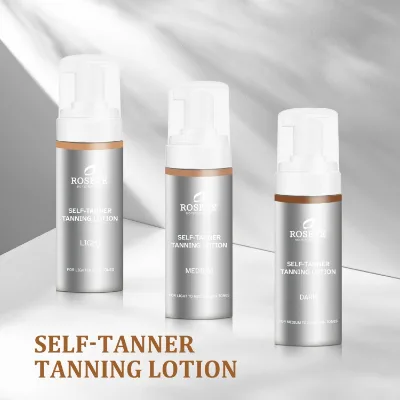
The current market landscape for tanning lotions reveals a diverse array of formulations designed to meet varying consumer preferences and regulatory environments. Based on observed listing signals, the product category encompasses both lotions and creams, with specific models identified such as BC010, MP003, and various fruit-themed variants like Coconut, Cherry, and Pineapple tanning lotions. These products are primarily targeted at adult consumers, although some listings indicate applicability to all ages, suggesting a broad market reach. The form factor is predominantly liquid or semi-liquid, with volumes commonly observed at 200ml, packaged in regular sizes within boxes. This variety allows buyers to select products that align with specific brand identities, ranging from organic and herbal compositions to those featuring silicone-free ingredients.
Commercial signals indicate that customization is a standard offering, with suppliers providing OEM, ODM, and private label services. This flexibility is crucial for brands looking to differentiate their offerings in a competitive market. The observed price range of $0.5 to $8 USD suggests a wide spectrum of quality and positioning, from entry-level mass-market products to premium formulations. Minimum Order Quantities (MOQs) vary significantly, ranging from as low as 1 piece for sampling up to 3000 pieces for bulk production, with some specific listings citing an MOQ of 500 pieces. This variability enables buyers of all sizes, from small startups to large enterprises, to engage with suppliers based on their inventory capacity and risk tolerance.
Technical Specifications to Verify
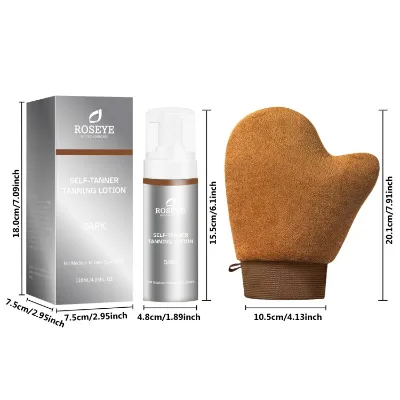
When evaluating technical specifications, buyers must prioritize the physical attributes and formulation details that directly impact product performance and user experience. Key observations include the shelf life, which is consistently noted as three years across multiple listings, indicating stable formulations that can withstand longer storage periods. The single gross weight is recorded at 0.050kg, and package dimensions are typically around 10x4x4cm or 15x4.3x4.3cm, which are critical for calculating logistics costs and warehouse space requirements. Buyers should verify the exact volume and packaging type, as some products are sold as single items in boxes, while others may have different packing configurations.
Ingredient profiles are another critical technical aspect, with listings highlighting organic, herbal, and vegan components. Some products are explicitly described as silicone-free, which appeals to consumers seeking cleaner beauty standards. The applicable skin types are generally listed as all skin types or general skin, suggesting broad compatibility. However, buyers should verify the specific ingredient lists to ensure they meet their target demographic's preferences and any internal brand standards. Additionally, the place of origin is predominantly Guangdong, China, with specific mentions of Guangzhou, which may influence supply chain dynamics and lead times.
Compliance and Safety Documentation
Regulatory compliance is a non-negotiable aspect of sourcing tanning lotions, particularly given the cosmetic nature of the products. Listings indicate that products are certified under FDA and MSDS standards, which are essential for market access in many regions. Buyers must verify that these certifications are current and applicable to the specific product models they intend to purchase. The presence of MSDS documentation is particularly important for handling, storage, and transportation safety, ensuring that the product does not pose undue risks during the supply chain.
Beyond basic certifications, buyers should request detailed safety data sheets and ingredient disclosures to ensure alignment with local regulations in their target markets. While the listings mention organic and herbal ingredients, buyers should verify if these claims are supported by recognized organic certifications, as this can significantly impact consumer trust and marketability. It is also advisable to confirm that the manufacturing facilities adhere to Good Manufacturing Practices (GMP) to ensure consistent quality and safety. The absence of specific test results in the provided data means buyers must proactively request third-party lab reports for heavy metals, microbial limits, and stability testing.
Cost Drivers and Commercial Terms
Understanding the cost drivers is essential for effective budgeting and negotiation. The observed price range of $0.5 to $8 USD is influenced by several factors, including ingredient quality, packaging complexity, and order volume. Products with organic, herbal, or vegan ingredients may command higher prices due to the cost of raw materials and certification processes. Customization services, such as private labeling and unique packaging designs, also add to the overall cost. Buyers should analyze the cost structure to determine the most cost-effective options without compromising on quality or compliance.
Commercial terms, including MOQs and payment conditions, vary among suppliers. The wide range of MOQs, from 1 to 3000 pieces, offers flexibility but also requires careful planning to avoid excess inventory or stockouts. Buyers should negotiate terms that align with their sales forecasts and cash flow capabilities. Additionally, the availability of samples is a positive indicator, allowing buyers to test product quality before committing to large orders. It is crucial to clarify who bears the cost of samples and shipping, as this can impact the initial investment.
Supplier Qualification and Quality Control
Supplier qualification is a critical step in mitigating procurement risks. Buyers should verify the supplier's business license, manufacturing capabilities, and quality management systems. Given that the place of origin is Guangdong, China, buyers may benefit from visiting the facilities or conducting virtual audits to assess production standards and hygiene practices. The availability of OEM and ODM services suggests that suppliers have the technical expertise to customize products, but buyers should evaluate their R&D capabilities and past performance in similar projects.
Quality control measures should be clearly defined in the procurement agreement. Buyers should request information on the supplier's QC processes, including incoming material inspection, in-process checks, and final product testing. The consistent mention of a three-year shelf life suggests stable formulations, but buyers should verify the testing methods used to determine this shelf life. Establishing clear quality standards and acceptance criteria will help ensure that the received products meet the expected specifications. Regular audits and performance reviews can further enhance supplier reliability and product consistency.
Long-Term Procurement Checks
Long-term procurement success depends on continuous monitoring and relationship management. Buyers should establish key performance indicators (KPIs) to track supplier performance, including on-time delivery, product quality, and responsiveness to issues. Regular communication with suppliers can help identify potential problems early and foster a collaborative partnership. Given the dynamic nature of the cosmetic industry, buyers should stay informed about regulatory changes and consumer trends that may impact product demand and compliance requirements.
Sustainability and ethical sourcing are increasingly important considerations for long-term procurement. Buyers should evaluate suppliers' commitments to sustainable practices, such as the use of organic and vegan ingredients, and their efforts to minimize environmental impact. Building a resilient supply chain involves diversifying suppliers and maintaining safety stock to mitigate risks associated with supply disruptions. By focusing on these long-term checks, buyers can ensure a stable and reliable supply of tanning lotions that meet their quality, compliance, and market demands.
FAQs
What certifications do the tanning lotions have?
The products hold FDA and MSDS certifications. These documents verify safety and compliance for international trade, ensuring the lotions meet regulatory standards for organic and herbal ingredients used in face and body applications.
Can I customize the Tanning Lotion packaging?
Customization is available for private labeling and packaging. Buyers can request specific box sizes or volume adjustments like 200ml, with options for OEM and ODM services to match brand requirements for regular size products.
What is the minimum order quantity for these items?
The minimum order quantity ranges from 1 to 3000 pieces depending on the supplier. Some specific listings require 500 pieces, while others allow smaller trial orders, offering flexibility for different business scales and inventory needs.
Where are the Tanning Lotion manufacturers located?
Manufacturers are located in Guangdong, China, specifically in Guangzhou. This region is a known hub for cosmetic production, facilitating efficient logistics and supply chain management for exporters targeting international markets with these organic products.
How long is the shelf life of the lotion?
The shelf life is typically 3 years from the date of manufacture. This duration applies to the organic and vegan formulations, ensuring product stability and efficacy for both face and body use before expiration.
Which skin types are suitable for this Tanning Lotion?
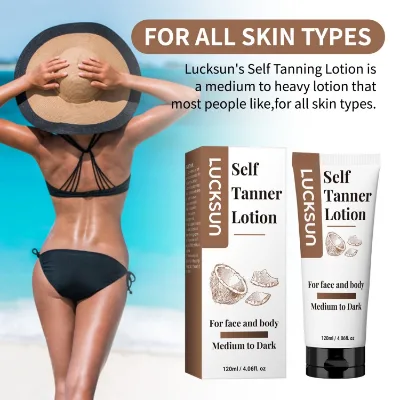
The lotions are formulated for all skin types and general skin applications. They are designed to be gentle yet effective, accommodating various user needs without causing irritation, making them suitable for adults and all ages.