Source Natural Organic Tanning Cream for Body, Face, and Sunbed Use
Find 30 Natural Organic Tanning Cream options for body, face, and sunbed tanning. Compare OEM/ODM suppliers, herbal ingredients, and private label services to source effective skin surface darkening solutions.
Key considerations
Products List
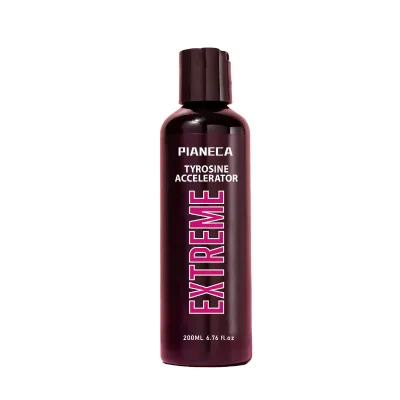
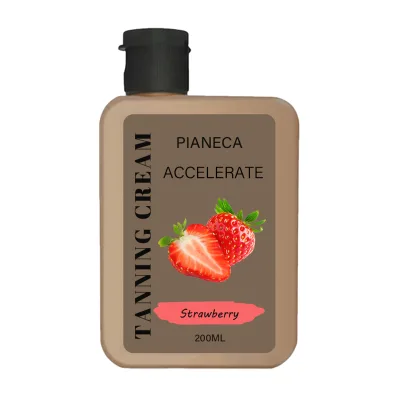
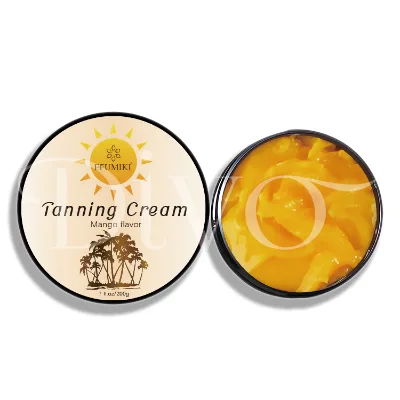
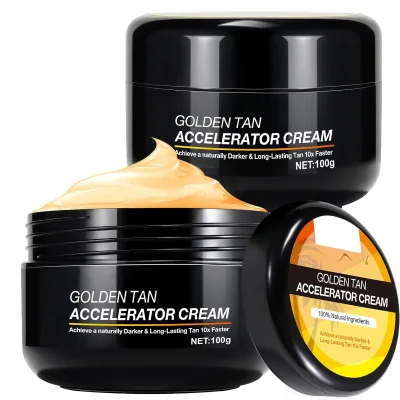


Beauty Skin Care Watermelon Tanning Booster Superior Natural Tanning Lotion
$4.00 - $4.50
MOQ: 100 Pieces






Comprehensive Sourcing Guide
Natural Organic Tanning Cream Sourcing Guide
Sourcing natural and organic tanning creams requires a nuanced understanding of both cosmetic formulation trends and the specific operational realities of manufacturing in key production hubs like Jiangxi and Guangdong in China. Buyers must navigate a market where "natural" and "organic" are often used interchangeably with "herbal" or "vegan" claims, yet the underlying formulations may still contain chemical accelerators or synthetic preservatives to ensure shelf stability and efficacy. The observed product landscape indicates a strong emphasis on private labeling and OEM/ODM services, suggesting that most manufacturers are equipped to customize formulas for specific brand identities rather than offering off-the-shelf generic solutions. This customization capability is critical for buyers seeking to differentiate their products in a crowded market, but it also introduces complexity in verifying the authenticity of ingredient claims.
The procurement process for these items is heavily influenced by minimum order quantities (MOQs) and packaging specifications that vary significantly across suppliers. While some listings suggest low entry points with MOQs as low as 100 pieces, others require commitments of 500 pieces or more, reflecting the scale of production runs necessary to maintain cost efficiency. Furthermore, the physical attributes of the product, such as single gross weights ranging from 0.3 kg to 1.0 kg and package sizes from compact 1x1x1 cm units to larger 18x6x2 cm boxes, indicate a diverse range of product formats, from concentrated lotions to bulk creams. Buyers must align their initial order volumes with their distribution channels, ensuring that the MOQs do not exceed their storage capacity or sales velocity, particularly when dealing with perishable organic ingredients.
Product Scope and Observed Listing Signals
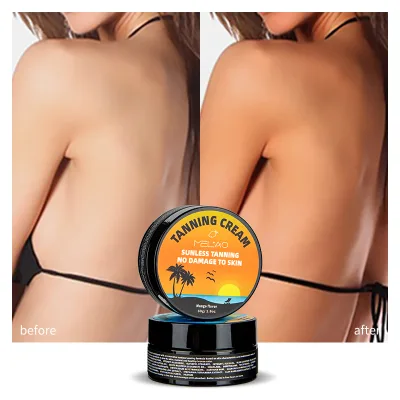
The current market signals for natural organic tanning creams reveal a strong focus on multi-functional benefits, including moisturizing, sunbed tanning acceleration, and skin surface darkening. Products are frequently marketed with keywords such as "Dark skin," "Sun Tan Body Cream," and "Tanning Gream Accelerator," indicating that the primary consumer demand is for rapid and visible tanning results. The ingredient lists observed in the supply base are eclectic, often combining herbal extracts, organic compounds, Vitamin C, hyaluronic acid, and peptides with chemical accelerators. This hybrid approach suggests that while the marketing emphasizes natural origins, the functional efficacy relies on a blend of botanical and synthetic agents to achieve the desired tanning effect, a distinction that buyers must clearly communicate to their end consumers to avoid misleading claims.
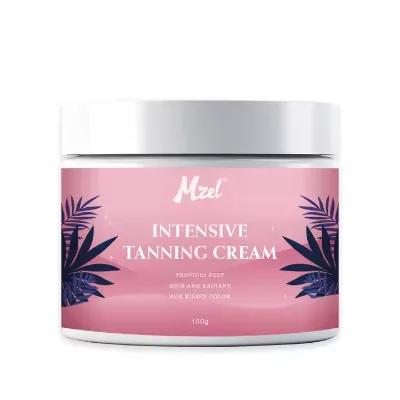
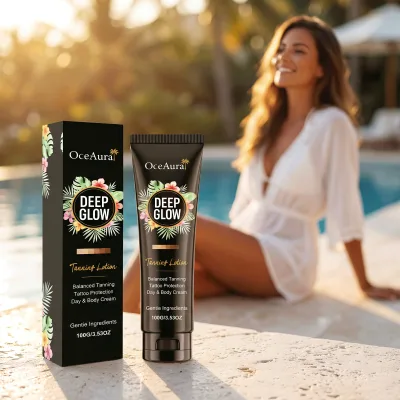
Packaging and branding options are highly flexible, with suppliers offering customized packages and a variety of color schemes such as watermelon, peach, orange, coconut, and mango. These visual cues are not merely aesthetic but serve to reinforce the "natural" and "organic" narrative, appealing to consumers who associate specific fruit scents and colors with purity and safety. The availability of sample products allows buyers to test the texture, scent, and absorption rate of the cream before committing to large orders, which is a crucial step in verifying that the product meets the sensory expectations of the target market. Additionally, the gender-specific targeting, primarily towards female consumers, and the dual-use application for both face and body, expand the potential market reach, allowing for versatile marketing strategies across different beauty and wellness channels.
Technical Specifications to Verify
When evaluating technical specifications, buyers must prioritize the verification of ingredient integrity, particularly the balance between organic, vegan, and cruelty-free claims versus the actual chemical composition. The observed ingredient lists include items like silicone-free, sulfate-free, and paraben-free formulations, which are key selling points for health-conscious consumers. However, the presence of "Chemical" and "Mineral" ingredients alongside "Herbal" and "Organic" ones requires careful scrutiny to ensure that the product complies with the specific regulatory definitions of "natural" in the target export market. Buyers should request detailed ingredient breakdowns and safety data sheets (SDS) to confirm that no prohibited substances are present and that the concentration of active tanning agents, such as DHA or erythrulose if applicable, is within safe limits for topical application.
Packaging dimensions and weight specifications are critical for logistics planning and cost estimation, as they directly impact shipping volumes and handling requirements. The observed single package sizes range from very small 1x1x1 cm units to larger 18x6x2 cm boxes, indicating a variety of product formats that may require different handling procedures. Buyers must verify the single gross weight, which has been observed to range from 0.3 kg to 1.0 kg, to accurately calculate freight costs and ensure that the packaging is robust enough to protect the product during transit. Additionally, the form of the product, whether lotion or cream, affects its stability and shelf life, so buyers should confirm the expiration date and storage conditions recommended by the supplier to prevent degradation of the organic ingredients.
Compliance and Safety Documentation
Compliance with international cosmetic regulations is paramount when sourcing natural organic tanning creams, especially given the varying definitions of "organic" across different regions. Buyers must ensure that suppliers hold relevant certifications, such as ISO, which indicates adherence to quality management standards, and verify if they possess specific organic certifications recognized in the target market, such as COSMOS or USDA Organic. The absence of specific certification details in the observed listings means that buyers cannot assume compliance based on marketing claims alone. It is essential to request copies of all relevant certificates and to verify their validity with the issuing bodies, as non-compliance can lead to product recalls, legal liabilities, and damage to brand reputation.
Safety documentation, including product safety assessments and microbiological test results, is another critical area of verification. Since the products are applied to the skin, particularly the face and body, they must be free from harmful contaminants and allergens. Buyers should insist on third-party lab reports that confirm the absence of heavy metals, pathogens, and prohibited preservatives. The claim of being "Cruelty-Free" and "Vegan" also requires verification, as these terms are not always regulated and may be used loosely. Buyers should ask for documentation that proves no animal testing was conducted at any stage of product development and that all ingredients are derived from plant-based or synthetic sources, not animal by-products.
Cost Drivers and Commercial Terms
The cost structure for natural organic tanning creams is influenced by several factors, including the quality and source of ingredients, packaging complexity, and the level of customization required. The observed MOQs range from 100 to 2000 pieces, with corresponding price variations that reflect the economies of scale. Buyers should negotiate pricing based on their order volume, keeping in mind that higher MOQs typically result in lower unit costs. However, buyers must also consider the total landed cost, which includes shipping, duties, and insurance, as these can significantly impact the final profitability of the product. The availability of OEM/ODM services may incur additional setup fees, which should be factored into the initial investment calculation.
Commercial terms such as payment methods, lead times, and return policies are also key components of the procurement agreement. Buyers should clarify the payment terms, such as deposit percentages and balance payments upon shipment, to manage cash flow effectively. Lead times can vary depending on the complexity of the order and the supplier's production schedule, so it is important to establish clear timelines for sample approval, production, and delivery. Additionally, buyers should inquire about the supplier's policy on defective goods and returns, as this can mitigate risks associated with quality issues. The option to provide samples before bulk production is a valuable feature that allows buyers to validate the product quality and make informed decisions before committing to large orders.
Supplier Qualification and Quality Control
Supplier qualification is a critical step in ensuring the reliability and consistency of the supply chain for natural organic tanning creams. Buyers should conduct thorough due diligence on potential suppliers, including verifying their business licenses, production capabilities, and quality control systems. The observed places of origin, such as Jiangxi and Guangdong, are known for their manufacturing expertise, but buyers should still assess the specific factory's infrastructure and hygiene standards. Requesting factory audits or third-party inspection reports can provide valuable insights into the supplier's operational practices and help identify any potential risks in the production process.
Quality control measures should be established at every stage of the production process, from raw material sourcing to final packaging. Buyers should work with suppliers to define clear quality standards and inspection criteria, including visual checks, weight verification, and functional testing of the tanning cream. Regular quality audits and random sampling during production can help detect and correct issues early, reducing the risk of receiving substandard products. Additionally, buyers should establish a communication channel for addressing any quality concerns promptly, ensuring that any deviations from the agreed specifications are resolved before shipment. Building a strong relationship with the supplier based on transparency and mutual trust can also facilitate smoother collaboration and better problem-solving.
Long-Term Procurement Checks
Long-term procurement success depends on continuous monitoring of market trends, regulatory changes, and supplier performance. Buyers should stay informed about evolving consumer preferences for natural and organic products, as well as any new regulations that may impact the formulation or labeling of tanning creams. Regularly reviewing supplier performance metrics, such as on-time delivery rates, product quality consistency, and responsiveness to issues, can help identify areas for improvement and ensure that the supply chain remains robust. Building a diversified supplier base can also mitigate risks associated with dependency on a single source, providing flexibility in case of disruptions or capacity constraints.
Furthermore, buyers should invest in building a strong brand identity that resonates with their target audience, leveraging the unique selling points of natural and organic tanning creams. This includes developing compelling marketing materials, engaging with customers through social media and other channels, and gathering feedback to refine product offerings. By maintaining a proactive approach to procurement and brand management, buyers can sustain long-term growth and competitiveness in the dynamic beauty and wellness market. Continuous innovation in product formulation and packaging, coupled with a commitment to quality and compliance, will be key to achieving sustained success in this sector.
FAQs
What ingredients are used in Natural Organic Tanning Cream?
These creams typically contain herbal, organic, and vitamin C ingredients alongside hyaluronic acid. Many formulations are also cruelty-free, fragrance-free, and free from sulfates, parabens, and silicones to ensure skin safety.
Can I get private label services for tanning cream?
Yes, OEM, ODM, and private label services are available for this product category. Buyers can request customized packaging and branding options to meet specific market requirements while maintaining product quality standards.
What is the minimum order quantity for tanning cream?
The minimum order quantity varies by supplier, with observed ranges starting from 100 pieces up to 2000 pieces. Some listings specify a standard MOQ of 500 pieces for bulk procurement orders.
Where are these tanning creams manufactured?
Manufacturing locations include Jiangxi and Guangdong in China, as well as other regions like GUA. Buyers should verify specific factory locations during the sourcing process to ensure logistics compatibility.
How much does a single unit of tanning cream weigh?
Single gross weights vary by package size, ranging from 0.3 kg to 1.0 kg per unit. The net weight for standard lotion or cream containers is often listed as 200 mL.
Are samples available for Natural Organic Tanning Cream?
Samples are provided by many suppliers to allow buyers to test product quality before placing bulk orders. This service helps verify ingredient lists, texture, and tanning effectiveness prior to commitment.
What certifications do these tanning creams hold?
Some products carry ISO certification to ensure quality management standards are met. Buyers should request specific certification documents from manufacturers to confirm compliance with international safety and production regulations.